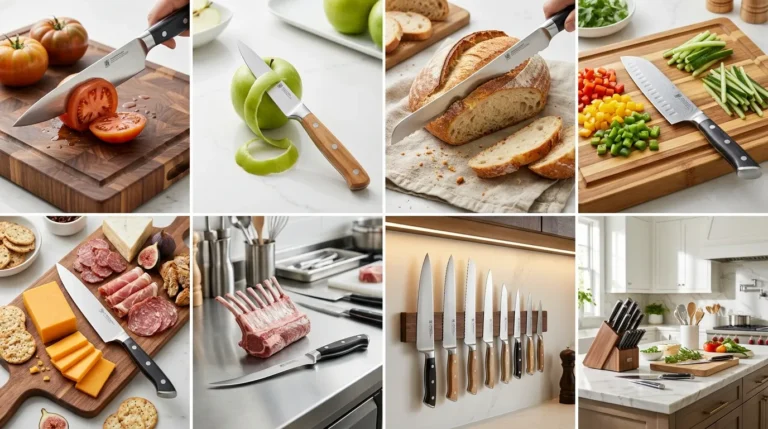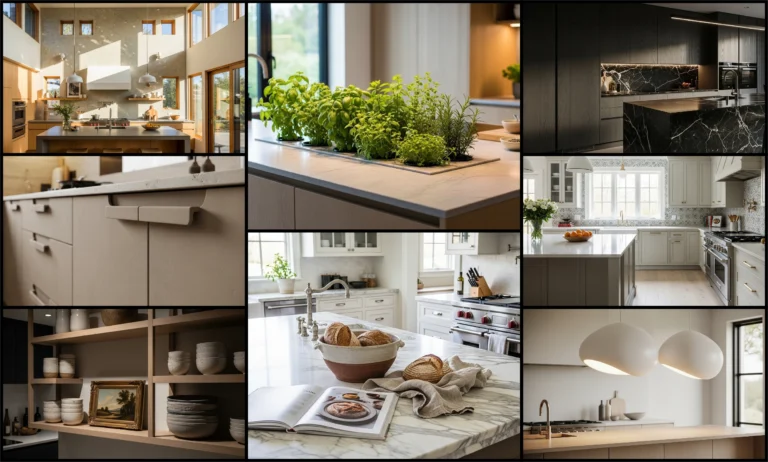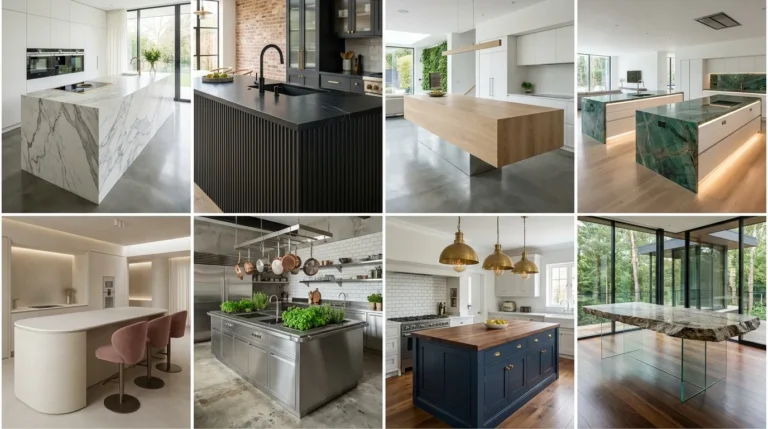
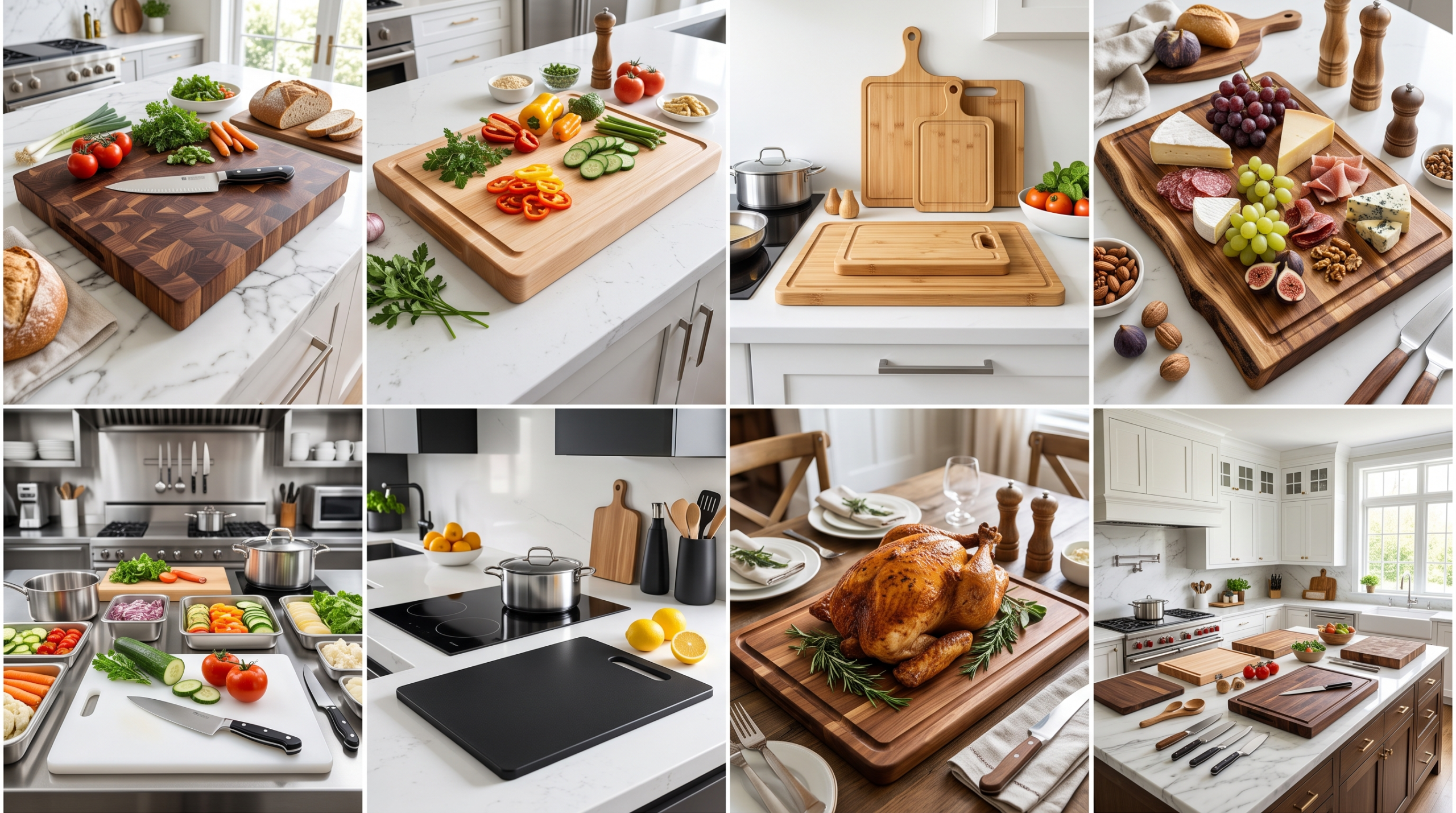
The right board makes prep faster and safer. The right board also keeps knives sharp longer.
These types of cutting boards cover wood, bamboo, plastic, and rubber. Each type suits a different job. Pick the types that fit how you cook.
End Grain Hardwood Blocks
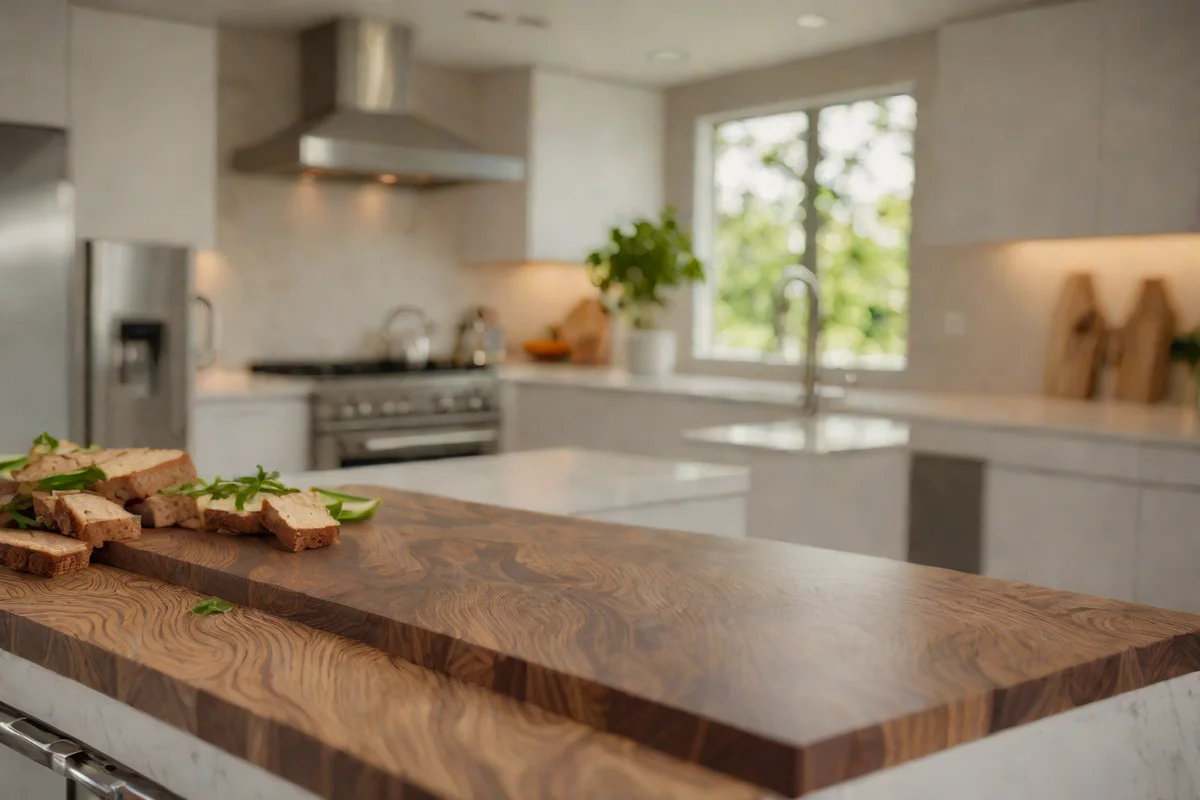
End grain blocks show the cut ends of the wood. The fibers face up and cushion each cut.
Hardwood like walnut and maple takes daily chopping well. The fibers close after the knife passes.
Oil the block monthly with food-safe oil. The surface stays smooth and flat for years.
Best for: heavy daily chopping in family kitchens.
Edge Grain Plank Boards

Edge grain boards show long strips of wood. They are strong and a bit lighter than blocks.
The smooth face suits thin slicing. Vegetables and fruit cut with no drag.
Hand wash and dry the board right away. Never leave it soaking in the sink.
Best for: all-purpose prep in busy kitchens.
Bamboo Cutting Boards

Bamboo grows back fast each year. It is a light and green choice for the kitchen.
The dense grain resists deep knife marks. It wipes clean in seconds.
It is harder than many softwoods. Hand wash it so it stays flat.
Best for: eco-friendly kitchens and light prep.
HDPE Plastic Cutting Mats
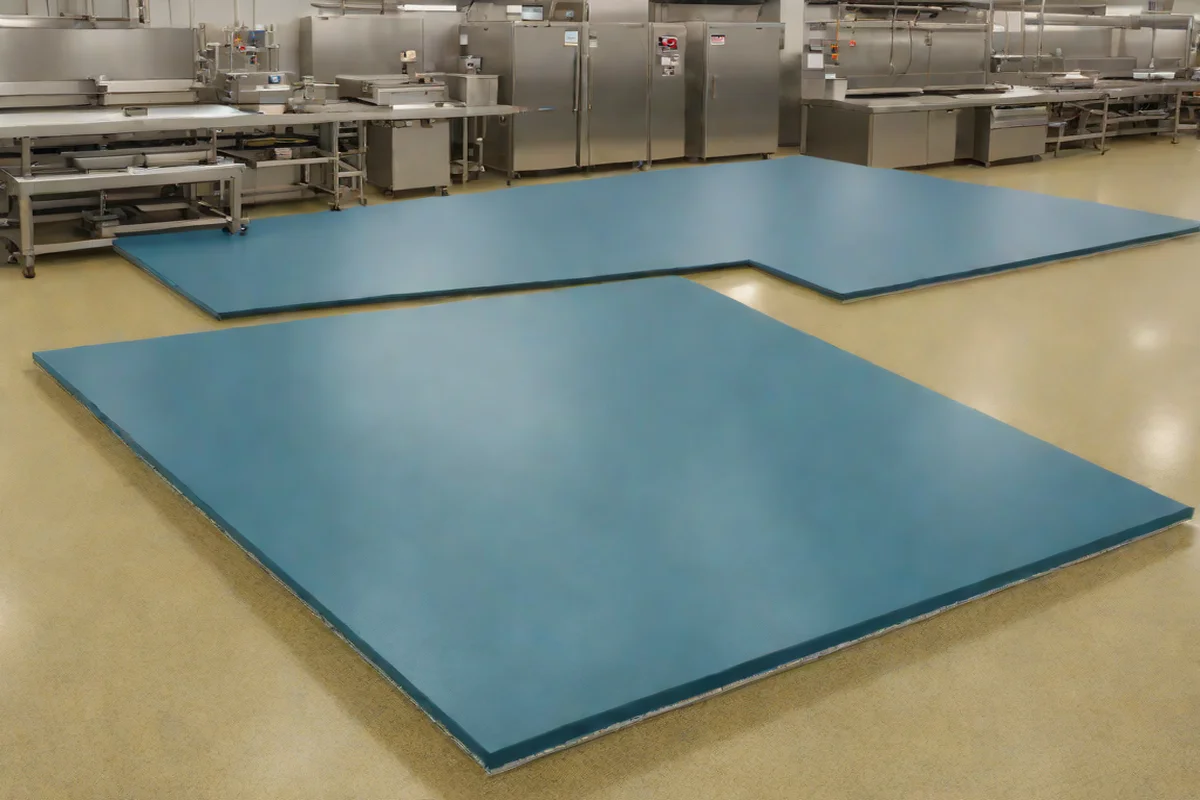
HDPE mats are thin, tough, and cheap. They stand up to years of daily chopping.
Most sets come in many colors. Use one color per food group for safety.
They are dishwasher safe. Toss them in the machine when the day is done.
Best for: quick daily prep and easy cleanup.
Wood Fiber Cutting Boards
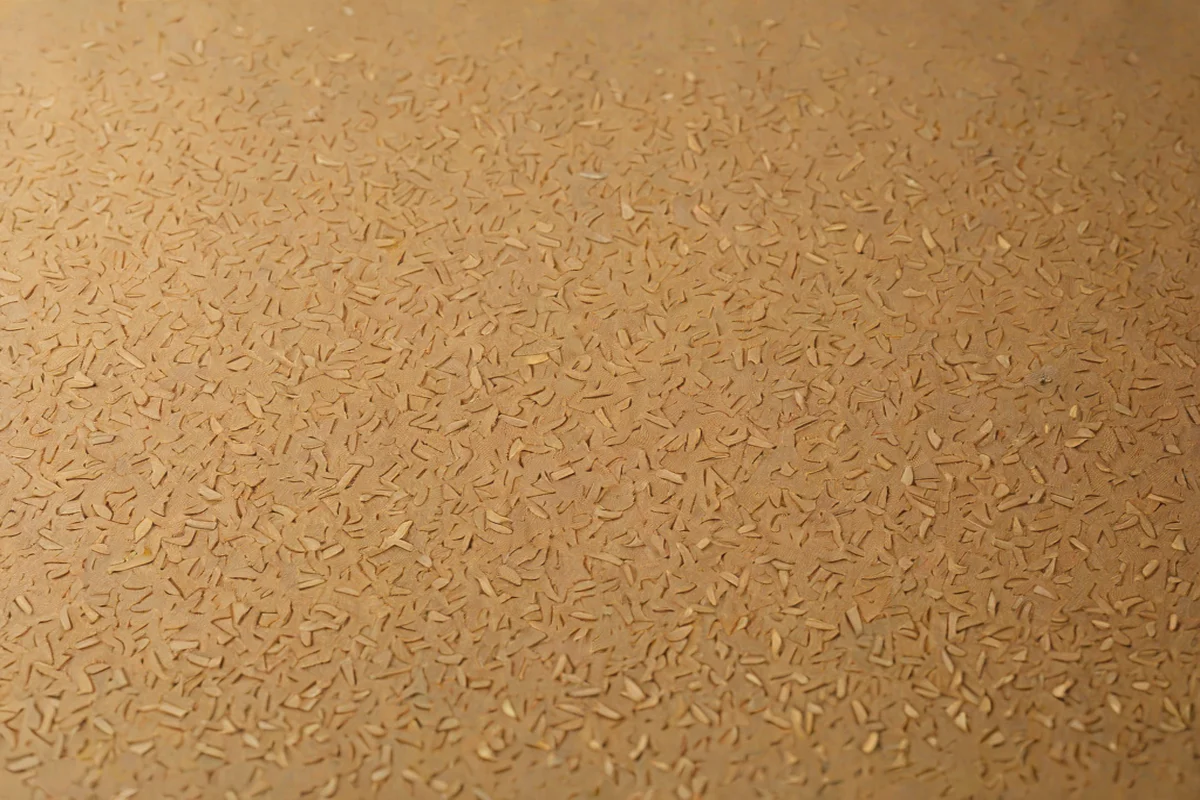
Wood fiber boards blend pulp with resin. The result is smooth, dense, and thin.
They feel like wood but weigh much less. Knives glide with little drag.
They resist warping in humid kitchens. Wipe them dry after each wash.
Best for: small kitchens that need a light board.
Rubber Cutting Boards
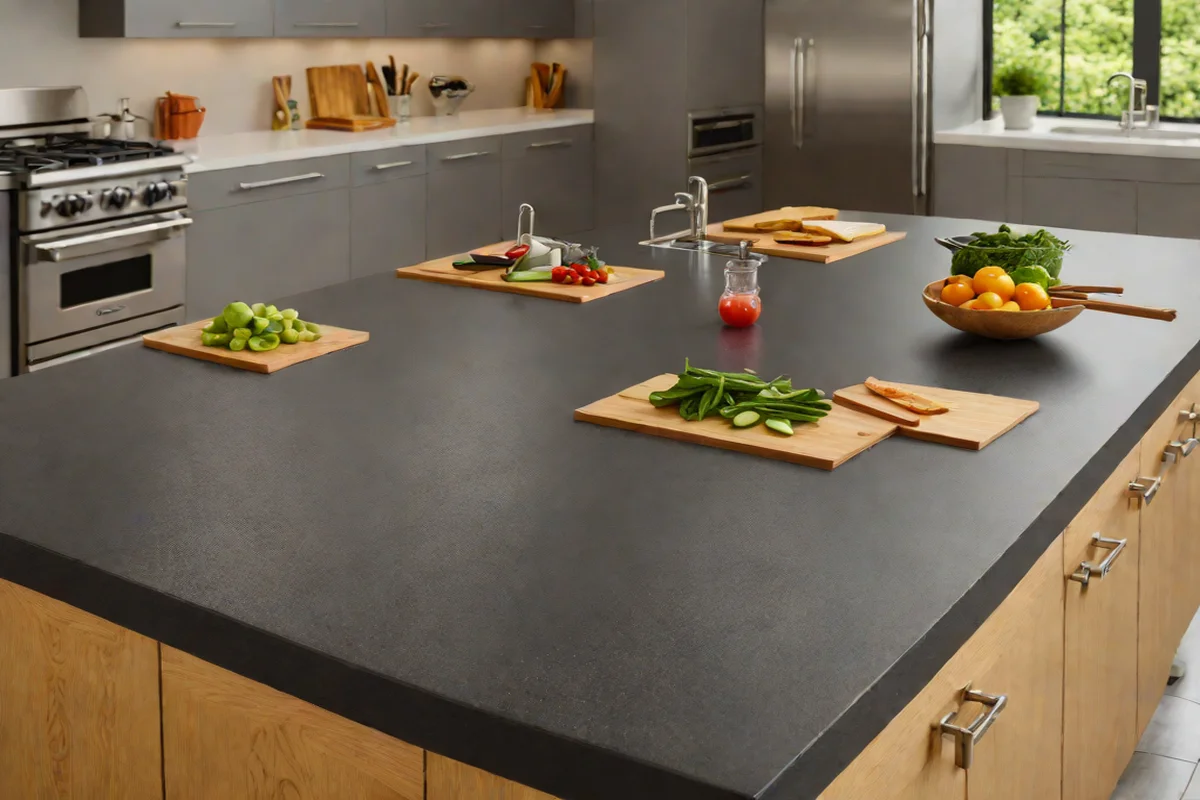
Rubber sheets give under the blade. They protect fine knife edges better than most boards.
The soft surface grips food in place. It will not slip on the counter.
They are quiet to chop on. Late night prep stays soft and low.
Best for: cooks who want to protect sharp blades.
Teak Wood Cutting Boards
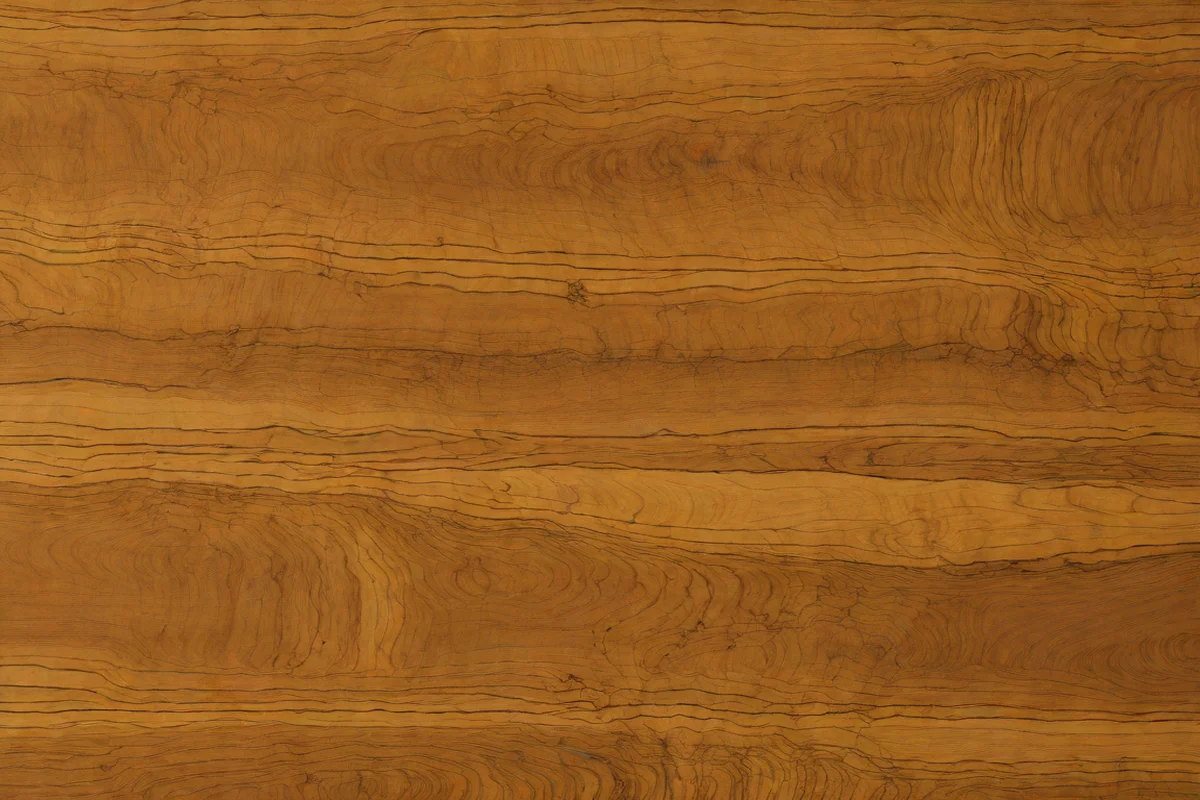
Teak holds natural oils in its grain. It shrugs off water better than most woods.
The surface stays smooth for years. It takes heavy daily knife work well.
It needs less oiling than other woods. One coat every few months is enough.
Best for: wet prep and long-lasting use.
Over the Sink Cutting Boards
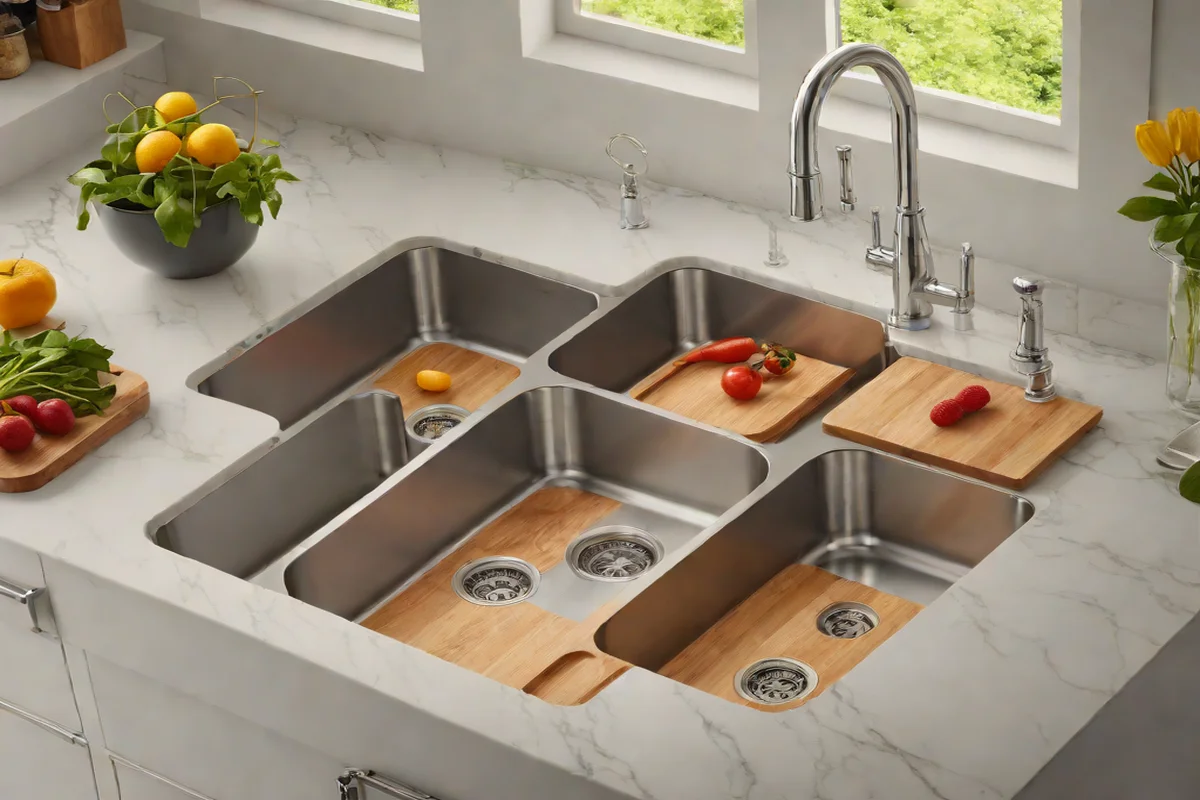
These boards span the sink basin. They add a whole new prep zone to the kitchen.
Chopped food sweeps straight into the sink. Cleanup takes seconds.
Some models add a strainer tray. Rinse vegetables right on the board.
Best for: small kitchens with tight counter space.
Flexible Cutting Mats
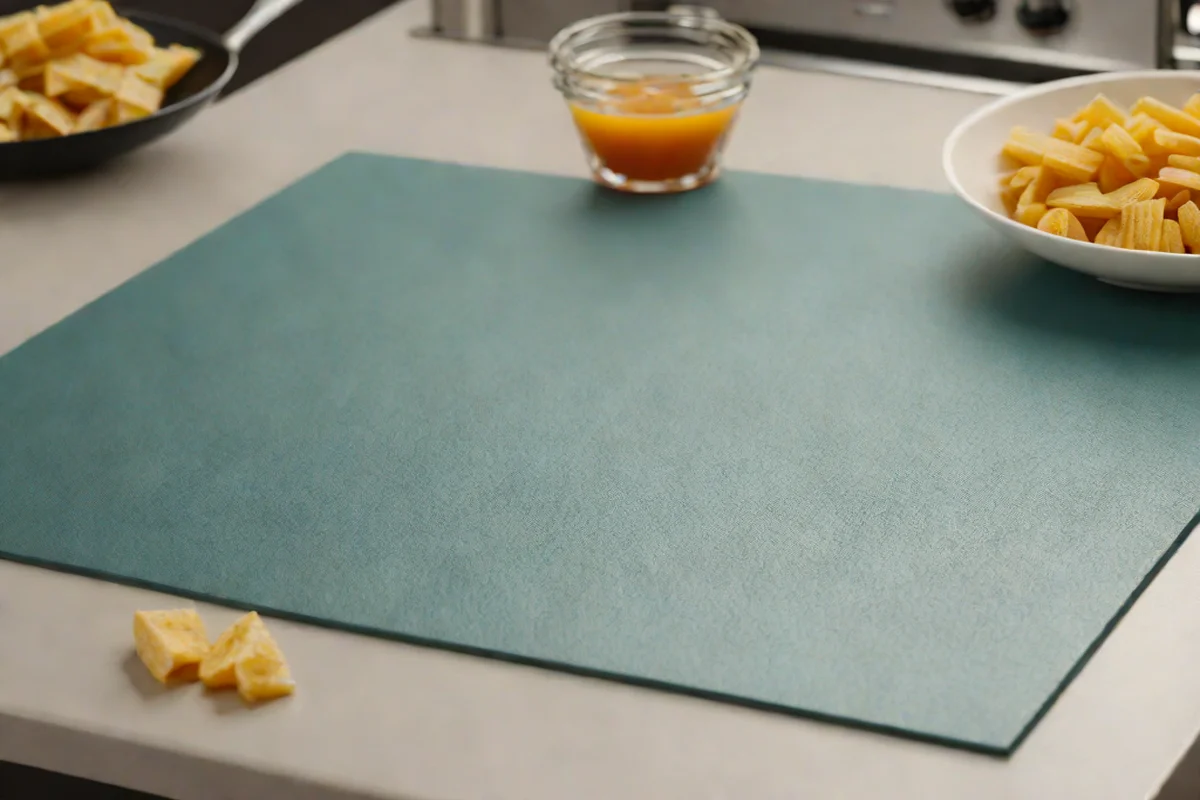
These thin mats bend like paper. You can fold them to pour chopped food into the pan.
They store flat in a drawer. A full set fits in almost no space.
Each color can mark one food group. The system keeps raw meat apart from veg.
Best for: tiny kitchens and fast meal prep.
Hinoki Cypress Boards
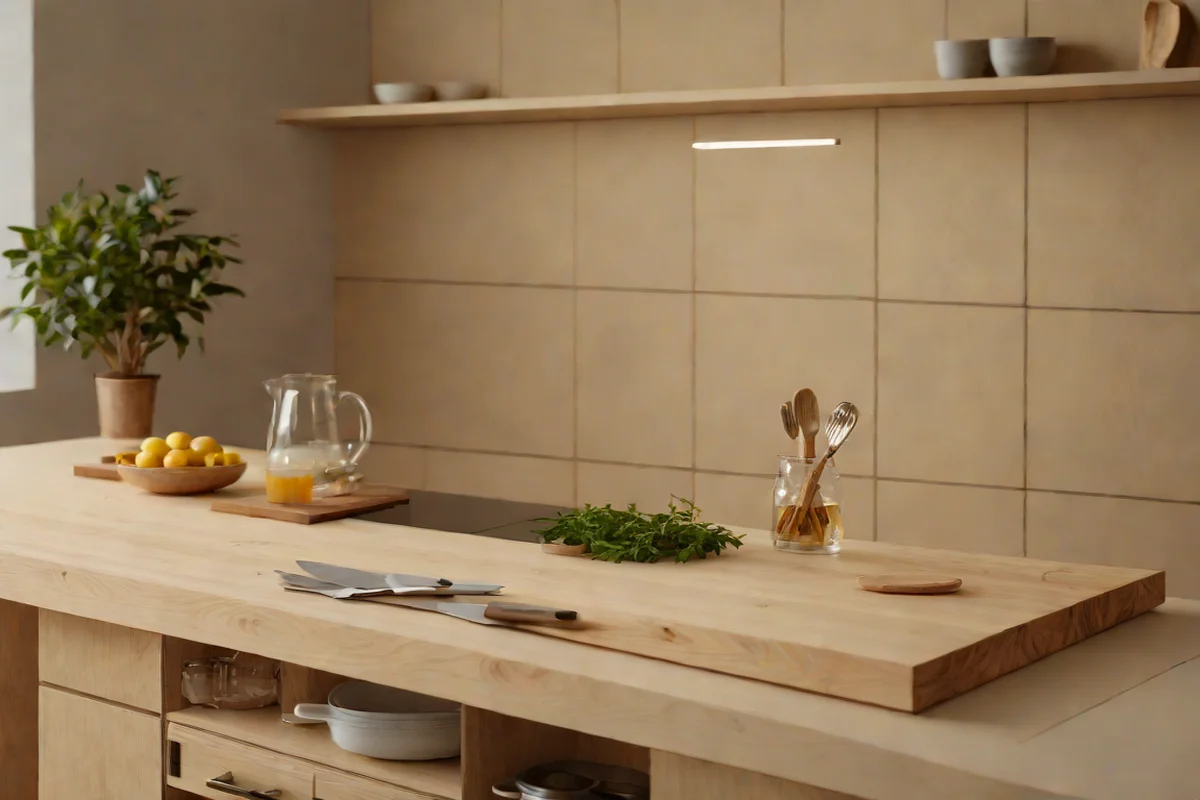
Hinoki is a soft Japanese cypress. It is gentle on thin, sharp blades.
The wood smells fresh and clean. It fights germs on its own.
The soft face will show knife marks. That is normal and will not harm use.
Best for: Japanese knives and fine slicing.
Juice Groove Carving Boards
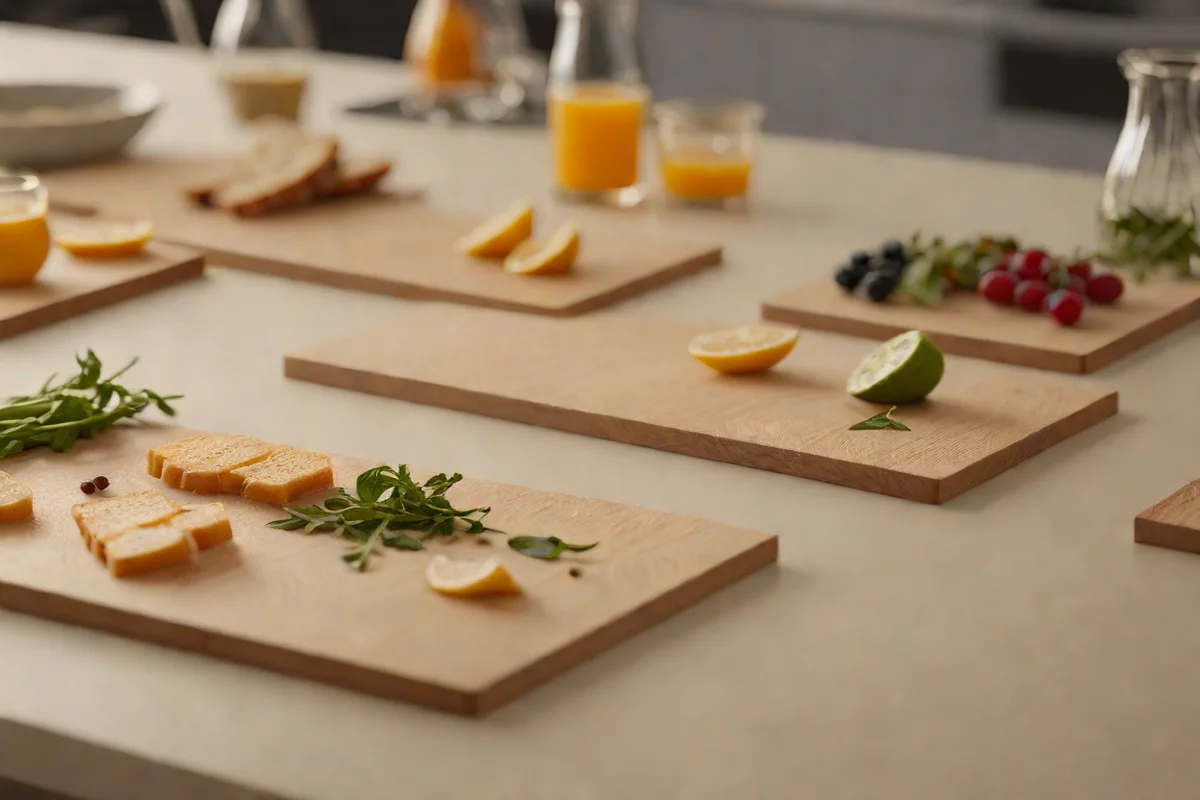
A deep groove rings the whole board. It catches juice from roast meat.
The board flips over for flat chopping. You get two boards in one.
Use the groove side for turkey and ham. The flat side suits veg.
Best for: holiday roasts and big carving jobs.
Countertop Lip Cutting Boards
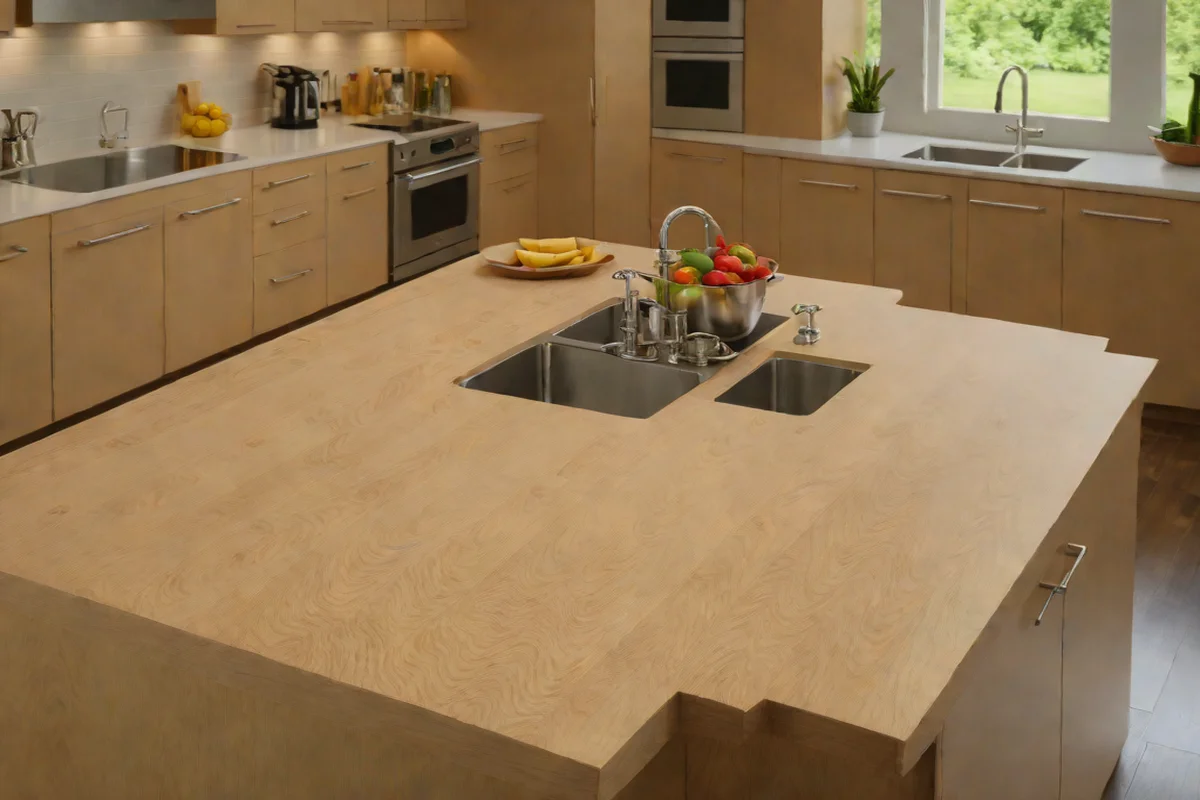
A lip hooks over the counter edge. It locks the board in place.
You can chop with full force. The board will not shift at all.
It also bridges small gaps well. Use it over a trash bin for easy sweep.
Best for: heavy chopping that needs a fixed board.
Color Coded Cutting Board Sets
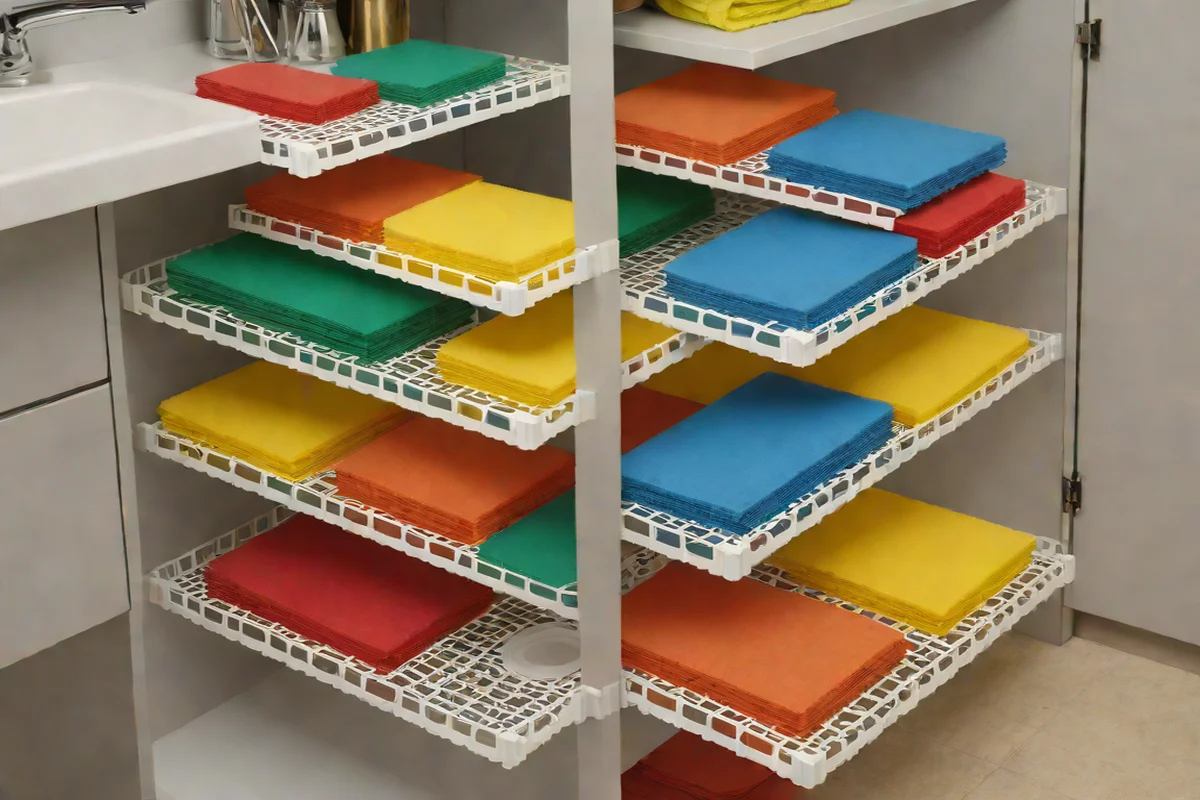
Each color marks one food type. Red is for meat, green is for veg.
The system cuts cross contact risk. Raw meat never touches bread boards.
Most sets include a stand or tab icons. Picking the right board is fast.
Best for: shared kitchens and food safety fans.
Cherry Wood Chopping Blocks
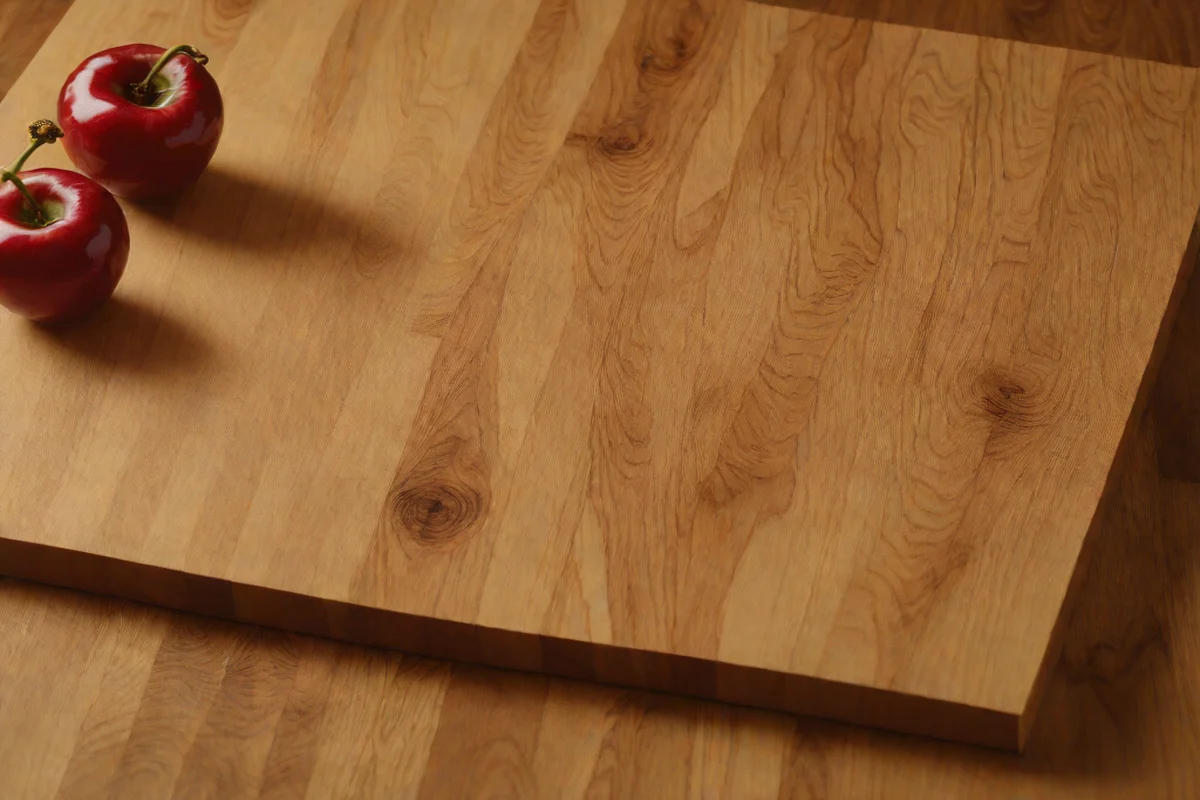
Cherry wood darkens as it ages. The color deepens with oil and use.
The grain is smooth and tight. It resists stains from fruit and veg.
A thick block stays stable on the counter. It will not slide while you chop.
Best for: home cooks who want a rich, classic look.
Pick the Right Boards for Your Kitchen
The best board matches your knives and your habits. Start with one all-purpose board, then add task boards.
For more help, browse our everyday cutting board guides and read these oil wood cutting board options.