15 Types of Water Heaters

Optimizing the mechanical framework of a premium estate requires a sophisticated approach to environmental control and spatial engineering. Within the design philosophy of the USA Home Bloom hub, a water heater is treated as a core utility layer that directly impacts everyday comfort, energy distribution, and spatial layout. Choosing the correct water heating infrastructure requires balancing mechanical physics, structural footprints, and thermal efficiency. By evaluating the engineering behind various water heating systems, homeowners can implement a high-performance framework that delivers long-term durability and structural balance.

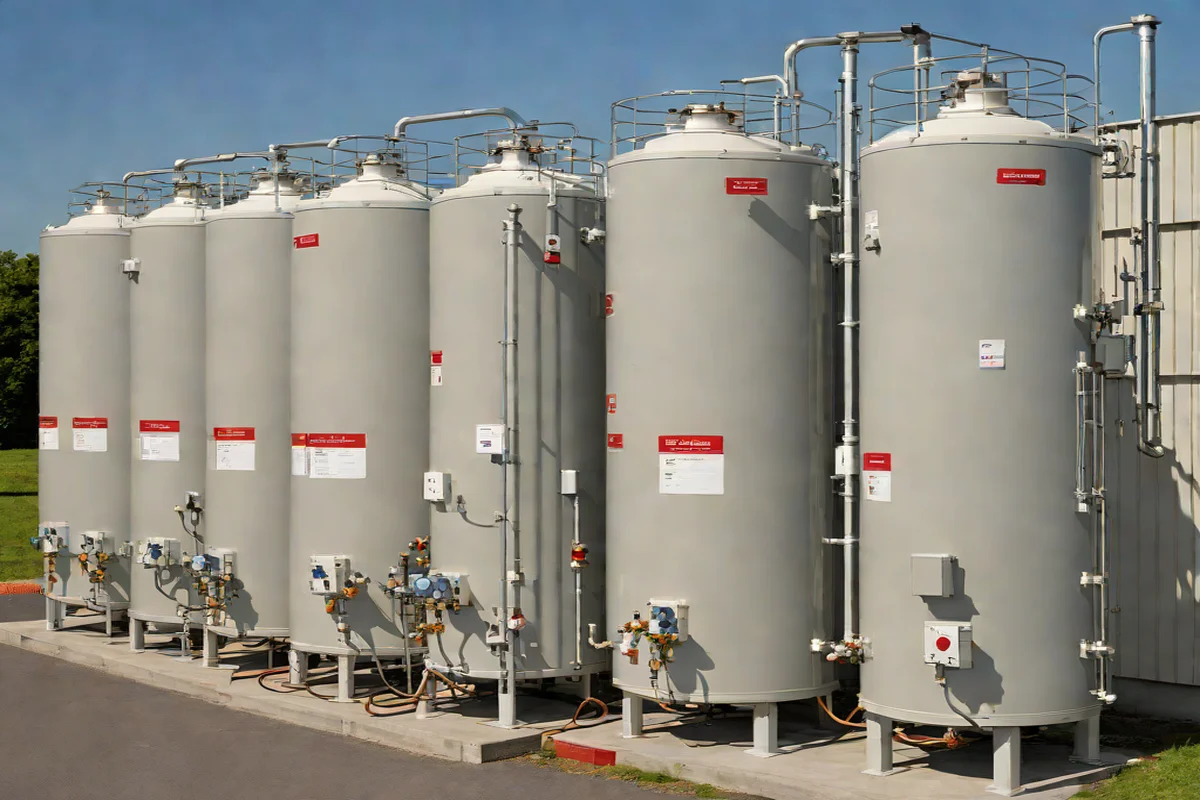
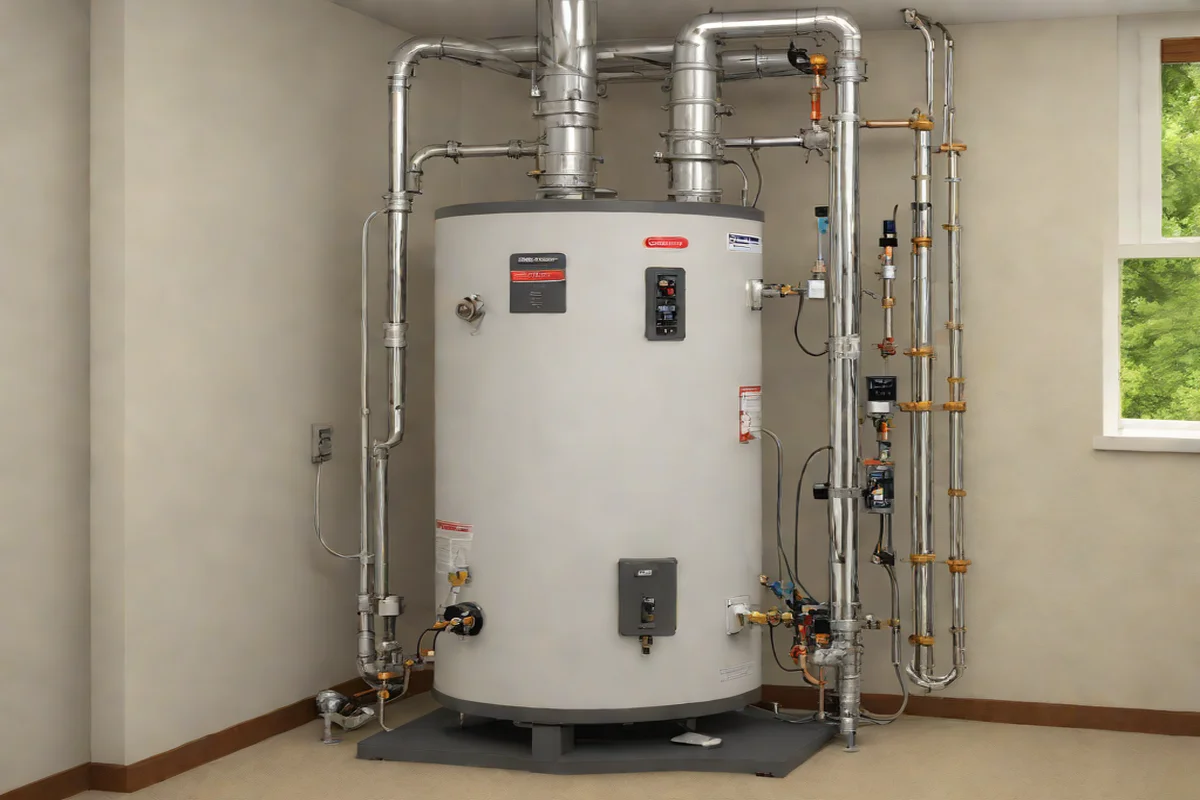
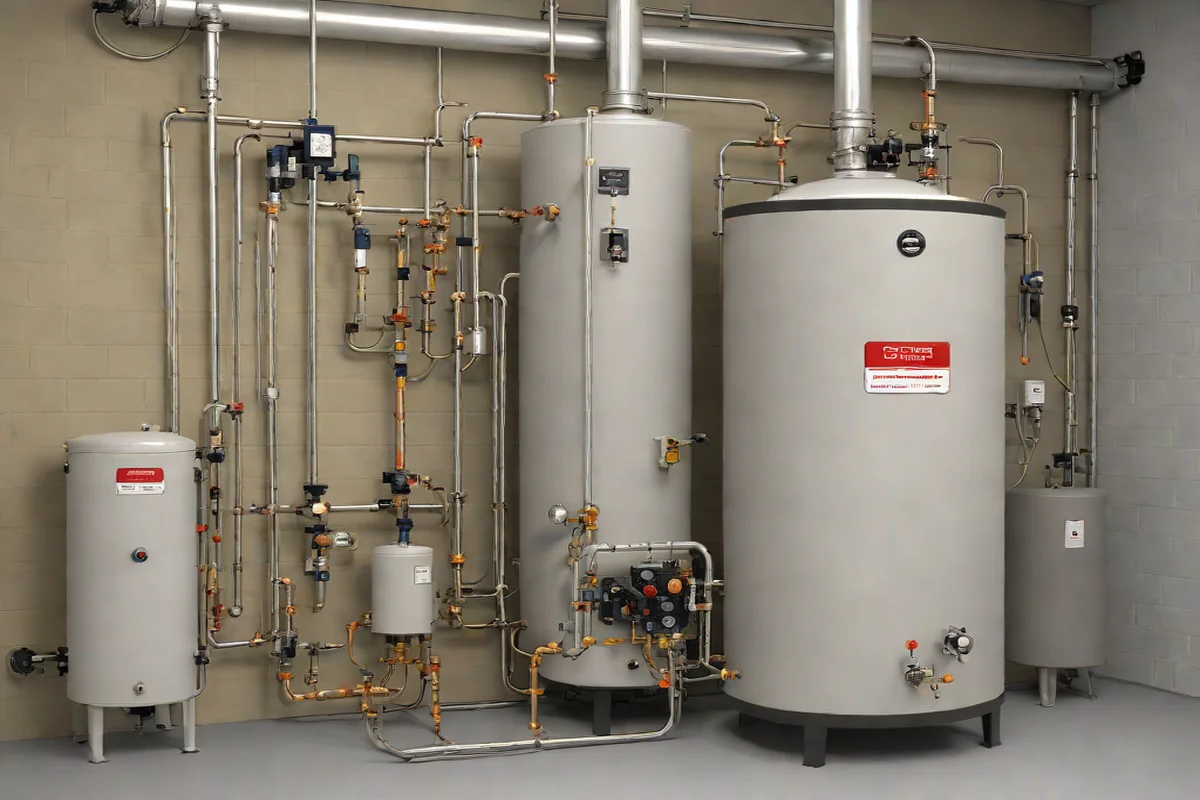
1. Storage Tank Water Heaters

Storage Tank Water Heaters - Types of Water Heaters
Storage Tank Water Heaters – Types of Water Heaters

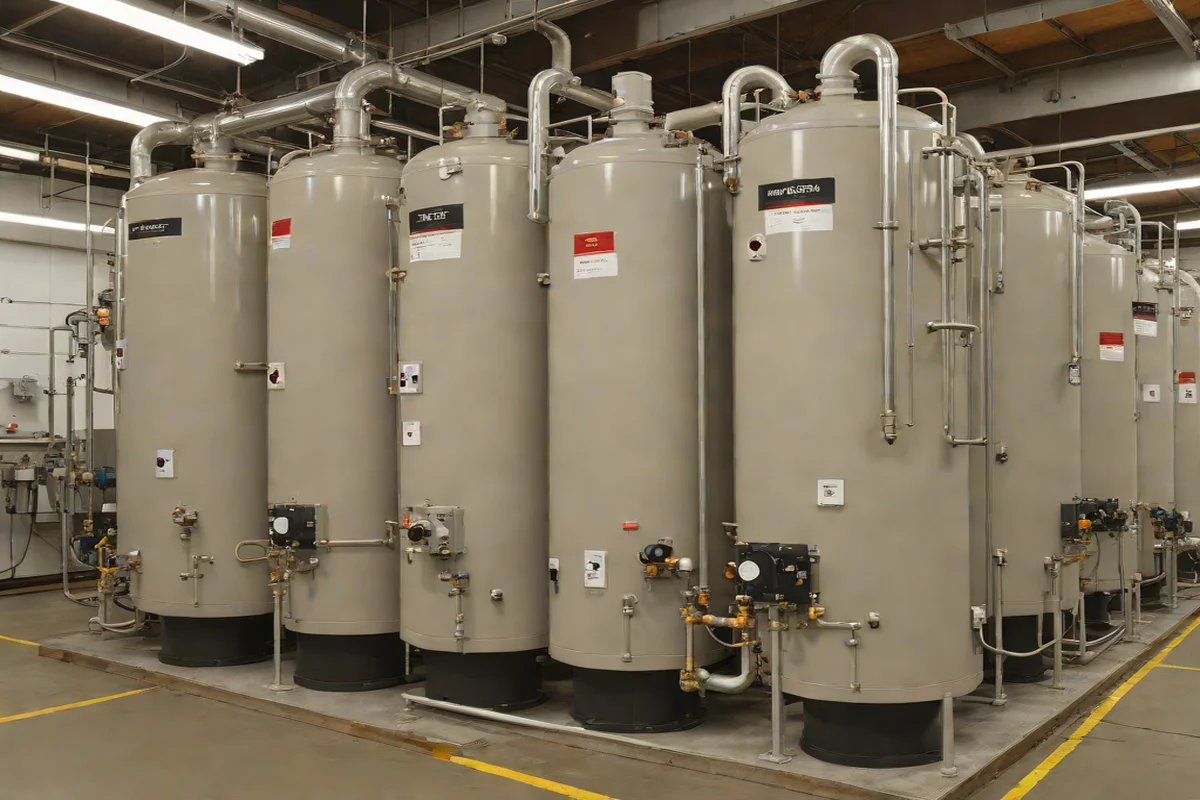
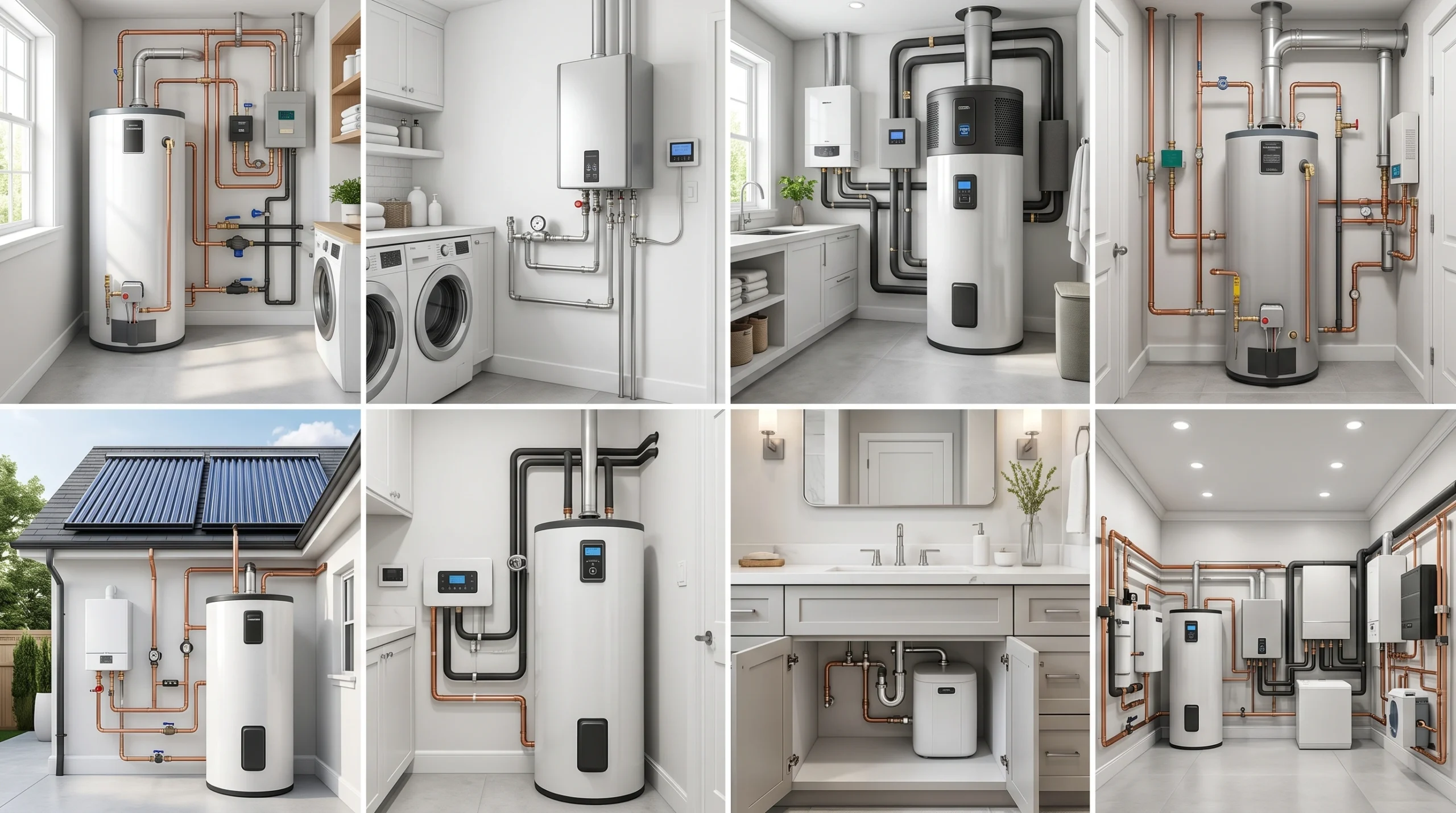
Storage tank water heaters represent the traditional foundational infrastructure for residential thermal management. These systems feature an insulated steel cylinder that holds a large volume of water at a constant temperature, using internal heating elements powered by gas or electricity. The continuous thermal reservoir ensures instant delivery across multiple active fixtures throughout the estate. This heavy, reliable configuration pairs naturally with large, multi-generational properties that prioritize consistent volume, matching the enduring utility celebrated in classic farmhouse kitchen ideas.

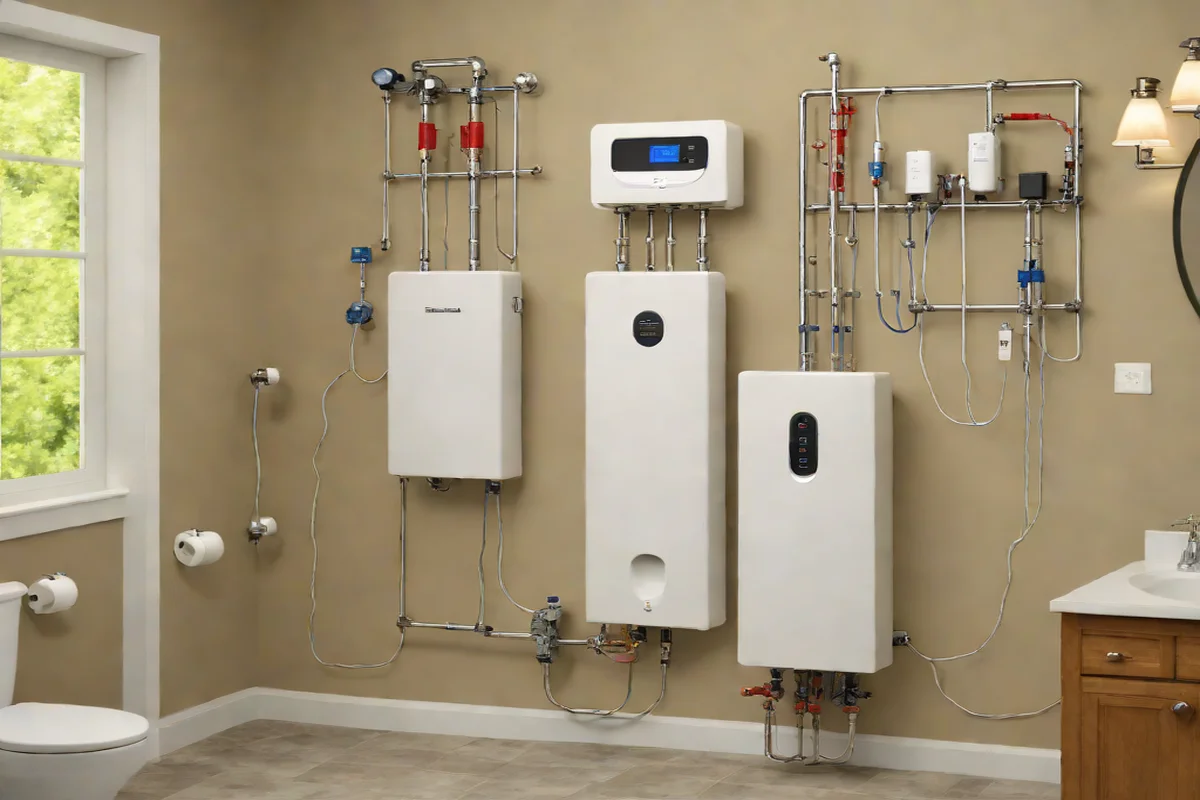
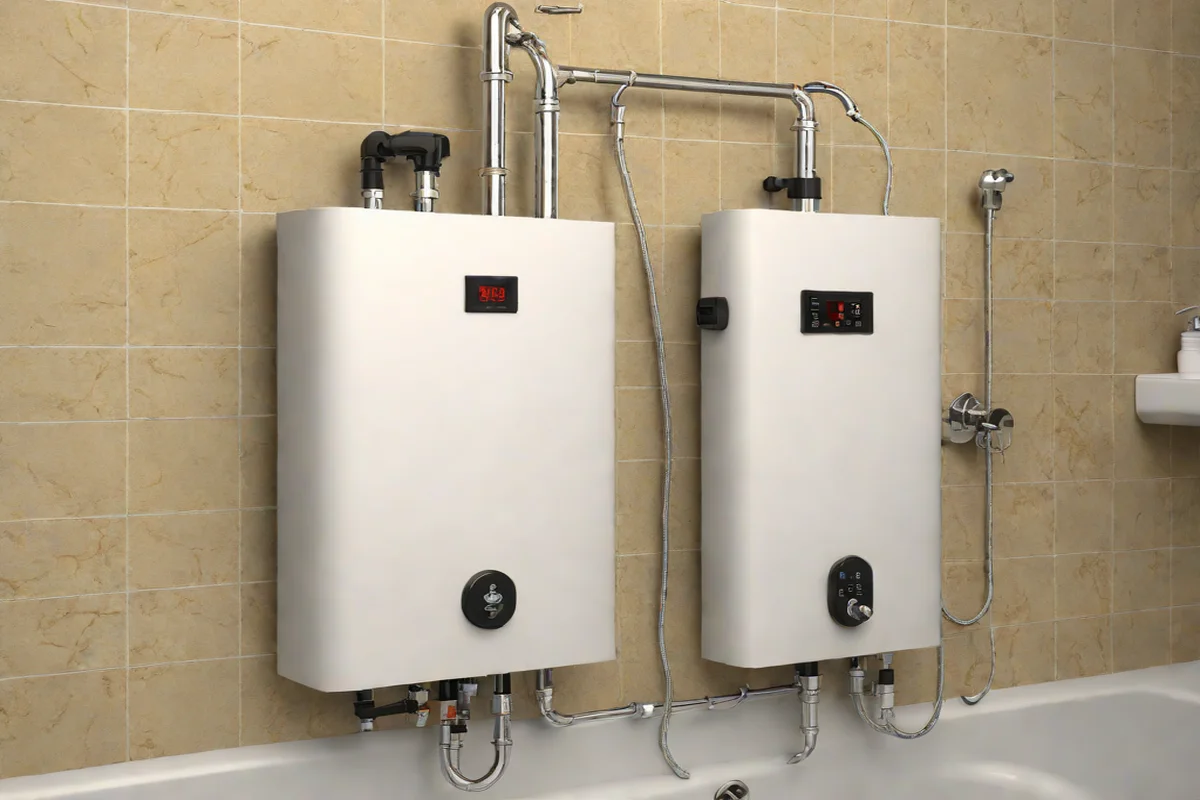
2. Whole-House Electric Tankless Systems

Whole-House Electric Tankless Systems - Types of Water Heaters
Whole-House Electric Tankless Systems – Types of Water Heaters

Whole-house electric tankless systems utilize high-powered heating elements to warm water instantly as it flows through the unit, eliminating the need for a bulky storage cylinder. This on-demand functionality offers an endless supply of hot water while lowering energy consumption by removing standby heat loss. The compact, wall-mounted footprint frees up valuable floor space, supporting sleek, contemporary residential layouts. This streamlined mechanical choice pairs beautifully with clean, high-performance environments, as discussed in our best electric tankless water heater reviews.

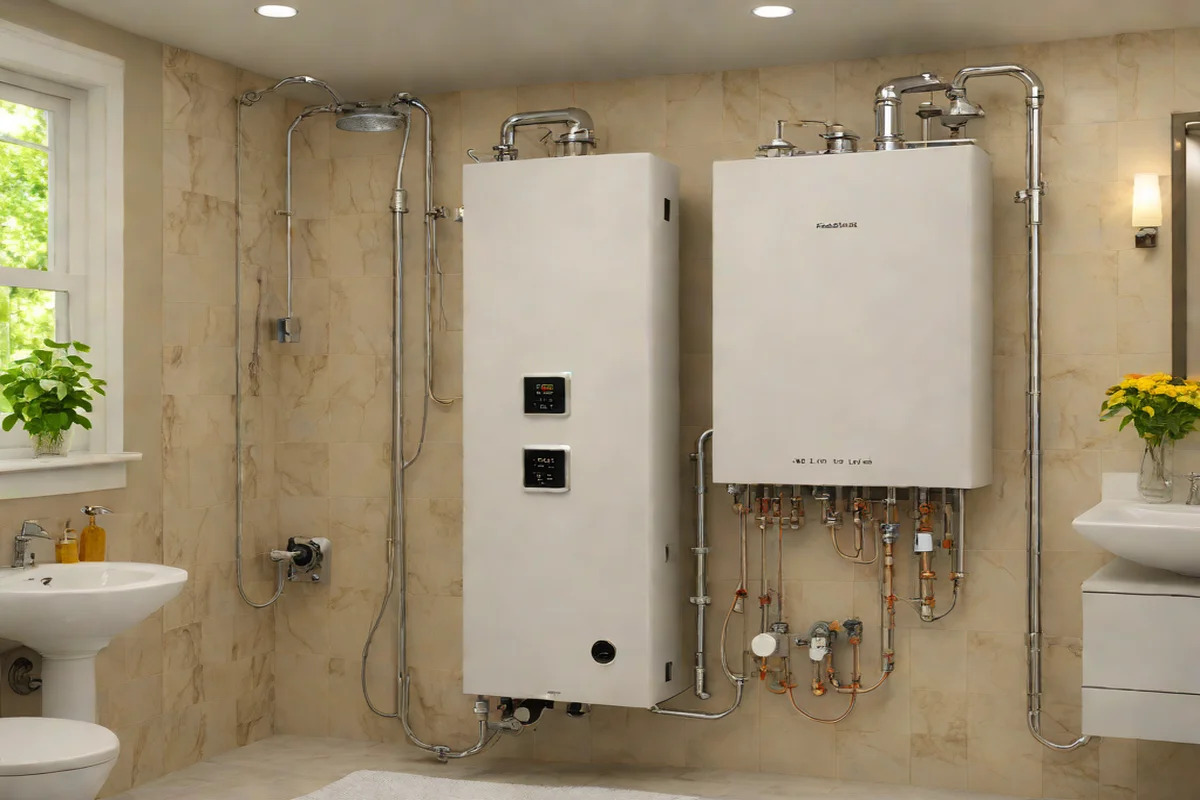
3. Whole-House Gas Tankless Systems

Whole-House Gas Tankless Systems - Types of Water Heaters
Whole-House Gas Tankless Systems – Types of Water Heaters

Gas-fired tankless water heaters utilize a powerful modulating gas burner and a highly efficient heat exchanger to provide instant, high-volume thermal delivery. These systems offer a significantly higher flow rate than electric tankless alternatives, making them ideal for large estates with high concurrent demands across luxury showers and commercial-grade kitchens. The advanced combustion engineering requires dedicated concentric venting through an exterior wall. This pro-grade mechanical installation brings an exceptional level of performance that aligns perfectly with a highly functional modern kitchen island layout.

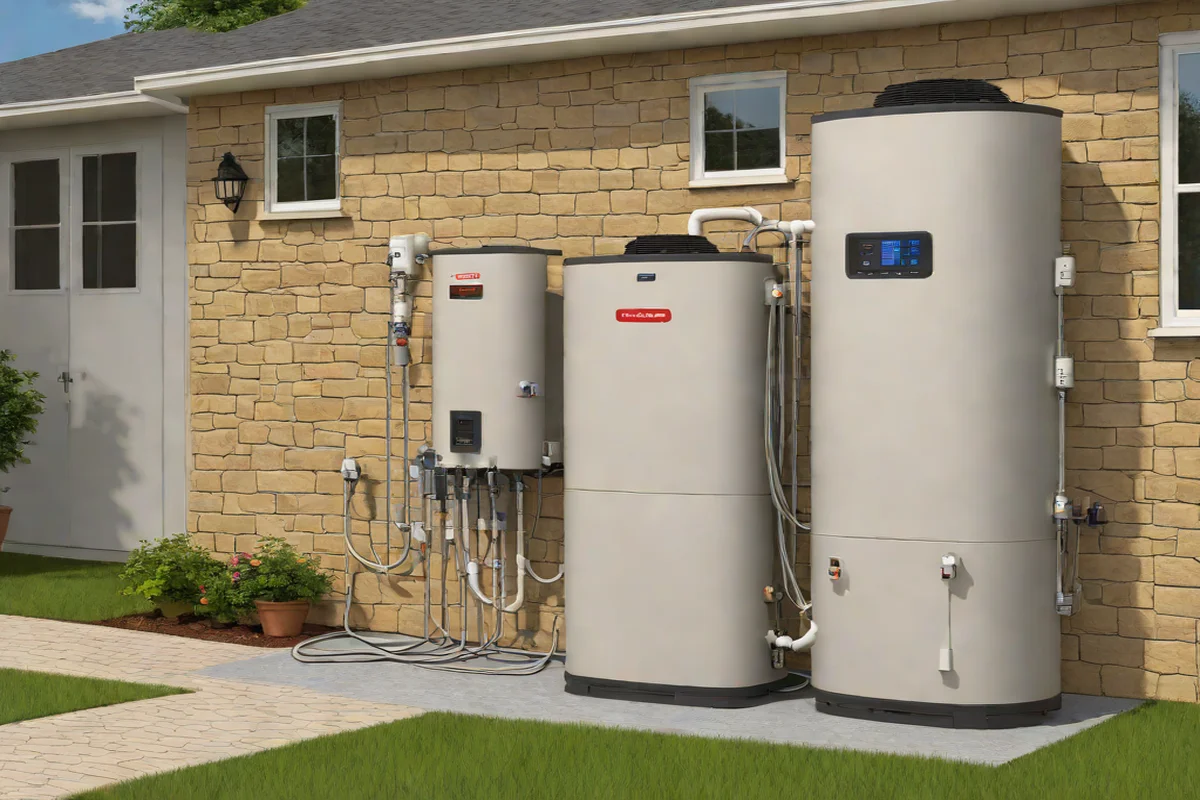
4. Hybrid Heat Pump Water Heaters

Hybrid Heat Pump Water Heaters - Types of Water Heaters
Hybrid Heat Pump Water Heaters – Types of Water Heaters

Hybrid heat pump systems represent a remarkable advancement in thermal efficiency by pulling ambient heat from the surrounding air and transferring it into an integrated storage tank. This thermodynamic process uses up to 70% less electricity than traditional resistance heating elements, significantly lowering the estate’s overall energy footprint. Because these units dehumidify and cool the surrounding air during operation, they require placement in spacious utility zones. This advanced environmental technology delivers long-lasting efficiency, a great consideration when planning a comprehensive kitchen remodel project.

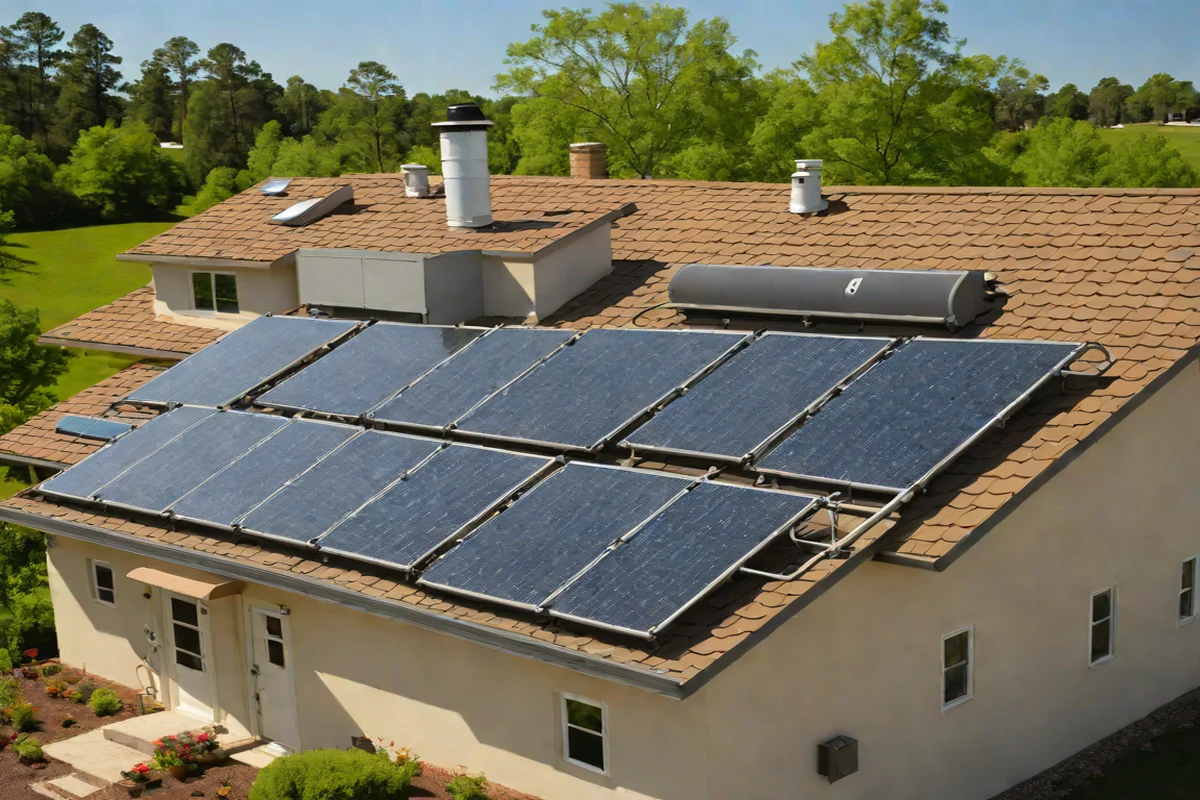
5. Solar Water Heating Systems

Solar Water Heating Systems - Types of Water Heaters
Solar Water Heating Systems – Types of Water Heaters

Solar water heaters harness renewable solar energy by circulating water or a heat-transfer fluid through rooftop collection panels. This pre-heated fluid then travels down into a specialized storage tank, where it passes its thermal energy to the home’s water supply, using an electric or gas backup burner only when sunlight is insufficient. This sustainable system reduces dependency on local utility grids while lowering environmental impact. The integration of rooftop panels and complex mechanical loops adds a wonderful layer of biophilic intelligence, matching a peaceful serene japandi design.

6. Condensing Gas Water Heaters

Condensing Gas Water Heaters - Types of Water Heaters
Condensing Gas Water Heaters – Types of Water Heaters

Condensing water heaters improve traditional gas combustion by capturing hot exhaust gases that are normally vented out of the home and routing them through a secondary heat exchanger. This secondary loop extracts latent heat from the flue moisture, pre-heating the incoming cold water and achieving exceptional energy efficiency ratings. This closed-loop design lowers operating costs and emissions, making it an excellent choice for eco-conscious homeowners. The clean, modern look of a condensing system fits naturally into high-performance homes, such as those styled around sophisticated black kitchen ideas.

7. Point-of-Use Electric Tankless Units

Point-of-Use Electric Tankless Units - Types of Water Heaters
Point-of-Use Electric Tankless Units – Types of Water Heaters

Point-of-use tankless units are compact, localized heaters designed to supply hot water to a single fixture, such as a remote wet bar, a pool house, or a guest suite. By installing these miniature units directly under a sink basin, you eliminate the thermal lag and water waste caused by running long pipe lines from a central heater. This localized approach maximizes spatial efficiency and utility flow in remote zones of the property. This smart spatial planning supports a clean, efficient environment, mirroring the design principles found in modern bathroom ideas.

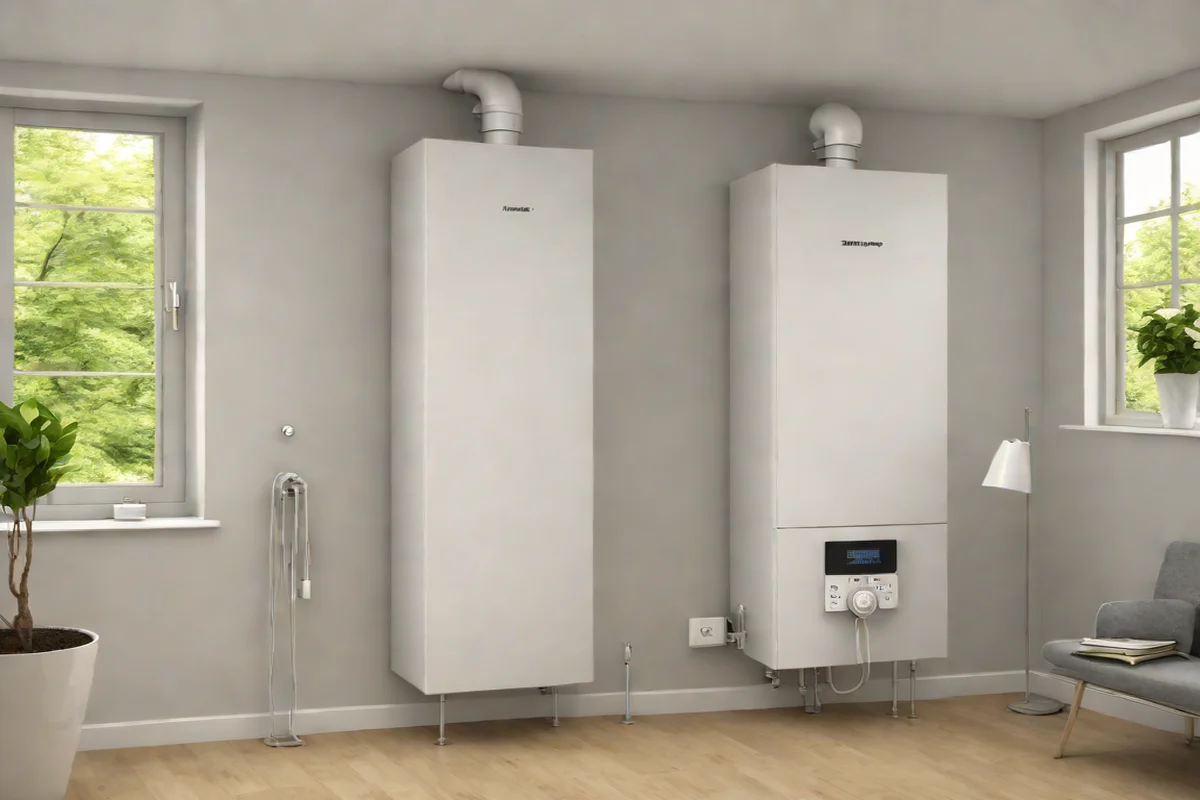
8. Combination Boiler Systems (Combi-Boilers)

Combination Boiler Systems (Combi-Boilers) - Types of Water Heaters
Combination Boiler Systems (Combi-Boilers) – Types of Water Heaters

Combination boilers are highly efficient, dual-purpose appliances that manage both hydronic space heating and on-demand domestic hot water from a single wall-mounted unit. A combi-boiler eliminates the need for a separate central furnace and a freestanding water heater, streamlining your home’s mechanical room footprint. This integrated approach to climate and water control ensures maximum energy optimization and reliable performance across the seasons. This cohesive mechanical integration beautifully complements the clean lines and advanced engineering showcased in luxurious modern kitchen designs.

9. Indirect Water Heaters

Indirect Water Heaters - Types of Water Heaters
Indirect Water Heaters – Types of Water Heaters

Indirect water heaters utilize the main home heating boiler or furnace to warm domestic water by circulating hot fluid through an internal heat exchanger coil inside a separate storage tank. Because this setup treats the water heater as an additional heating zone powered by the central boiler, it operates with exceptional efficiency during cold winter months. The lack of a dedicated gas burner or electric element reduces mechanical complexity and maintenance requirements. This reliable setup brings a comfortable utility to the home, pairing naturally with a cozy rustic kitchen retreat.

10. Thermoelectric Water Heaters

Thermoelectric Water Heaters - Types of Water Heaters
Thermoelectric Water Heaters – Types of Water Heaters

Thermoelectric heaters utilize the Seebeck effect, using solid-state semiconductor materials to transfer heat between electric currents and water channels without any moving parts. This cutting-edge technology operates completely silently, eliminates mechanical vibrations, and features an incredibly long operational lifespan. While typically limited to low-flow or specialized residential spaces, their compact design offers an elegant solution for precise thermal management. Organizing your home with these advanced systems supports a clean workflow, much like utilizing clever kitchen storage ideas to keep everything running smoothly.

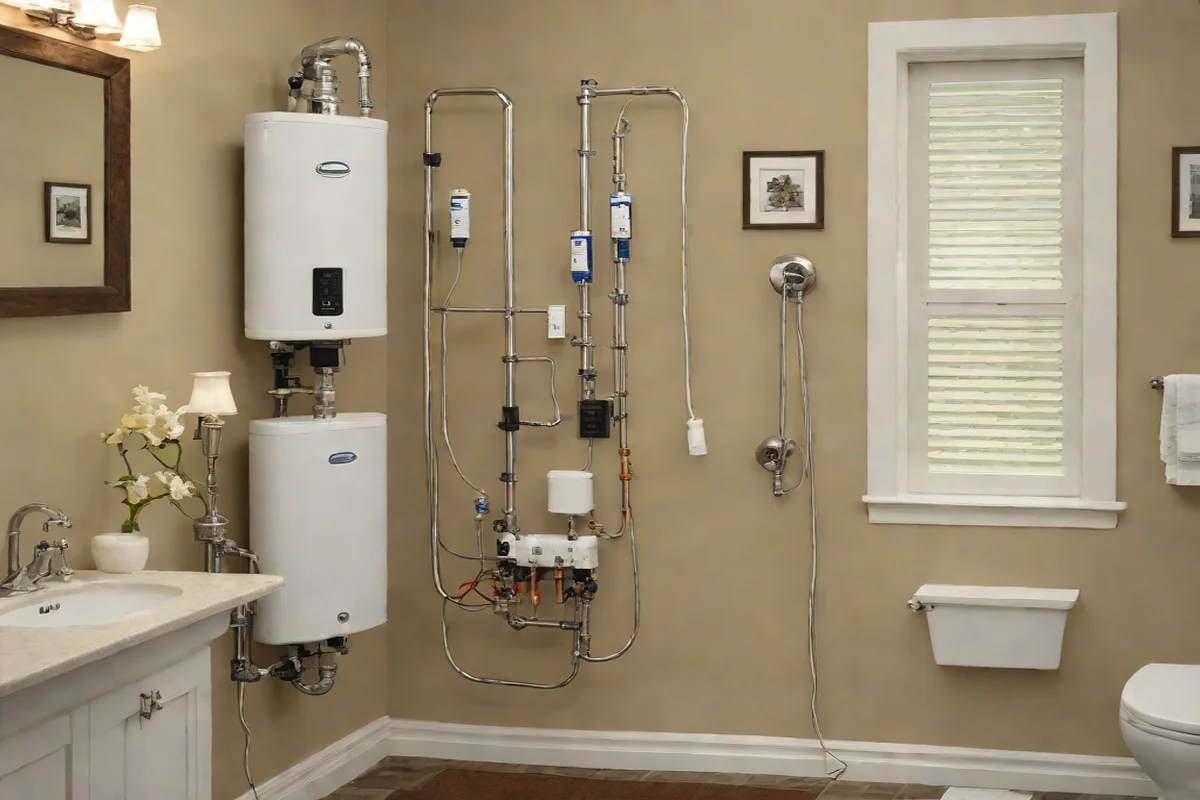
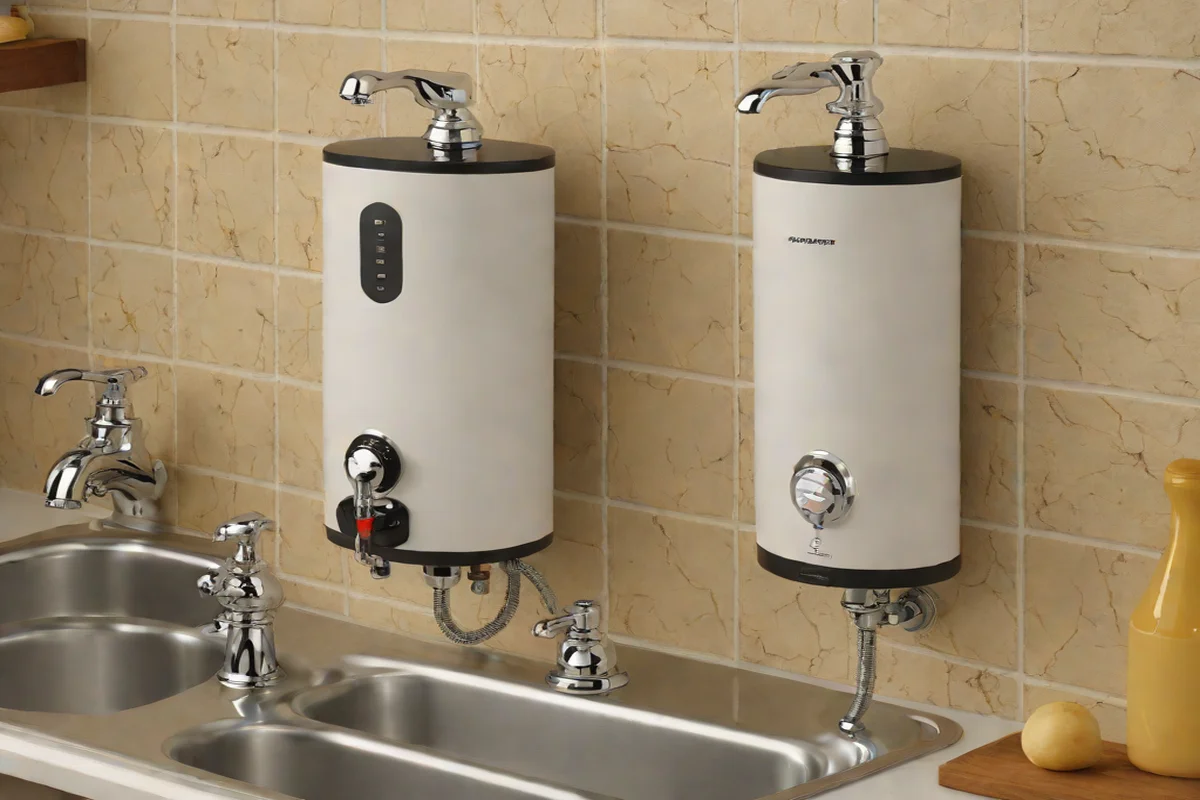
11. Point-of-Use Mini-Tank Water Heaters

Point-of-Use Mini-Tank Water Heaters - Types of Water Heaters
Point-of-Use Mini-Tank Water Heaters – Types of Water Heaters

Mini-tank water heaters store a small reservoir of pre-heated water—typically two to eight gallons—directly beneath a specific kitchen or bathroom countertop. This miniature tank ensures instant hot water delivery the moment the faucet is turned on, filling the gap before water from a distant central heater can arrive. This localized reservoir eliminates initial water waste and reduces delays during fast-paced tasks.

12. Direct-Fired Sidearm Water Heaters

Direct-Fired Sidearm Water Heaters - Types of Water Heaters
Direct-Fired Sidearm Water Heaters – Types of Water Heaters

Commonly paired with outdoor wood furnaces or biomass boilers, sidearm heaters use a high-efficiency coaxial heat exchanger installed parallel to the storage tank. As hot water from the external furnace flows through the outer sleeve of the sidearm, it naturally heats the domestic water passing through the inner tube via convection. This design provides continuous hot water without requiring extra electricity or fuel.

13. Integrated Geothermal Water Heaters

Integrated Geothermal Water Heaters - Types of Water Heaters
Integrated Geothermal Water Heaters – Types of Water Heaters

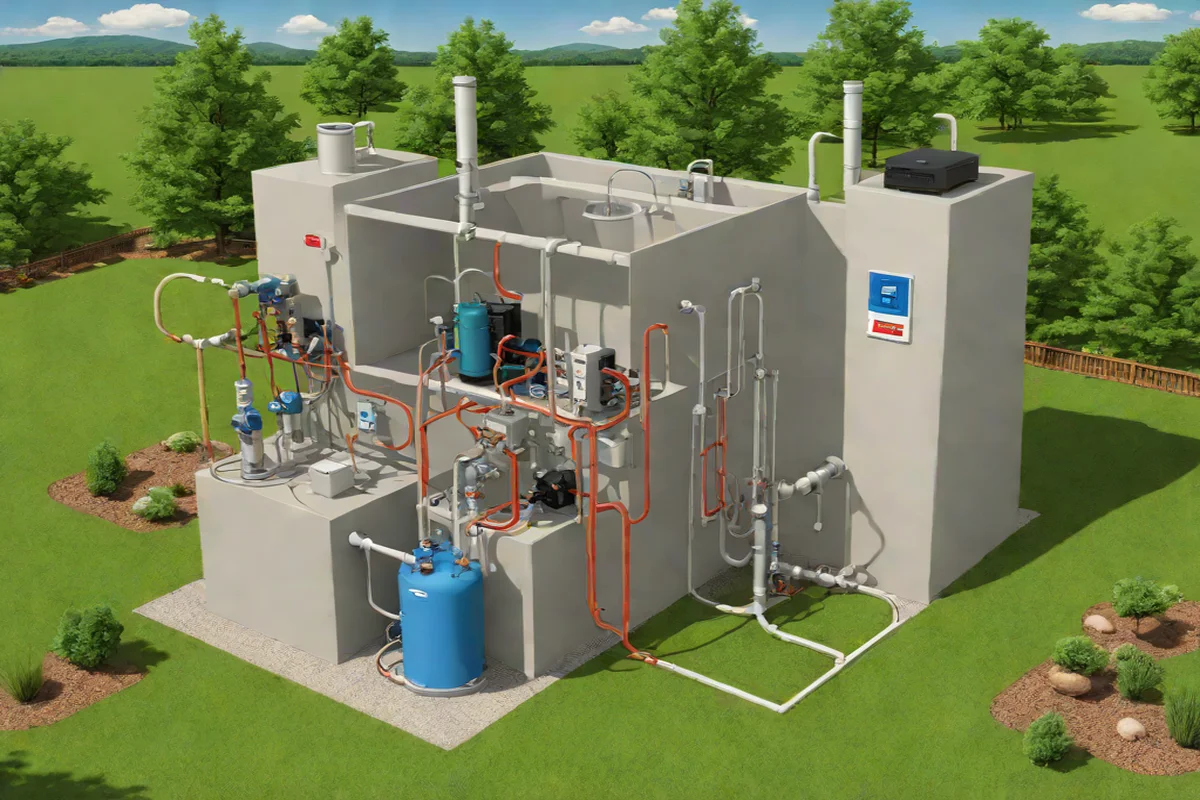
Geothermal water heating loops connect directly to residential geothermal heat pump systems, using the stable temperature of the earth to manage indoor climate and water temperatures. By adding a specialized component known as a desuperheater, the system captures excess heat generated during the air conditioning cycle and routes it to warm your domestic water for free. This sustainable engineering provides outstanding energy efficiency year-round.

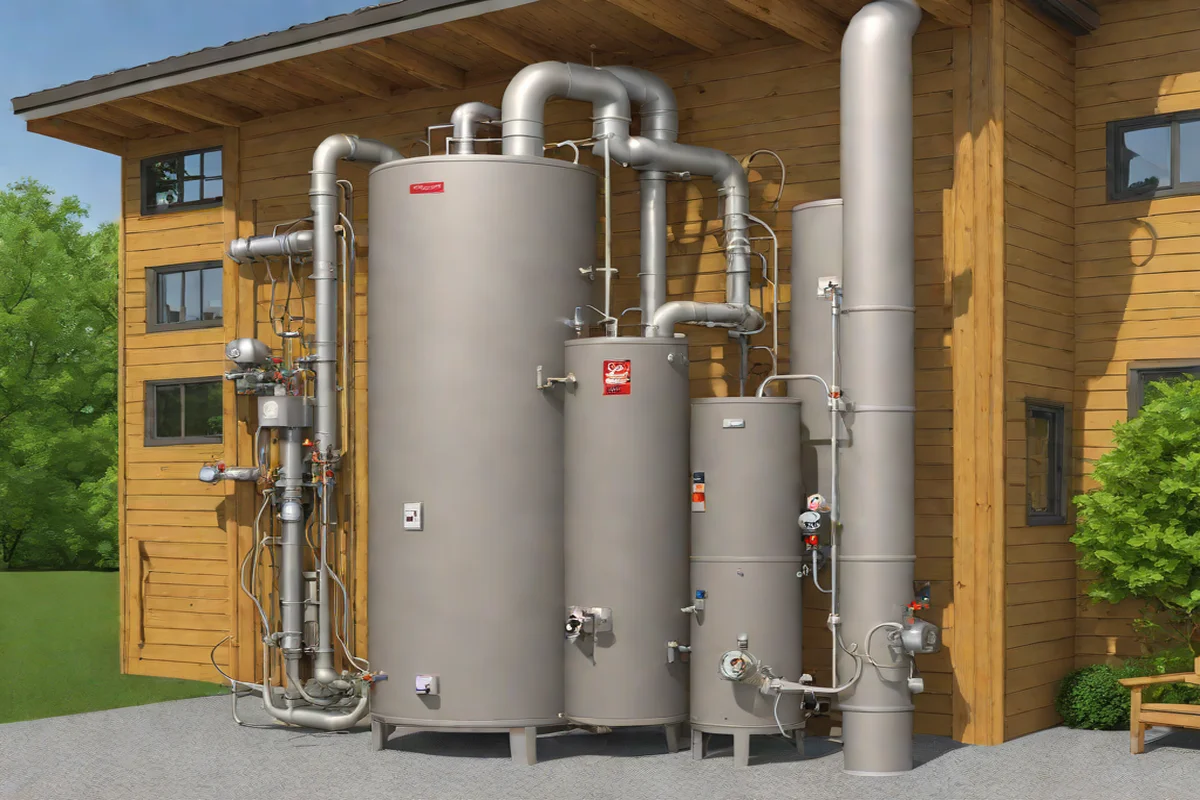
14. High-Output Commercial-Grade Water Heaters

High-Output Commercial-Grade Water Heaters - Types of Water Heaters
High-Output Commercial-Grade Water Heaters – Types of Water Heaters

Engineered for sprawling estates with expansive spa facilities, multiple laundry rooms, and extensive hospitality wings, commercial-grade heaters deliver exceptional recovery rates and thermal power. These heavy-duty systems feature thick copper heat exchangers and advanced multi-stage burners designed to handle continuous, high-volume water demands without dropping delivery temperatures.

15. Smart-Grid Connected Water Heaters

Smart-Grid Connected Water Heaters - Types of Water Heaters
Smart-Grid Connected Water Heaters – Types of Water Heaters

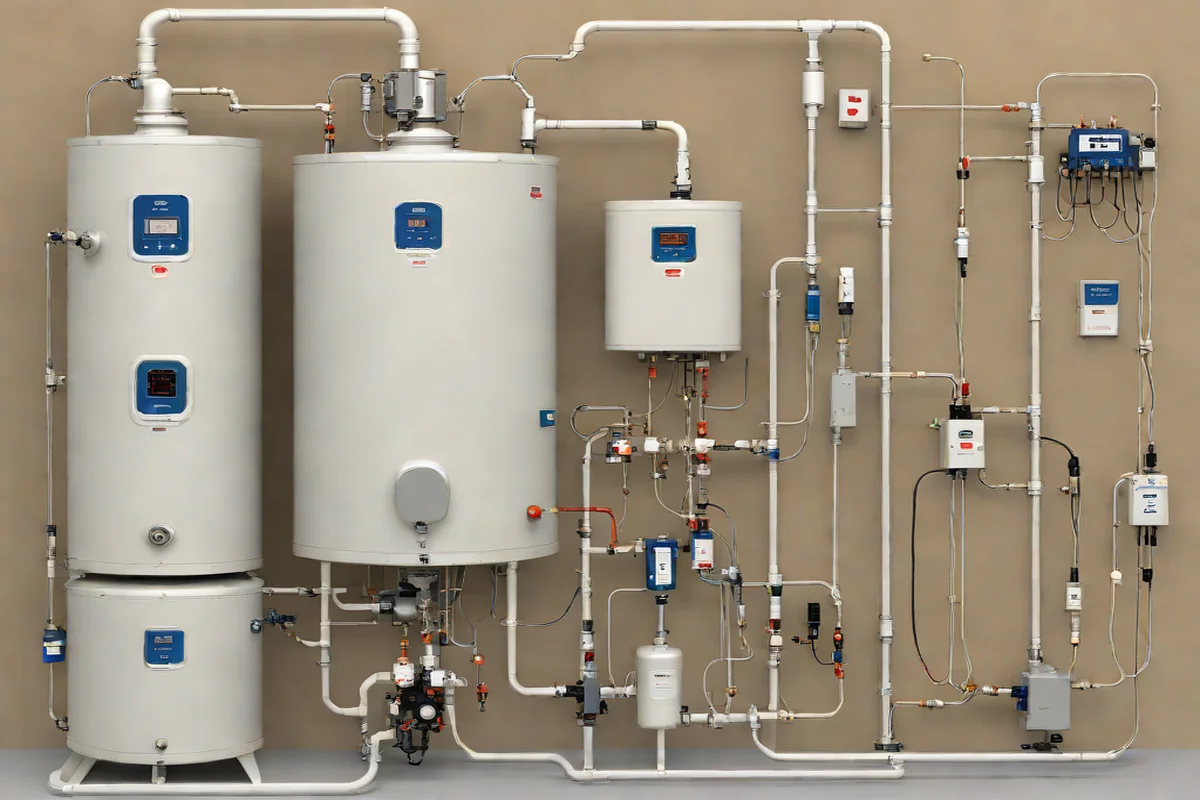
Smart-grid connected water heaters feature integrated Wi-Fi controllers and electronic monitoring systems that communicate directly with local power utility grids. These smart units automatically adjust their heating cycles to operate during off-peak energy hours when electricity rates are lowest, storing thermal energy in the water tank for later use. This automated energy optimization lowers operating costs while ensuring a reliable hot water supply.


Frequently Asked Questions

What is the primary operational difference between tankless and storage tank water heaters?

Storage tank heaters store a large volume of water at a constant temperature inside an insulated cylinder, using energy continuously to maintain that heat. Tankless heaters eliminate the storage tank entirely, using powerful electric elements or gas burners to heat water instantly only when a hot water faucet is turned on.

How long does a standard residential water heater typically last before needing replacement?

A traditional storage tank water heater generally offers an operational lifespan of eight to twelve years, depending on water quality and maintenance habits. In contrast, premium tankless water heaters feature modular components that are easier to service, allowing them to last for twenty years or more.

Why is it necessary to flush a storage tank water heater annually?

Over time, natural minerals like calcium and magnesium settle out of the water and form a thick layer of sediment at the bottom of the tank. This sediment creates a thermal barrier over gas burners or buries electric elements, causing the heater to run longer, overheat, and degrade the steel tank prematurely. Can a tankless water heater supply hot water to multiple major appliances at the same time? Yes, but its ability to do so depends entirely on the unit’s flow rate, measured in gallons per minute (GPM). If the total concurrent demand from a shower, a dishwasher, and a washing machine exceeds the unit’s GPM capacity, the water temperature will drop, which can be resolved by installing a larger unit or multiple localized heaters. Curation and Explore Your Entire Home Layout Ready to expand these high-performance design and styling strategies across the other active thresholds of your estate? We invite you to continue your design journey by exploring our comprehensive structural chronicles and expert lifestyle manuals across the entire USA Home Bloom Platform. Dive into our meticulously curated digital gallery to unlock advanced space-saving secrets, pro-grade color curation strategies, and expert home optimization rubrics that allow your home’s natural paths and your own personal clarity to truly bloom!

Similar Posts

Leave a Reply

Your email address will not be published. Required fields are marked *