1. Add Seating to Turn Your Island into a Daily Use Spot
Why your kitchen island often feels unused
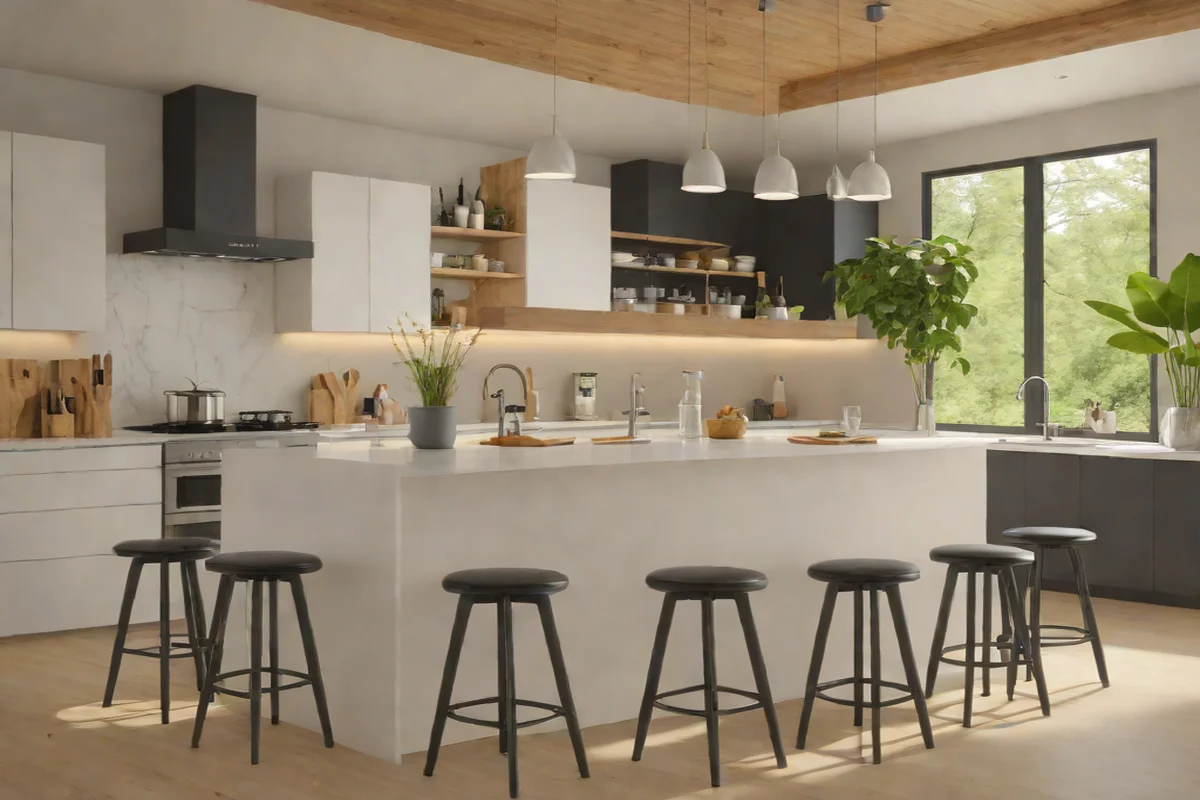
In many U.S. homes, especially apartments in cities like Chicago or Houston, kitchen islands are built without seating. They look clean, but they don’t support daily habits. People end up using dining tables or standing around instead of gathering at the island. This creates a disconnect in the kitchen. The island becomes just a surface, not a place where people sit, talk, or spend time. Over time, it turns into a space that looks good but adds very little function to everyday life.
How to make seating actually work in your layout
Adding seating starts with creating enough overhang on the island surface. Even a small extension allows room for knees and makes sitting feel natural. Pair this with slim stools that slide under the counter so they don’t block movement. In smaller kitchens, spacing matters more than design. Keep the seating area compact and aligned with traffic flow. This way, the island becomes part of daily use without making the space feel crowded or hard to move through.
2. Use Deep Drawers Instead of Basic Cabinets
Why storage inside islands feels frustrating
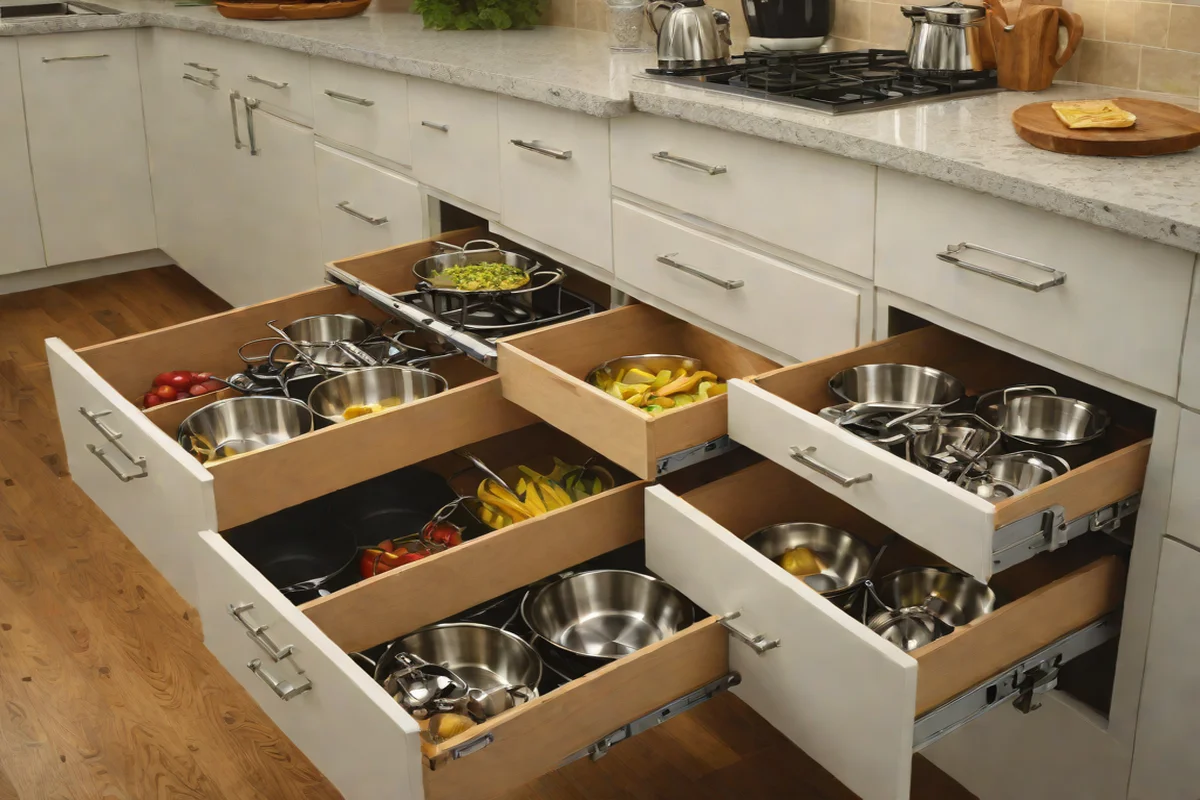
Standard cabinets inside kitchen islands often waste space. Items get stacked on top of each other, and you have to bend down and search for what you need. This becomes a daily annoyance, especially in busy kitchens. In smaller homes, where every inch matters, this poor storage design leads to clutter. People start placing items on countertops because accessing cabinets feels inconvenient. Over time, the kitchen loses its clean and organized look.
How drawers improve access and organization
Deep drawers allow you to pull everything out in one motion. Instead of reaching inside a dark cabinet, you can see all items at once. This works especially well for pots, pans, and larger kitchen tools. You can also divide drawers into sections, making it easier to assign space for different items. This creates a system that feels natural to use, helping the kitchen stay organized without extra effort.
3. Keep the Island Narrow in Small Kitchens
Why oversized islands create daily problems
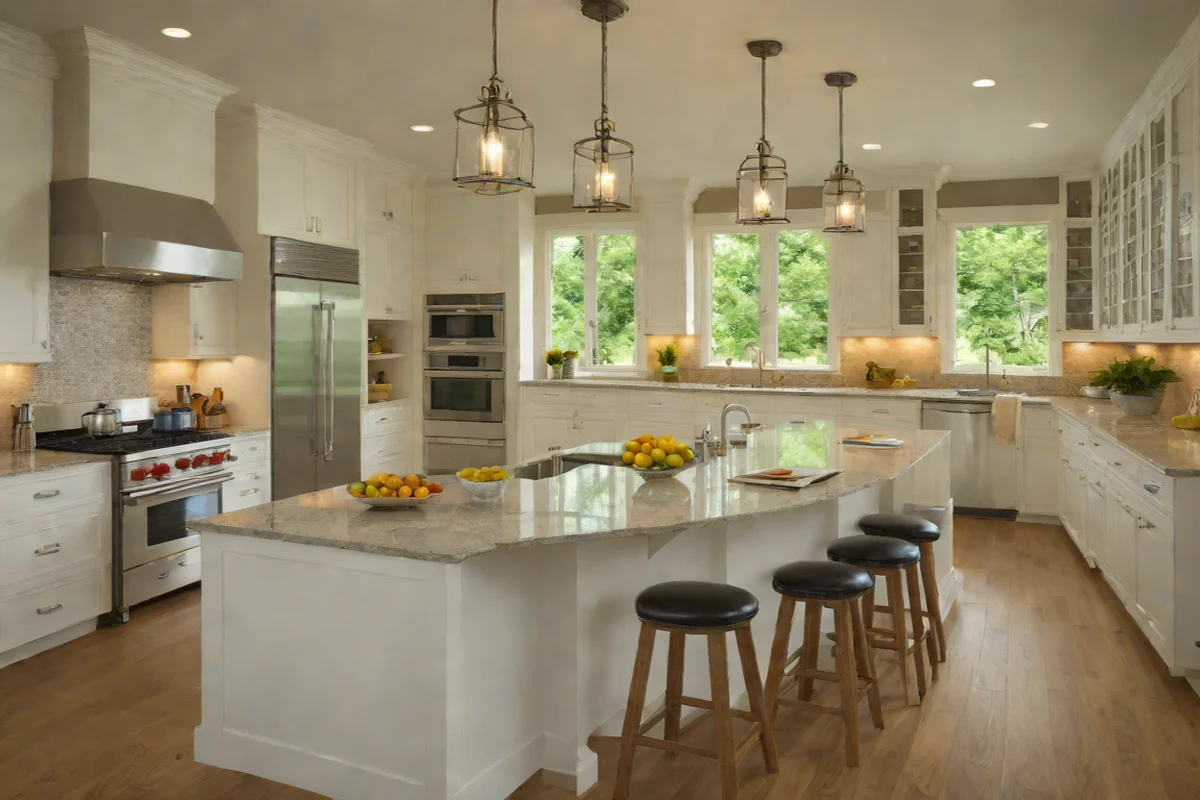
Large islands may look impressive, but they often disrupt movement in smaller kitchens. In apartments or compact suburban homes, they block walking paths and make cooking feel stressful. When space gets tight, even simple tasks like opening drawers or moving between counters become difficult. This reduces efficiency and makes the kitchen feel smaller than it actually is.
How to size the island for better flow
A narrow island keeps the space open while still adding function. The goal is to leave enough room around it so people can move freely without bumping into edges or furniture. You can also adjust the length instead of the width. A longer but slimmer island provides surface area without taking over the room. This balance keeps both usability and comfort intact.
4. Add Built-In Trash Storage Inside the Island
Why visible trash disrupts kitchen design
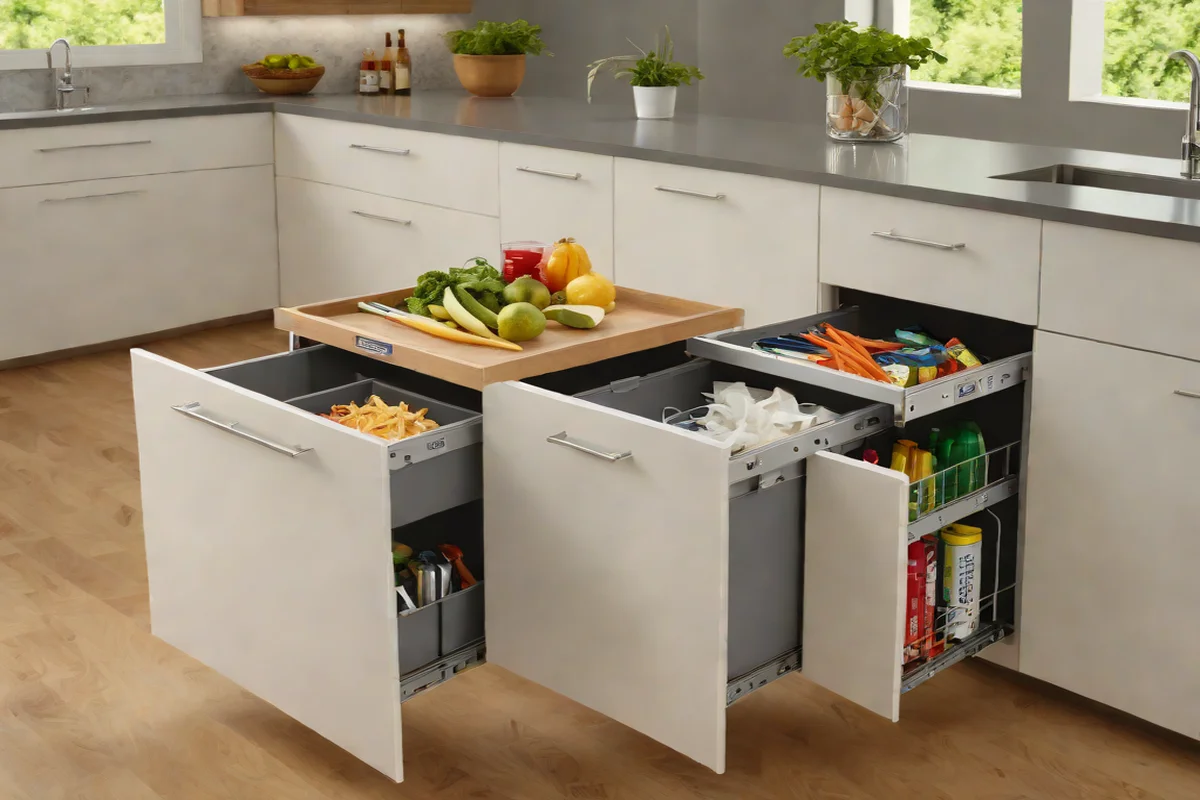
Trash bins often sit outside cabinets, especially in older kitchen layouts. This breaks the visual flow and makes the space feel messy, even when everything else is clean. It also creates inconvenience. You have to move around the kitchen to throw things away, which slows down cooking and cleanup. Over time, this small issue affects how smoothly the kitchen works.
How to hide trash without losing access
A pull-out trash system inside the island keeps everything hidden but easy to reach. You can place it near your main prep area so waste disposal becomes part of your workflow. This setup keeps the kitchen looking clean while improving function. It also helps maintain hygiene by keeping trash enclosed and out of sight.
5. Use a Waterfall Countertop for a Cleaner Look
Why some islands feel visually incomplete
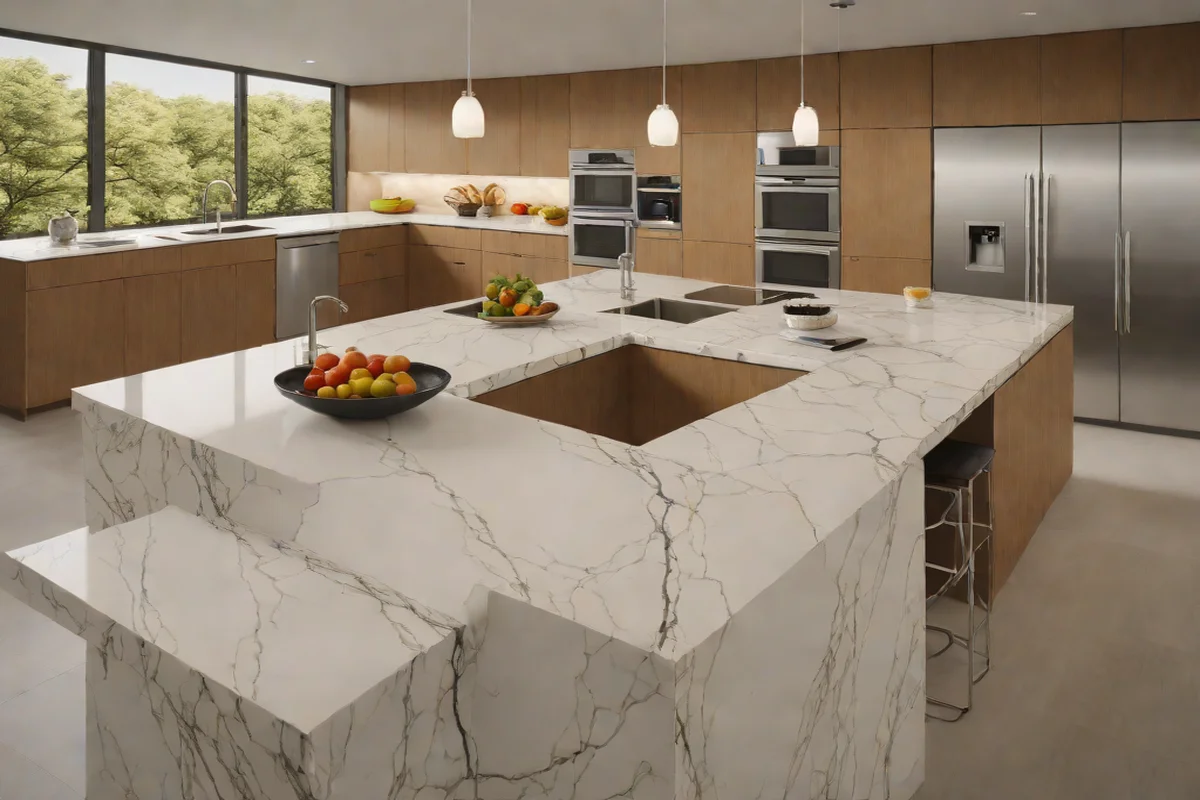
Many kitchen islands have basic edges that stop at the surface. This creates a flat and unfinished look, especially in modern kitchens where clean lines matter. The lack of continuity in materials can make the island feel disconnected from the rest of the design. It doesn’t stand out or add visual value to the space.
How a waterfall edge improves design
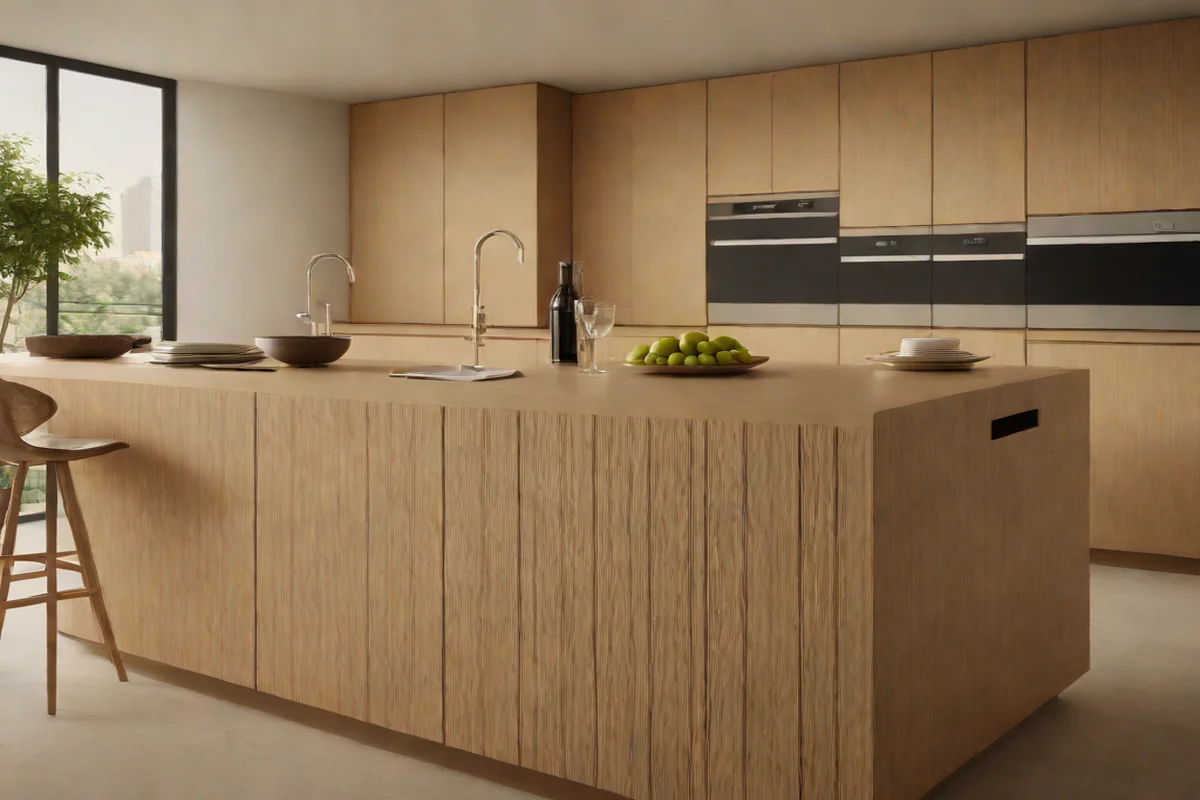
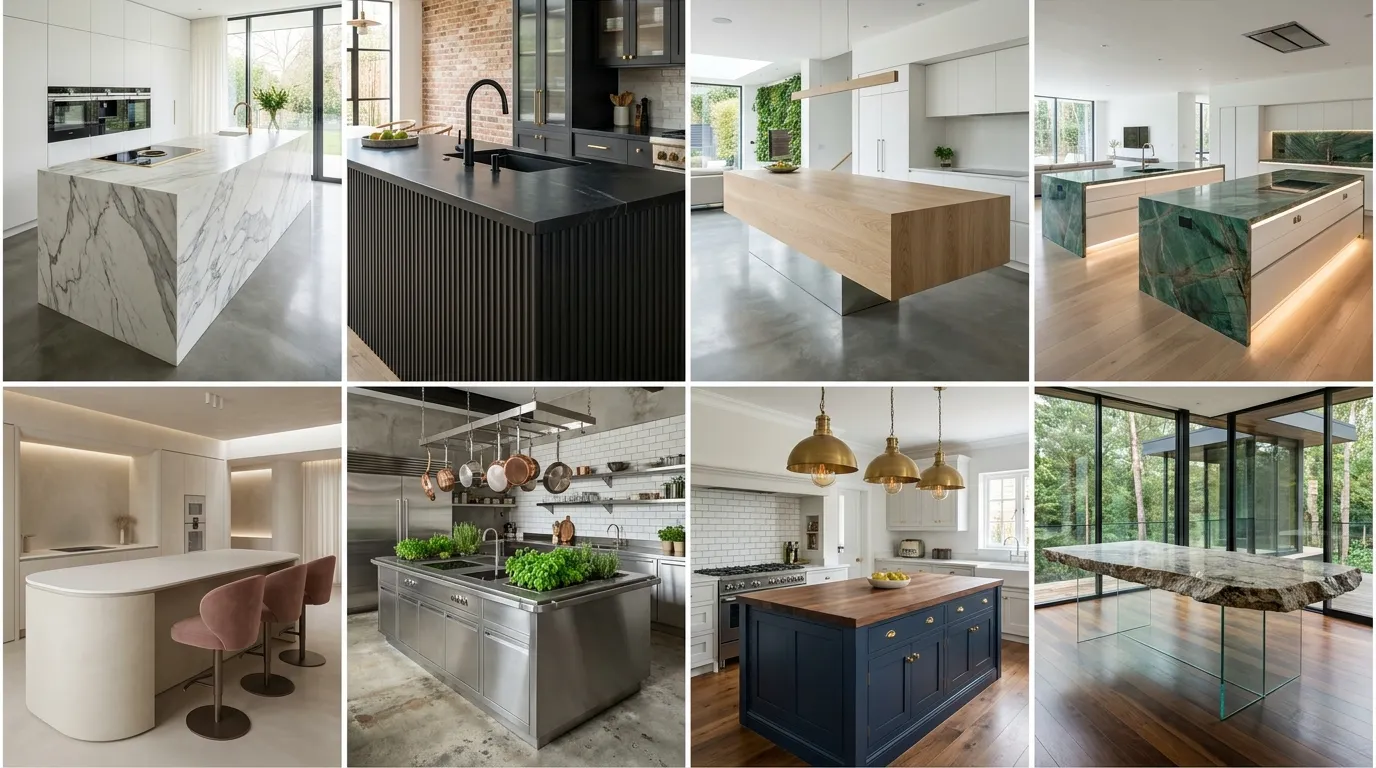
A waterfall countertop extends the surface material down the sides of the island. This creates a continuous flow that looks clean and structured. It also adds a strong visual anchor to the kitchen. Even simple materials look more refined when used this way, making the island feel intentional and well-designed.
6. Add Open Shelving for Everyday Items

Why closed storage slows down daily use
When everything is behind cabinet doors, you spend more time opening and closing them throughout the day. This may seem small, but it adds friction to everyday tasks. It also limits quick access to frequently used items. People often leave things out on counters because putting them away feels inconvenient.
How open shelving improves access
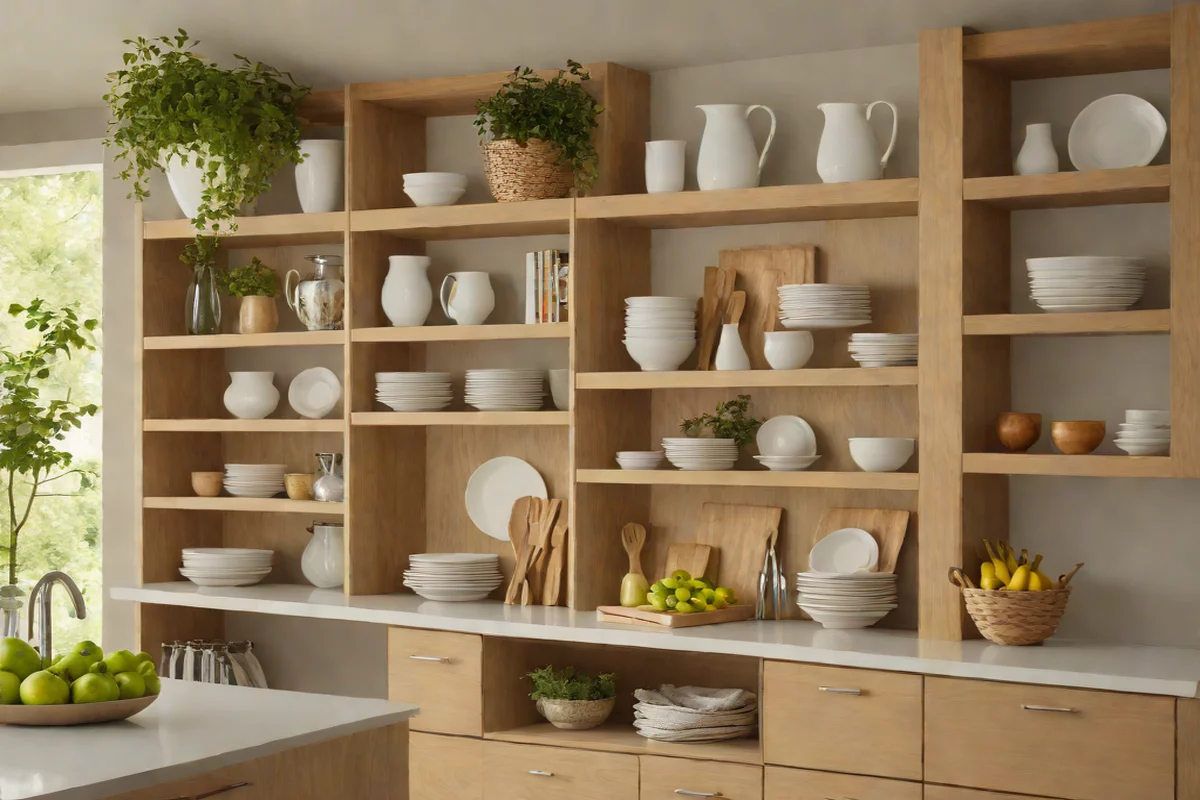
Open shelves on the side of the island allow you to grab items quickly. This works well for dishes, bowls, or cookbooks that you use often. By keeping only essential items on display, you maintain a clean look while improving usability. It creates a balance between accessibility and organization.
7. Use Two-Tone Colors to Add Depth

Why single-color kitchens start to feel flat over time
When everything in your kitchen follows one color, the space begins to lose definition. This happens a lot in modern homes where white or grey dominates the entire layout. At first it looks clean, but over time it starts to feel plain and repetitive. In smaller kitchens, this effect becomes even stronger. Without contrast, your island blends into the background instead of standing out. The space feels less dynamic, and nothing draws attention or creates visual balance.
How to use contrast without making the space feel busy
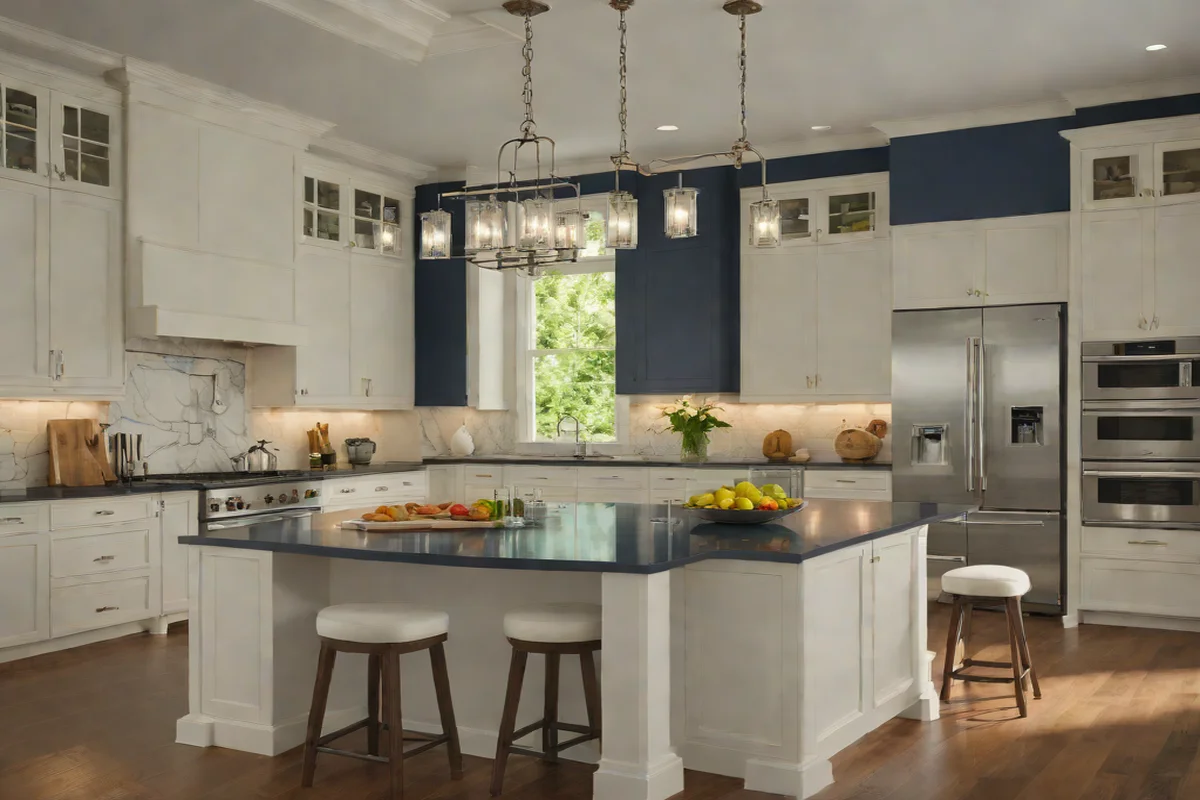
The easiest way to fix this is by giving your island a different tone than the surrounding cabinets. A darker base paired with lighter upper cabinets creates a clear visual break without overwhelming the space. You can also keep the colors within the same family to maintain harmony. For example, a soft grey island with white cabinets still feels cohesive but adds enough variation to make the design more interesting.
8. Add Pendant Lighting for Better Focus
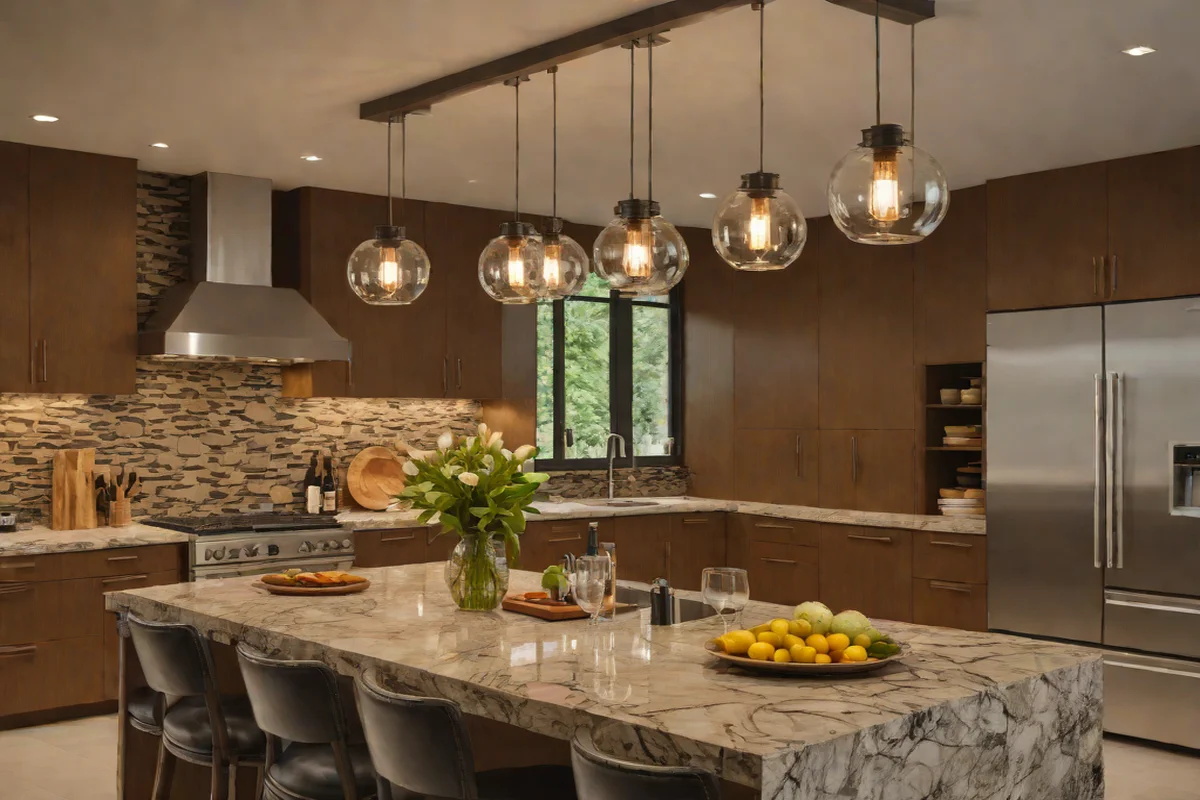
Why your kitchen feels dull in the evening
Overhead lighting spreads light evenly, but it often fails to highlight key areas like the island. At night, this makes the kitchen feel flat and less inviting, especially if there is no layered lighting. This is common in many U.S. homes where a single ceiling fixture is expected to light the entire space. The result is a kitchen that works during the day but lacks warmth and focus after sunset.
How to create a focused and inviting lighting setup
Pendant lights placed directly above the island solve this issue by creating a dedicated light zone. They bring attention to the island and make it feel like the center of the kitchen. Choosing warm-toned bulbs helps soften the atmosphere. It changes how the space feels in the evening, making it more comfortable for both cooking and casual gatherings.
9. Use the Island as a Dedicated Prep Zone
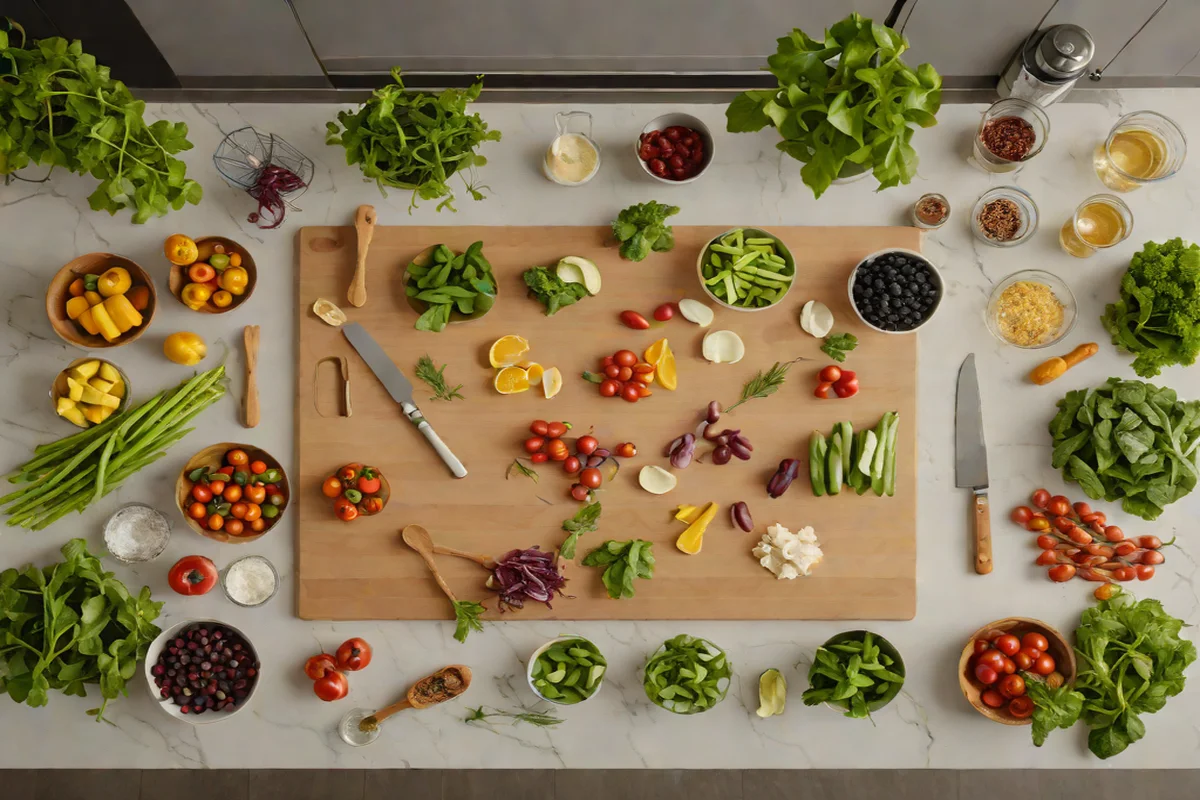
Why your cooking workflow feels scattered
When prep space is not clearly defined, cooking becomes inefficient. You move between different counters, carrying ingredients and tools back and forth. This slows everything down and creates unnecessary clutter. In smaller kitchens, this problem becomes more noticeable. Limited counter space forces you to constantly shift your work area, which makes cooking feel more stressful than it should be.
How to create a clear and efficient prep area
Using the island as your main prep zone helps centralize your workflow. You can keep your tools, ingredients, and cutting space all in one place, reducing movement across the kitchen. Over time, this creates a natural rhythm while cooking. Tasks feel smoother, and the kitchen becomes easier to use on a daily basis.
10. Add Electrical Outlets to Improve Functionality
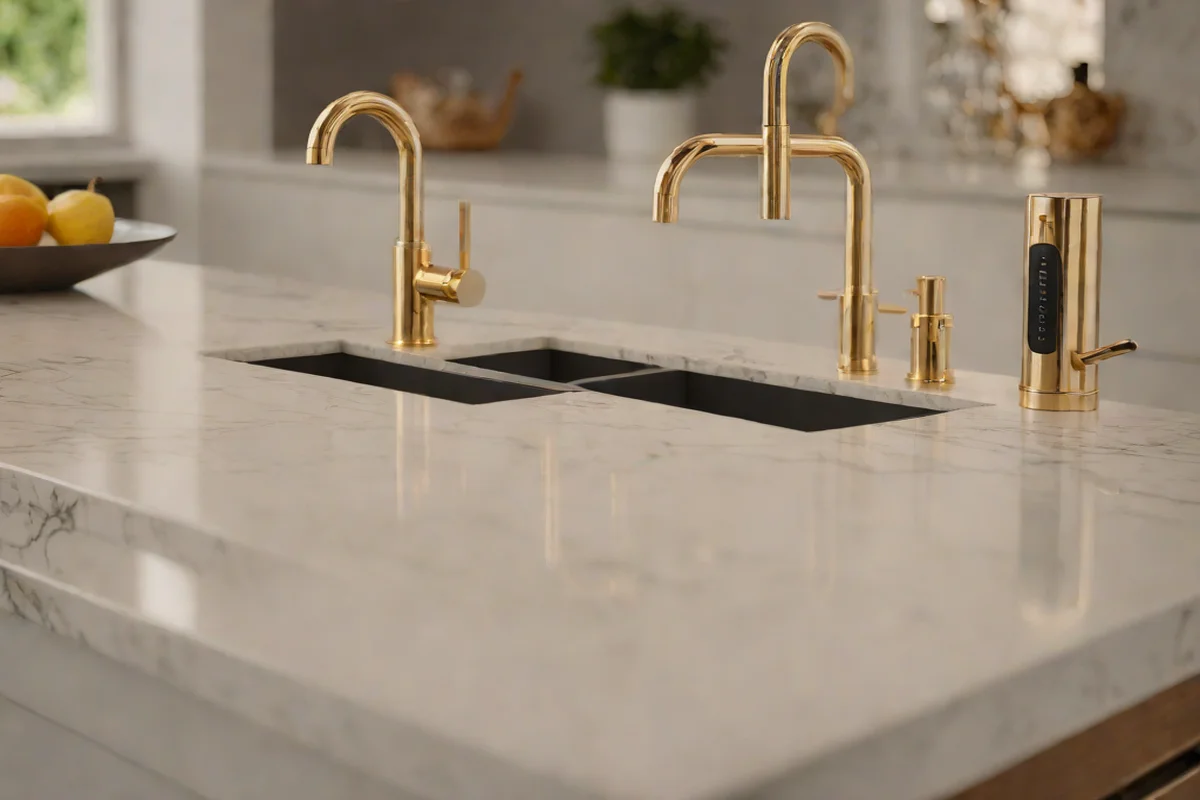
Why your kitchen setup feels limited
Without outlets on the island, you are forced to rely on wall spaces for appliances. This limits where you can work and often leads to crowded countertops in certain areas. It also reduces flexibility. You cannot easily use mixers, blenders, or small appliances where it makes the most sense, which affects how efficiently you use your kitchen.
How to make your island more practical
Installing outlets on the side of the island gives you access to power exactly where you need it. This allows you to use appliances without rearranging your entire setup. It also supports modern needs like charging devices or using kitchen gadgets. This small upgrade makes the island far more functional in everyday use.
11. Use Light Colors to Make Small Kitchens Feel Bigger
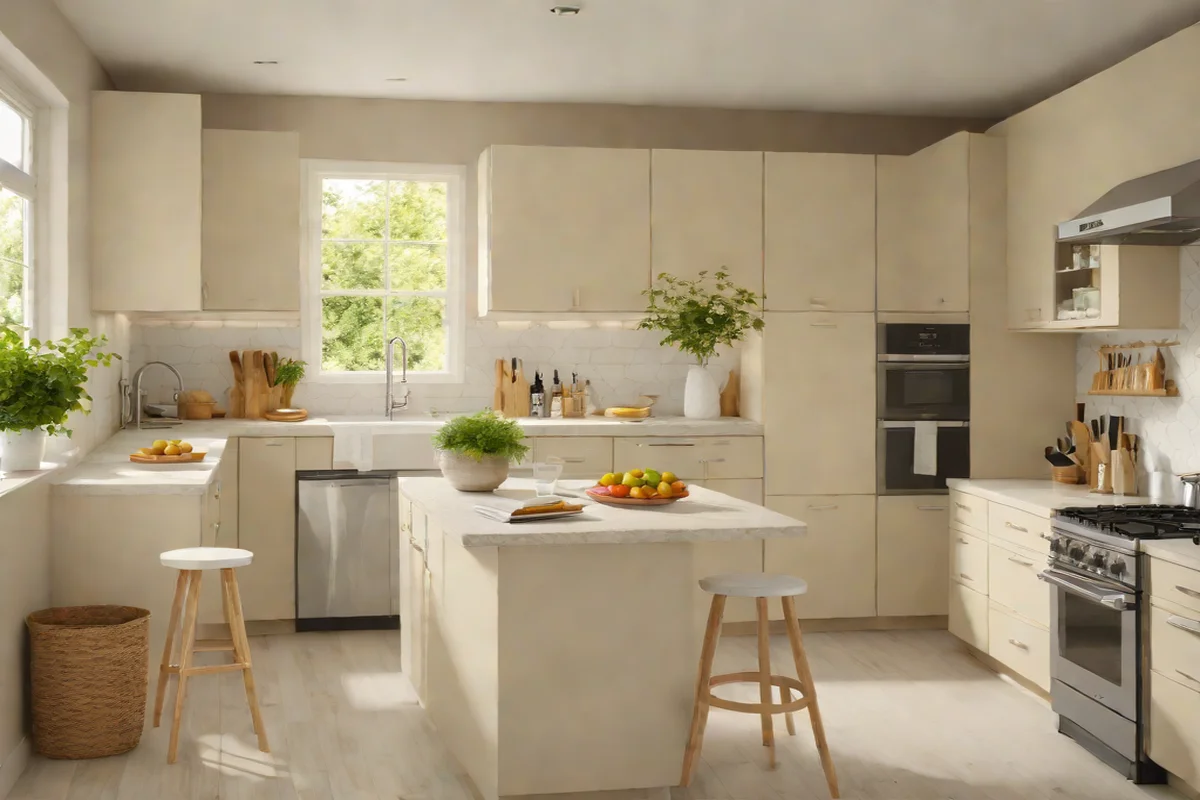
Why darker tones make the space feel tight
Dark-colored islands absorb light, which can make smaller kitchens feel more enclosed. This effect is stronger in homes that already have limited natural light. Even if the layout is good, the space can still feel cramped because the color scheme reduces brightness and openness.
How to use light tones to open up the space
Lighter colors reflect light and help the kitchen feel more open. Shades like white, beige, or soft grey create a brighter environment and improve visual space. This approach works especially well in apartments or compact homes. It makes the kitchen feel less crowded without changing the layout.
12. Add Texture to Break Flat Surfaces

Why modern kitchens can feel too plain
Many modern kitchens focus on smooth finishes and clean lines. While this creates a neat look, it can also remove depth and character from the space. Over time, the kitchen may start to feel lifeless because everything looks too uniform and lacks variation.
How to introduce texture without overcomplicating the design
Adding materials like wood or stone to the island creates visual contrast. These textures bring warmth and make the space feel more balanced. You do not need to mix too many elements. Even one textured surface on the island can change how the entire kitchen feels.
13. Make the Island Multi-Functional

Why single-purpose islands lose value
When an island serves only one function, it often becomes underused. For example, if it is only for prep, it may sit empty when you are not cooking. This limits its role in the kitchen and reduces how often it is used throughout the day.
How to design an island that adapts to daily life
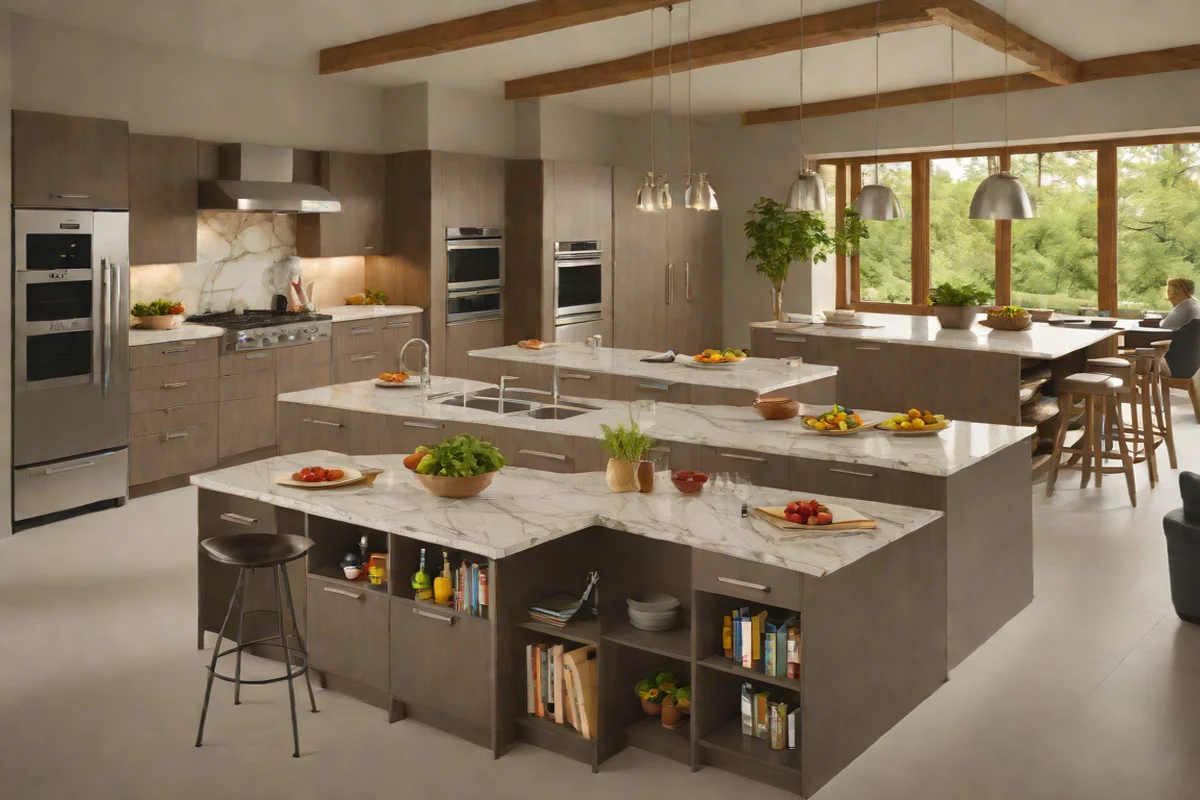
A multi-functional island combines seating, storage, and prep space. This allows it to support different activities, from cooking to casual meals. As your needs change, the island continues to serve a purpose. This makes it one of the most valuable parts of your kitchen.
Frequently asked Questions:
What is the ideal size for a kitchen island?
The ideal size depends on your kitchen layout. Most homes need at least 36 to 40 inches of clearance around the island. This allows smooth movement and prevents the space from feeling crowded. In smaller kitchens, a narrow or compact island works better.
Are kitchen islands worth it in small kitchens?
Yes, if designed properly. A small kitchen island can add storage, prep space, and even seating without taking up too much room. Choosing a slim design or a movable island helps maintain flexibility in tight spaces.
What is the best material for a modern kitchen island?
Quartz is one of the most practical choices because it is durable and easy to maintain. Wood adds warmth, while marble offers a premium look. The best material depends on how you use your kitchen daily.
How much seating space do you need for a kitchen island?
Each seat typically needs about 24 inches of width. You should also allow enough legroom under the counter, usually around 10 to 12 inches. This ensures seating feels comfortable and not cramped.
Do kitchen islands need electrical outlets?
Yes, adding outlets improves functionality. It allows you to use appliances directly on the island without relying on wall outlets. This makes cooking and prep work more convenient.
What makes a kitchen island look modern?
A modern kitchen island usually has clean lines, simple colors, and minimal clutter. Features like waterfall edges, neutral tones, and good lighting help create a sleek and updated look.
How do you add storage to a kitchen island?
You can add storage by using deep drawers, pull-out shelves, or built-in cabinets. Drawers are especially useful because they make items easier to access and keep everything organized.