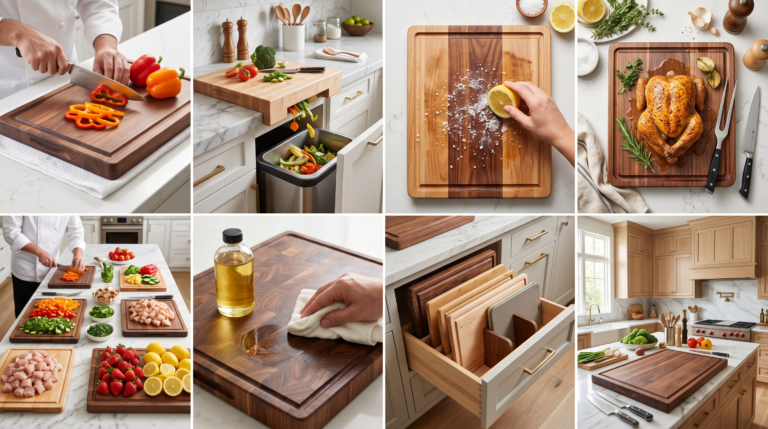
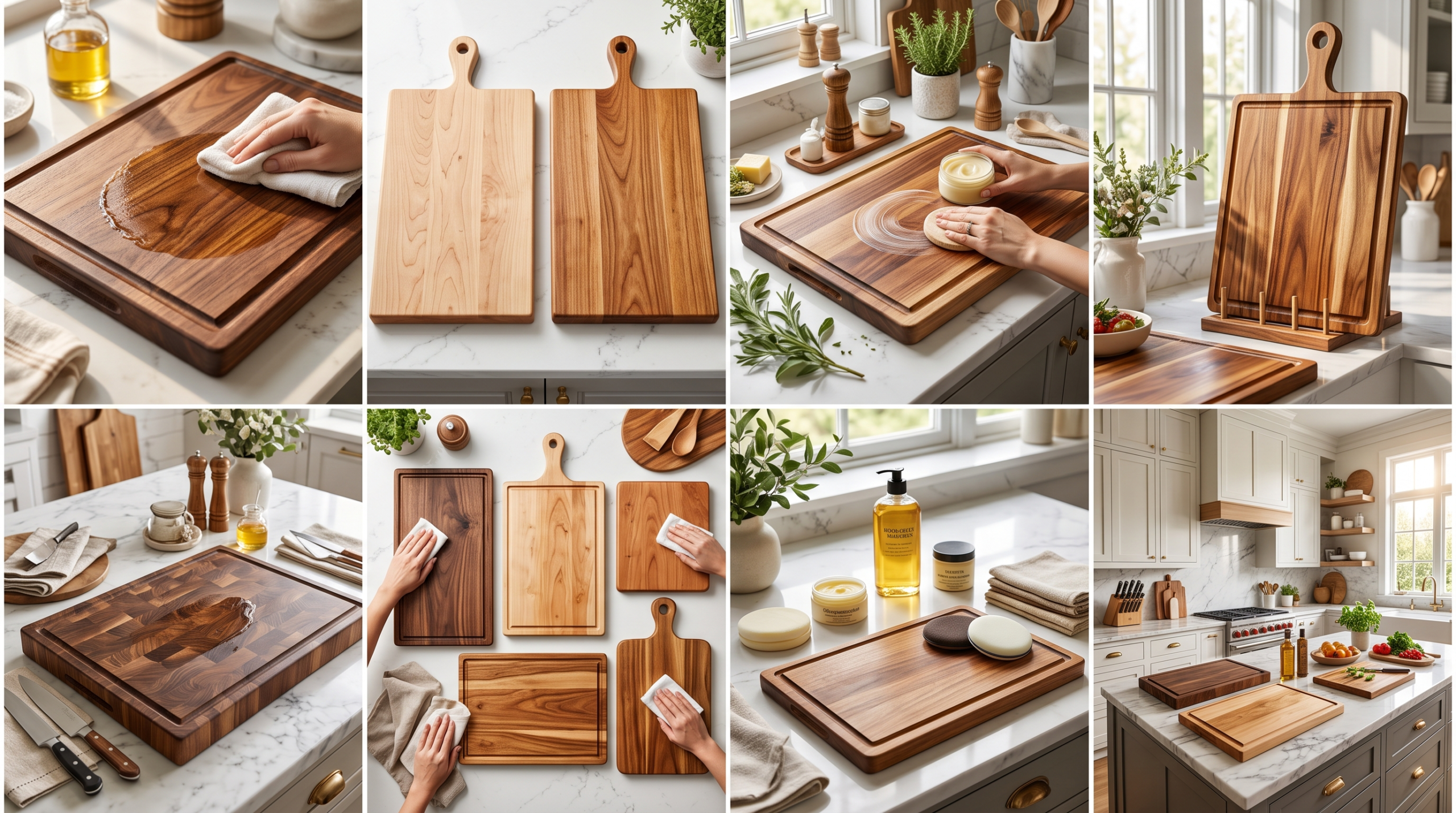
The best oil for wood cutting board care keeps the surface smooth, strong, and safe for food. Oiled wood lasts far longer than dry wood.
These 10 options cover mineral oil, plant oils, and wax blends. Each one is food-safe and easy to apply at home. All of them are safe for food contact.
Food-Grade Pure Mineral Oil

Mineral oil is the classic choice for wood boards. It is cheap, easy to find, and 100 percent food-safe. It costs less than most specialty oils.
It never turns rancid because it is not a plant oil. It soaks deep into the grain and blocks water.
Reapply once a month for a board you use daily. Wipe off the extra oil after a few hours.
Best for: boards that need simple, reliable care.
Cold-Pressed Pure Camellia Oil
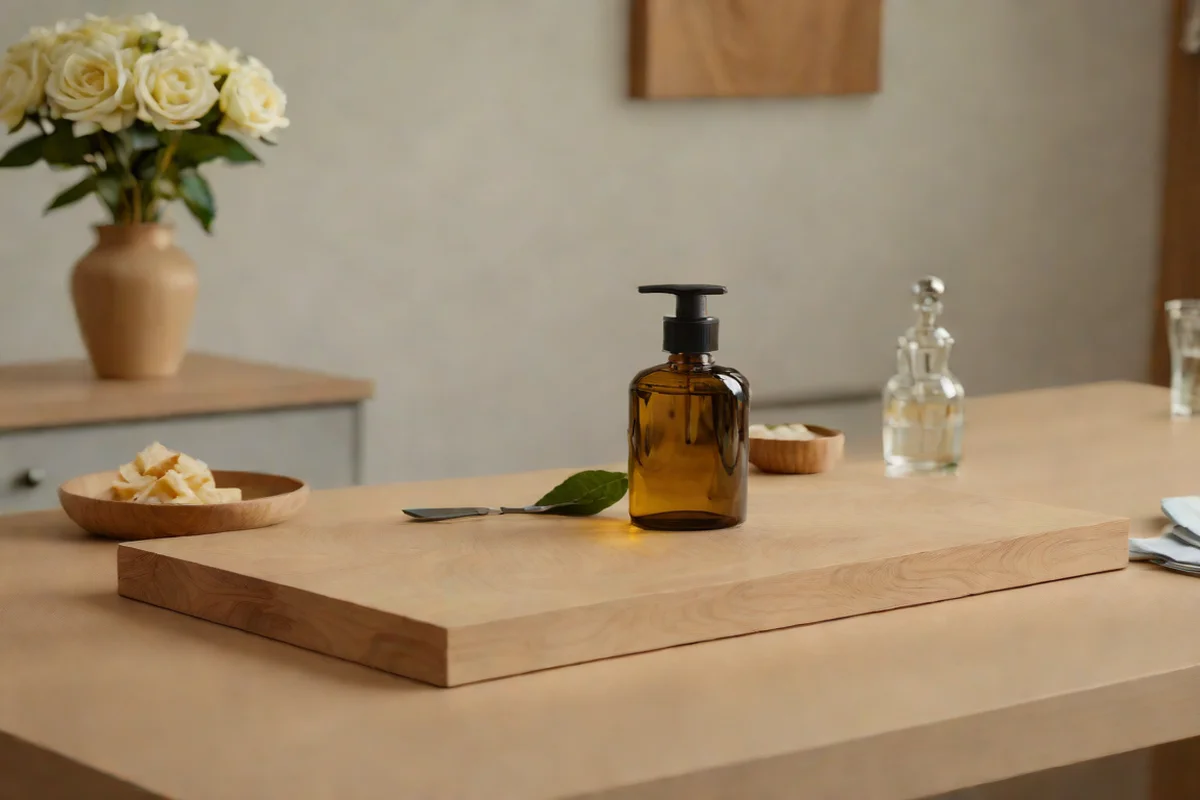
Camellia oil comes from the seeds of the camellia plant. It is light, clear, and safe for food surfaces.
It sinks deep into hard woods like maple. The finish feels smooth with no sticky feel. It also works well on wooden utensils.
Use a thin coat and let it rest overnight. Buff the board with a soft cloth in the morning.
Best for: dense hardwood boards that need deep conditioning.
Fractionated Coconut Oil (Liquid MCT)
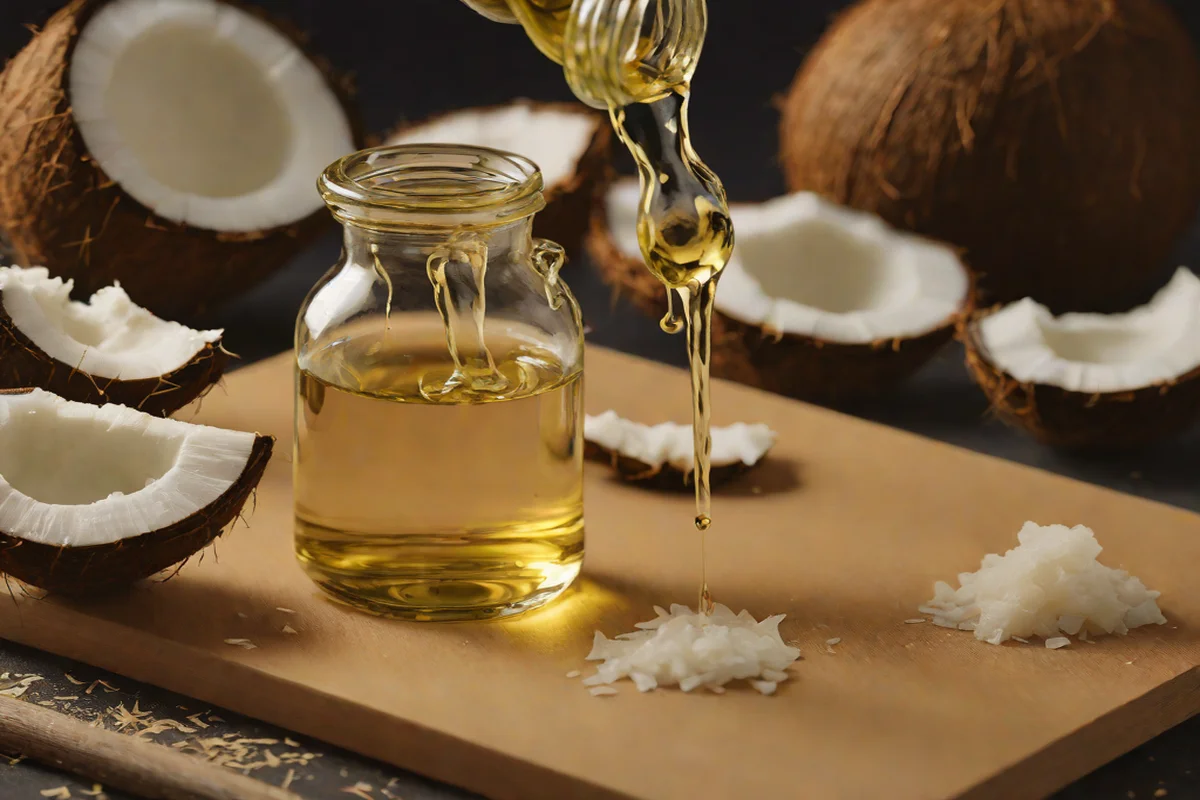
Fractionated coconut oil stays liquid at room temperature. It will not go rancid like regular coconut oil. The oil has no coconut smell.
It flows into tiny knife marks with ease. The board dries to a clean, non-greasy finish.
Apply a small amount with a lint-free cloth. Let it soak for at least four hours.
Best for: boards with many knife scars that need a light oil.
Pure Pharmaceutical-Grade Walnut Oil
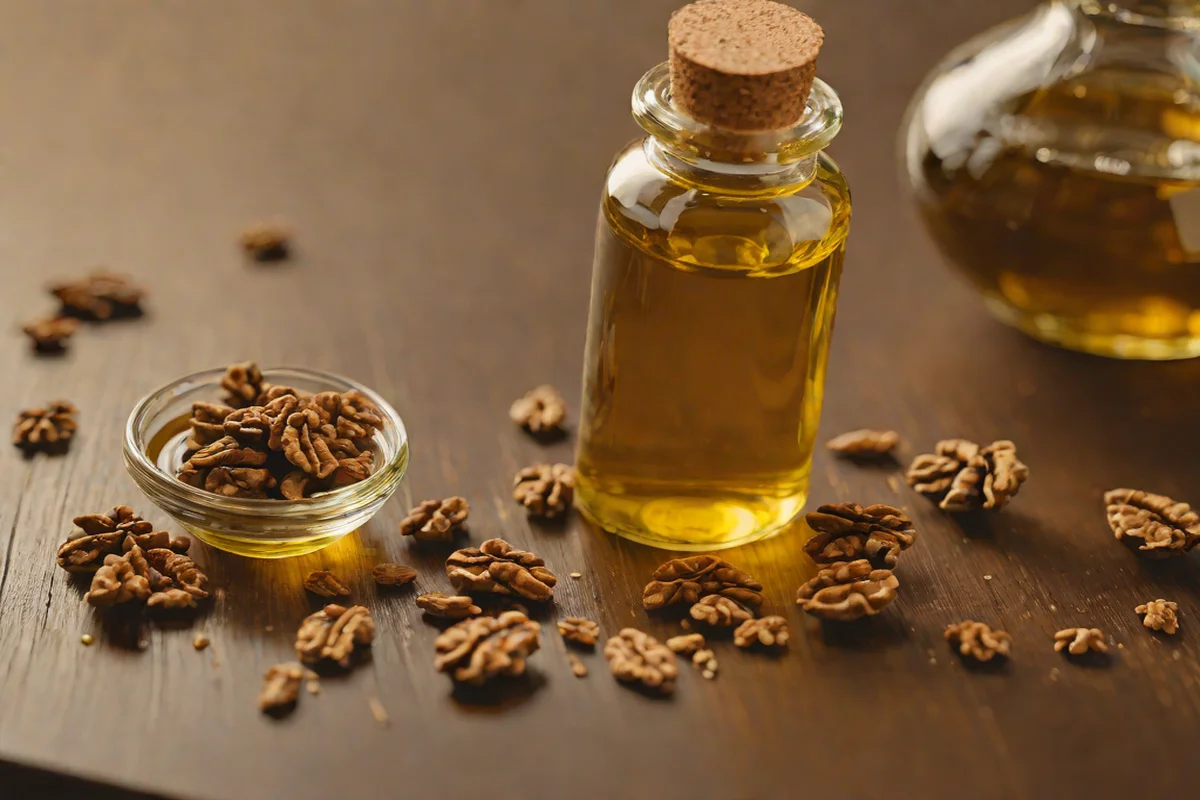
Walnut oil is a natural drying oil from walnut kernels. It hardens slowly as it meets air.
The cured layer resists water and stains well. It brings out warm tones in the wood grain. Test a small spot on the board first.
Note that it comes from tree nuts. Skip it if anyone in your home has a nut allergy.
Best for: boards where you want a harder, stain-resistant finish.
Raw Cold-Pressed Linseed Oil
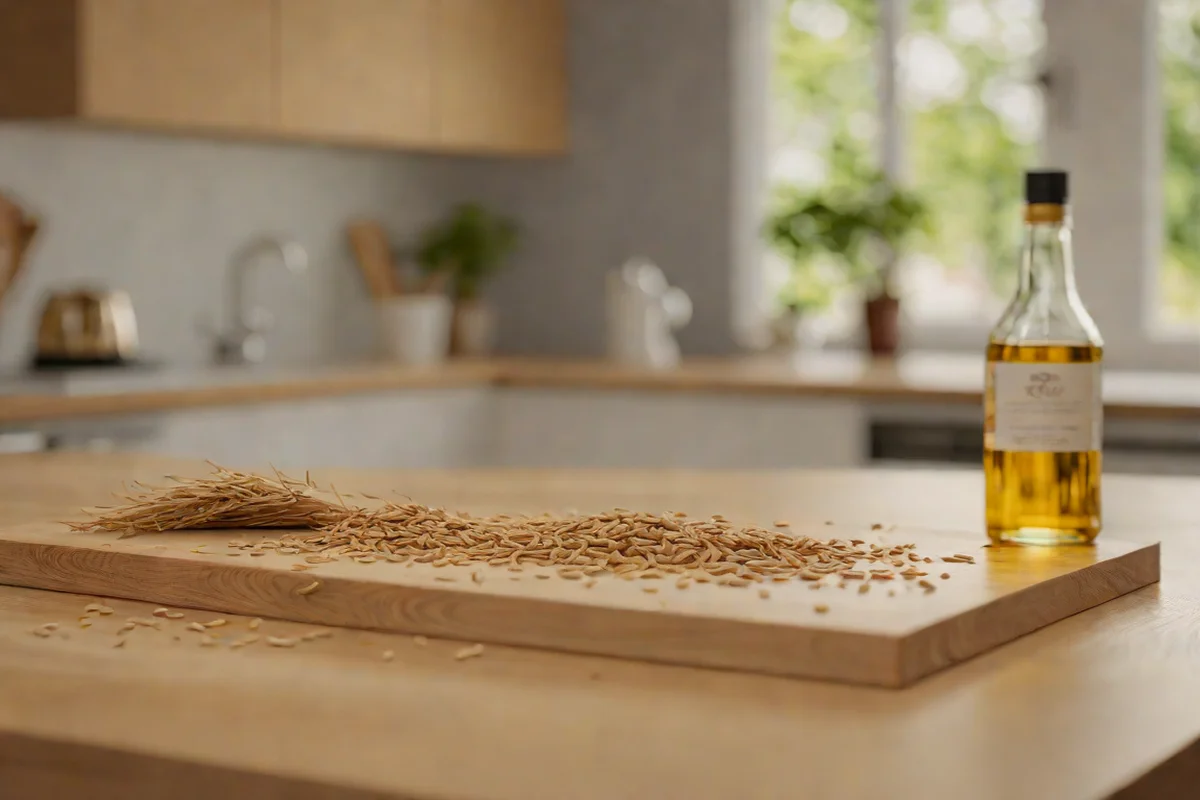
Raw linseed oil comes from flaxseeds. It gives wood a rich, golden glow.
Use only raw linseed oil on boards. Boiled versions contain chemicals that are not food-safe. Store the bottle in a cool, dark place.
It takes longer to soak in than mineral oil. Give it a full day before using the board.
Best for: thick butcher blocks that need slow, deep feeding.
Beeswax and Mineral Oil Emulsions
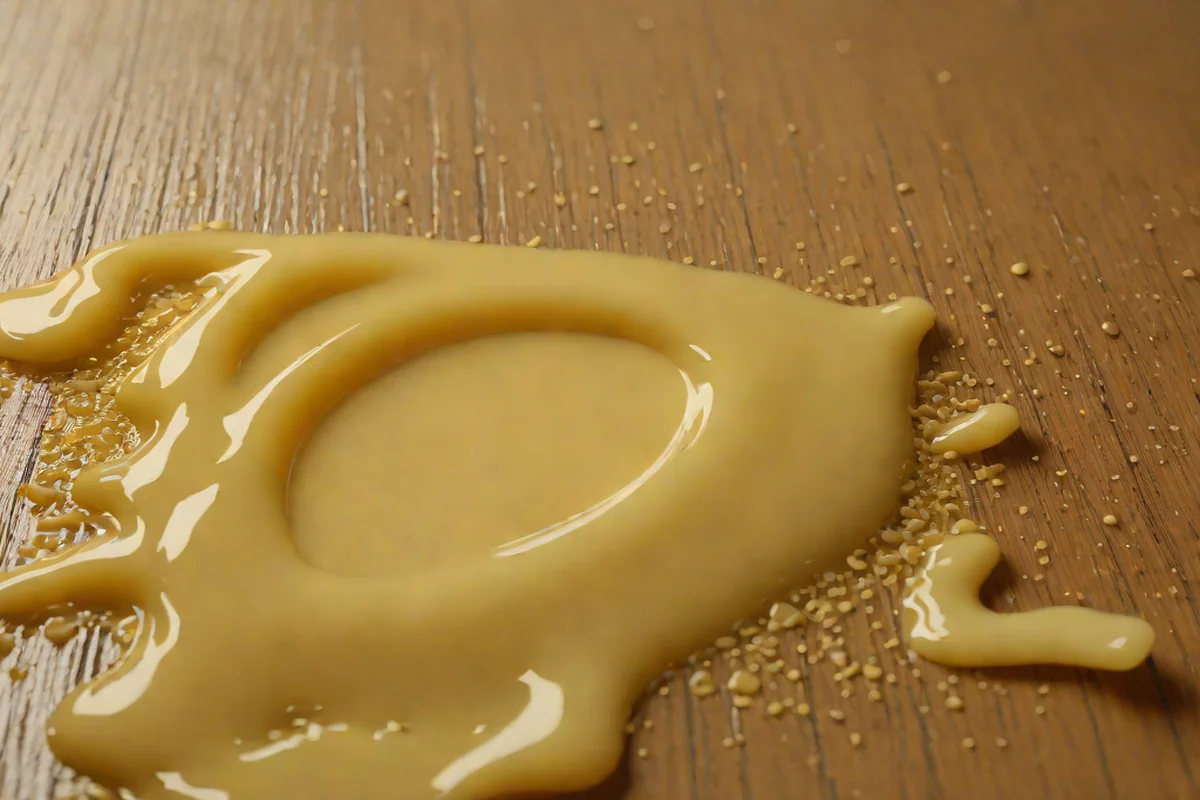
This blend mixes mineral oil with natural beeswax. The oil feeds the wood while wax seals the top.
The result is a smooth, water-resistant surface. It also keeps strong food smells from soaking in. Most blends come in easy rub tins.
Warm the blend slightly for easier spreading. Rub it in with the grain, then buff off the excess.
Best for: boards that face daily washing and strong odors.
Food-Safe Carnauba Wax Blends
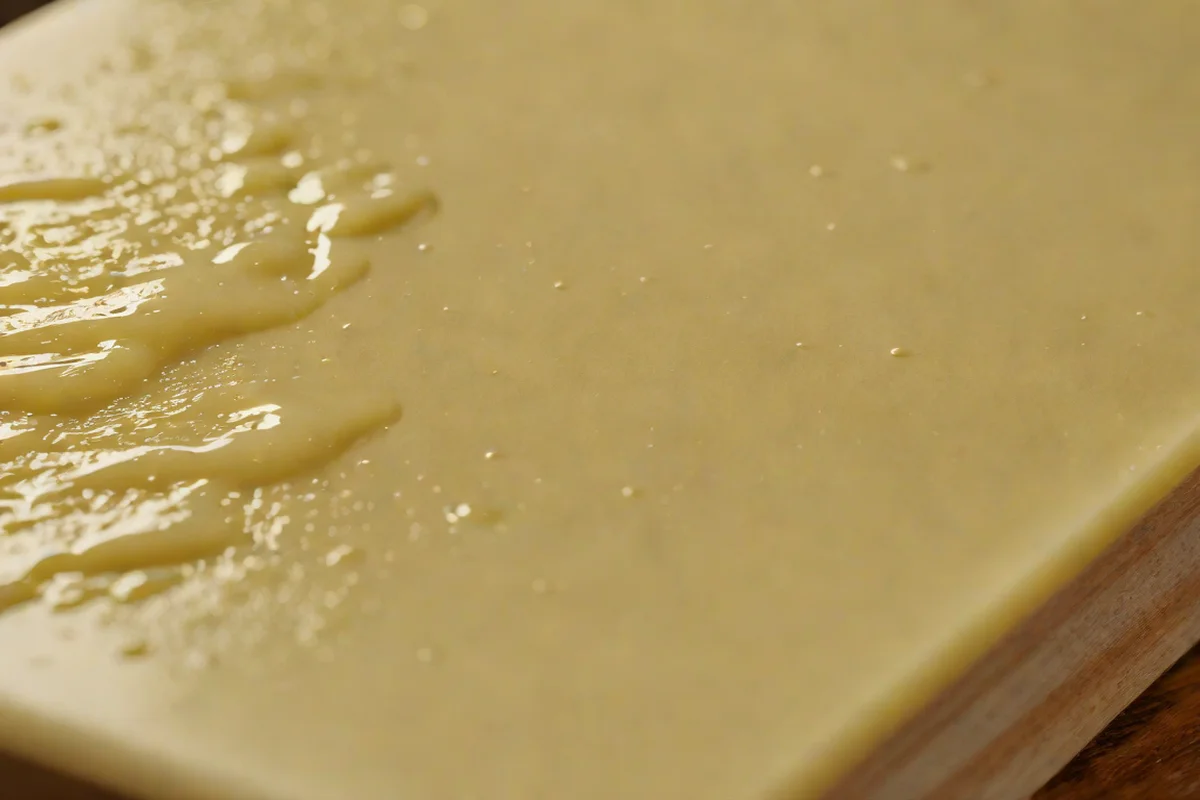
Carnauba wax comes from a Brazilian palm tree. It is one of the hardest natural waxes.
Mixed with oil, it forms a tough shield. The finish looks glossy and resists scratches. A little goes a long way.
Use it as a top coat over oiled wood. It works well on boards that get heavy daily use.
Best for: high-use boards that need extra scratch protection.
Pure Food-Grade Tung Oil

Tung oil comes from the nuts of the tung tree. It cures into a hard, water-resistant finish.
The cured coat stands up to citrus juice and stains. It is a favorite of woodworkers. Let each coat cure for two days.
Buy only oil labeled 100 percent pure tung oil. Some mixes contain solvents that are not safe for food.
Best for: boards that face acidic foods like citrus and tomatoes.
Specialized Vitamin E Fortified Oils
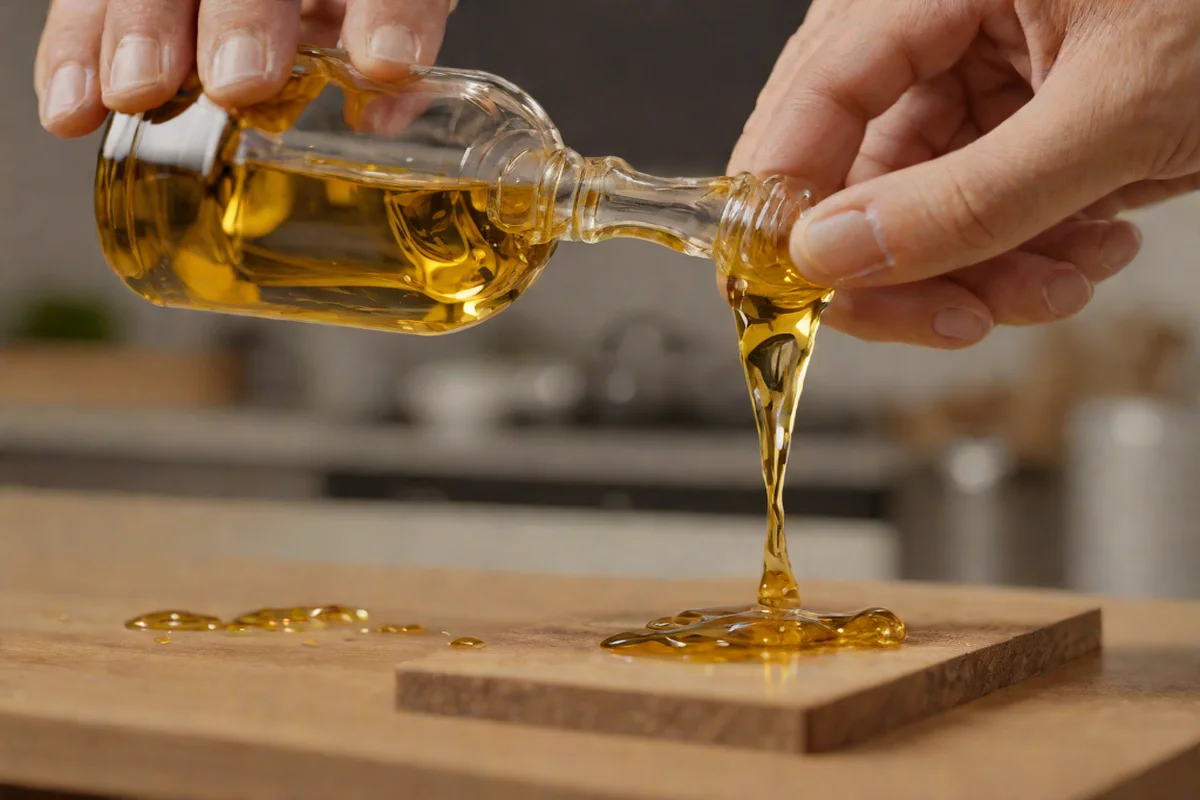
These oils add vitamin E to food-grade mineral oil. The vitamin acts as a natural stabilizer.
The oil stays fresh longer in heat and light. Your board keeps its seal between monthly coats. It is a good upgrade from plain oil.
Apply it the same way as plain mineral oil. The price is only a little higher.
Best for: warm kitchens where plain oil breaks down faster.
Proprietary Rosemary-Infused Plant Oils

These blends add rosemary extract to plant-based oil. Rosemary fights bacteria on the board surface.
The extract also keeps the oil fresh longer. You get a light, clean herbal scent. The scent fades after a day or two.
Use it like any other board oil. It suits cooks who like natural, plant-based products.
Best for: cooks who want natural antibacterial care for their boards.
Keep Your Wood Cutting Boards in Top Shape
Any of these 10 options will protect your boards for years. Pick one that fits your budget and cooking style. A monthly coat takes just five minutes.
The best oil for wood cutting board care is the one you will use each month. For more ideas, explore our kitchen board care ideas and read these cutting board tricks and tips.