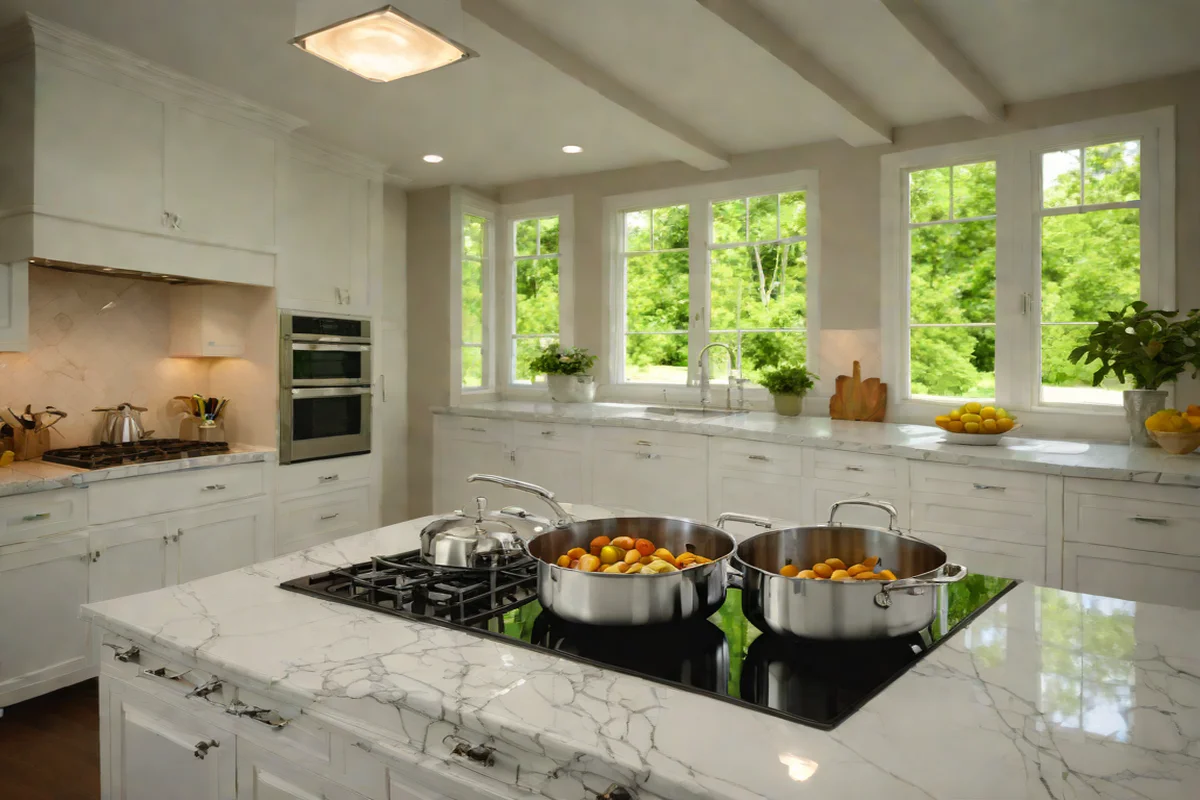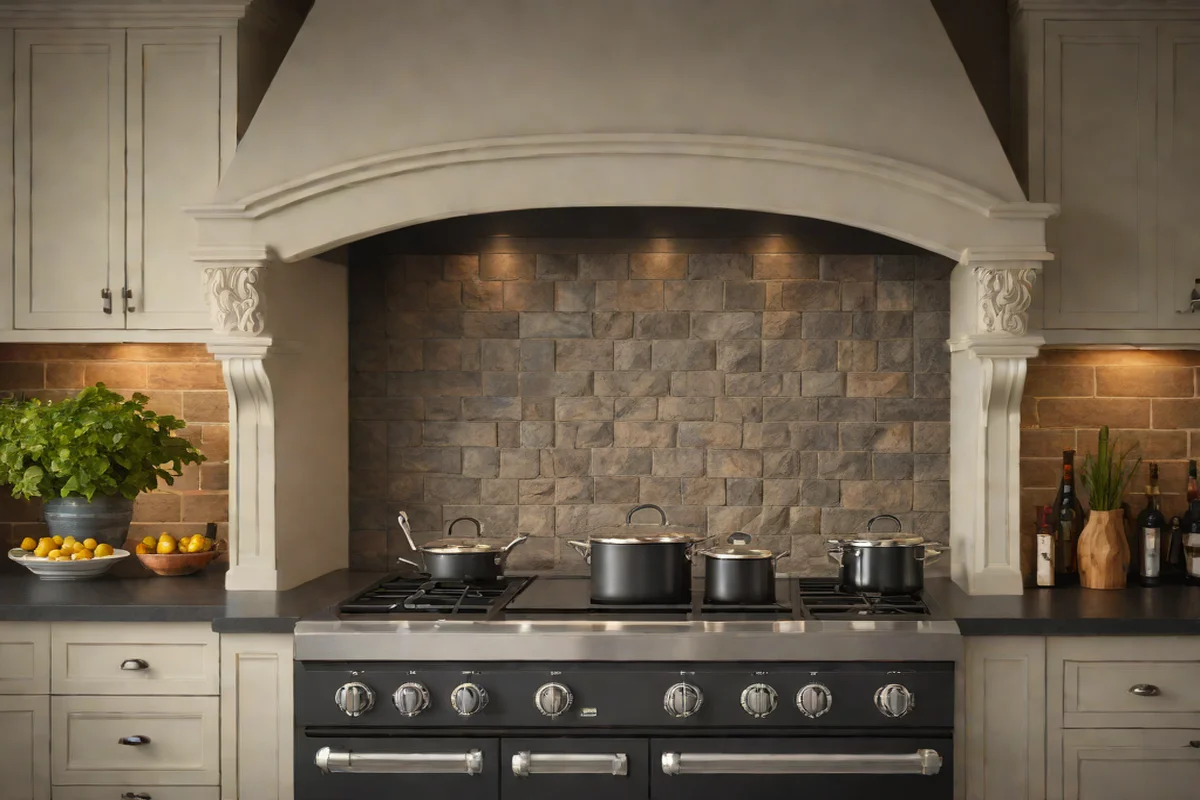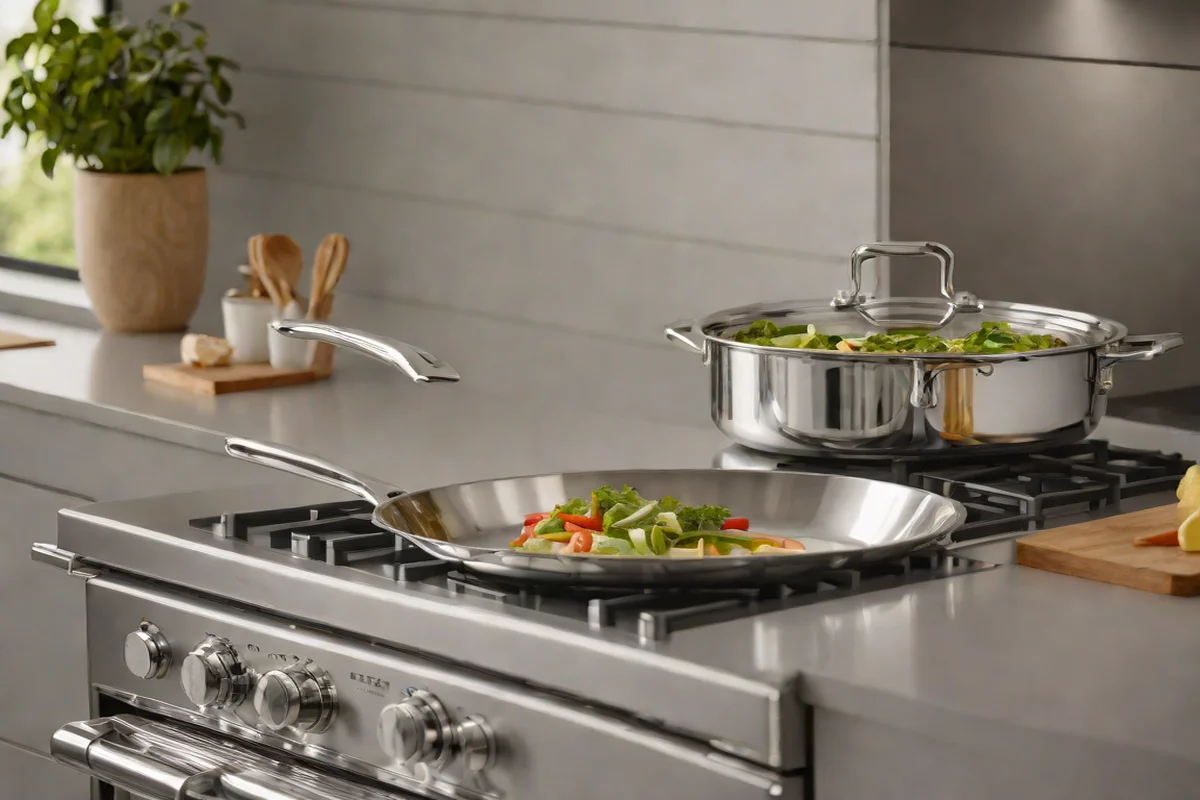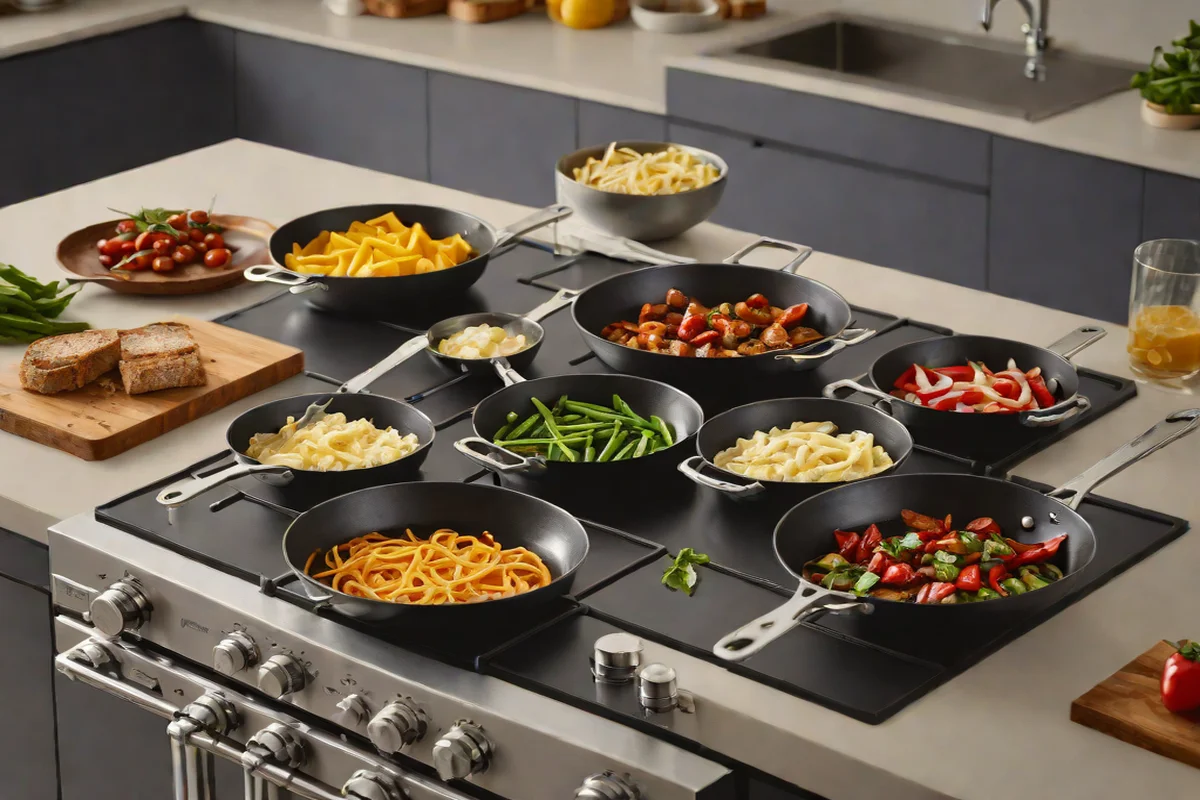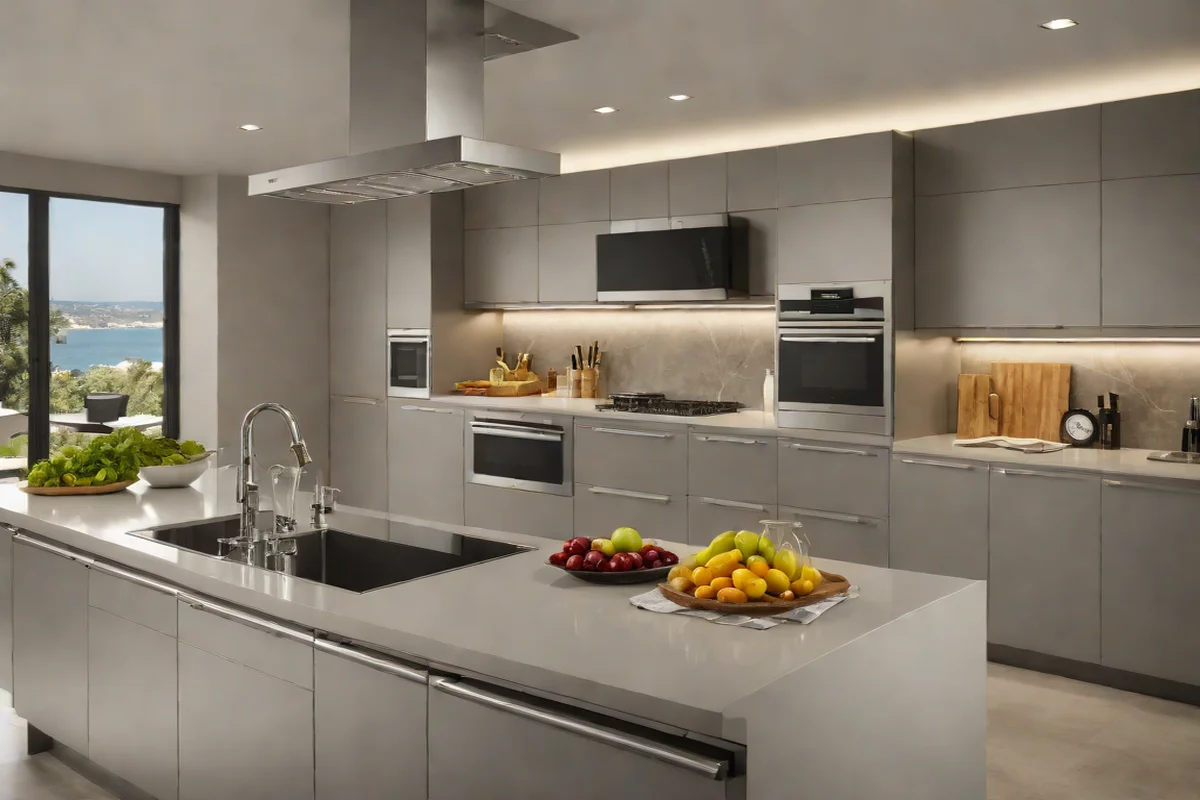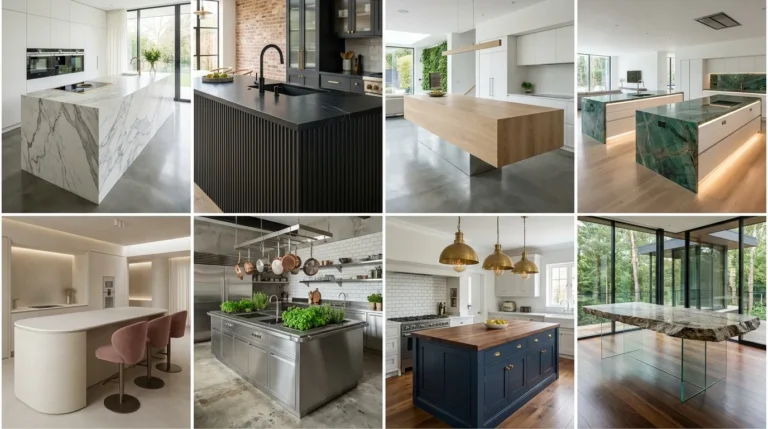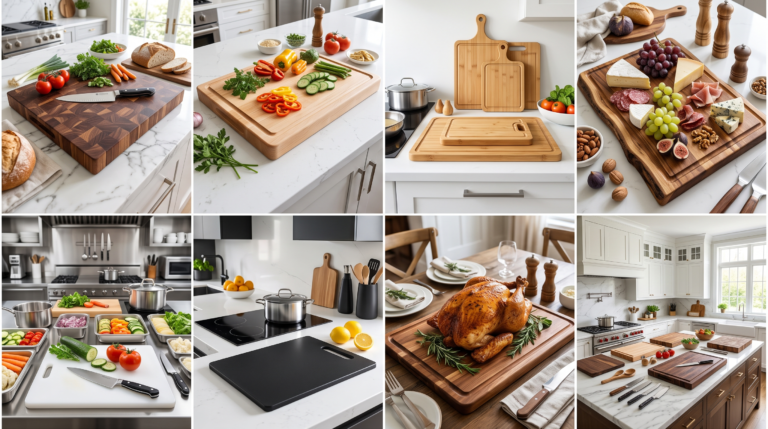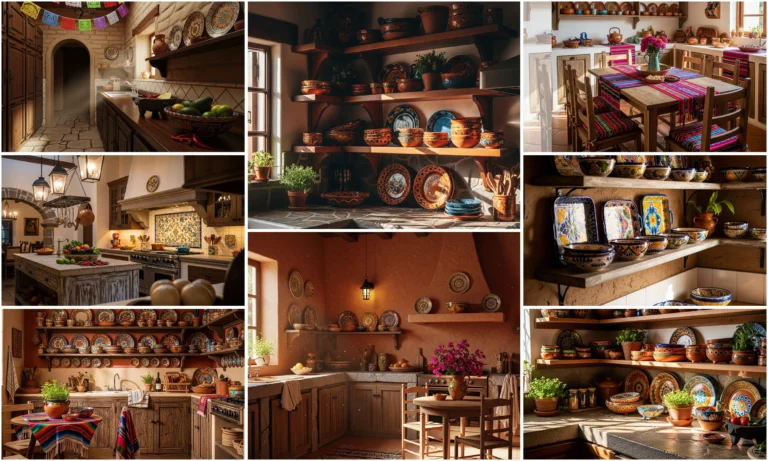
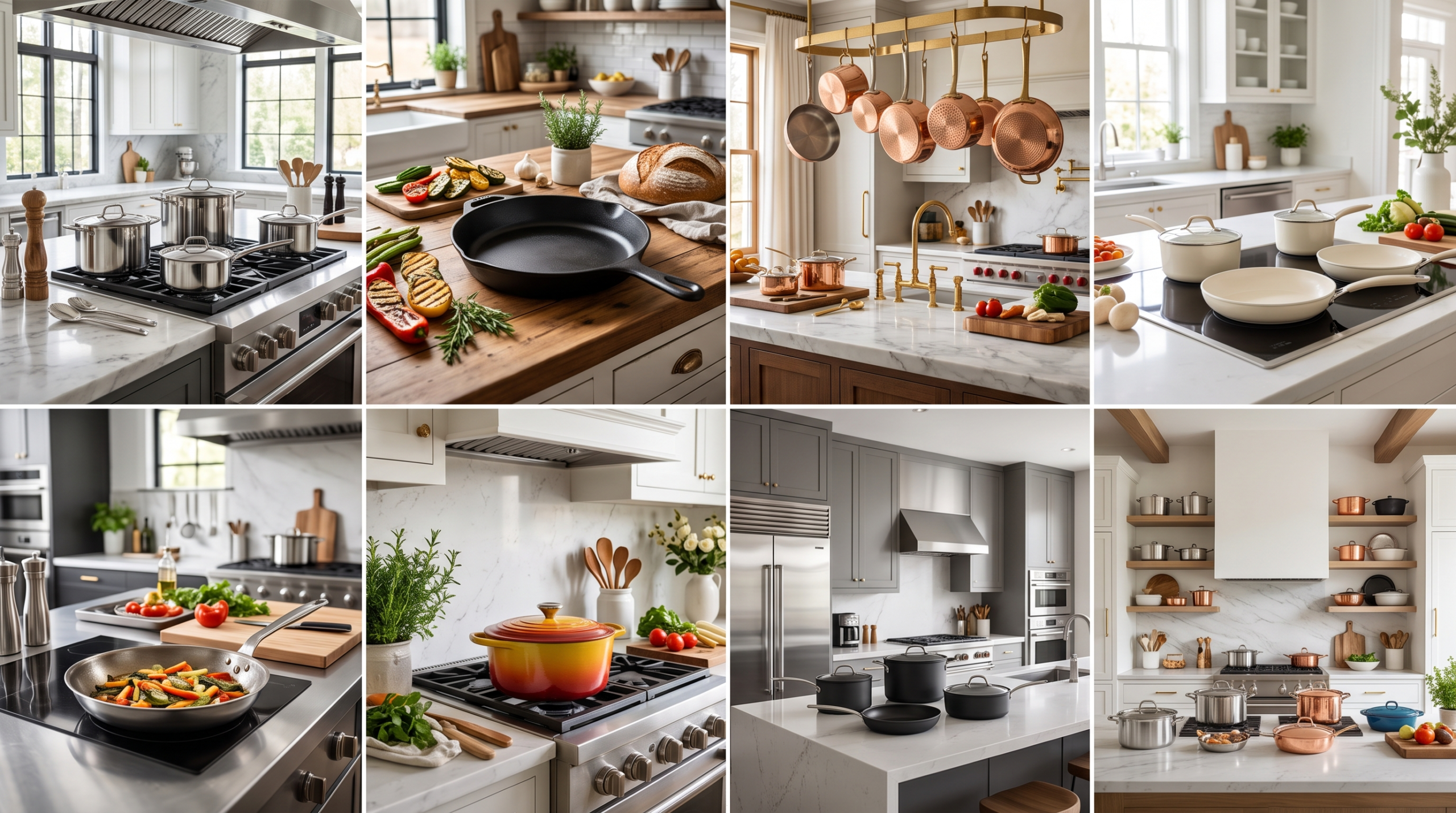
The selection of professional-grade cookware is a foundational decision that directly shapes the functional layout and culinary efficiency of the modern estate kitchen. Within the curated design universe of the USA Home Bloom hub, cookware is viewed not merely as a collection of loose pots and pans, but as an essential material layer that interacts with heat, food, and architectural surfaces. Choosing materials with advanced thermal properties and strong structural durability allows a kitchen to achieve true performance balance. Understanding how different materials conduct heat helps homeowners create a workspace that functions beautifully, ensuring that every culinary interaction benefits from material intelligence.
1. Enameled Cast Iron

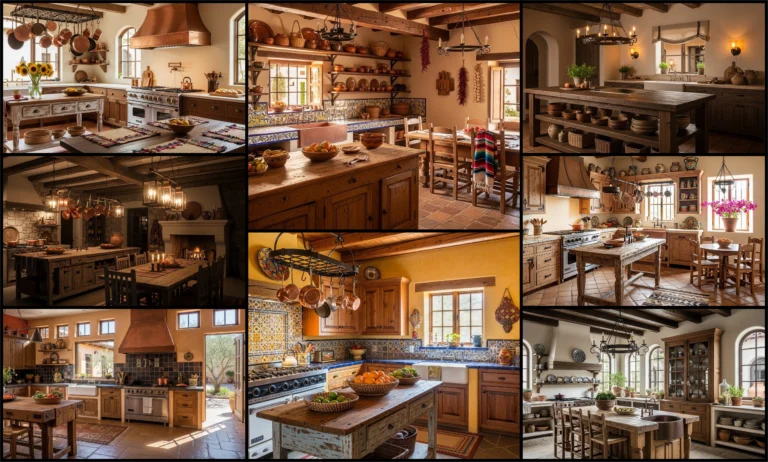
Enameled cast iron represents a flawless fusion of heavy thermal mass and chemical resistance, making it an indispensable material for slow braising and precision simmering. The heavy iron core acts as a powerful heat reservoir, absorbing thermal energy and distributing it evenly across the cooking surface to eliminate cold spots. Encasing this core in a smooth layer of vitreous enamel removes the need for traditional oil seasoning and creates a non-reactive surface impervious to highly acidic ingredients. This sophisticated material composition mirrors the timeless longevity and balanced weight prized in timeless spanish style kitchen ideas.
2. Traditional Raw Cast Iron

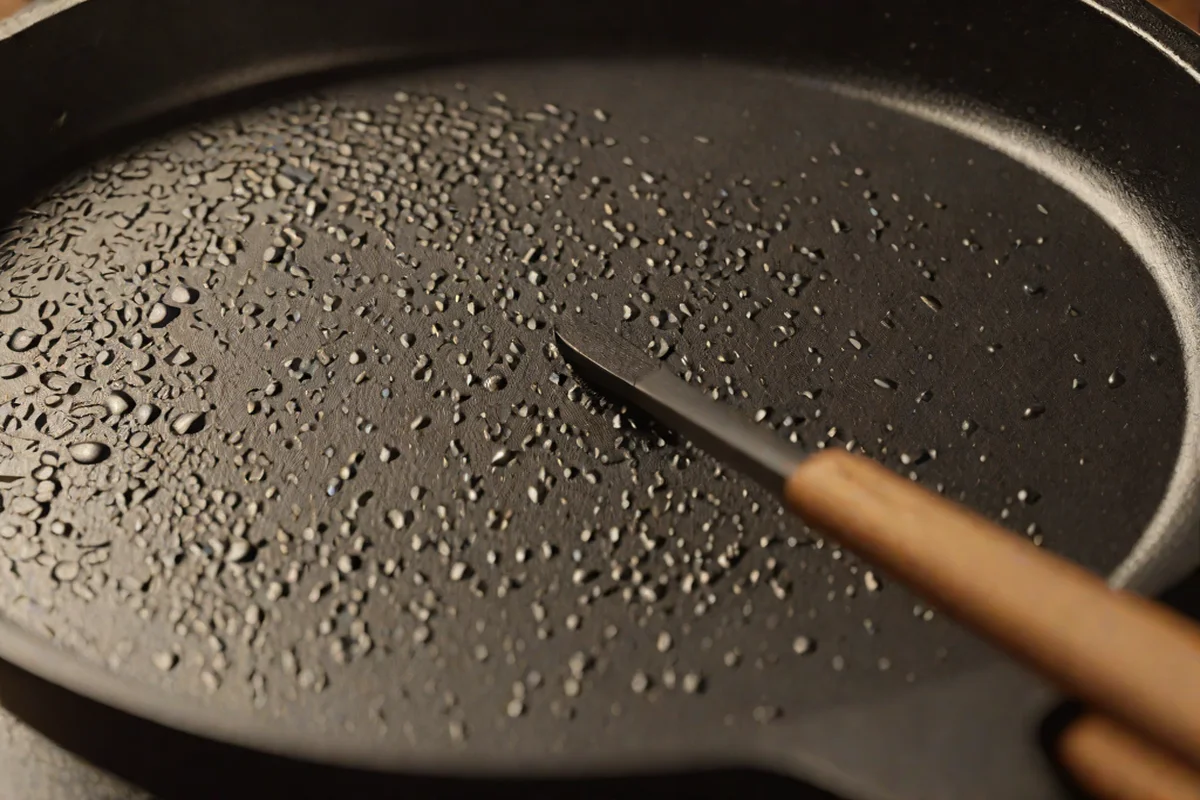
For high-heat searing and rustic, open-flame cooking, traditional raw cast iron remains unmatched in its ability to develop a natural, non-stick surface through polymerizing oils. When properly seasoned with unsaturated fats at high temperatures, the porous surface of the iron transforms into a smooth, black hydrophobic layer. This material retains exceptional heat, allowing for perfect browning on proteins without dropping the pan’s surface temperature. The dark, organic texture of raw iron grounds a kitchen’s design, adding a sense of history that pairs beautifully with rustic kitchen ideas with a hacienda style home twist.
3. Fully Clad Stainless Steel (3-Ply or 5-Ply)

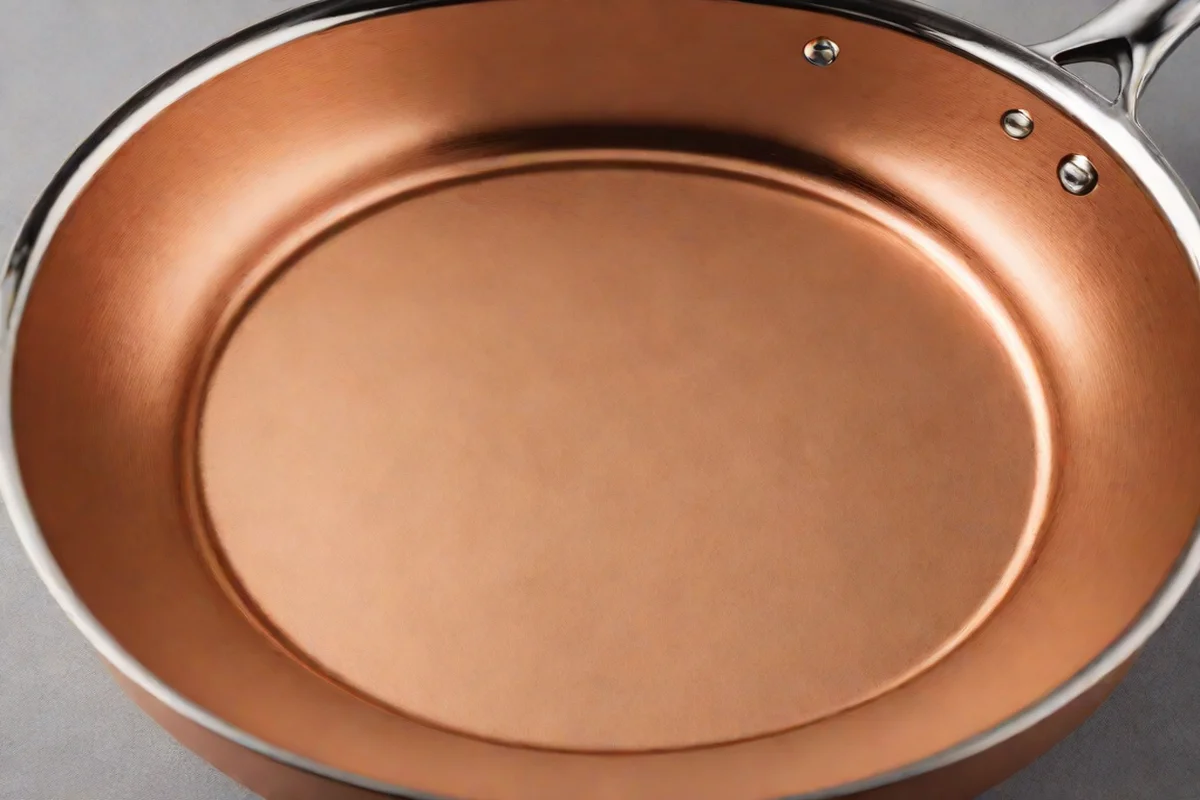
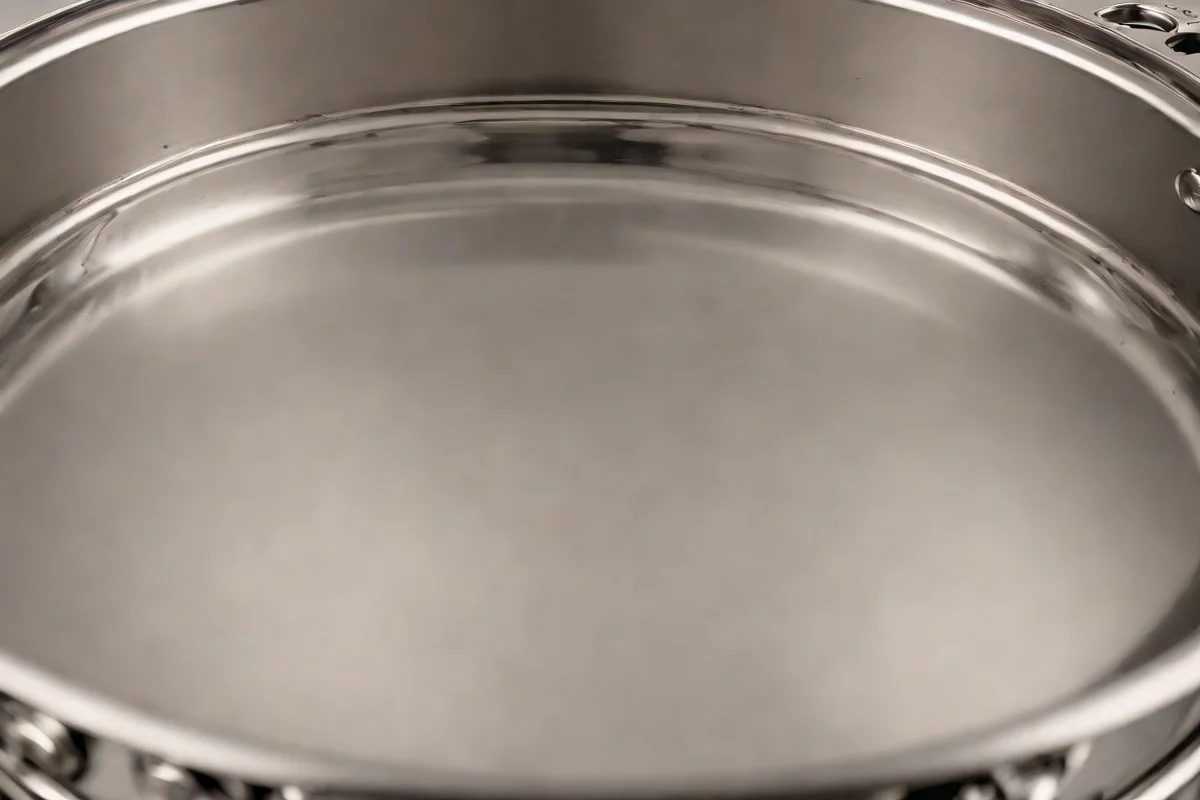
Unclad stainless steel is a relatively poor conductor of heat, but when layered with aluminum or copper cores, it becomes an elite material for precise temperature control. Multi-ply clad cookware sandwiches responsive aluminum alloys between layers of durable, non-reactive 18/10 stainless steel from the base all the way up the sidewalls. This design ensures that temperature adjustments at the cooktop translate instantly to the food, making it ideal for delicate pan sauces, reductions, and fast-paced sautéing. Its bright, reflective finish brings a polished, clean look to the workspace, echoing the streamlined design principles of luxurious modern kitchen ideas.
4. Heavy-Gauge Carbon Steel

Carbon steel serves as a nimble bridge between the durability of cast iron and the agility of stainless steel. Containing approximately 1% carbon, these pans are stamped or spun thinner than cast iron, allowing them to heat up and cool down much faster while still developing a natural non-stick patina over time. Their exceptional thermal responsiveness makes them the preferred choice for high-heat stir-frying, blistered vegetables, and delicate egg dishes. This high-performance material brings a functional efficiency to the stove that matches the streamlined storage solutions showcased in modern kitchen island ideas.
5. Solid Artisan Copper with Tin Lining

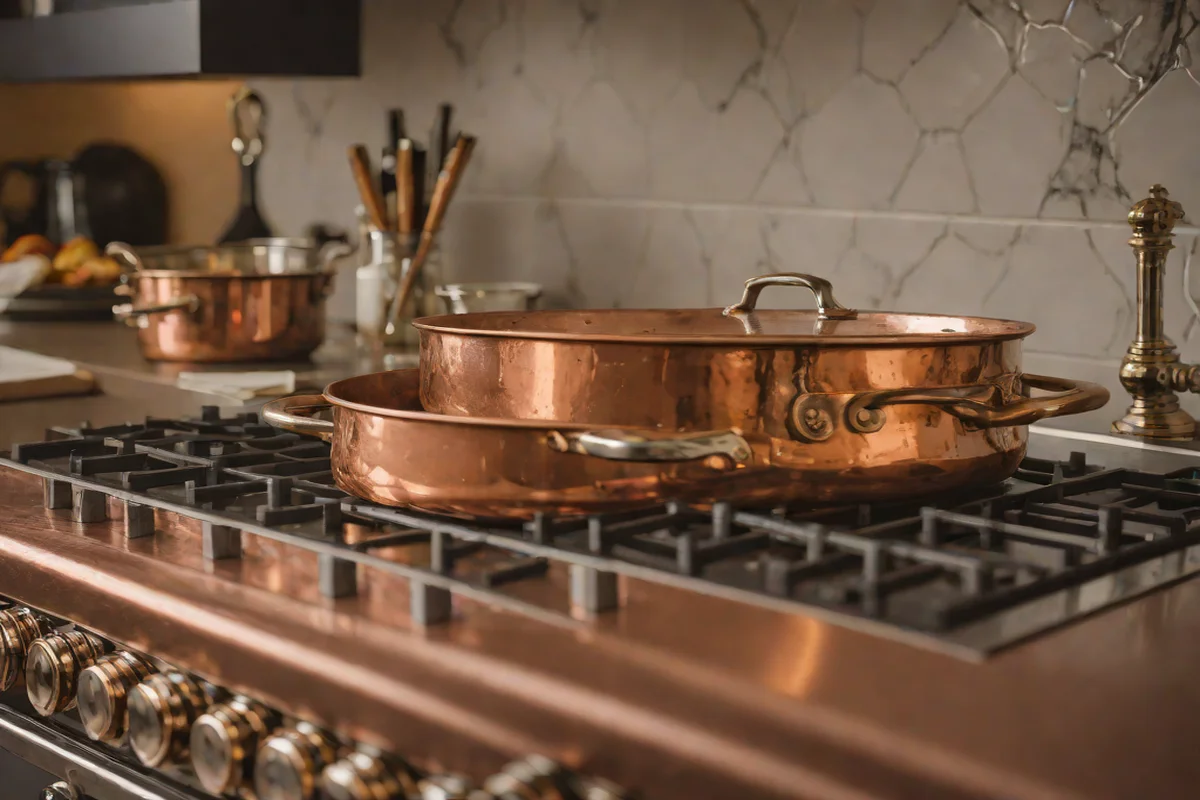
Copper possesses an extraordinary thermal conductivity rate, transmitting heat across its surface almost instantly and with absolute uniformity. This ultra-responsive behavior provides unparalleled control when working with delicate proteins, confectionery sugars, or complex emulsified sauces. Because raw copper reacts with acidic foods, master coppersmiths traditionally line the interior with a thin layer of molten tin. Tin is naturally non-stick and non-reactive, creating a gentle, highly precise cooking surface that represents the pinnacle of culinary craftsmanship.
6. Solid Copper with Stainless Steel Lining

For chefs who want the unrivaled thermal speed of copper without the delicate care required by tin, modern bi-metal laminate cookware is an exceptional alternative. This material bonds a thick exterior of pure copper to an ultra-thin interior layer of high-grade stainless steel. The stainless steel lining withstands high heat, metal utensils, and vigorous scrubbing, while the thick copper shell delivers immediate heat distribution. This dual-material approach offers long-term durability and high performance, making it a valuable addition to an organized kitchen that utilizes clever kitchen storage ideas to organize and style your space.
7. Hard-Anodized Aluminum

Raw aluminum heats up incredibly fast but reacts with acids and scratches easily; however, when subjected to an electrochemical anodization process, its molecular structure transforms completely. Hard-anodized aluminum is twice as hard as stainless steel, non-reactive, and exceptionally resistant to scratching or corrosion. The dark grey finish provides excellent heat conduction and a smooth surface, creating a reliable, easy-to-clean pan for busy kitchens. Its clean look fits naturally into contemporary spaces, such as those found in black kitchen ideas for a bold and stylish home.
8. Culinary Carbon Ceramic

Engineered to withstand extreme temperature shifts, carbon ceramic is a non-porous material that can transition from freezer to direct flame without cracking. This high-tech ceramic clay is fired at extreme temperatures, making it scratch-resistant and highly efficient at radiating infrared heat. This deep-penetrating heat cooks food evenly from both the outside and inside simultaneously, making it excellent for slow-roasting stews and baking artisanal breads. The clean, minimalist appearance of ceramic cookware complements kitchens designed around a peaceful, balanced aesthetic, such as serene japandi interior ideas for a calm modern home.
9. Natural Soapstone (Talclite)

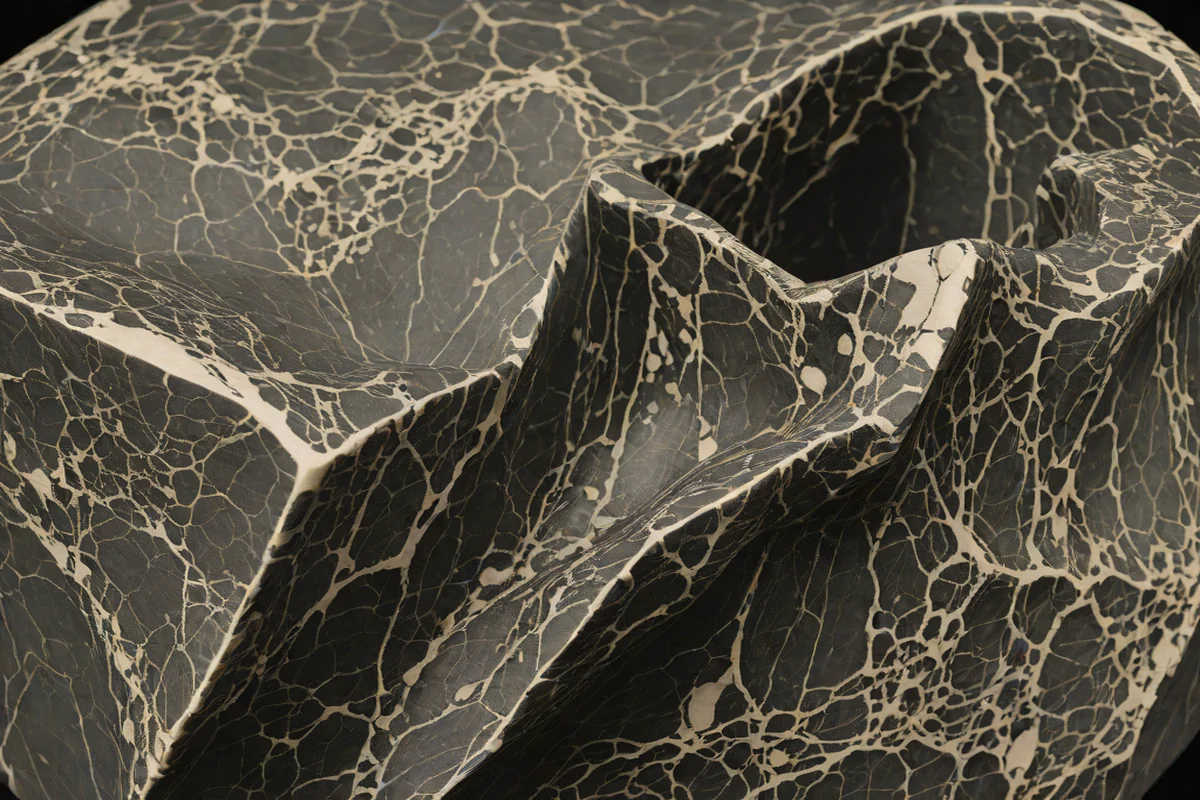
Carved from solid blocks of natural metamorphic rock, soapstone cookware offers unique thermal retention properties developed over centuries of culinary history. Soapstone absorbs heat slowly but holds it for hours after the energy source is turned off, allowing food to continue cooking gently in its own residual heat. This consistent, low-intensity heat transfer prevents delicate ingredients from scorching during long braises. The variegated, organic texture of natural stone introduces a beautiful element of Earthy Material Intelligence into the kitchen, grounding the space much like a carefully selected feature wall or stone countertop.
10. Direct-Flame Clay and Micaceous Earthenware

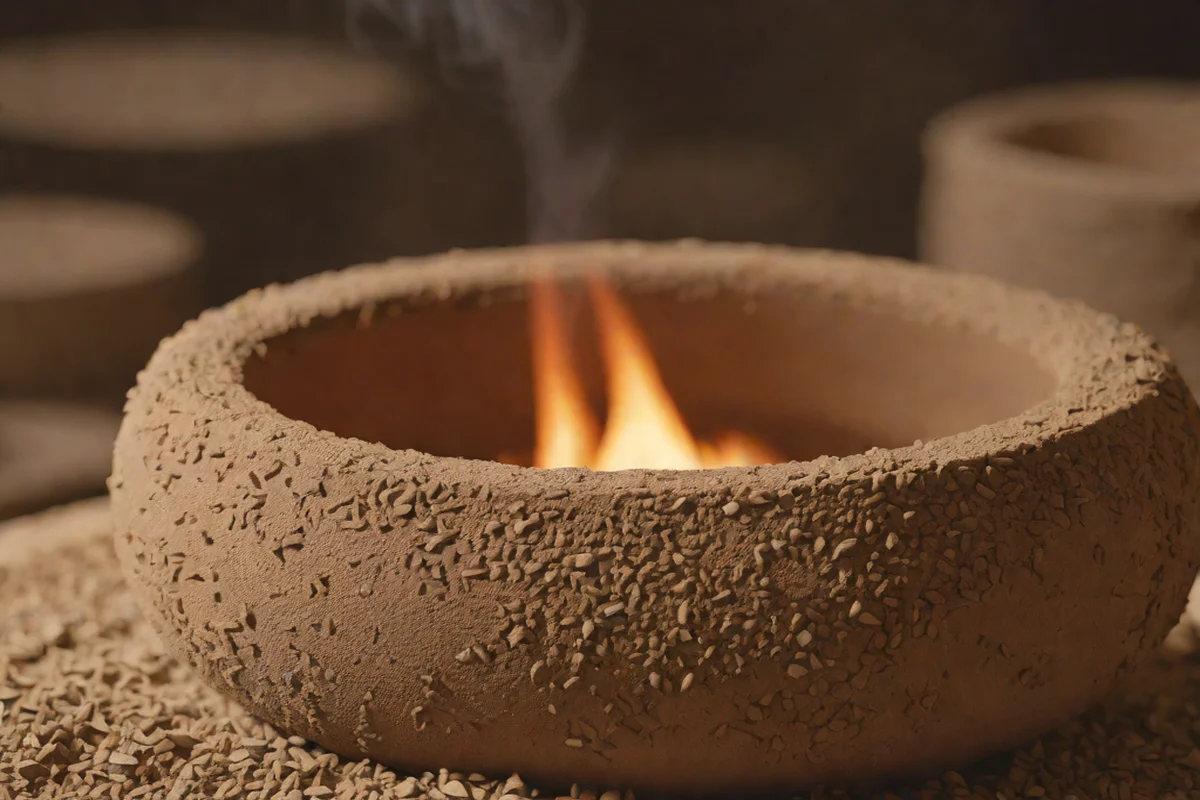
Clay pots enriched with mica flakes feature a unique crystalline structure that allows them to withstand direct heat from gas flames or glowing coals. Cooking in unglazed or lightly glazed micaceous clay seals in natural moisture, creating a gentle, self-basting microclimate within the vessel. The porous clay absorbs excess acids, naturally sweetening stews, grains, and beans while imparting a subtle, earthy flavor profile. This traditional material brings an authentic, handcrafted feel to the home, pairing beautifully with the warm textures found in farmhouse kitchen ideas for a warm rustic charm.
11. Surgical-Grade Titanium-Injected Stainless Steel

Surgical stainless steel reinforced with titanium represents the cutting edge of non-reactive, non-porous cookware materials. The addition of titanium dramatically hardens the steel alloy, making it completely non-porous and preventing any metallic flavors from transferring into delicate foods. This ultra-smooth surface resists stuck-on food residues and stands up to high-heat searing without warping or staining. For homeowners seeking the absolute highest standards of durability and purity, this material delivers long-lasting performance that requires minimal maintenance over its lifespan.
12. Professional Blue Steel

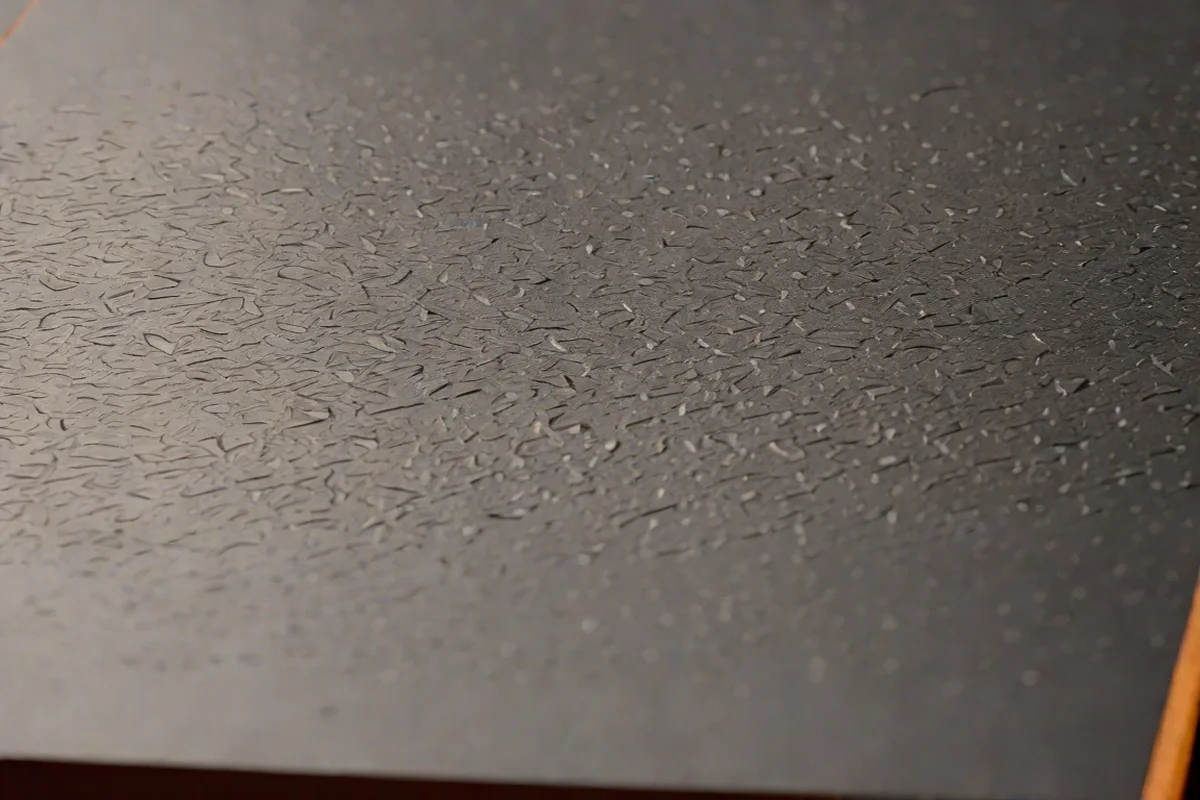
Blue steel, also known as blackened steel, undergoes a specialized thermal treatment that builds a protective iron oxide layer on its surface, giving it a distinctive blue-grey hue. Widely favored in high-volume French bakeries and pizzerias, this material features exceptional radiant heat properties that create perfectly crisped, deeply browned crusts. While it requires light oiling to prevent oxidation, its lightweight design and structural strength make it an excellent choice for baking sheets, roasting pans, and specialized pastry molds.
13. High-Density Die-Cast Aluminum with Diamond Matrix Coating

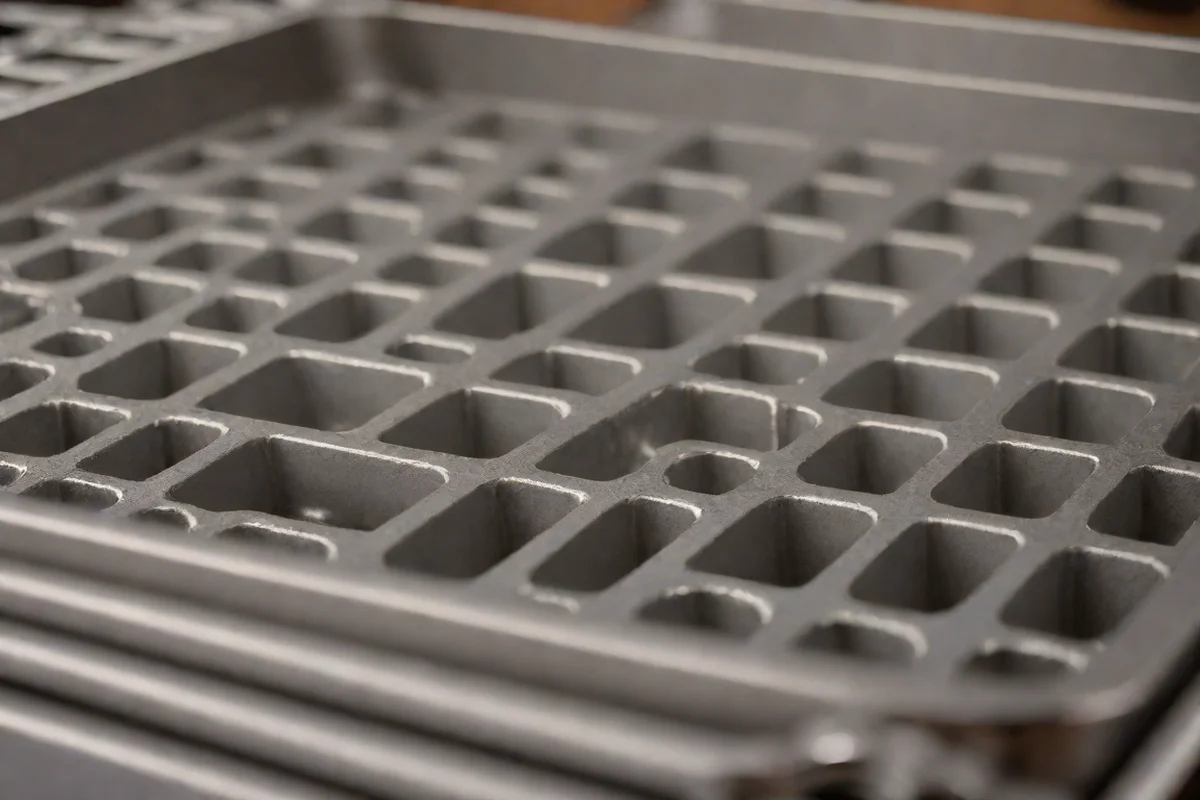
Die-cast aluminum is created by injecting molten metal into a high-pressure mold, resulting in a thick, solid pan that will not warp under sudden temperature drops. When coated with a modern multi-layer matrix reinforced with real diamond crystals, it yields an incredibly durable, non-stick cooking surface. The diamond particles conduct heat far better than copper or standard polymers while providing a tough shield against abrasive kitchen tools. This advanced material combination offers an easy, low-maintenance cooking experience without sacrificing precise heat distribution.
14. Hand-Hammered Carbon Iron

Hand-hammered carbon iron cookware combines old-world metal craftsmanship with exceptional durability. Each pan is forged from a single sheet of iron, with thousands of individual hammer strikes creating a subtly dimpled surface texture. These microscopic indentations help hold oil in place, improving the pan’s natural non-stick properties and preventing food from sticking. The resulting pan is highly responsive to heat adjustments and tough enough to last for generations, making it a beautiful standout piece in any thoughtfully designed kitchen.
Frequently Asked Questions
Why does food stick so easily to standard stainless steel pans, and how can I prevent it?
Food sticks to stainless steel primarily because the metal expands when heated, trapping food inside microscopic pores on the surface. To prevent this, heat your pan completely before adding any oil. Once the pan is hot, add your cooking fat and let it shimmer for a few seconds; this creates a smooth barrier that prevents food from sticking. Can enameled cast iron cookware be used safely on modern induction cooktops? Yes, enameled cast iron is highly magnetic and works perfectly on induction cooktops. The induction coils heat the iron core directly and efficiently, while the smooth enamel base protects the delicate glass cooktop from scratches. Just remember to lift the heavy pan rather than sliding it across the glass surface.
What is the primary difference between a 3-ply and a 5-ply stainless steel pan?
The primary difference lies in the number of alternating metal layers bonded inside the pan’s core. A 3-ply pan features an aluminum core sandwiched between two layers of stainless steel, whereas a 5-ply pan adds extra layers of aluminum and sometimes copper. This extra layering provides superior heat retention and better warp resistance under high temperatures.
How do I safely clean a carbon steel pan without ruining its seasoned coating?
To protect the seasoned finish, wash your carbon steel pan with hot water and a soft brush or sponge. For stubborn food residue, use a small amount of mild dish soap, but avoid harsh abrasive pads or soaking the pan in water. Dry the pan immediately with a towel, and apply a very thin layer of food-grade oil before storing it. Curation and Explore Your Entire Home Layout Ready to expand these high-performance design and styling strategies across the other active thresholds of your estate? We invite you to continue your design journey by exploring our comprehensive structural chronicles and expert lifestyle manuals across the entire USA Home Bloom Platform. Dive into our meticulously curated digital gallery to unlock advanced space-saving secrets, pro-grade color curation strategies, and expert home optimization rubrics that allow your home’s natural paths and your own personal clarity to truly bloom!