14 Ways to Care for Kitchen Knives

The professional kitchen knife is not merely a utilitarian utensil; it is an extension of the chef’s hand and a fundamental component of the home’s Spatial Intelligence. Within the premium culinary spaces curated by the USA Home Bloom hub, a knife represents an investment in precise engineering and material harmony. Proper preservation of these instruments requires a deep understanding of metallurgy, mechanical friction, and environmental exposure. Neglecting basic maintenance compromises the structural integrity of the steel, dulls the pristine edge, and disrupts the fluid choreography of high-end meal preparation. To ensure your culinary toolkit functions at an elite level, implementing a rigorous preservation protocol is essential.

1. Execute Immediate and Manual Sanitization

Execute Immediate and Manual Sanitization - Care for Kitchen Knives
Execute Immediate and Manual Sanitization – Care for Kitchen Knives

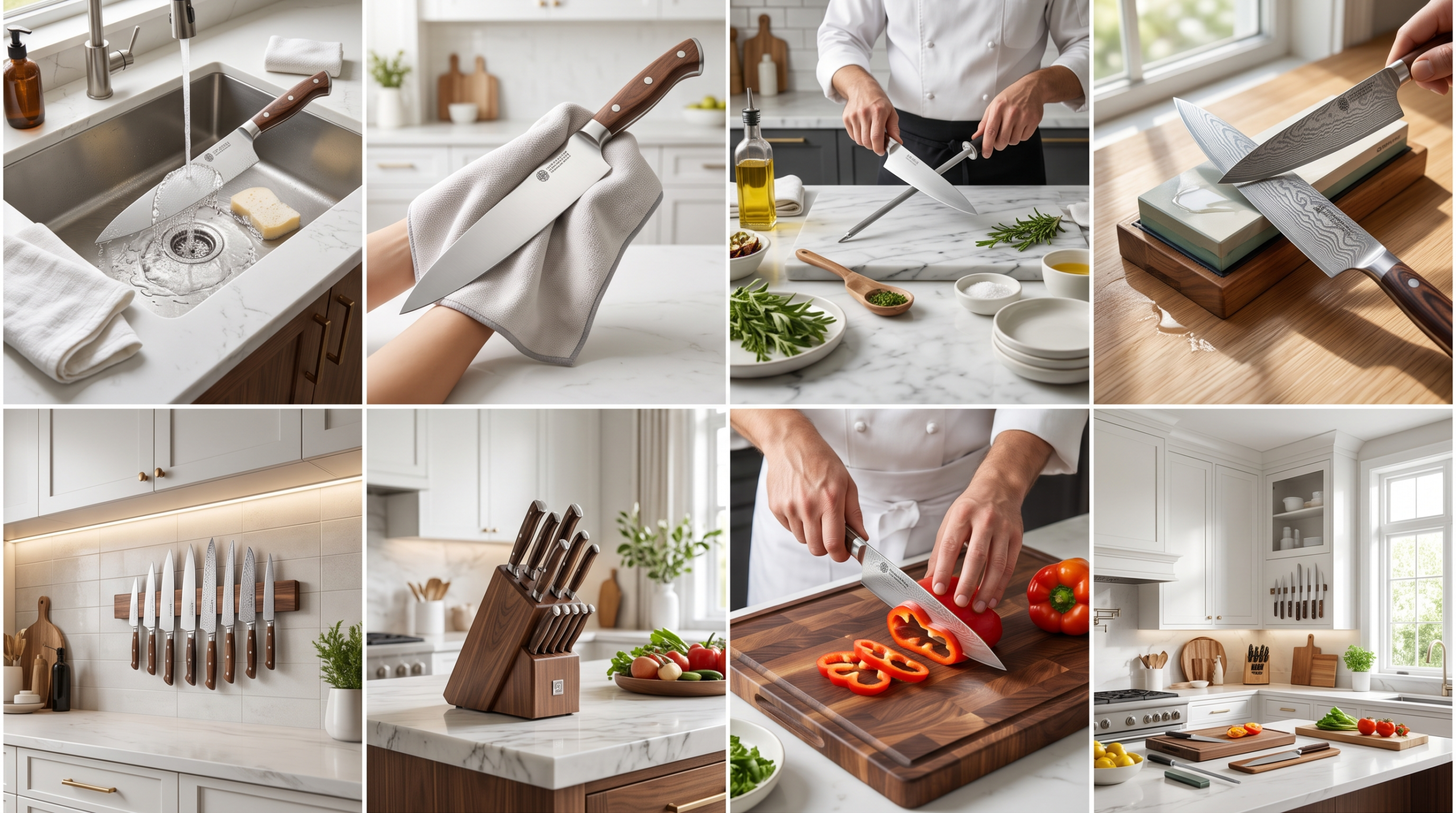
Leaving a high-carbon or stainless steel blade soiled on a countertop or submerged in a sink exposes the metal to prolonged chemical stress. Food residues, particularly acidic compounds from citrus or tomatoes, initiate microscopic pitting along the cutting edge, rapidly degrading its sharpness. To mitigate this material tension, knives must be hand-washed immediately after use with a non-abrasive microfiber cloth, mild surfactant, and lukewarm water. This meticulous manual process protects the blade from the caustic environments that damage high-performance culinary tools, ensuring the metal remains a pristine canvas.

2. Reject the Mechanical Dishwasher Entirely

Reject the Mechanical Dishwasher Entirely - Care for Kitchen Knives
Reject the Mechanical Dishwasher Entirely – Care for Kitchen Knives

The high-temperature environment of a mechanical dishwasher is catastrophic to gallery-grade cutlery. Intense thermal cycles cause rapid expansion and contraction of the steel, which can warp the blade and loosen structural rivets within the handle assembly. Furthermore, the turbulent water pressure forces the delicate edge to collide with adjacent ceramic plates or utensil baskets, dulling or chipping the blade. Understanding these mechanical risks is as crucial as mastering the selection of essential kitchen knives every kitchen should have to maintain a highly functional culinary workspace.

3. Implement Thorough Moisture Eradication

Implement Thorough Moisture Eradication - Care for Kitchen Knives
Implement Thorough Moisture Eradication – Care for Kitchen Knives

The structural preservation of premium steel relies on immediate and absolute dryness. Allowing a knife to air-dry introduces prolonged moisture exposure, which can cause oxidation and rust, even on high-quality stainless steel alloys. After manual washing, the blade and handle must be thoroughly dried using a clean, lint-free cloth. Pay close attention to the bolster and tang junctions, where trapped water can degrade handle materials like stabilized wood or composite resins over time. This step maintains the clean, structural integrity of the knife.

4. Utilize End-Grain Wooden Cutting Surfaces

Utilize End-Grain Wooden Cutting Surfaces - Care for Kitchen Knives
Utilize End-Grain Wooden Cutting Surfaces – Care for Kitchen Knives

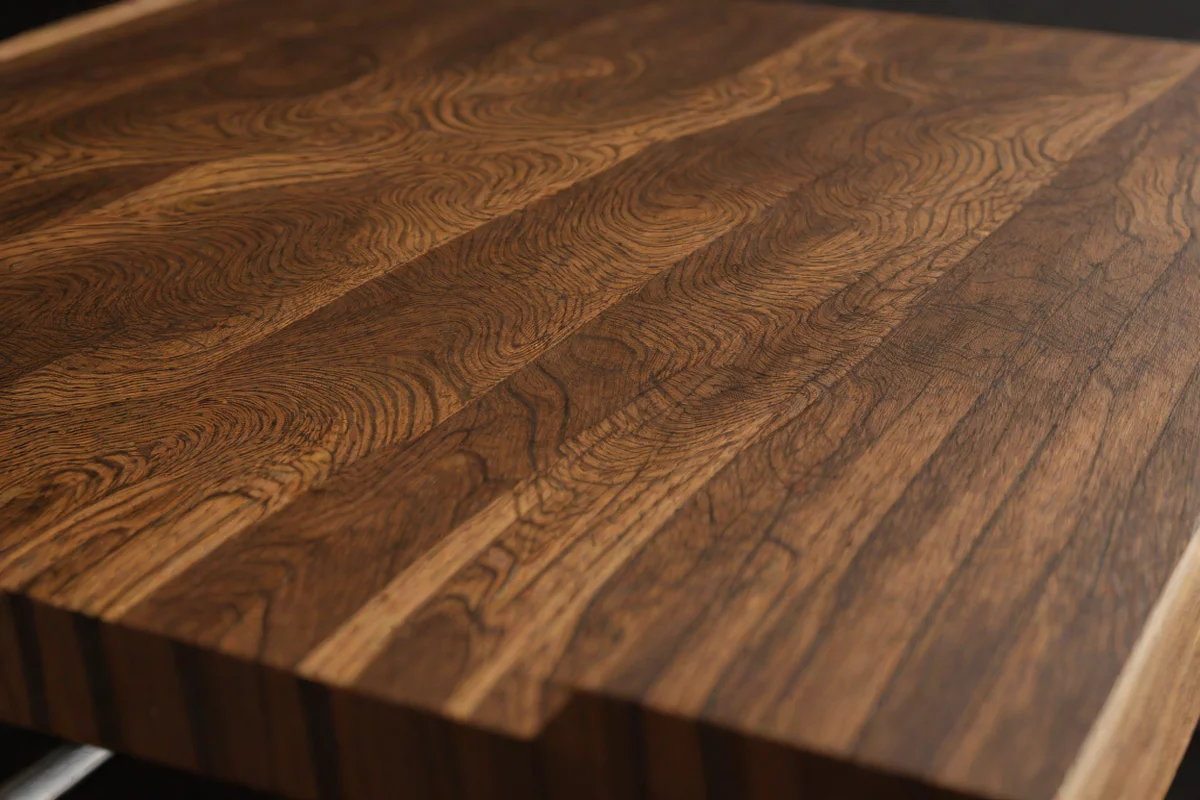
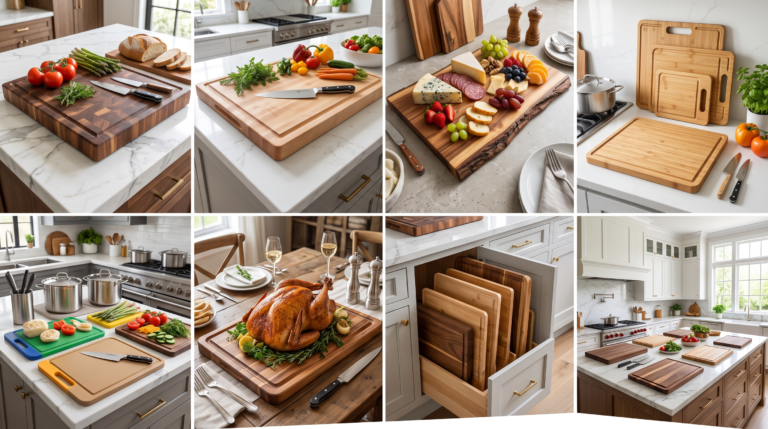
The choice of cutting surface dictates the longevity of a knife’s microscopic edge. Materials such as glass, marble, ceramic, or composite plastics present an unyielding surface that deflects and rolls the fine edge of the blade upon impact. To preserve the alignment of the steel, always use end-grain wooden cutting boards, such as walnut or maple. The vertical wood fibers act like a natural cushion, absorbing the downward force of the blade rather than resisting it. This mindful approach to material interaction mirrors the principles found in a well-executed warm modern kitchen design, where utility and material intelligence work together.

5. Establish a Regular Honing Discipline

Establish a Regular Honing Discipline - Care for Kitchen Knives
Establish a Regular Honing Discipline – Care for Kitchen Knives

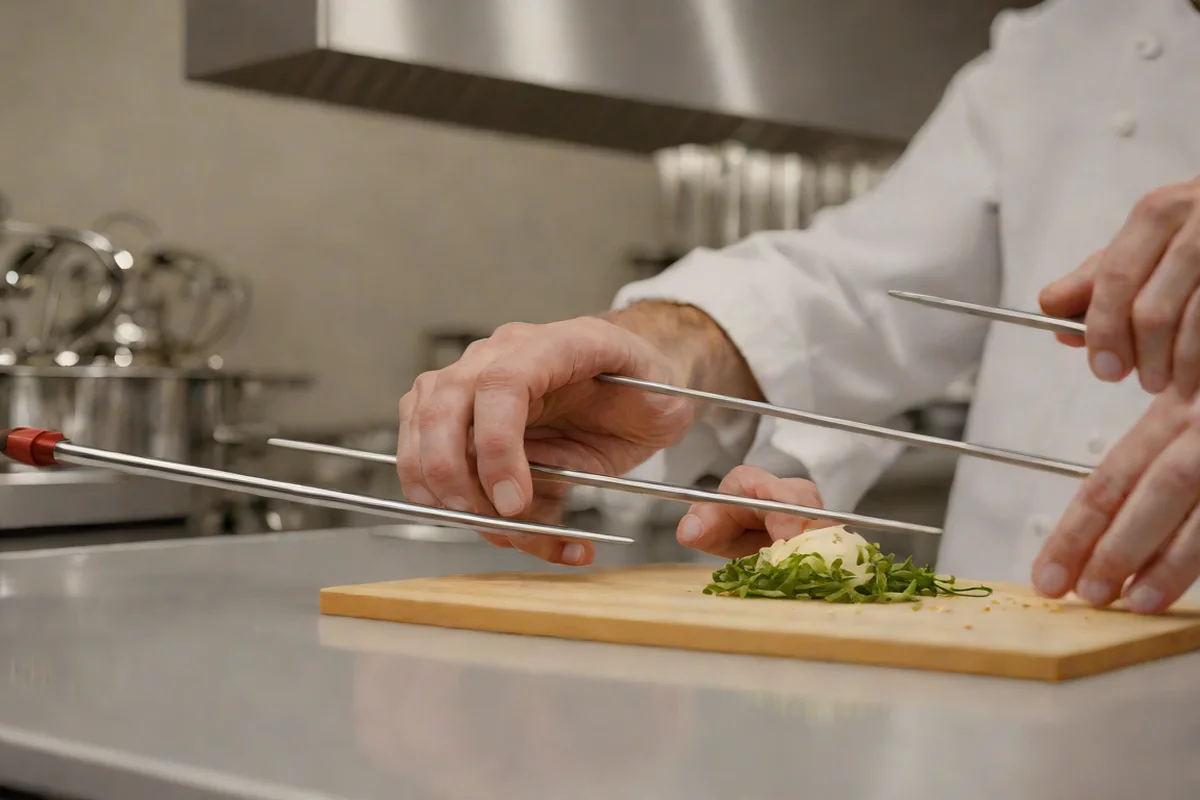
Honing is often confused with sharpening, but it serves a completely distinct structural purpose. Daily culinary use causes the microscopic apex of the blade to bend or curl out of alignment. A high-quality honing rod, crafted from ceramic or diamond-coated steel, gently coaxes this rolled edge back into a perfectly straight line without removing significant metal. Drawing the blade down the rod at a precise 15-to-20-degree angle maintains optimal cutting performance between true sharpening sessions. Integrating this practice helps prevent accidental slips, keeping your workspace as efficient and safe as a professionally organized kitchen utilizing the best spice racks that actually work in real kitchens.

6. Commit to Periodic Whetsone Sharpening

Commit to Periodic Whetsone Sharpening - Care for Kitchen Knives
Commit to Periodic Whetsone Sharpening – Care for Kitchen Knives

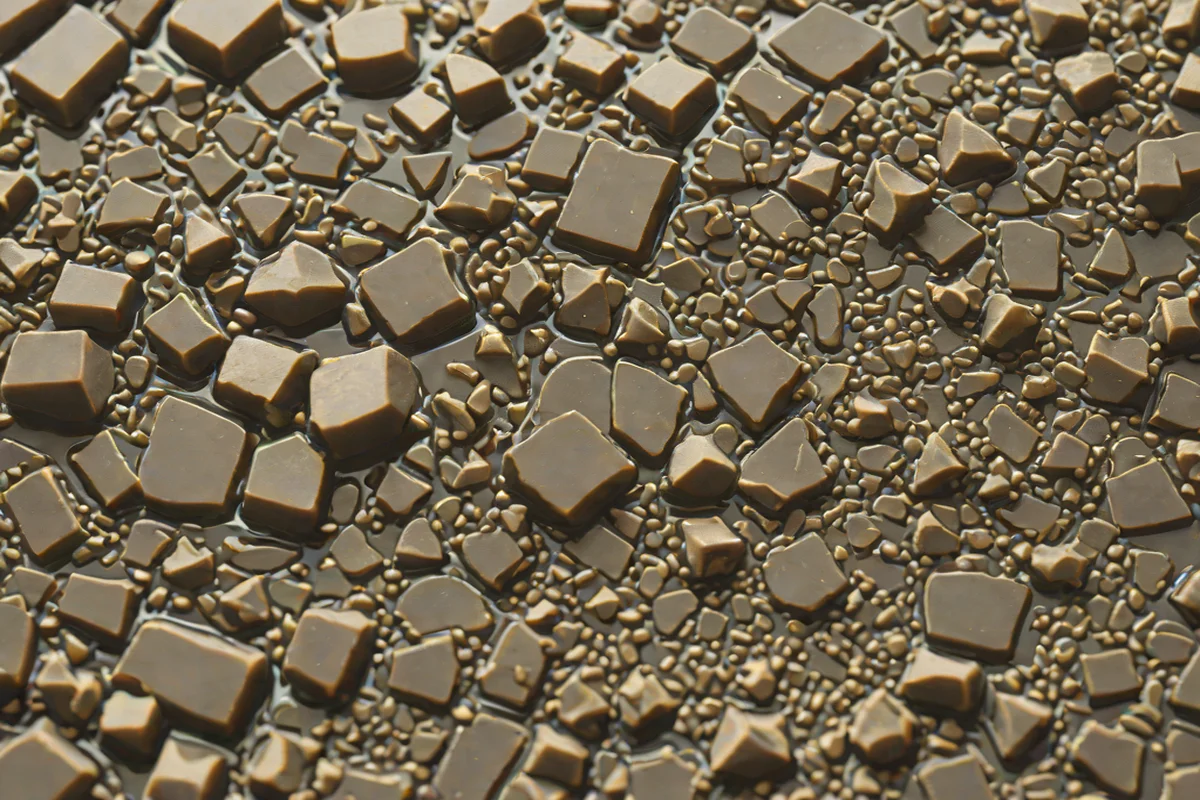
When a knife truly dulls, its edge has become rounded, requiring actual metal removal to establish a new, razor-sharp apex. This restoration is best achieved using a series of progressive-grit whetstones, rather than aggressive mechanical or electric sharpeners that can overheat and ruin the steel’s temper. Submerging the stones in water and drawing the blade across the surface creates a refined, sharp edge. For enthusiasts looking to expand their culinary knowledge, understanding the different types of kitchen knives and their specific edge geometries is essential for applying the correct sharpening angles.

7. Adopt Wall-Mounted Magnetic Storage Profiles

Adopt Wall-Mounted Magnetic Storage Profiles - Care for Kitchen Knives
Adopt Wall-Mounted Magnetic Storage Profiles – Care for Kitchen Knives

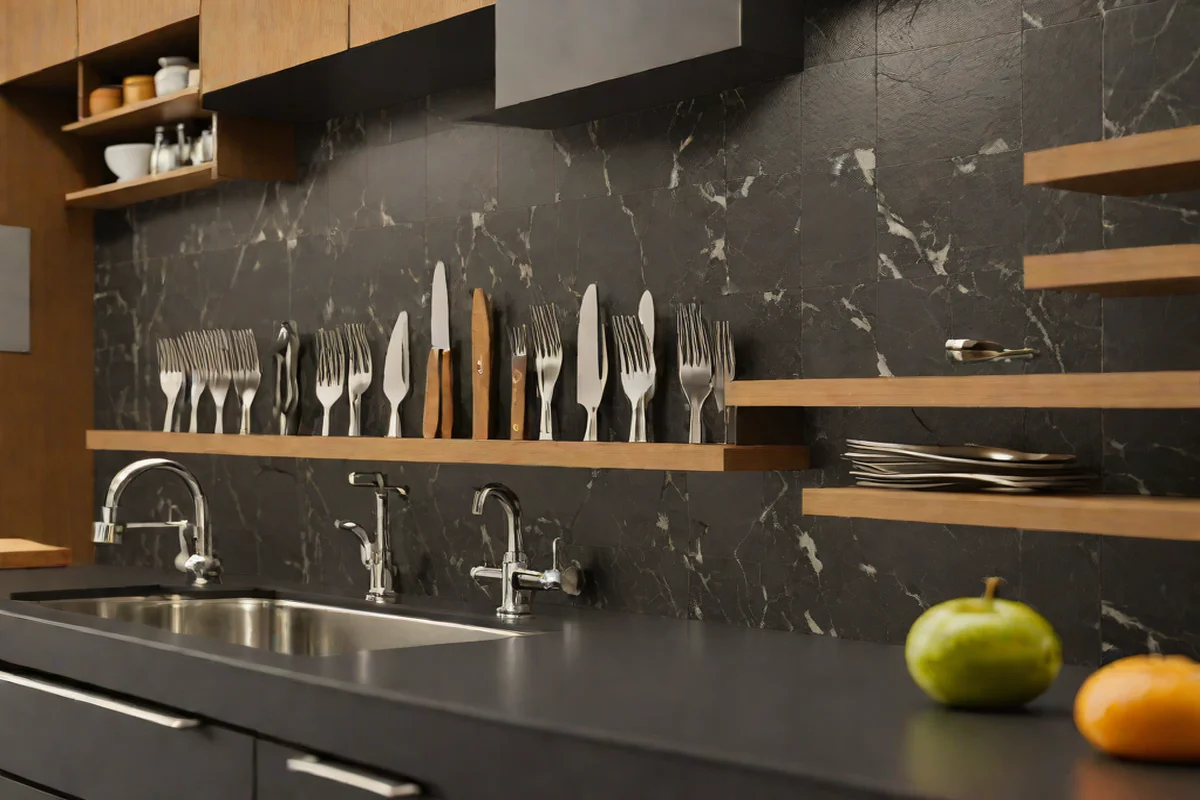
Storing premium knives loose in a utilitarian drawer allows the uncovered blades to strike one another, causing chips, nicks, and dullness. To prevent this friction, integrate a flush, wood-veneered magnetic strip onto your kitchen backsplash. This storage method honors Linear Rhythm by keeping the knives clearly visible and easily accessible while protecting the exposed edges from physical contact. This architectural integration of storage beautifully complements the clean lines and meticulous organization found in luxurious modern kitchen ideas.

8. Integrate In-Drawer Slotted Cork Organizers

Integrate In-Drawer Slotted Cork Organizers - Care for Kitchen Knives
Integrate In-Drawer Slotted Cork Organizers – Care for Kitchen Knives

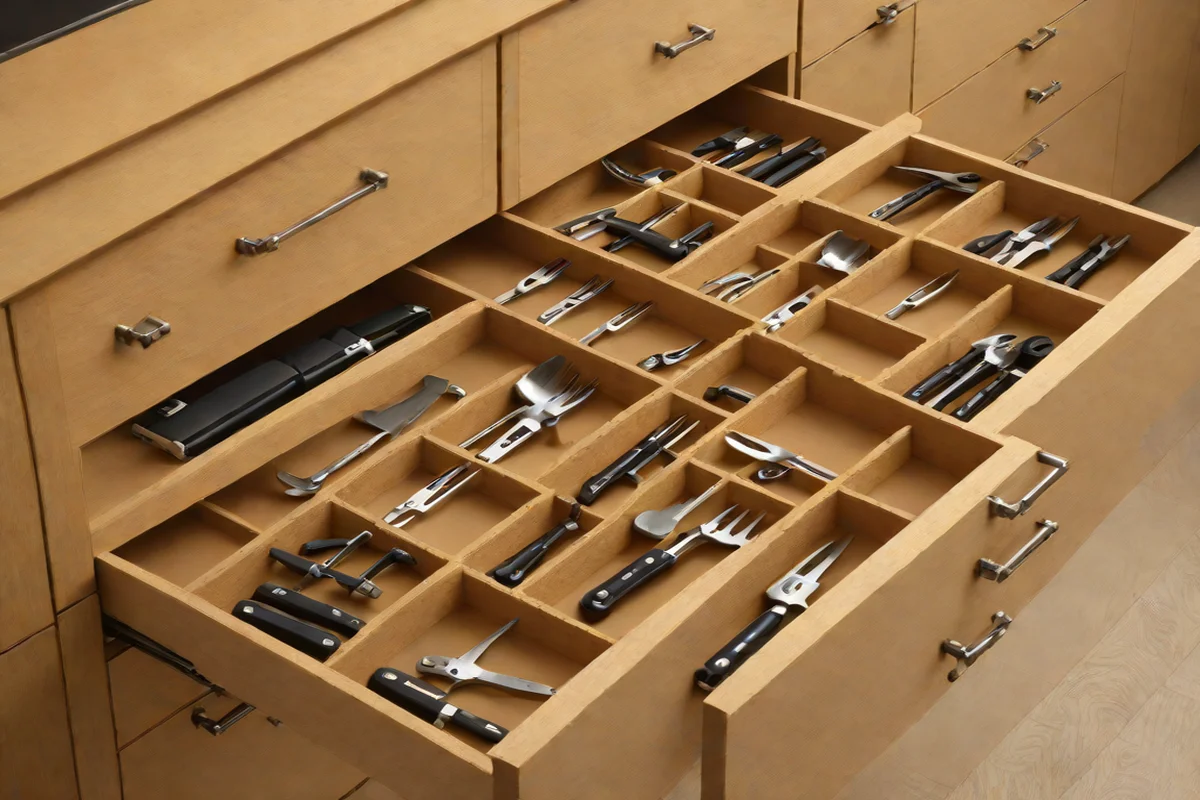
For culinary spaces where clear backsplashes are preferred, in-drawer slotted organizers offer an excellent alternative for protecting your cutlery. These inserts feature dedicated, horizontal channels lined with cork or soft wood that cradle each knife securely. This prevents the blades from shifting during drawer movement, protecting both the edges and the user’s fingers. Optimizing your workspace with smart storage solutions is key to maintaining a functional kitchen environment, similar to the spatial planning required when exploring creative kitchen storage ideas to organize and style your space.

9. Apply Food-Grade Mineral Oil Treatments

Apply Food-Grade Mineral Oil Treatments - Care for Kitchen Knives
Apply Food-Grade Mineral Oil Treatments – Care for Kitchen Knives

High-carbon steel blades lack chromium, making them highly susceptible to atmospheric moisture and oxidation. To create a protective barrier against rust, apply a few drops of food-grade mineral or camellia oil to the clean, dry blade before long-term storage. Buff the oil into the steel with a soft cloth to leave a microscopic, hydrophobic film. This protective layer shields the steel from environmental humidity, ensuring the blade maintains its pristine, reflective finish.

10. Refrain from Lateral Twisting and Levering Actions

Refrain from Lateral Twisting and Levering Actions - Care for Kitchen Knives
Refrain from Lateral Twisting and Levering Actions – Care for Kitchen Knives

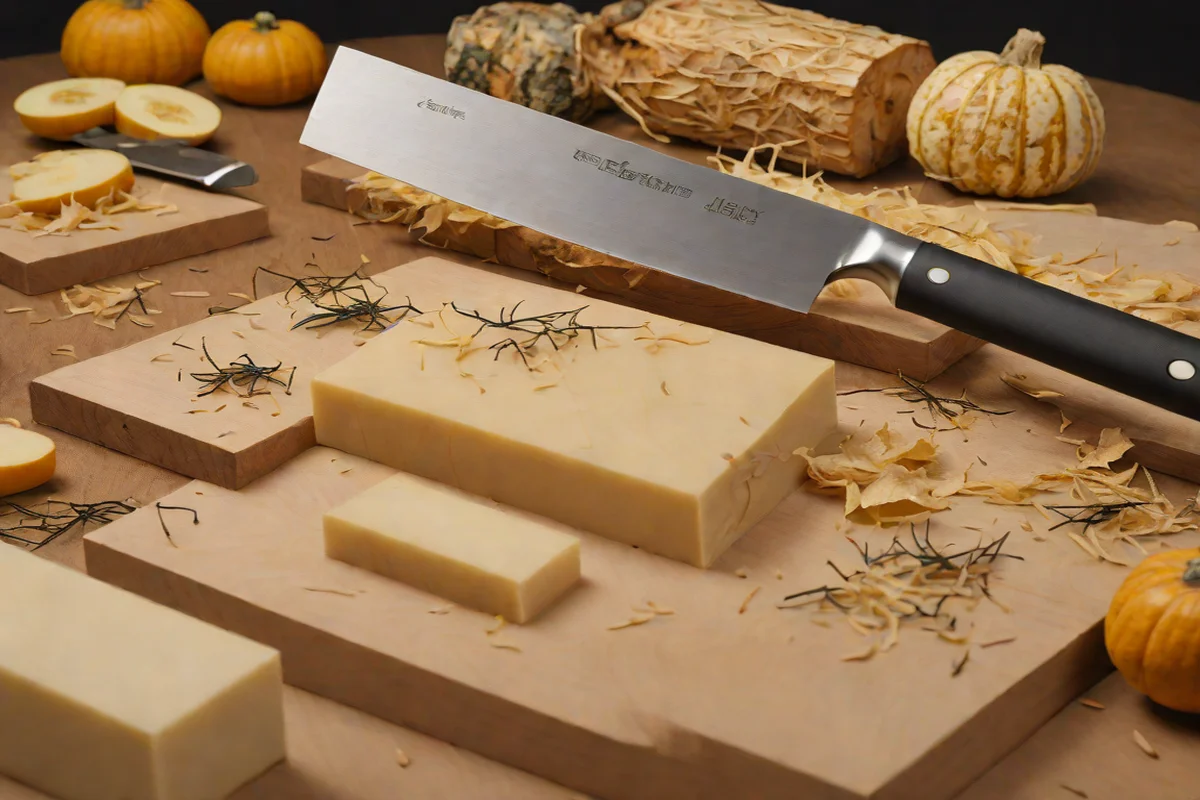
Kitchen knives are engineered exclusively for linear cutting, slicing, and chopping motions. Using a delicate chef’s knife or utility knife to pry apart frozen foods, twist open jar lids, or snap bones introduces intense lateral stress to the brittle cutting edge. This improper force can cause large sections of the steel to fracture or chip. For heavy-duty tasks that involve bone or dense squash, always use a heavy cleaver designed to withstand high-impact forces.

11. Practice Correct Clearing Techniques

Practice Correct Clearing Techniques - Care for Kitchen Knives
Practice Correct Clearing Techniques – Care for Kitchen Knives

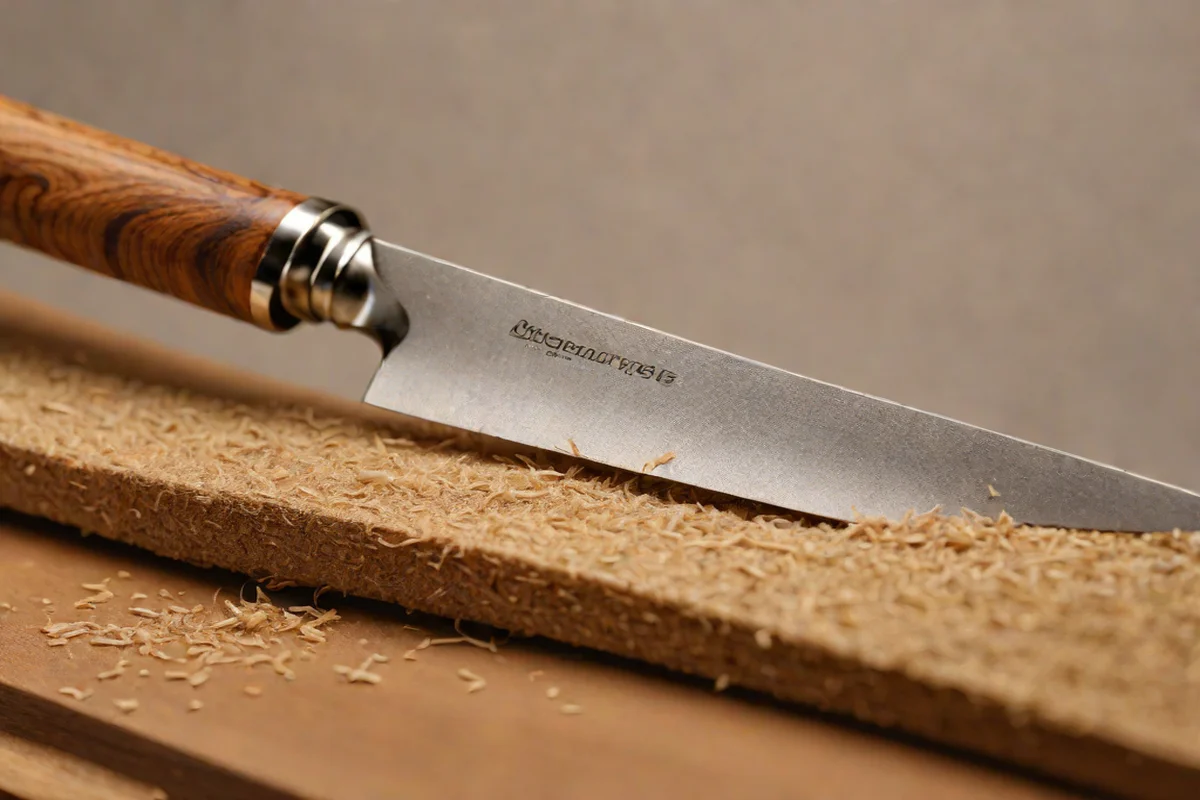
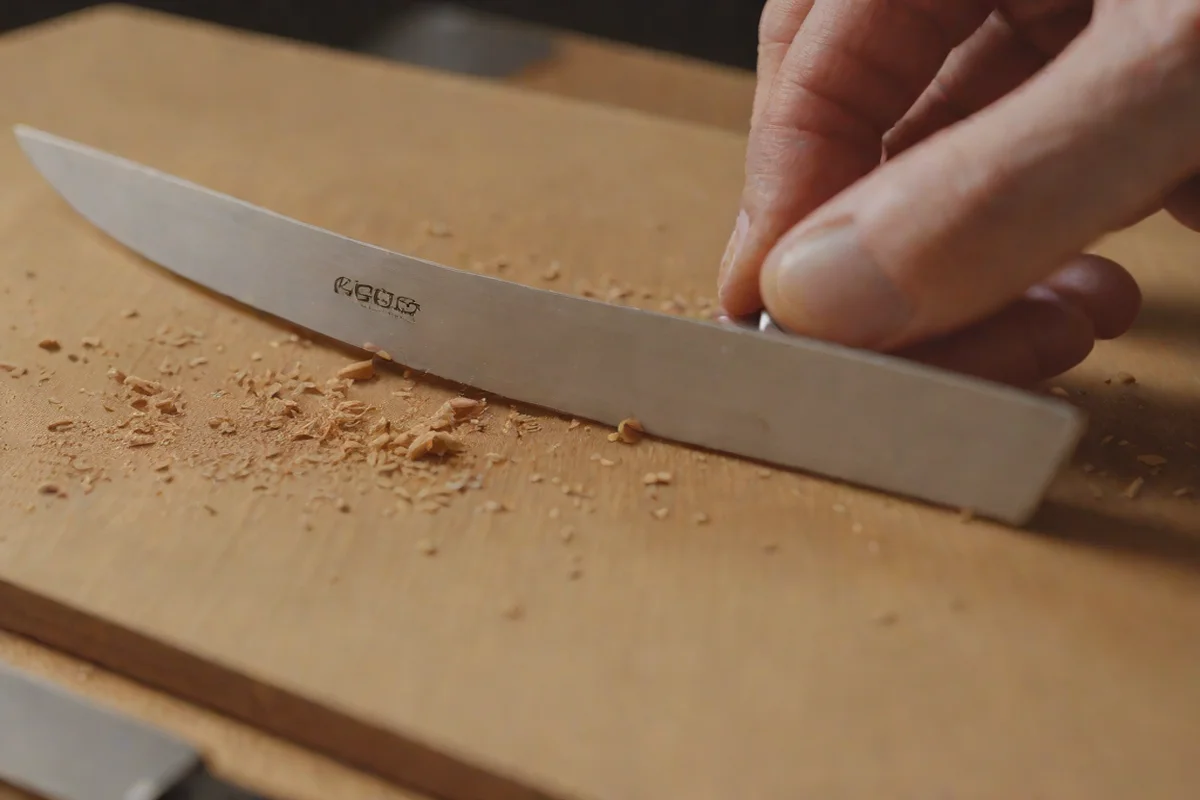
A common habit that dulls a knife is scraping chopped ingredients off a wooden cutting board using the blade’s sharp edge. This lateral scraping action folds the fine edge over, undoing the benefits of regular honing. To clear your cutting surface safely, simply flip the knife over and use the broad, unsharpened spine to move ingredients. This small adjustment preserves the alignment of the edge and keeps the tool cutting smoothly throughout meal prep.

12. Protect and Maintain Handle Integrity

Protect and Maintain Handle Integrity - Care for Kitchen Knives
Protect and Maintain Handle Integrity – Care for Kitchen Knives

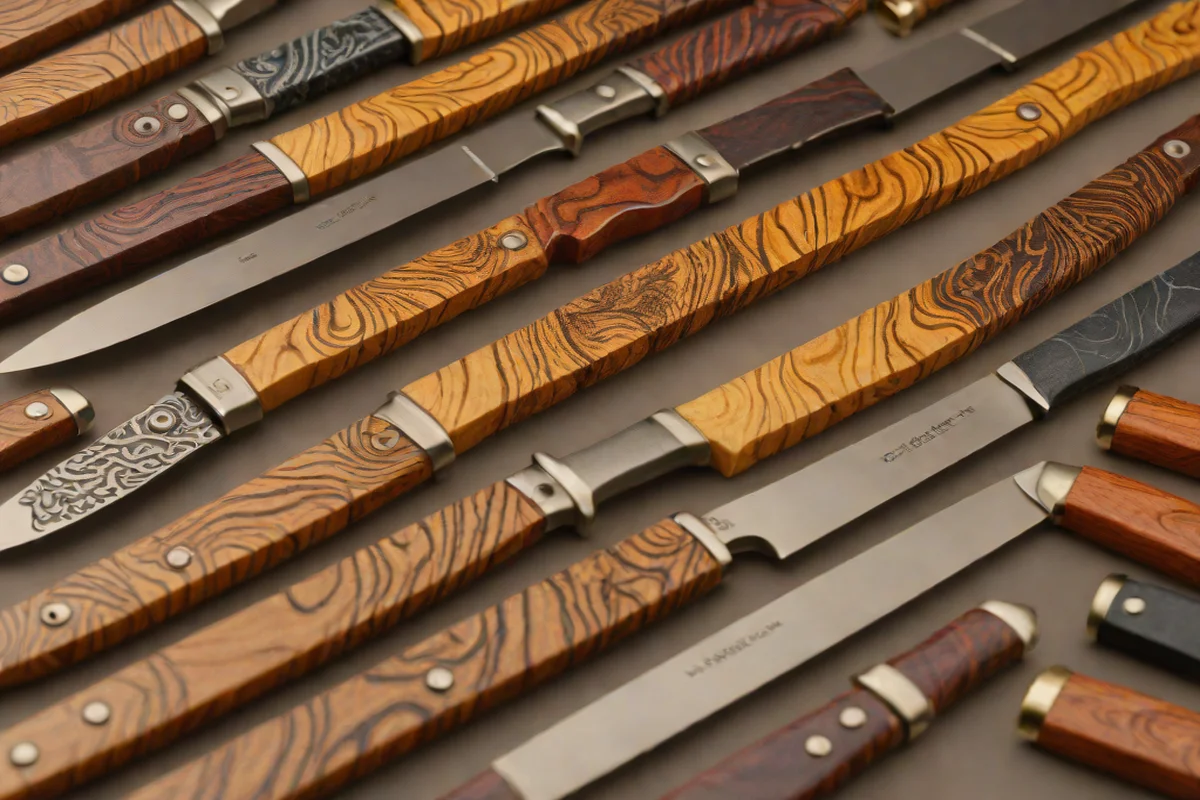
A knife’s performance relies heavily on its structural balance, which can be compromised if the handle degrades. Handles made from natural exotic woods require periodic sealing with mineral oil or beeswax to prevent splitting, shrinking, or absorbing moisture. Composite or resin handles should be regularly inspected for cracks or loose rivets. Keeping the handle secure ensures a stable grip and optimal control, allowing you to cut with confidence and precision.

13. Use Custom Transport Sheaths for Off-Site Mobility

Use Custom Transport Sheaths for Off-Site Mobility - Care for Kitchen Knives
Use Custom Transport Sheaths for Off-Site Mobility – Care for Kitchen Knives

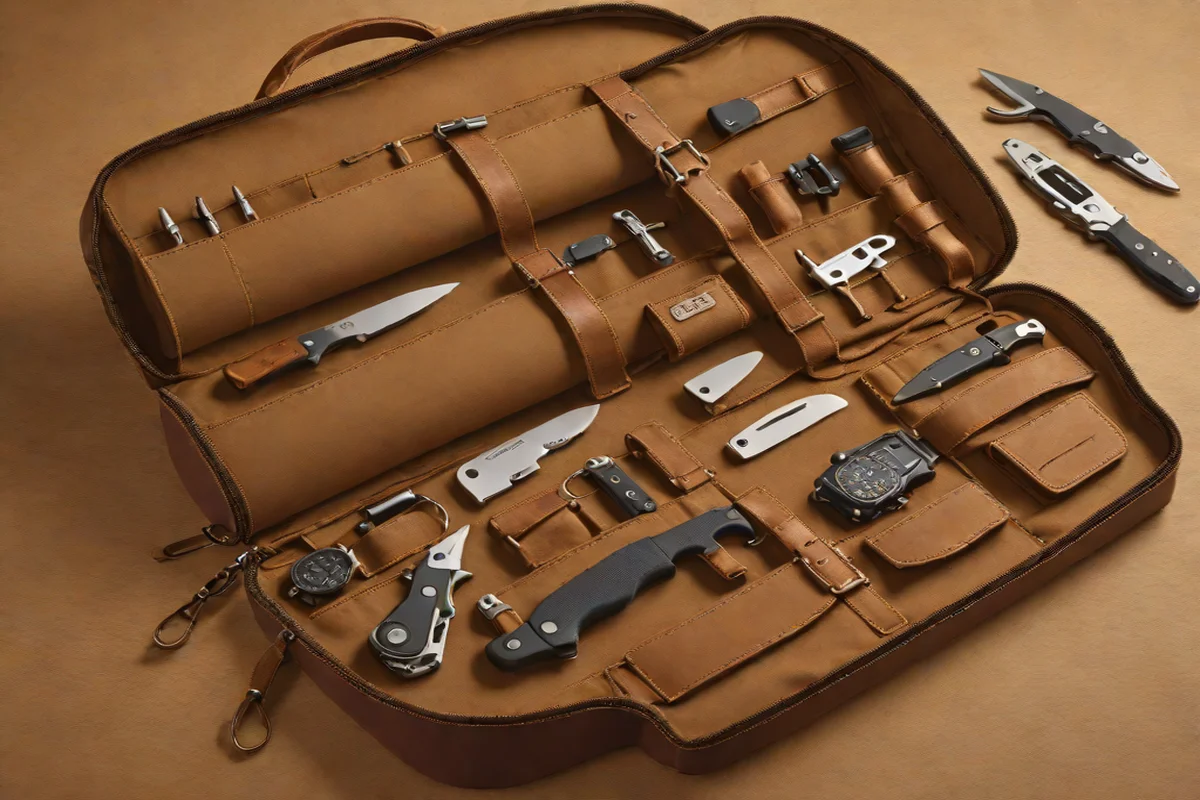
When transporting knives outside the home, carrying them loose or wrapped in a simple towel poses significant safety and structural risks. Investing in custom-fit leather sheaths or a dedicated canvas knife roll ensures each blade is isolated and protected from impact. This mobile security protocol safeguards the refined edges from damage and ensures your tools arrive at their destination in peak condition.

14. Establish a Professional Inspection and Maintenance Schedule

Establish a Professional Inspection and Maintenance Schedule - Care for Kitchen Knives
Establish a Professional Inspection and Maintenance Schedule – Care for Kitchen Knives

Even with meticulous daily maintenance, premium cutlery benefits from an annual structural evaluation. A professional bladesmith can inspect the knife for microscopic stress fractures, correct any warped geometry, and thin the primary grind if the blade has grown thick from repeated sharpenings. This comprehensive care routine extends the lifespan of your knives, transforming them into multi-generational heirlooms that maintain peak performance and structural elegance for decades.


Frequently Asked Questions Can I use olive oil or vegetable oil to protect my knife blades from rust? It is not recommended to use cooking oils like olive oil, canola oil, or vegetable oil for blade preservation. Over time, these organic fats oxidize and turn rancid, leaving a sticky, resinous residue on the steel that attracts dust and ruins the blade’s finish. Always use food-grade mineral oil or pure camellia oil, which remain stable and fluid indefinitely.

How often should I hone my kitchen knife compared to sharpening it?

Honing should be performed frequently – ideally before or after every significant meal preparation session – as it simply realigns the existing edge without removing steel. Sharpening, on the other hand, should only be executed when the blade fails to perform efficiently after being honed, which typically translates to once or twice a year for premium knives in a residential setting.

Why is high-carbon steel preferred by professionals if it rusts so easily?

High-carbon steel lacks the chromium found in stainless steel, making it vulnerable to corrosion but offering a much finer crystalline structure. This structural characteristic allows the blade to be sharpened to a significantly sharper edge and maintain that sharpness for a longer duration. For culinary purists, the superior cutting performance easily outweighs the extra maintenance required. Is a ceramic knife better than a forged steel knife in terms of maintenance? Ceramic knives hold their edge significantly longer than steel and never rust, but they lack structural flexibility and are incredibly brittle. They cannot be honed at home and are prone to snapping or chipping if they hit a bone or drop onto a hard floor. Forged steel remains the industry standard due to its durability, ease of maintenance, and structural resilience. Curation and Explore Your Entire Home Layout Ready to expand these high-performance design and styling strategies across the other active thresholds of your estate? We invite you to continue your design journey by exploring our comprehensive structural chronicles and expert lifestyle manuals across the entire USA Home Bloom Platform. Dive into our meticulously curated digital gallery to unlock advanced space-saving secrets, pro-grade color curation strategies, and expert home optimization rubrics that allow your home’s natural paths and your own personal clarity to truly bloom!

Similar Posts

Leave a Reply

Your email address will not be published. Required fields are marked *