
The first Thanksgiving I hosted, I pulled the turkey out an hour early because the skin looked done. The breast was dry, the thighs were pink, and my uncle quietly reached for the gravy boat.
That bird taught me the only timing rule that matters: cook to temperature, not to the clock. These 19 tips will help you nail the timing and serve a juicy turkey.
1. Weigh the Bird First

Timing starts at the scale, not the oven. A 12-pound turkey cooks about an hour faster than a 20-pound one, so guessing the weight means guessing the whole dinner. Weigh the bird or check the label, then work out your start time from the real number.
- Write the weight on a sticky note.
Try this: Add 30 minutes if the bird is stuffed.
2. The 13-Minute Rule

For an unstuffed turkey roasted at 325 degrees, plan on 13 minutes per pound. A 15-pound bird needs about 3 hours and 15 minutes, while a 20-pound bird needs closer to 4 hours and 20 minutes. Use this as your starting plan, then confirm with a thermometer.
- Round up to the nearest 15 minutes for safety.
Try this: Count backward from dinner time.
3. Unstuffed Cooks Faster
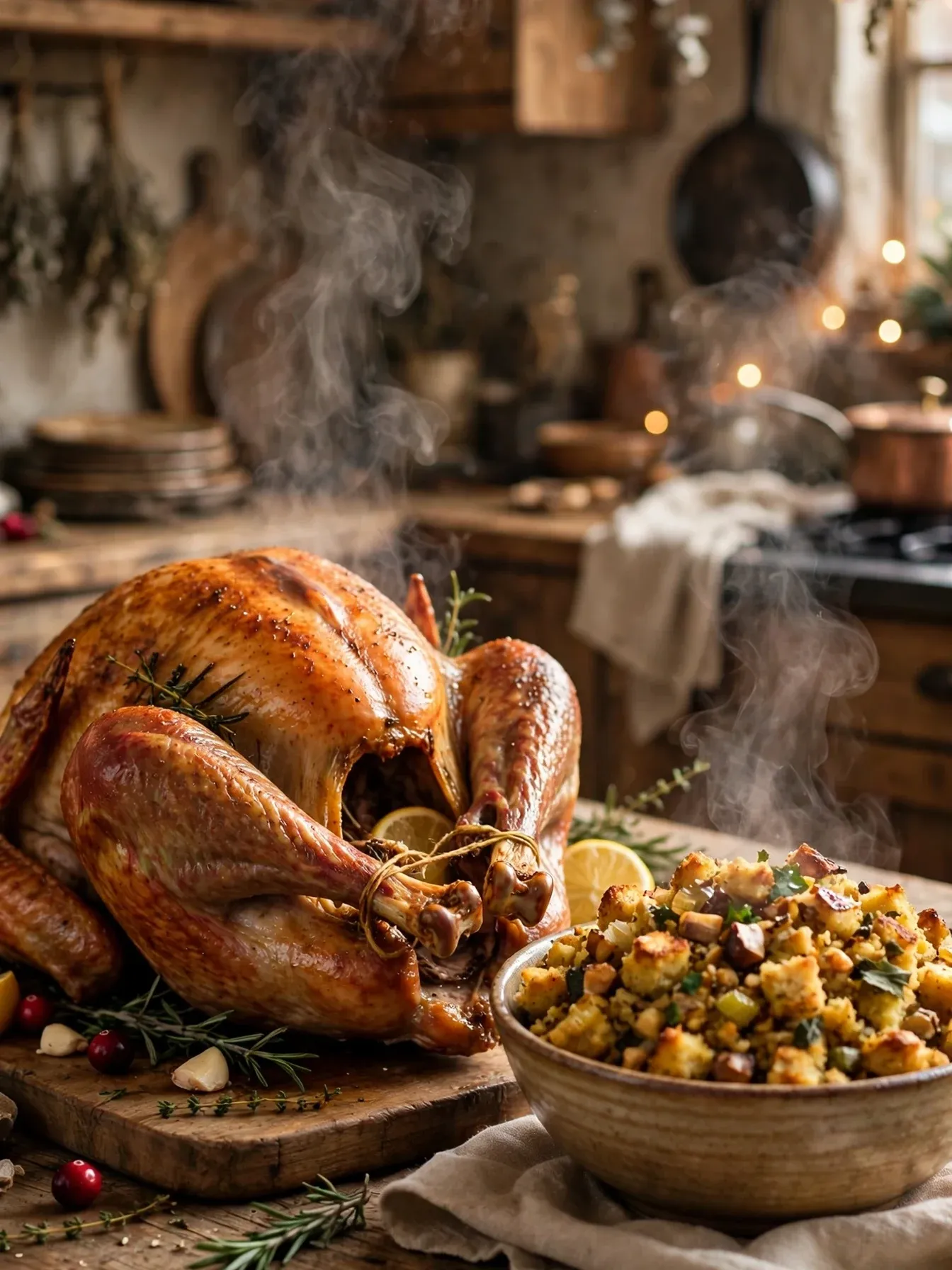
Stuffing slows heat from reaching the center, so a stuffed bird needs about 15 minutes per pound instead of 13. If you love stuffing, cook it in a dish on the side and keep the bird unstuffed. You get crisp skin and the stuffing still tastes like Thanksgiving.
- Bake side stuffing at 350 degrees for 30 minutes.
Try this: Add extra butter to side stuffing.
4. Start Hot, Then Drop the Heat

Roast at 450 degrees for the first 30 minutes to brown the skin, then drop the oven to 325 degrees for the rest of the cook. The hot start seals in color and flavor, while the lower heat lets the meat cook gently. A sturdy pan helps here, so pick one from these best cookware sets first.
- Set a timer for the 30-minute switch.
Try this: Do not open the door during the hot start.
5. Tent with Foil at the Right Time

If the breast browns too fast, tent it loosely with foil and leave the legs exposed. The foil shields the breast while the dark meat keeps cooking. Check every 30 minutes after tenting so the skin stays crisp instead of steaming soft.
- Shiny side out.
Try this: Tent only the breast, never the whole bird.
6. Use a Meat Thermometer
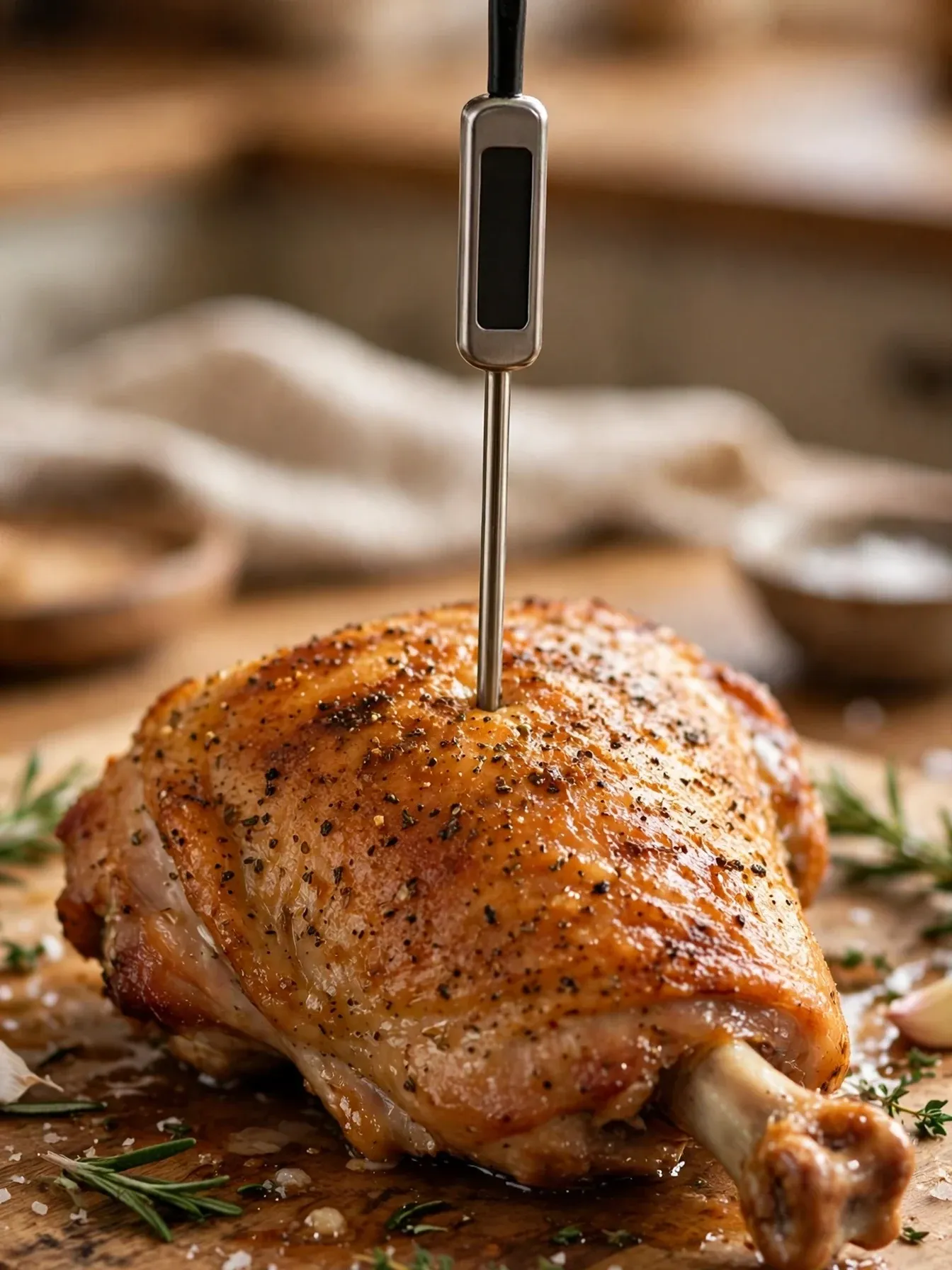
A thermometer is the only honest clock in the kitchen. Pop-up timers melt too early and guesswork dries out the breast. Insert a meat thermometer into the thickest part of the thigh and trust the number, not the color of the juices.
Try this: Check the reading twice before you pull the bird.
7. Check the Thigh, Not the Breast

Dark meat cooks slower than white meat, so the thigh is your real finish line. Slide the probe into the thickest part of the thigh without touching bone. When the thigh reads 165 degrees, the breast is done too, and the bird is safe to serve.
- Test both thighs for an even read.
Try this: Avoid the bone or the reading will lie.
8. The 165-Degree Finish Line

Turkey is safe at 165 degrees in the thickest part of the thigh and the center of the stuffing. Pull the bird at 160 degrees and let carryover heat finish the job while it rests. The temperature climbs about 5 degrees on the counter.
- Write 165 on your recipe card.
Try this: Pull at 160, never at 170.
9. Rest 20 Minutes Before Carving

A turkey fresh from the oven is full of hot juice that needs time to settle. Rest the bird on a cutting board for 20 minutes, tented loosely with foil. The juices spread back through the meat, so every slice stays moist instead of running onto the board. A wide board from these best cutting boards gives the bird room.
- Use the rest time to warm the gravy.
Try this: Do not slice early, even if guests are hungry.
10. Brine for a Juicier Bird
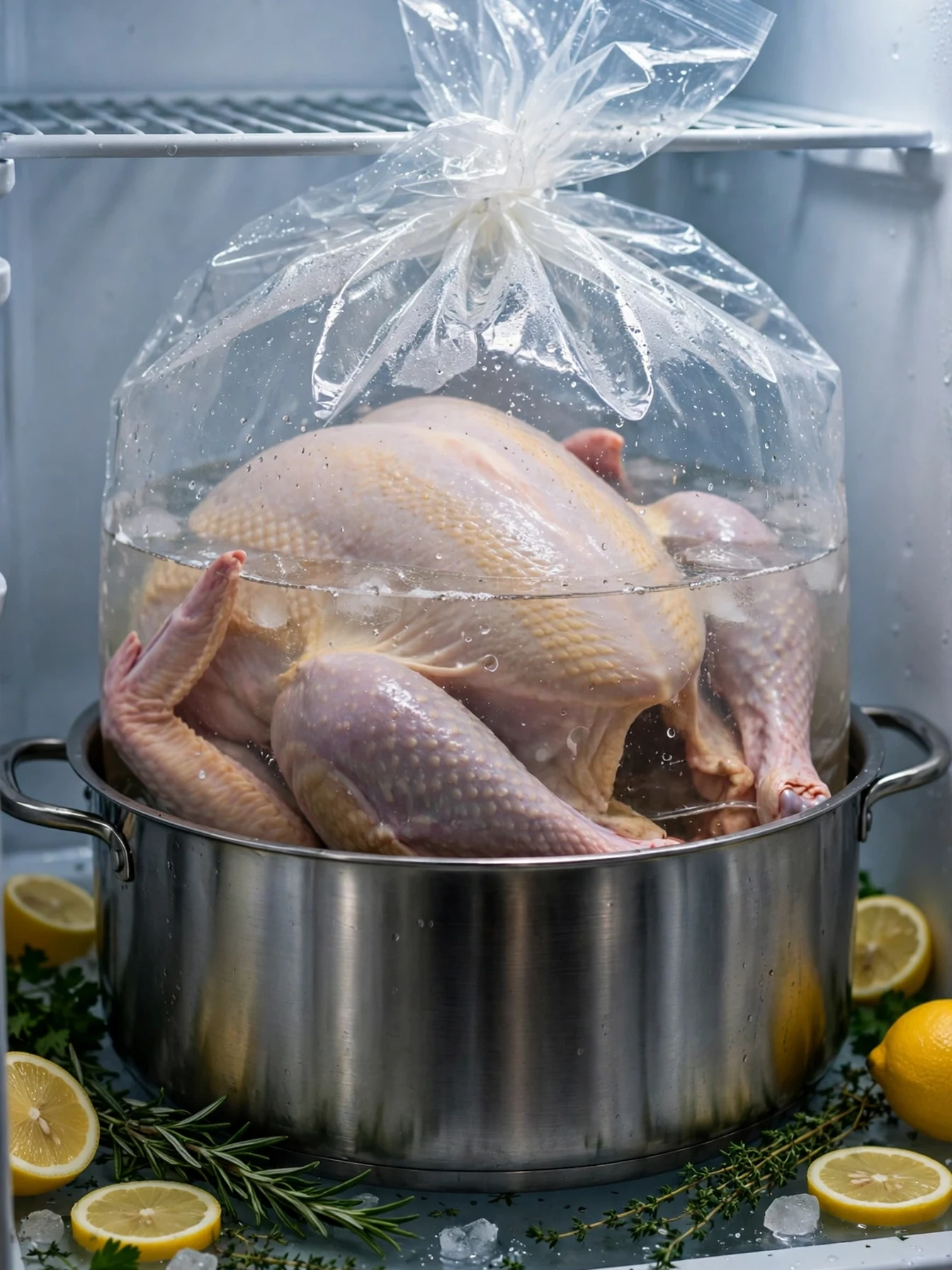
A saltwater brine adds moisture before the bird ever sees the oven. Soak the turkey in the brine overnight in the fridge, then pat it dry before roasting. The salt seasons the meat all the way through and helps it hold juice during a long cook.
- Keep the brine cold, under 40 degrees.
Try this: Skip extra salt in the rub after brining.
11. Butter Under the Skin
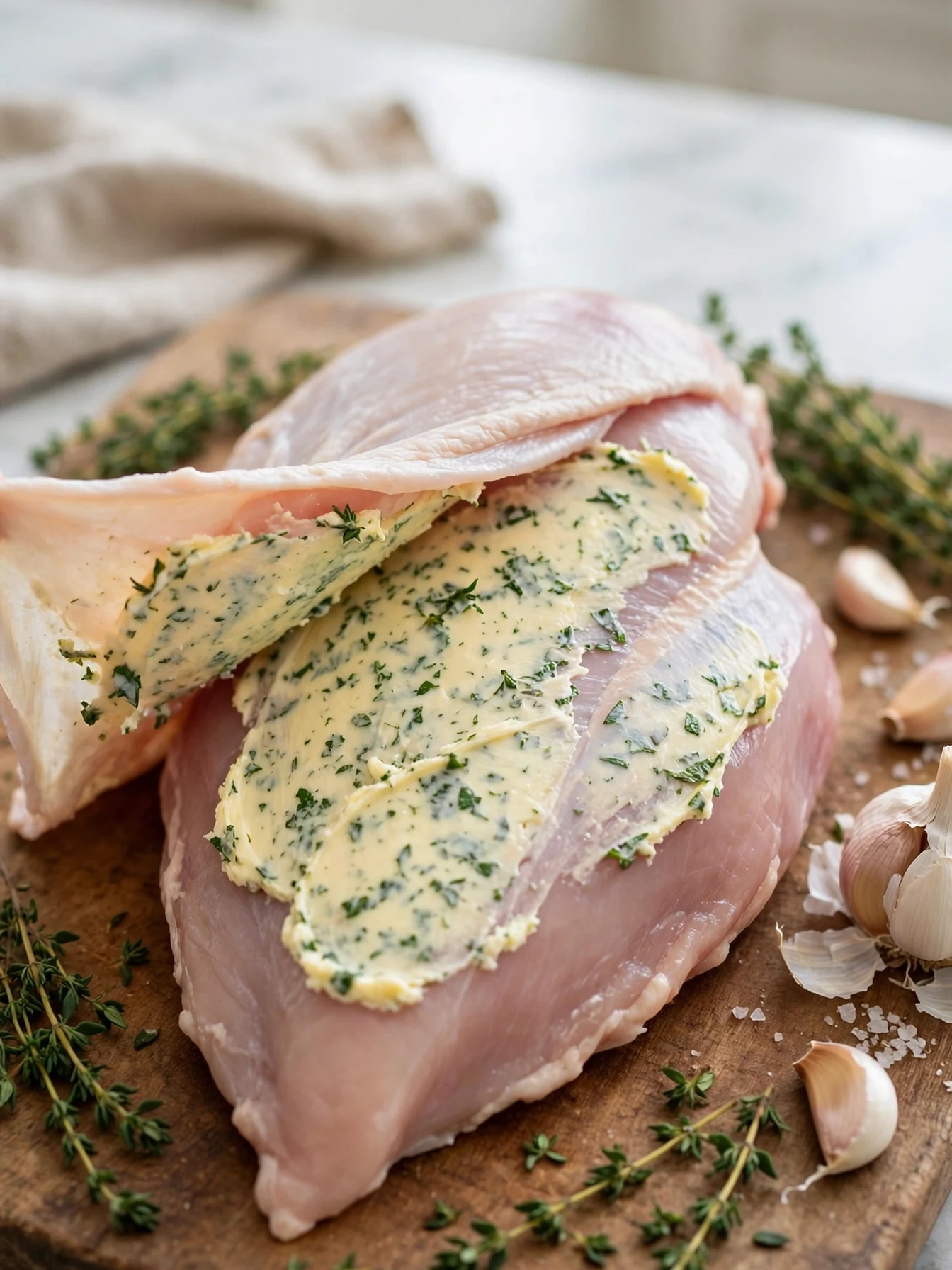
Soft butter rubbed under the breast skin keeps the leanest meat moist and helps the skin crisp. Mix the butter with herbs from your spice racks and slide it gently under the skin without tearing it. The butter melts slowly and bastes the breast from the inside out.
- Use soft butter, not melted butter.
Try this: Add garlic and thyme to the butter.
12. Roast Breast-Side Up
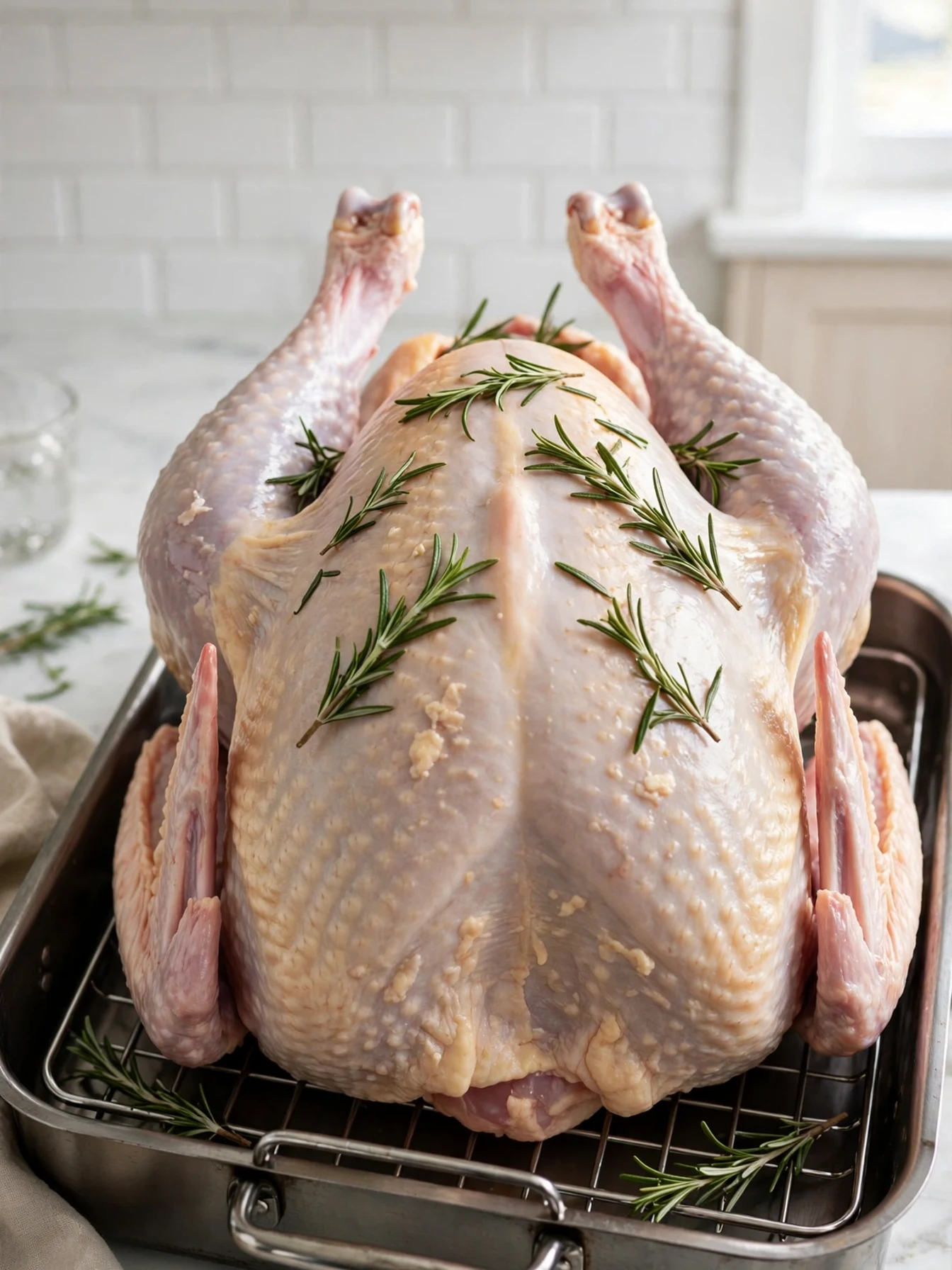
Roasting breast-side up lets the skin brown evenly and keeps the juices in the breast where they belong. A roasting rack lifts the bird off the pan so hot air flows underneath, as this cookware materials guide explains. The bottom stays crisp instead of sitting in drippings.
- Place the rack in the center of the pan.
Try this: Tuck the wing tips under the bird.
13. Don’t Open the Oven Door

Every peek drops the oven temperature by about 25 degrees and adds minutes to the cook. Trust the thermometer and the timer instead of your eyes. Check the bird only when the timer says it is time, then close the door fast.
- Use the oven light to look in.
Try this: Set the timer and walk away.
14. Baste Sparingly

Basting every 30 minutes sounds helpful, but opening the door to baste costs more heat than the spoonful of juice adds. Baste twice at most, or skip it and rub butter under the skin instead. The skin stays crisp and the oven stays hot.
- Baste with pan juices, not water.
Try this: Skip basting if the skin is already golden.
15. Spatchcock to Cut Time

Cut out the backbone and flatten the bird, and it cooks up to 45 minutes faster. The flat shape lets heat reach every part at once, so the breast and thighs finish together. Keep your blades sharp with these kitchen knives for the carving that follows.
- Save the backbone for stock.
Try this: Ask the butcher to spatchcock it for you.
16. Small Birds Cook Faster

A 10-pound turkey can finish in about 2 hours, while a 24-pound bird can take 5 hours. If your guest list is small, buy a smaller bird or two turkey breasts instead. A shorter cook means less time for the breast to dry out, and a small bird fits a cozy farmhouse kitchen.
- One pound per person is plenty.
Try this: Buy two small birds instead of one huge one.
17. Convection Oven Timing
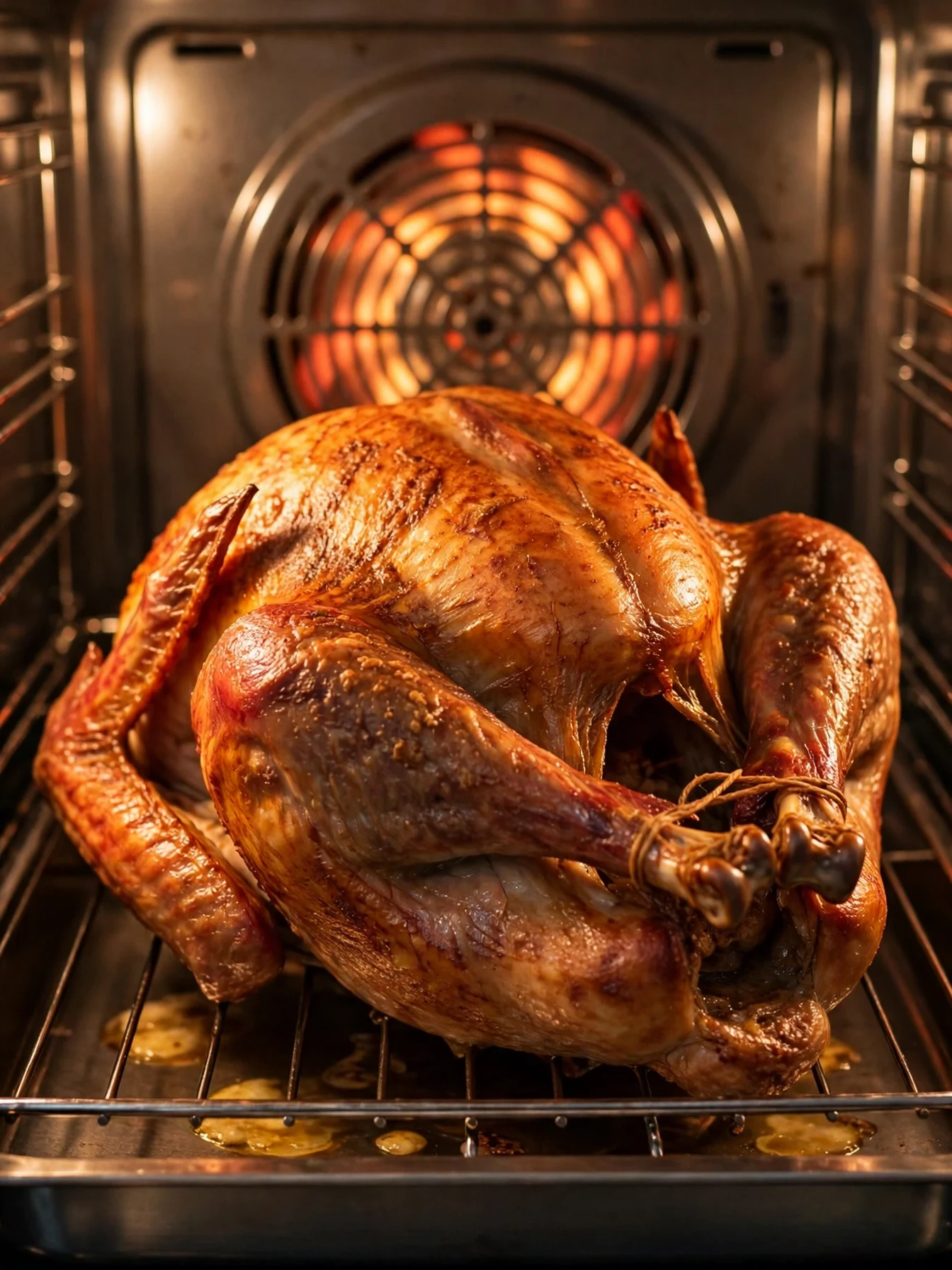
A convection fan moves hot air around the bird, so it cooks about 25 percent faster than a regular oven. Drop the temperature by 25 degrees and start checking 30 minutes early. The skin turns deep gold fast, so tent it with foil before serving under your chandelier dining room lights.
- Reduce the recipe time by a quarter.
Try this: Check the breast color at the halfway mark.
18. Let the Stuffing Hit 165 Too

Stuffing inside the bird must reach 165 degrees to be safe, and it often lags behind the meat. Check the center of the stuffing with a thermometer before you serve it. If the bird is done but the stuffing is not, scoop it out and finish it in a baking dish. A sharp blade helps here, and this guide to care for kitchen knives keeps yours ready.
- Stuff loosely so heat can reach the center.
Try this: Scoop stuffing out to finish it if needed.
19. Carve and Serve Fast

Once the bird has rested, carve it on a large board with a sharp knife and move the slices straight to a warm platter. A good set from these best knife sets makes clean slices easy. Cold turkey dries out fast on the board, so work quickly and cover the platter with foil.
- Warm the platter in the oven first.
Try this: Serve within 10 minutes for the juiciest first bite.
Frequently Asked Questions

How long does it take to cook a 20-pound turkey?
About 4 hours and 20 minutes unstuffed at 325 degrees, or close to 5 hours stuffed. Always confirm with a thermometer, since ovens vary.
Should I cook a turkey at 325 or 350 degrees?
325 degrees is the classic choice for an even cook. 350 degrees works too and finishes faster, but watch the breast so it does not dry out.
How do I know my turkey is done without a thermometer?
You cannot know for sure. Cut into the thigh and check that the juices run clear, but a thermometer is the only safe way to confirm 165 degrees.
How long should a turkey rest before carving?
Rest it for 20 minutes, tented loosely with foil. The temperature rises about 5 degrees and the juices settle back into the meat.
A Juicy Bird Every Time

Timing a turkey is really about temperature, not luck. Weigh the bird, plan your start time, and let a thermometer call the finish. Do that, and your Thanksgiving turkey will be juicy, safe, and worth the wait.