12 Different Types of Cookware That Work in Real Kitchens


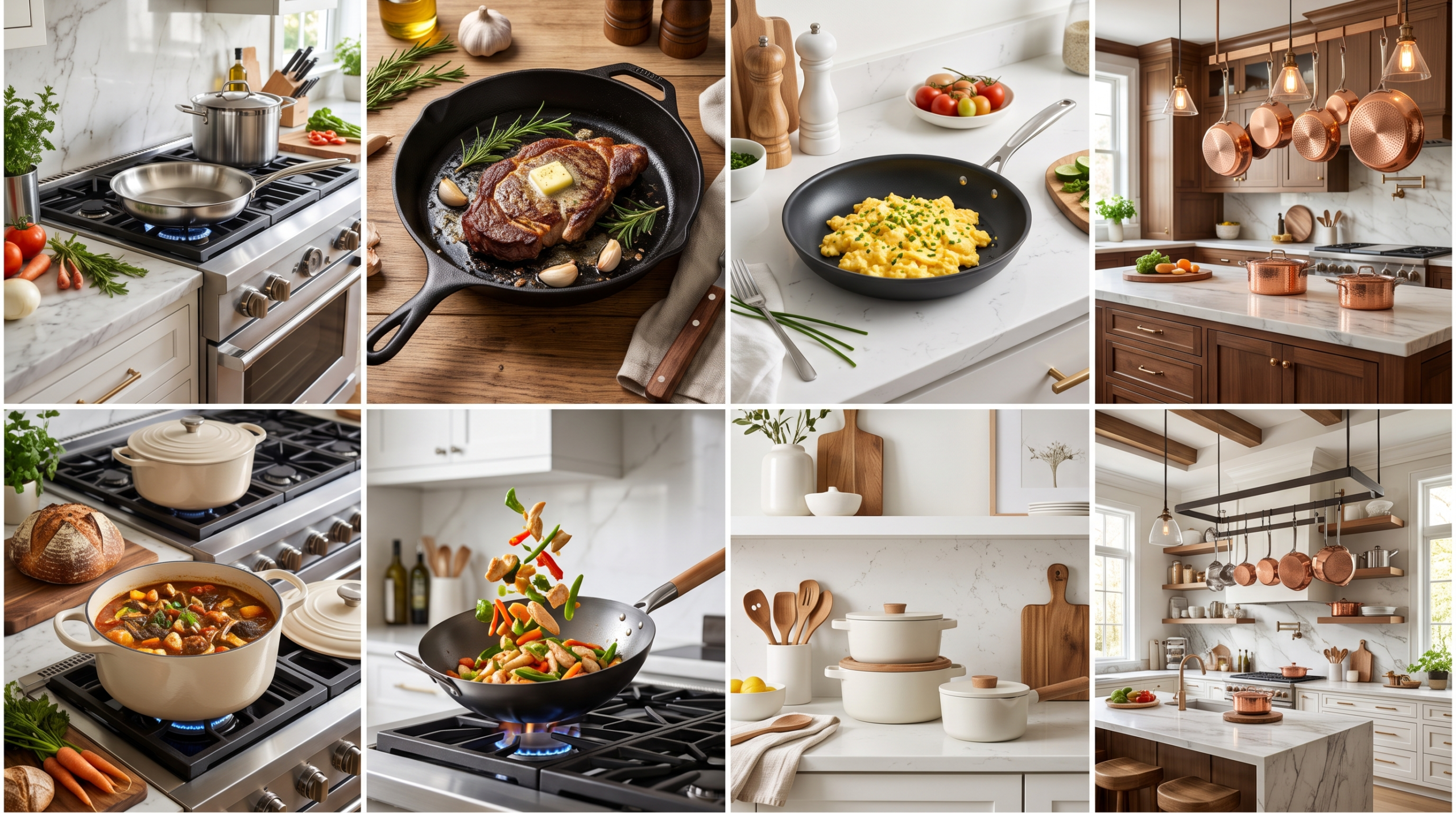
The functional ecosystem of a high-performance culinary space relies heavily on selecting the correct vessel geometry for specific thermal tasks. Within the design philosophy of the USA Home Bloom hub, cookware choices dictate not only execution efficiency but also the physical layout of storage systems and workstation flow. Moving beyond basic pan collections, an elite kitchen requires a tailored array of specialized vessels designed to interact perfectly with heat sources. Aligning each culinary technique with its ideal pan architecture allows the home chef to achieve true Spatial Intelligence, ensuring daily meal preparation operates at an elite level.

1. The Classic French Skillet

The Classic French Skillet - Different Types of Cookware
The Classic French Skillet – Different Types of Cookware

Featuring flared sidewalls and a wide, shallow cooking surface, the classic French skillet is engineered for tasks that require rapid evaporation and frequent food movement. The angled sides allow a chef to easily slide a spatula beneath proteins or toss ingredients without spilling. When constructed from premium multi-ply materials, as discussed in our guide to 22 luxurious modern kitchen ideas that feel sophisticated and striking, the skillet ensures rapid heat transfer across the entire pan, making it indispensable for high-heat searing, reduction sauces, and building complex pan emulsions.

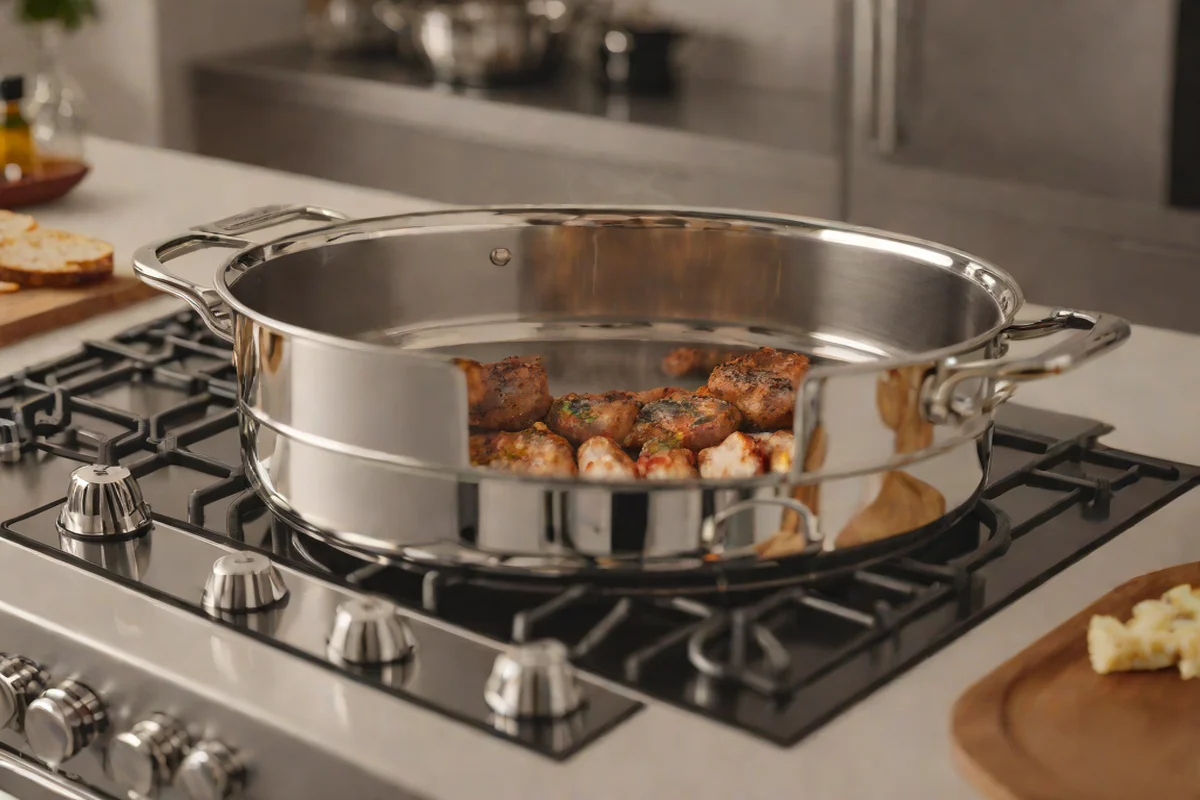
2. The Straight-Sided Sauté Pan

The Straight-Sided Sauté Pan - Different Types of Cookware
The Straight-Sided Sauté Pan – Different Types of Cookware

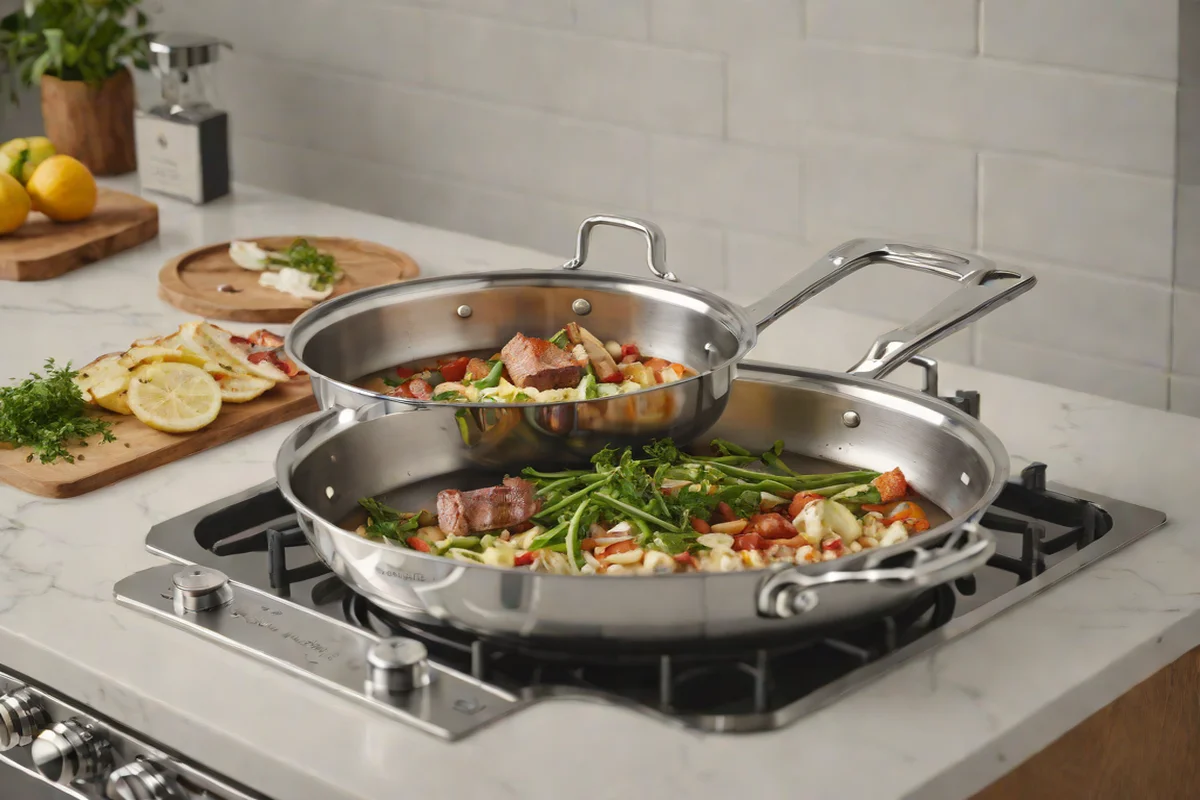
Unlike the skillet, the authentic sauté pan features vertical outer walls and a significantly larger base surface area. This structural choice provides two distinct advantages: it maximizes the direct contact zone for uniform browning, and the tall sides prevent hot oils or braising liquids from splashing onto surrounding countertops. It is the ideal vessel for searing large batches of meat before adding aromatics and liquids to simmer gently under a tight-fitting lid. This pan shape balances heavy capacity with precise thermal control, making it a cornerstone tool for everyday cooking.

3. The Heavy-Duty Dutch Oven

The Heavy-Duty Dutch Oven - Different Types of Cookware
The Heavy-Duty Dutch Oven – Different Types of Cookware

The Dutch oven is a thick-walled, deep vessel that acts as a powerful heat reservoir, absorbing thermal energy and radiating it uniformly from all directions. This uniform heat distribution makes it highly effective for long, slow braises, deep frying, and baking artisanal sourdough loaves. Its heavy lid seals in moisture, forcing evaporating liquids to condense and drip back down onto the ingredients. This self-basting cycle brings a wonderful efficiency to the kitchen, reflecting the thoughtful, practical design concepts showcased in our masterclass on 30 modern farmhouse kitchen ideas warm and stylish home.

4. The Conical Windsor Pan (Saucier)

The Conical Windsor Pan (Saucier) - Different Types of Cookware
The Conical Windsor Pan (Saucier) – Different Types of Cookware

Designed with a sloping, rounded bottom that flows smoothly into outward-flared walls, the Windsor pan, or saucier, is specifically built for delicate reduction sauces, custards, and grains. The curved interior removes sharp corners where whisks or spoons cannot reach, preventing ingredients from trapping, scorching, or curdling. Furthermore, the wider rim accelerates evaporation, helping sauces thicken quickly and evenly. This specialized vessel is highly valued by culinary purists who appreciate tools that combine elegant form with precise structural functionality.

5. The Deep Stockpot

The Deep Stockpot - Different Types of Cookware
The Deep Stockpot – Different Types of Cookware

The stockpot is a tall, narrow vessel built primarily to heat large volumes of liquid while minimizing evaporation over long periods. Its height forces rising steam to pass through layers of bones, aromatics, and vegetables, extracting maximum flavor and collagen for stocks and broths. Because the base sits directly over the heat source while the tall walls remain cooler, it establishes a natural convection current that gently circulates ingredients without burning them. This reliable tool functions beautifully in any well-organized layout, especially when paired with smart storage solutions like the best spice racks that actually work in real kitchens.

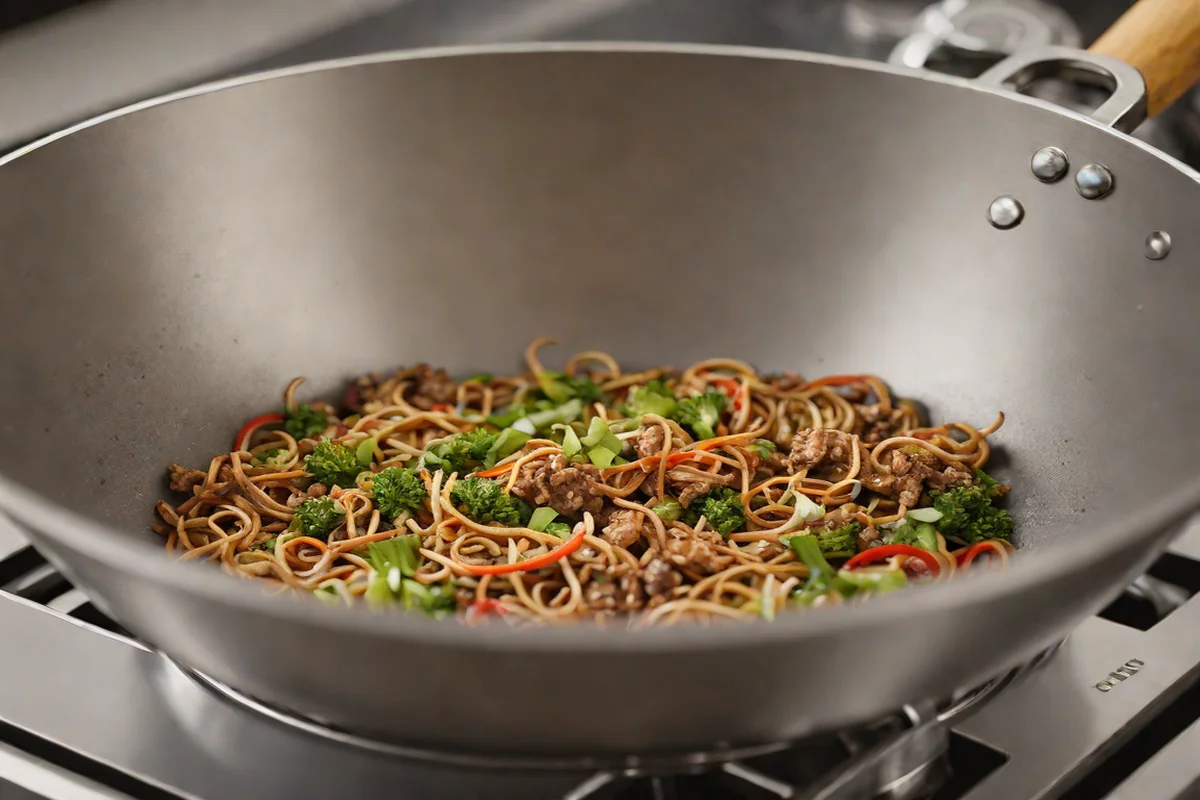
6. The Traditional Sloped Wok

The Traditional Sloped Wok - Different Types of Cookware
The Traditional Sloped Wok – Different Types of Cookware

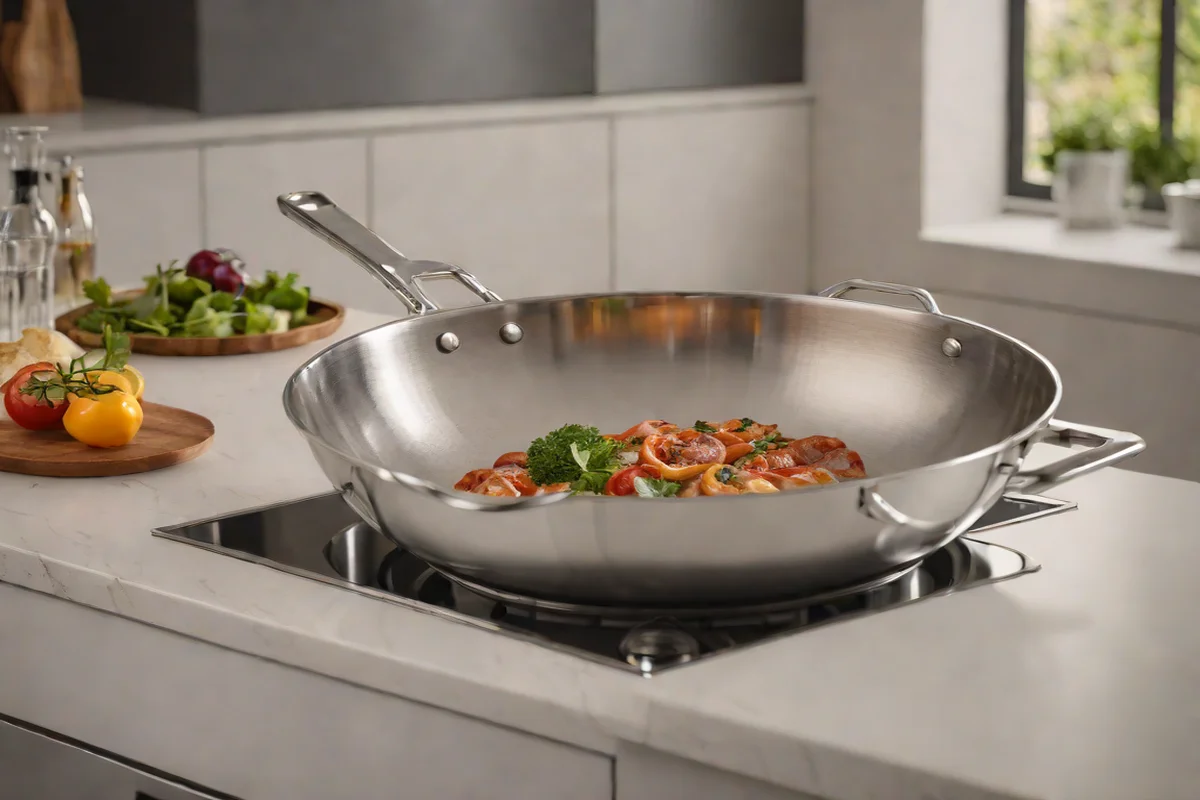
Rooted in ancient Asian culinary traditions, the authentic wok features a deeply curved, thin-walled bowl design meant to be used over intense, focused heat. The small base concentrates heat at the very bottom for rapid searing, while the high, sloping walls remain cooler, allowing ingredients to be pushed aside to cook gently via ambient steam. This spatial separation allows for fast-paced stir-frying, yielding vegetables that stay crisp and vibrant. The dynamic shape of the wok brings a unique energy to the stovetop, pairing naturally with kitchens that embrace bold, functional layouts like those found in top 20 mexican kitchen decor ideas for a festive and cozy look.

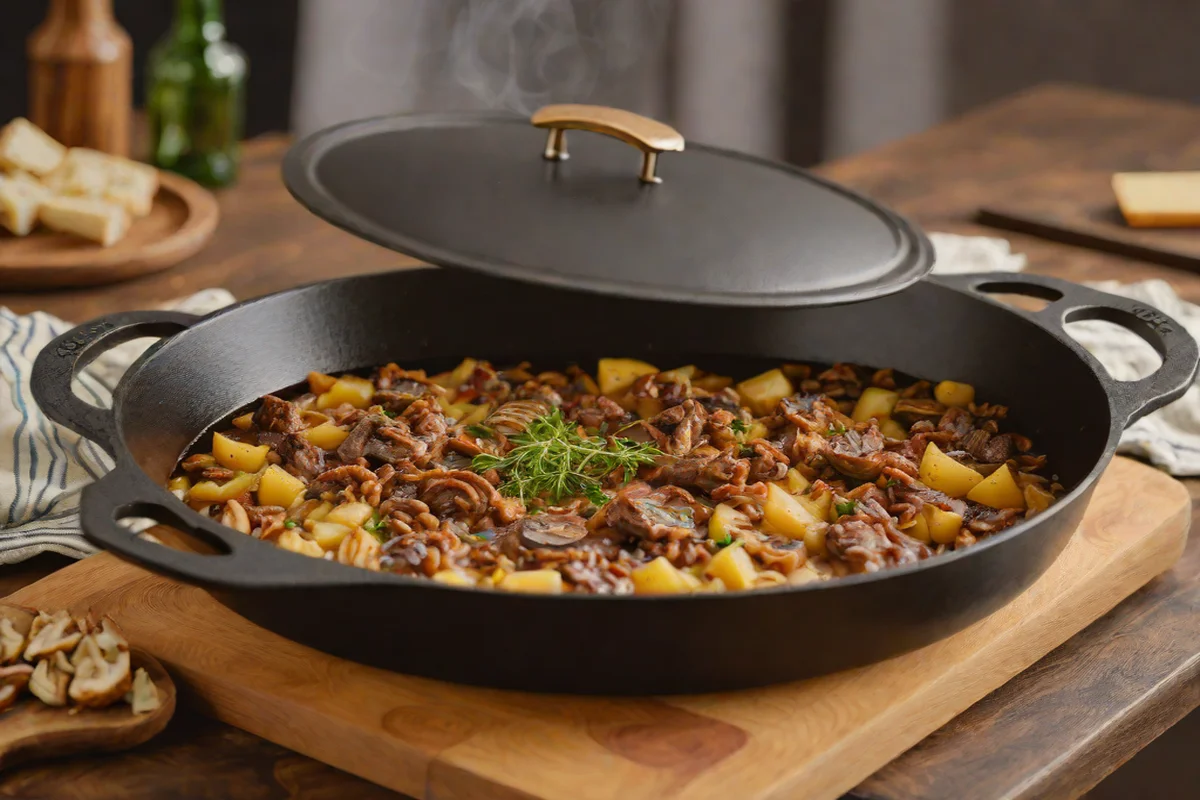
7. The Cast Iron Braiser

The Cast Iron Braiser - Different Types of Cookware
The Cast Iron Braiser – Different Types of Cookware

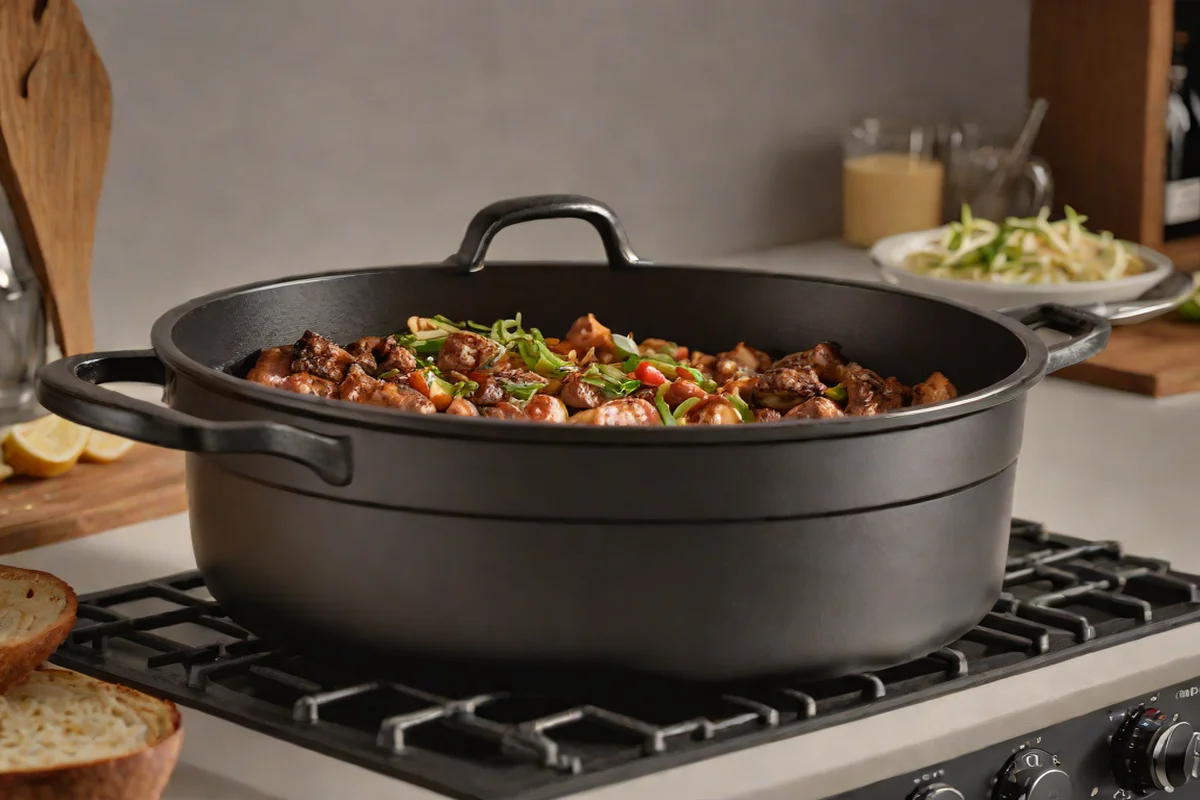
The braiser features a wide, flat cooking surface similar to a sauté pan, but balances that space with the thick, heat-retaining walls of a Dutch oven. It is specifically designed to sear proteins at high heat before cooking them slowly in a small amount of liquid under a heavy dome lid. This pan geometry is perfect for family-style meals that transition seamlessly from the stovetop straight to the dining table. Its heavy, rustic presence brings a grounding element of Earthy Material Intelligence to the kitchen, enhancing the overall sensory experience of the cooking environment.

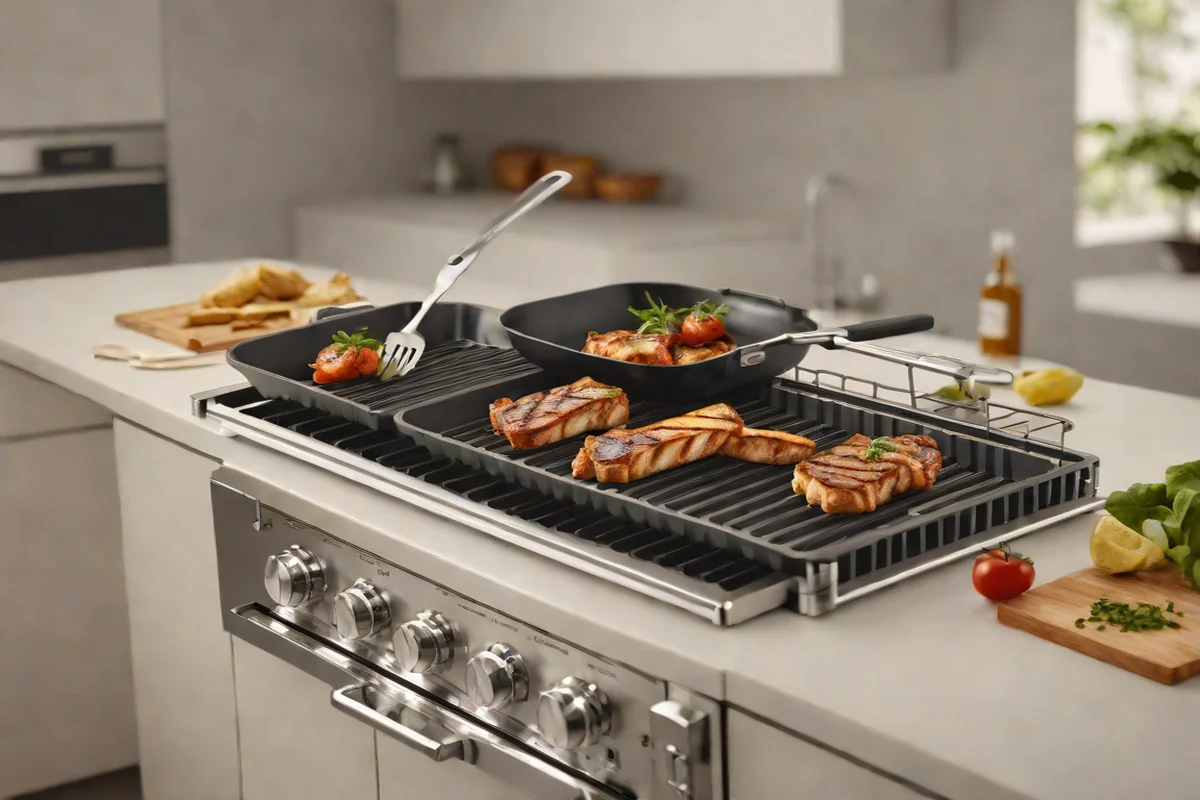
8. The Slotted Grill Pan

The Slotted Grill Pan - Different Types of Cookware
The Slotted Grill Pan – Different Types of Cookware

For homeowners looking to bring outdoor grilling techniques indoors, the heavy-gauge grill pan features raised metal ridges that mimic the gridiron of an open flame. These ridges lift ingredients above the flat surface, allowing rendered fats to drain away while searing deep char marks directly onto the food. This separation prevents meats from boiling in their own juices, achieving a true high-heat sear. This specialized tool fits perfectly into modern kitchen designs that value both high-performance functionality and culinary versatility.

9. The Specialized Crêpe Pan

The Specialized Crêpe Pan - Different Types of Cookware
The Specialized Crêpe Pan – Different Types of Cookware

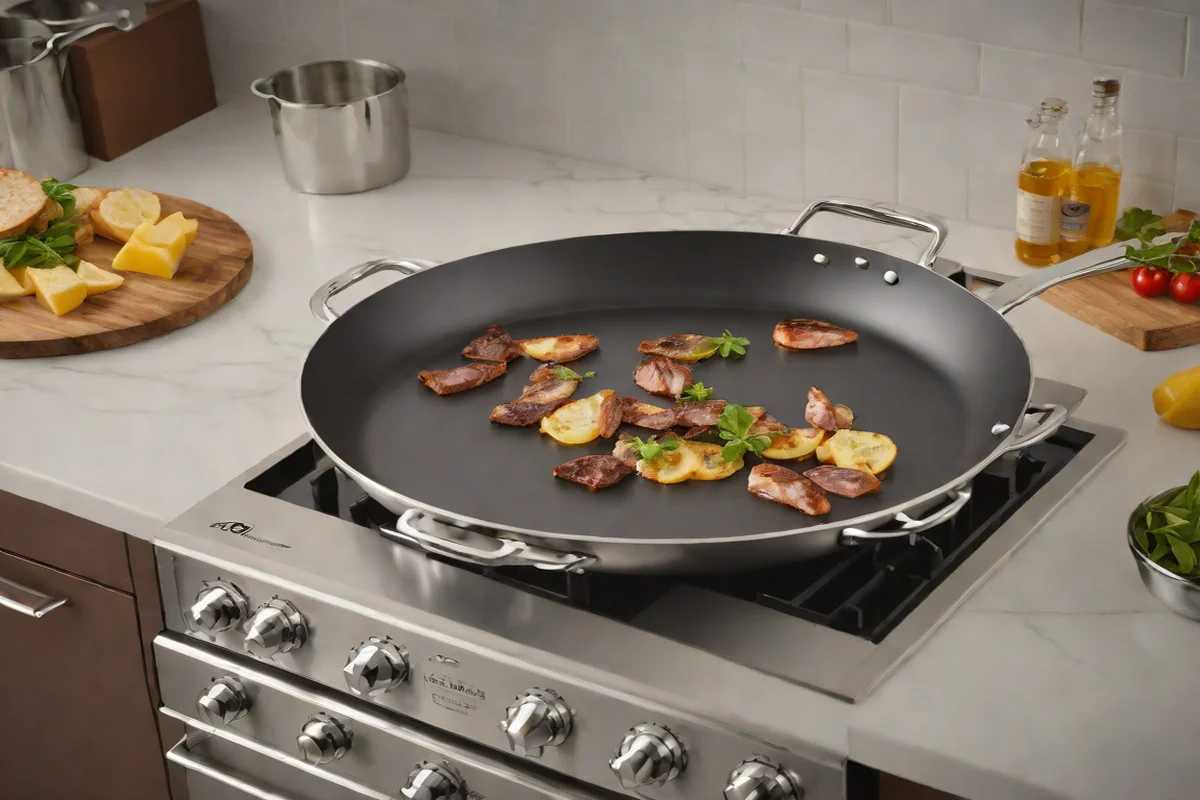
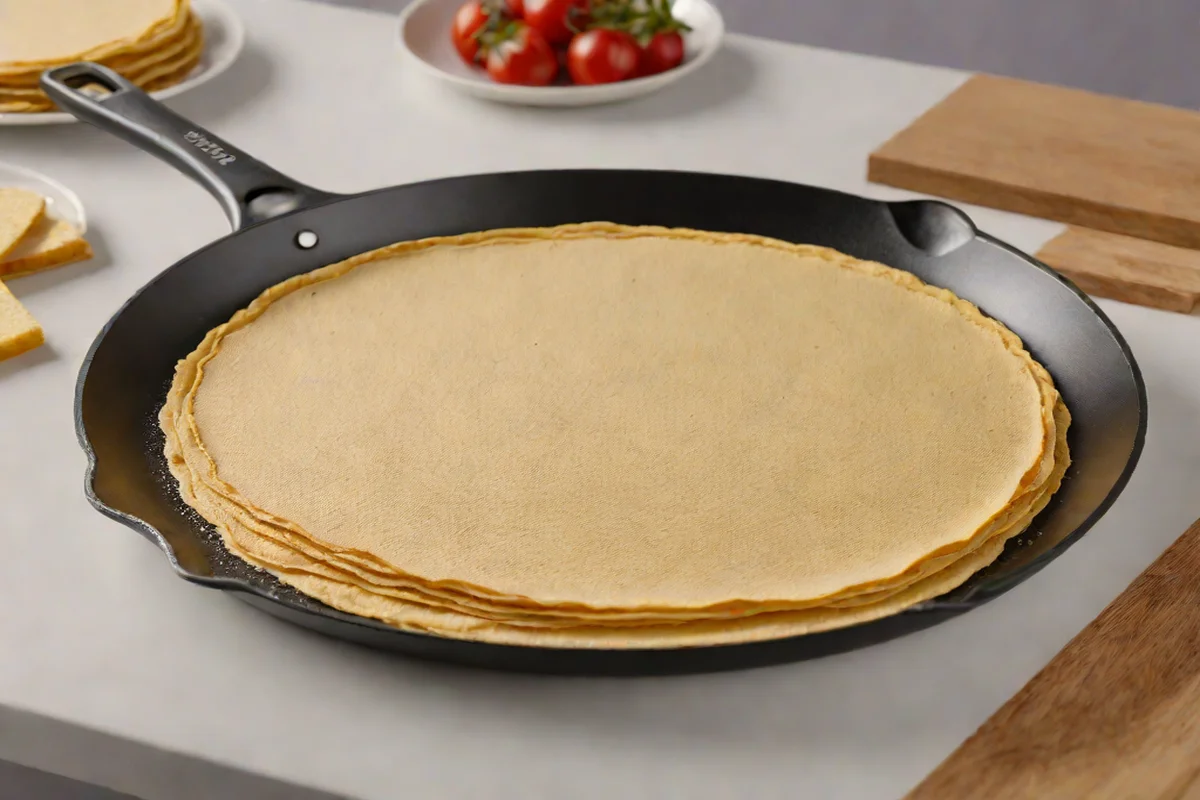
Featuring an ultra-low, nearly flat rim and a perfectly smooth cooking surface, the crêpe pan is engineered for effortless flipping and delicate lifting. The low lip allows spatulas to slide underneath thin batters without tearing them, while the thick base ensures perfectly uniform heat distribution to prevent hot spots from burning the delicate surface. This pan requires exceptional heat consistency, which is easily achieved when working on flat induction surfaces or within a kitchen space that emphasizes clean, streamlined workstations.

10. The Everyday Saucepan

The Everyday Saucepan - Different Types of Cookware
The Everyday Saucepan – Different Types of Cookware

The standard saucepan is a versatile, mid-depth vessel with straight sides and a long handle, designed for boiling grains, blanching vegetables, and reheating soups. Because its height and width are balanced, it retains moisture well while still allowing for efficient stirring. This reliable pan handles a wide variety of daily kitchen tasks, making it essential to store it within easy reach. Placing it in an accessible location helps optimize kitchen workflow, much like the organizational strategies detailed in our guide to 22 kitchen storage ideas to organize and style your space.

11. The Heavy Roasting Pan

The Heavy Roasting Pan - Different Types of Cookware
The Heavy Roasting Pan – Different Types of Cookware

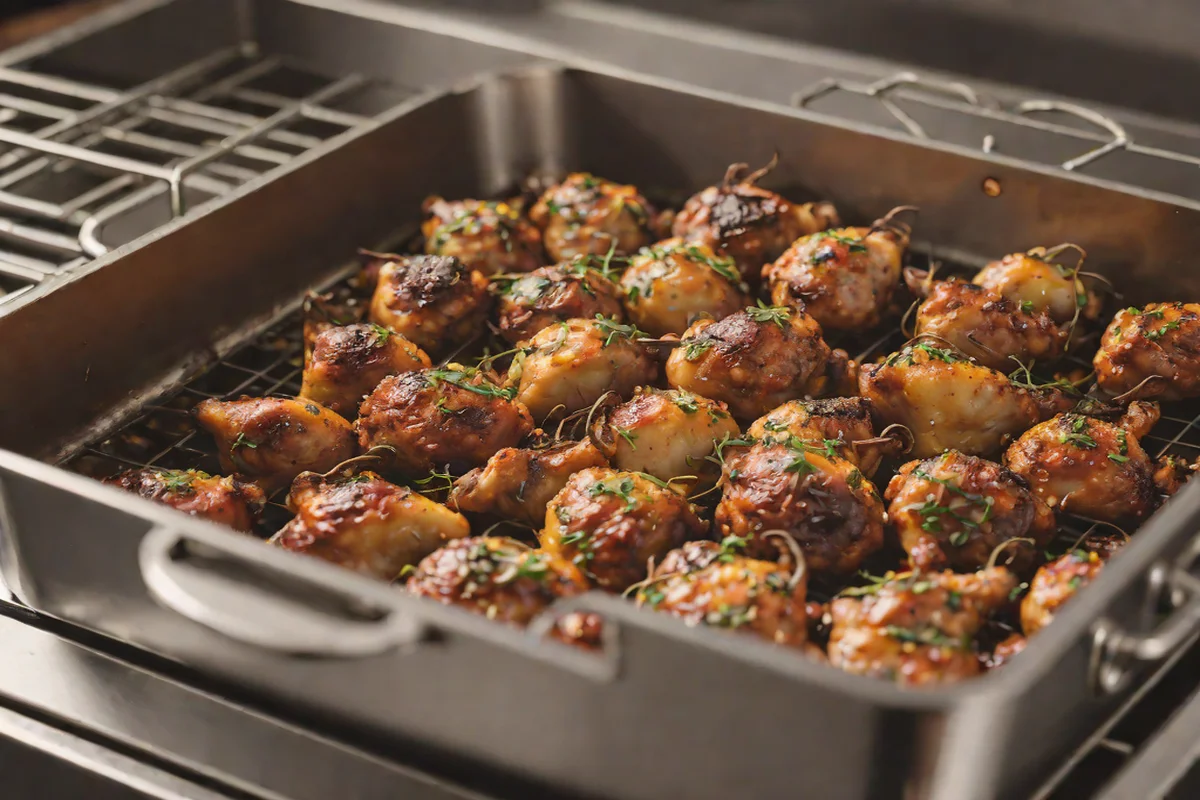
Built with thick, rigid metal walls and sturdy, riveted handles, the roasting pan is engineered to hold heavy proteins like turkeys, prime ribs, or racks of lamb inside the oven. It features low sides that allow hot air to circulate freely around the food, ensuring a crisp exterior and even cooking throughout. Typically paired with an internal wire rack to lift the meat off the pan floor, it allows root vegetables to caramelize beautifully in the juices below. This heavy-duty vessel is a staple for holiday gatherings and formal entertaining alike.

12. The Traditional Tagine

The Traditional Tagine - Different Types of Cookware
The Traditional Tagine – Different Types of Cookware

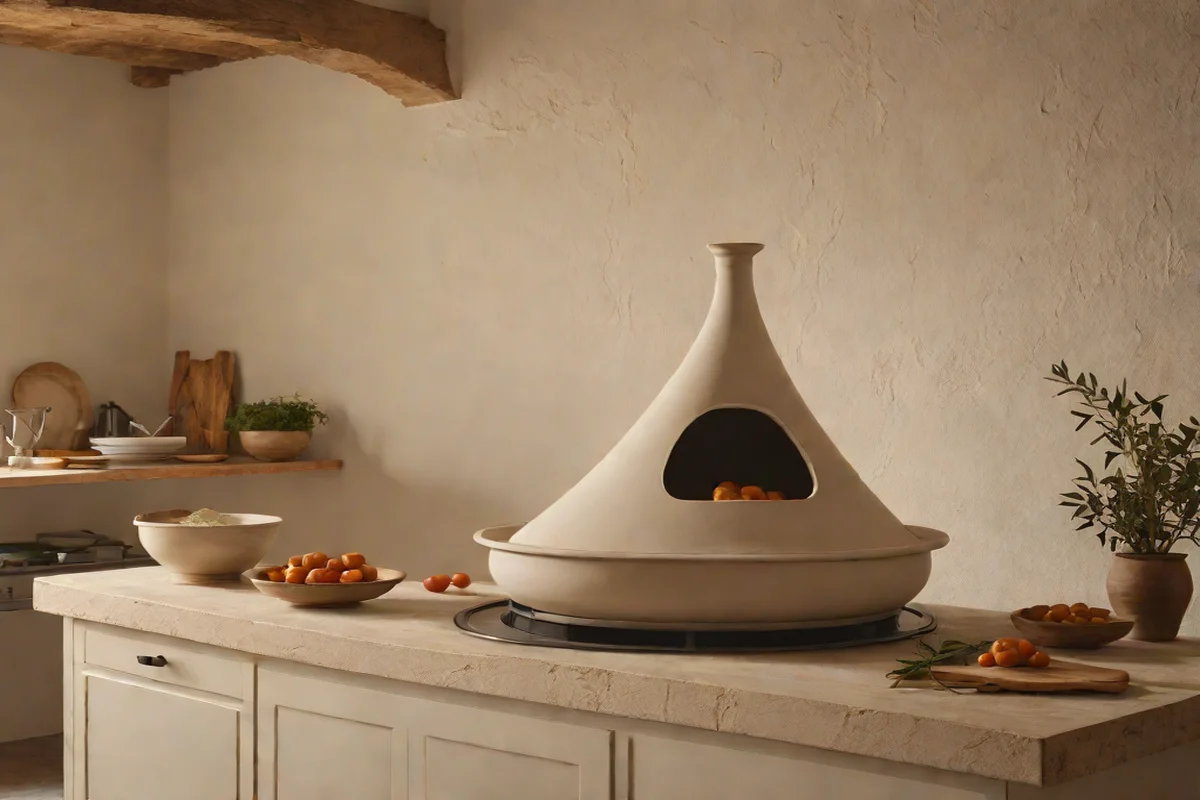
The tagine is a unique, two-piece cooking vessel consisting of a shallow, circular base and a tall, cone-shaped ceramic lid. Originating in North African cuisine, its distinctive cone shape acts as a natural condenser, trapping steam and directing the moisture back down into the ingredients. This continuous self-basting cycle keeps meats exceptionally tender and flavorful, even when using minimal water. The striking silhouette of a tagine serves as a beautiful design accent on the cooktop, perfectly complementing kitchens styled around a rich, texturally diverse aesthetic like 20 rustic kitchen ideas with a hacienda style home twist.


Frequently Asked Questions Can I use a traditional round-bottom wok on a modern flat glass cooktop? No, traditional round-bottom woks require a specialized wok ring to remain stable, which elevates the pan too far above a flat glass cooktop and prevents efficient heat transfer. For modern electric or induction glass tops, you should choose a flat-bottom wok, which sits directly on the glass surface to ensure proper heat conduction and stability.

What makes a Windsor pan superior to a standard saucepan for making reductions?

A Windsor pan features outward-flaring walls that create a wider surface area at the top than at the base. This flared geometry speeds up evaporation, allowing liquids to reduce much faster. Additionally, its rounded interior corners prevent whisks and spoons from missing ingredients, protecting delicate sauces from scorching. Is a sauté pan or a skillet better for frying large batches of chicken? A sauté pan is far better for frying large batches because its vertical sides provide a larger flat base area, allowing you to fit more pieces of chicken without crowding them. The tall sides also contain hot oil splatters much better than the flared rims of a classic skillet, keeping your cooking workspace cleaner and safer.

Why do some Dutch ovens have tiny ridges or bumps on the inside of their lids?

Those small ridges or bumps are engineered to create a self-basting environment. As steam rises inside the pot, it condenses against the heavy lid and collects on these raised points, dripping back down evenly across the entire surface of the food rather than running down the sides of the pan. Curation and Explore Your Entire Home Layout Ready to expand these high-performance design and styling strategies across the other active thresholds of your estate? We invite you to continue your design journey by exploring our comprehensive structural chronicles and expert lifestyle manuals across the entire USA Home Bloom Platform. Dive into our meticulously curated digital gallery to unlock advanced space-saving secrets, pro-grade color curation strategies, and expert home optimization rubrics that allow your home’s natural paths and your own personal clarity to truly bloom!

Similar Posts

Leave a Reply

Your email address will not be published. Required fields are marked *