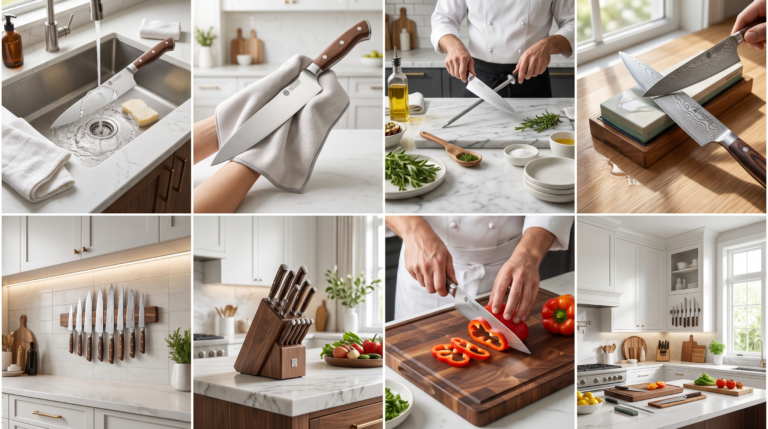
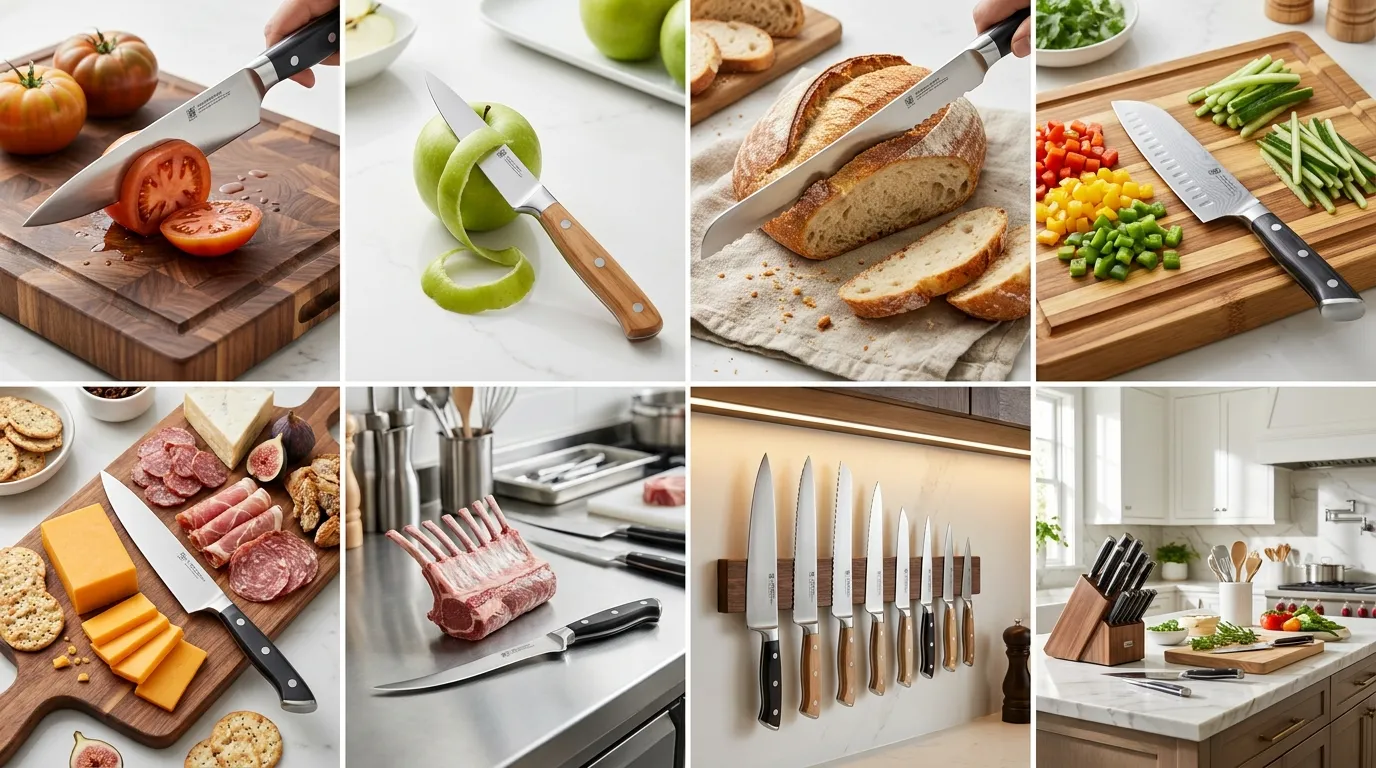
A kitchen feels complete with the right knives. Nine blades cover every daily cooking task.
These essential kitchen knives range from the everyday chef’s knife to the delicate fillet knife. Each one earns its drawer space. Pick the ones your cooking needs most.
Chef’s Knife for Everyday Cutting
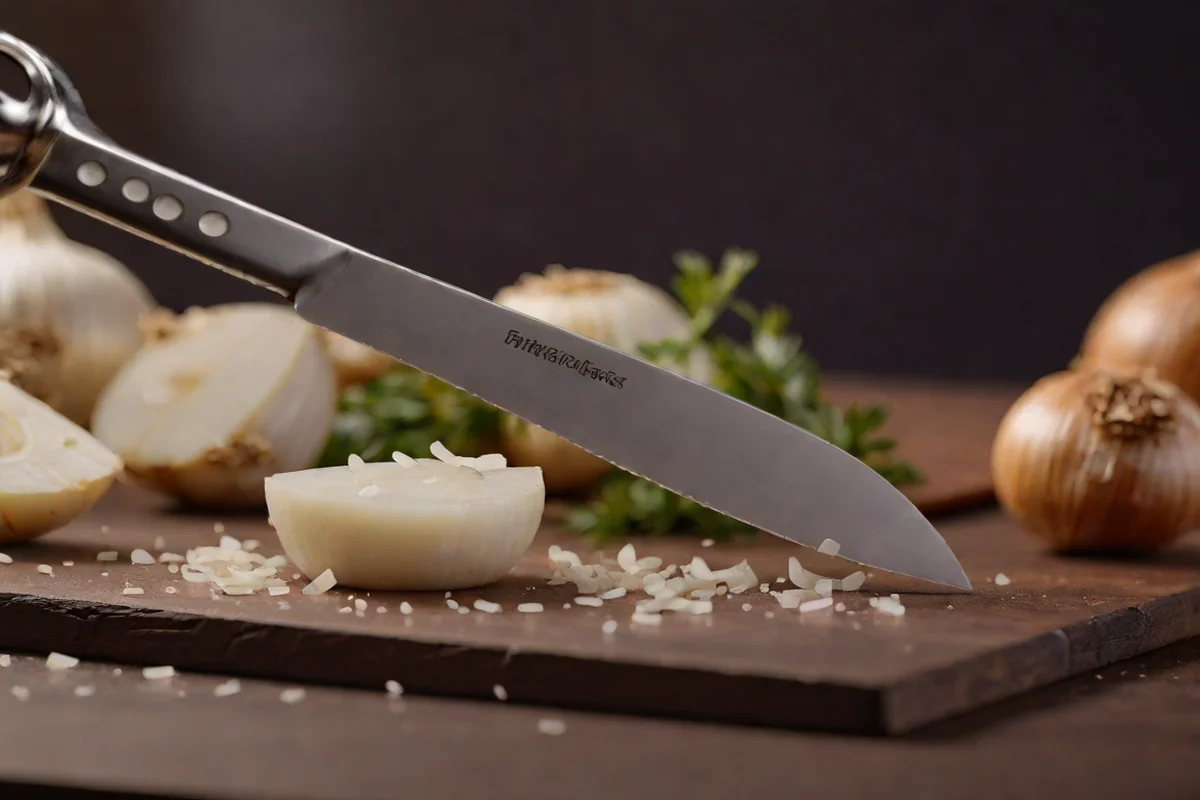
Every kitchen needs one strong all-round knife. The chef’s knife is that knife.
The wide blade handles chopping, slicing, and dicing. One knife covers most daily meals.
Pick an 8 inch blade with a firm handle. It should feel balanced in your hand.
Best for: cooks who want one knife that does almost everything.
Paring Knife for Small Precise Tasks
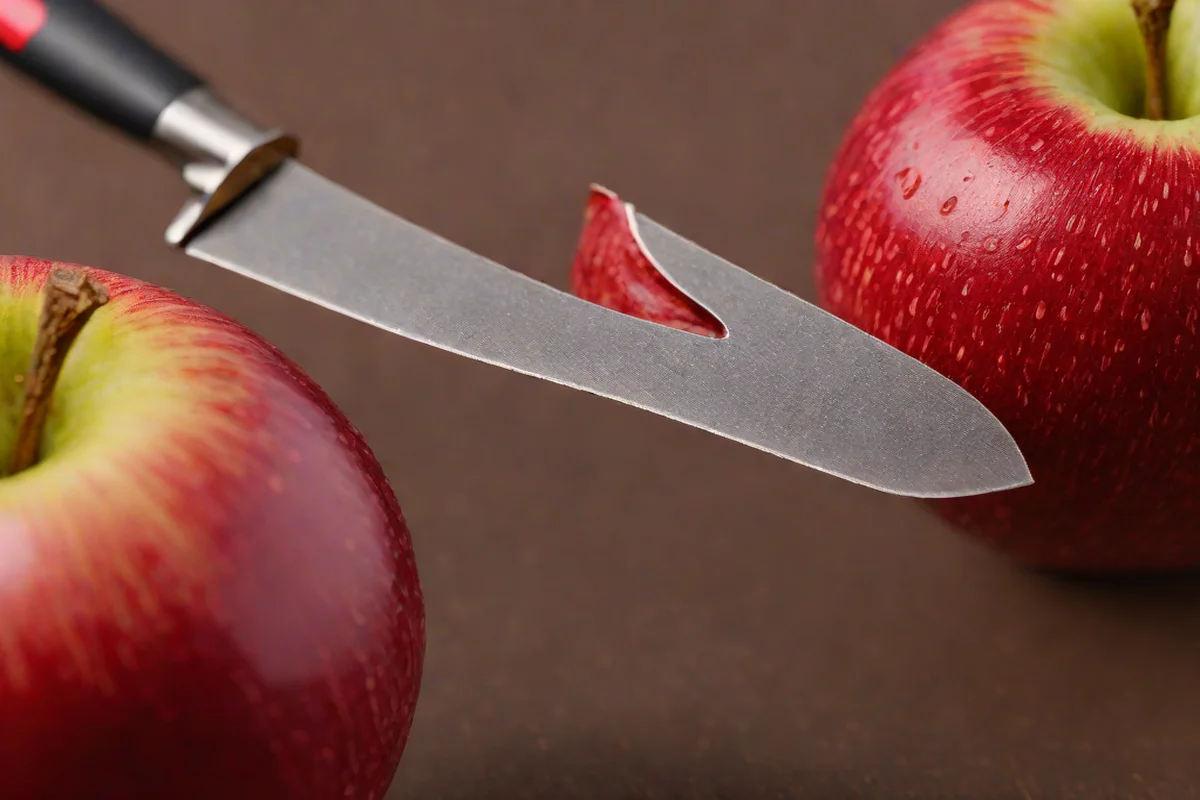
Big knives fail at small jobs. Peeling fruit and trimming herbs need a small blade.
A paring knife gives you full control. The short edge moves exactly where you want it.
Keep it sharp and handy on the counter. You will reach for it every single day.
Best for: peeling, trimming, and small detail work.
Bread Knife for Clean Slicing
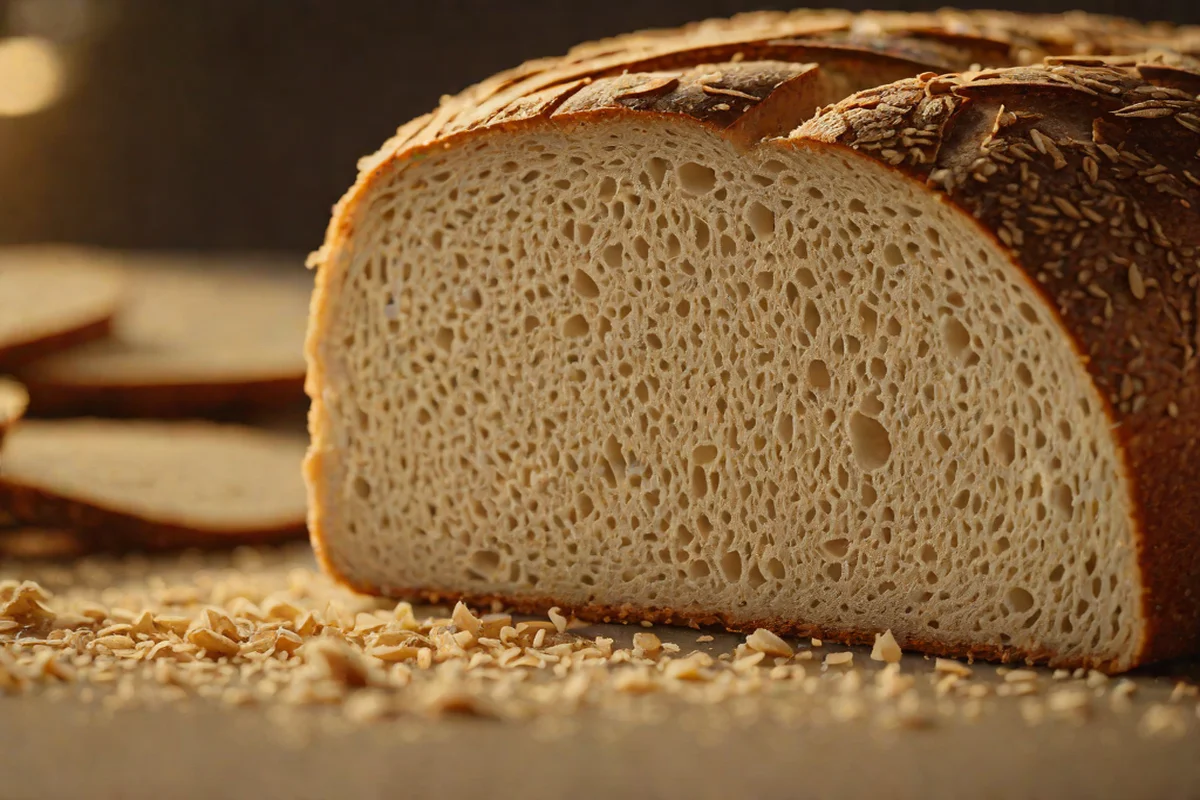
Plain blades crush soft bread. A serrated edge saws through crust without squashing it.
Use light back and forth strokes. Let the teeth do the work for you.
It also suits soft tomatoes and cakes. One knife keeps every loaf whole.
Best for: crusty loaves, bagels, and soft fruit.
Utility Knife for Mid-Size Tasks
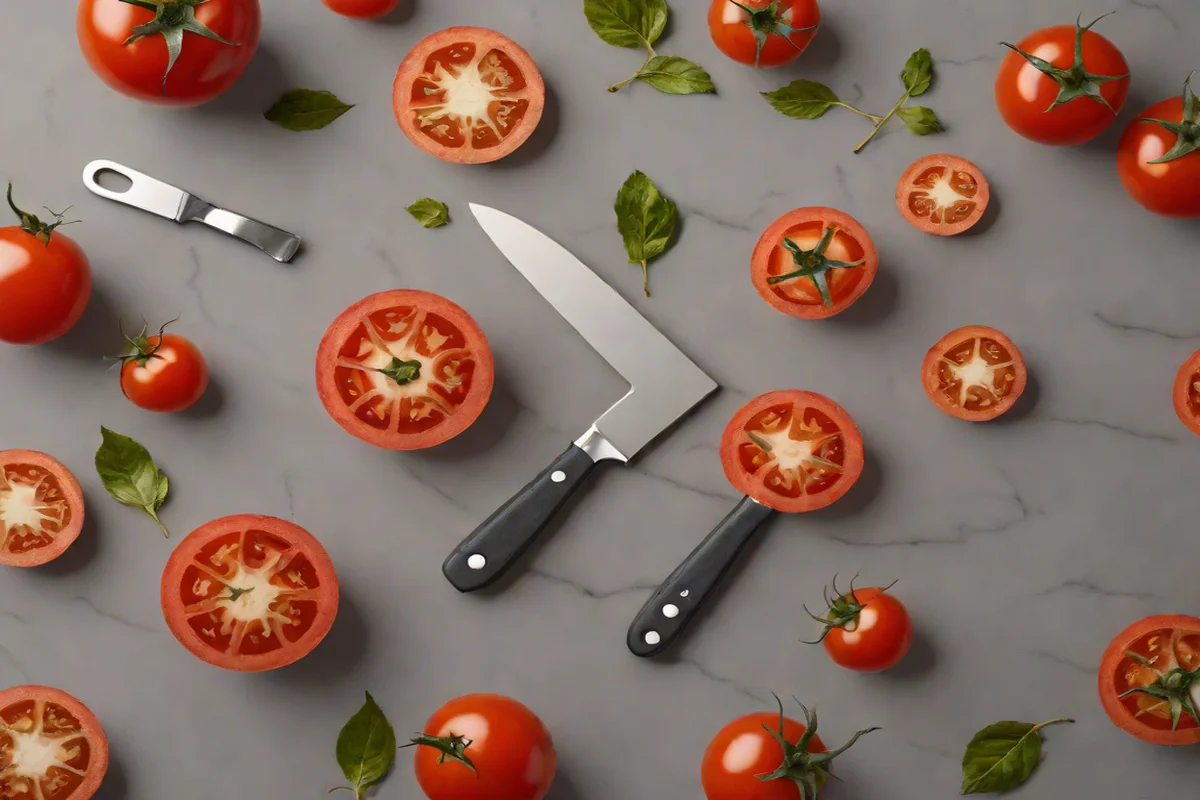
Some jobs sit between big and small. The utility knife fills that middle gap well.
It slices cheese, sandwiches, and cucumbers. The mid-size blade feels just right.
Keep it near the chef’s knife. It backs up the big blade on busy days.
Best for: mid-size slicing jobs that a paring knife cannot handle.
Boning Knife for Meat Preparation
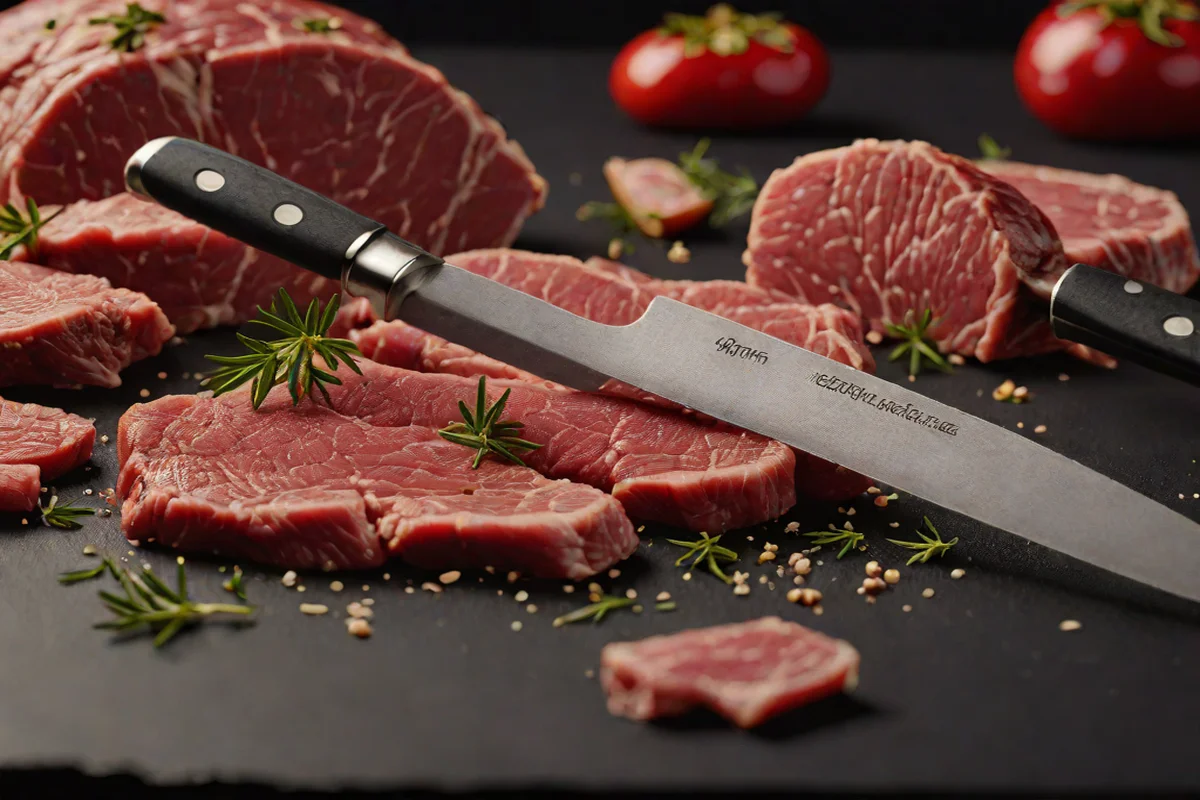
Meat prep needs a thin flexible blade. A boning knife slides close to the bone.
The narrow edge separates meat cleanly. Less meat stays stuck on the bone.
Work slowly along joints with the tip. Short moves give the cleanest cuts.
Best for: trimming chicken, fish, and pork before cooking.
Santoku Knife for Smooth Slicing
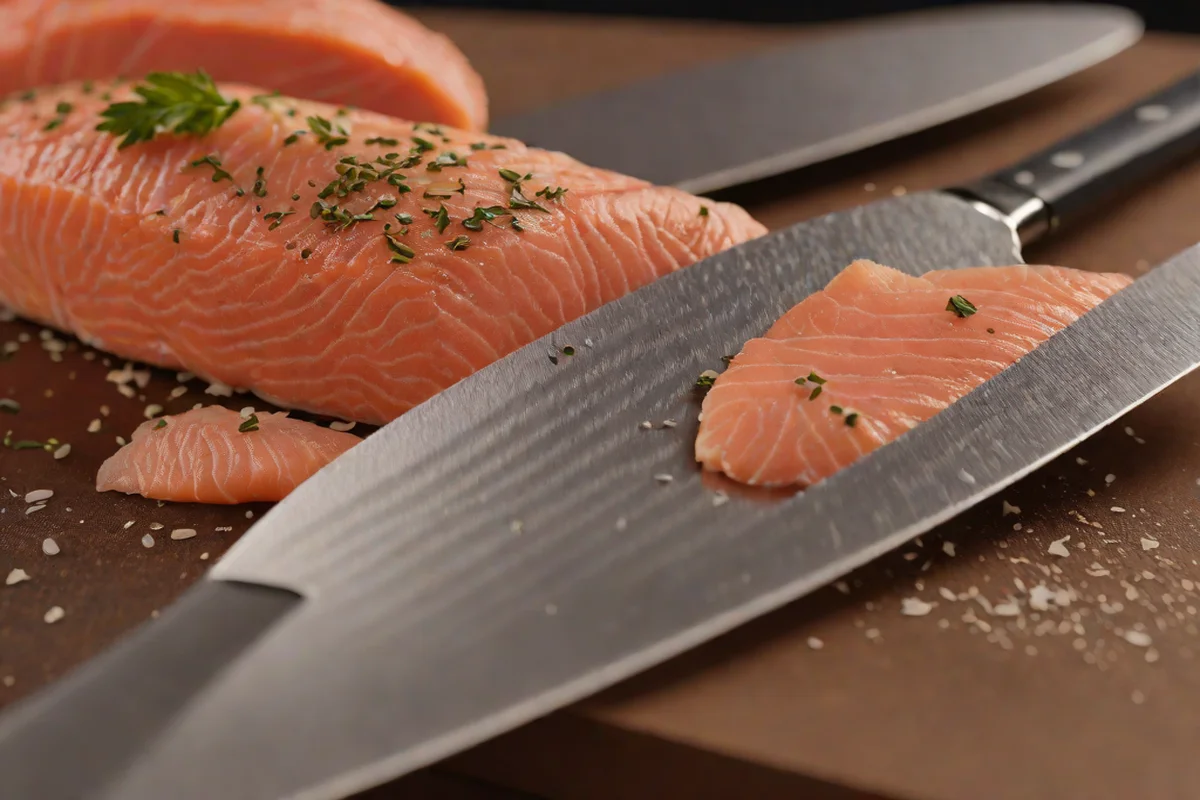
The santoku is a lighter all-round knife. It suits cooks who find chef’s knives heavy.
The flat edge chops in a simple up and down motion. Small dents stop food from sticking.
It dices onions and slices fish with ease. Many cooks grab it every day.
Best for: cooks who want a light, quick everyday blade.
Carving Knife for Clean Meat Slices
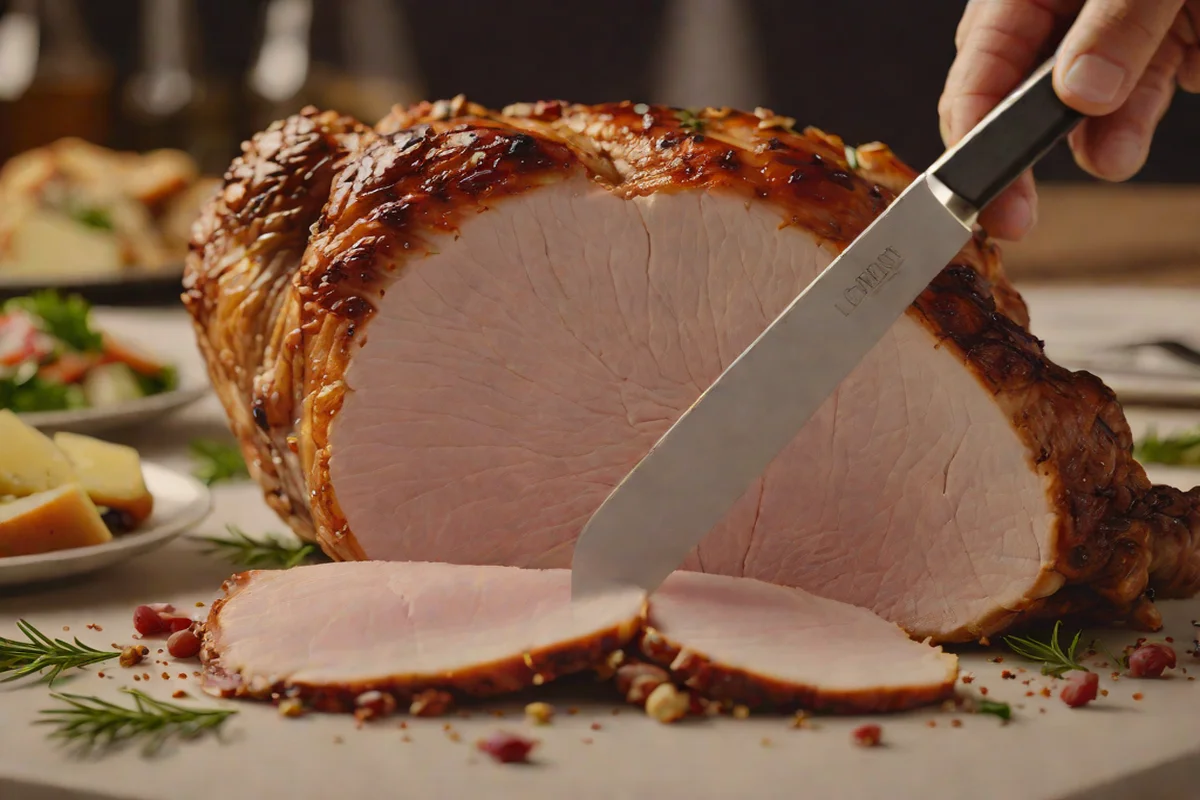
Big roasts need long even slices. A carving knife makes them in one stroke.
The thin blade glides through cooked meat. Fewer strokes keep the slices neat.
Let roasts rest before you carve. The knife then cuts without tearing.
Best for: holiday turkeys, roasts, and large hams.
Cleaver for Heavy Cutting Tasks
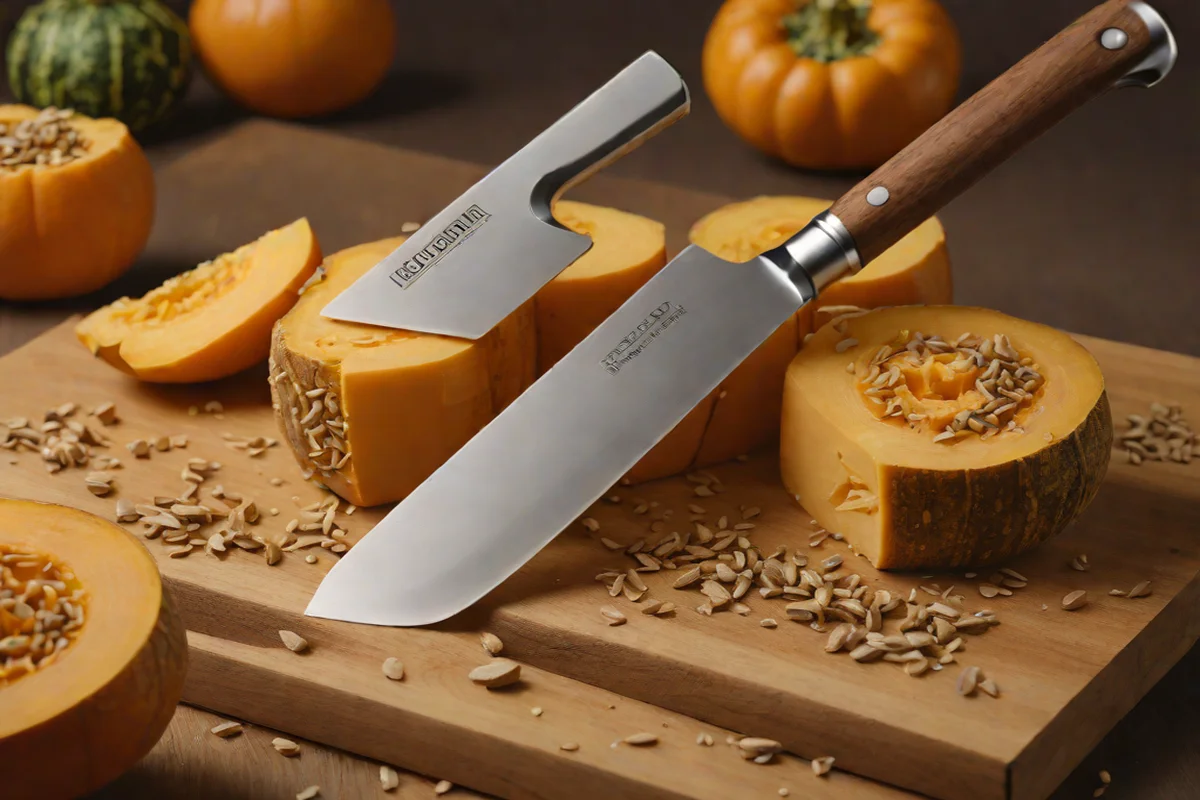
Heavy jobs need a heavy blade. A cleaver powers through bones and hard squash.
The broad side also smashes garlic. It scoops chopped food off the board too.
Lift and drop with a steady rhythm. The weight does the hard work for you.
Best for: heavy chopping and butchering at home.
Fillet Knife for Delicate Cuts
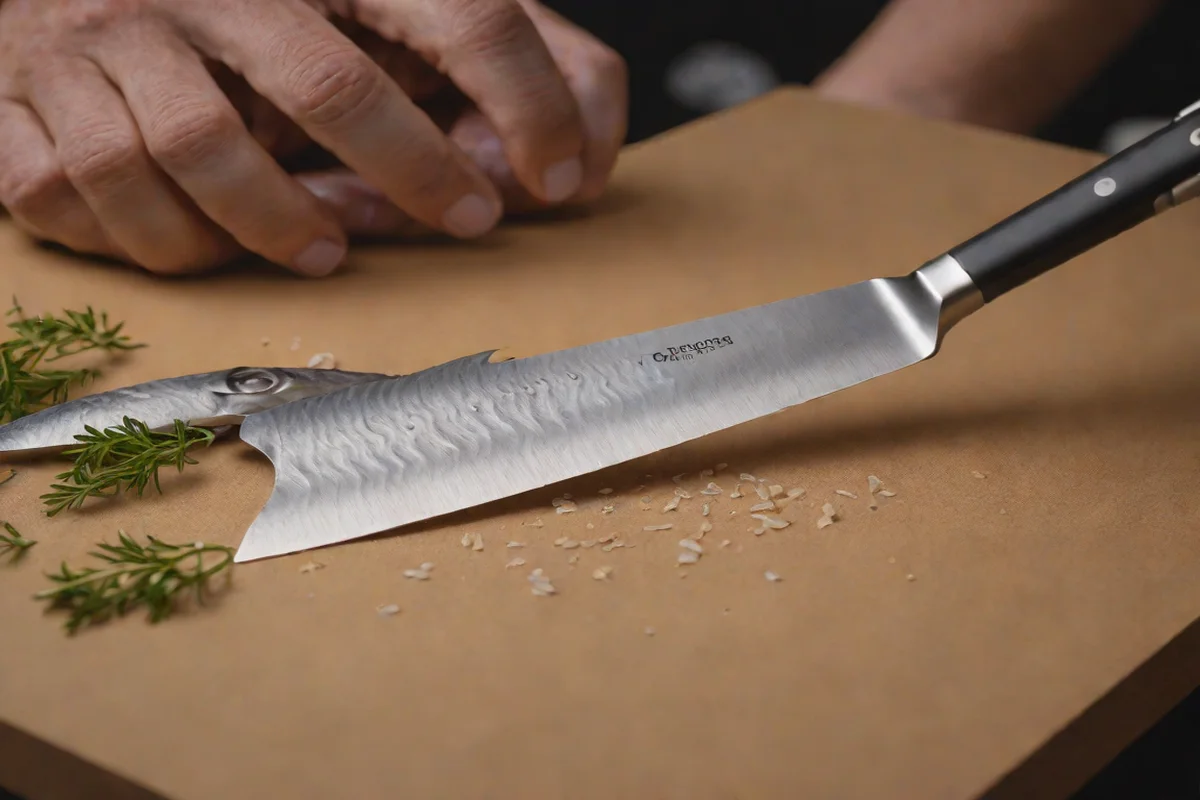
Fish needs a delicate touch. A fillet knife bends along bones for clean fillets.
The flexible blade keeps each fillet whole. Thin cuts come out smooth and even.
Keep the edge very sharp. A dull blade tears soft flesh.
Best for: filleting fish and trimming skin.
Build Your Essential Knife Collection
The right set makes every meal easier. Start with a chef’s knife and a paring knife, then add blades as you cook more.
For more help, browse our smart kitchen tool ideas and read about the different types of kitchen knives.