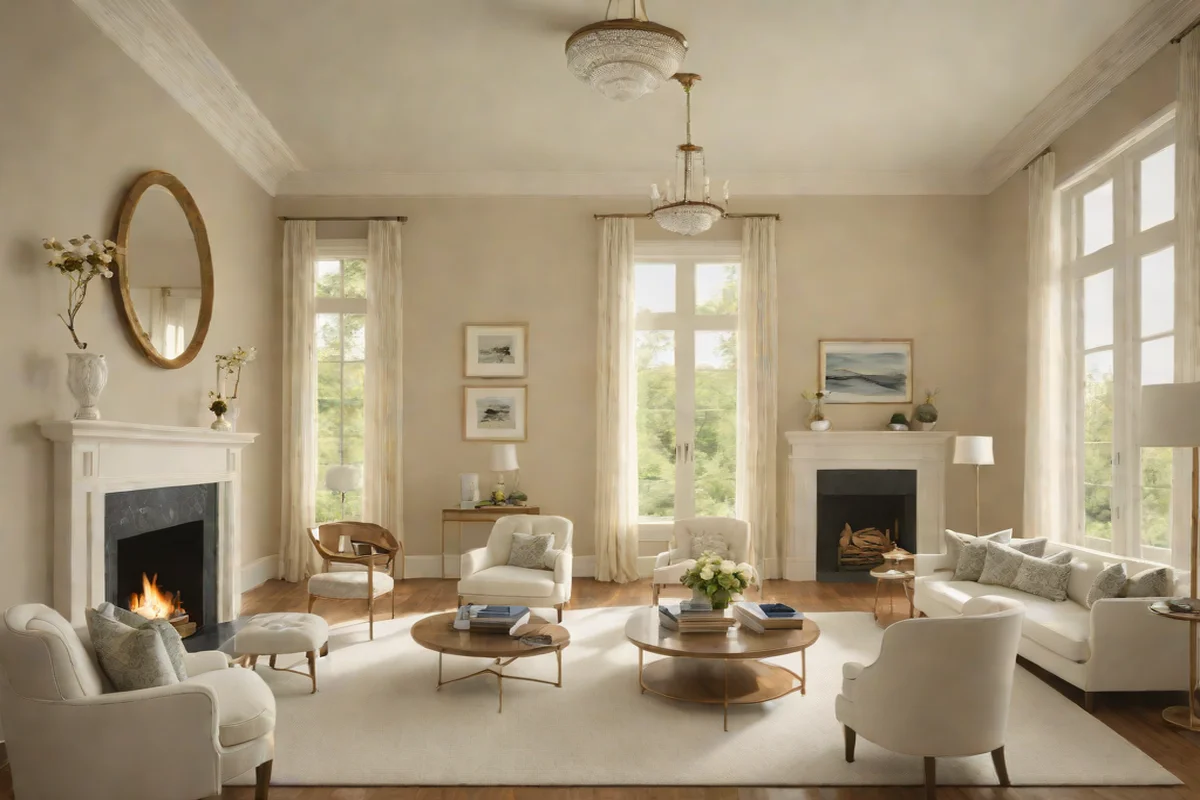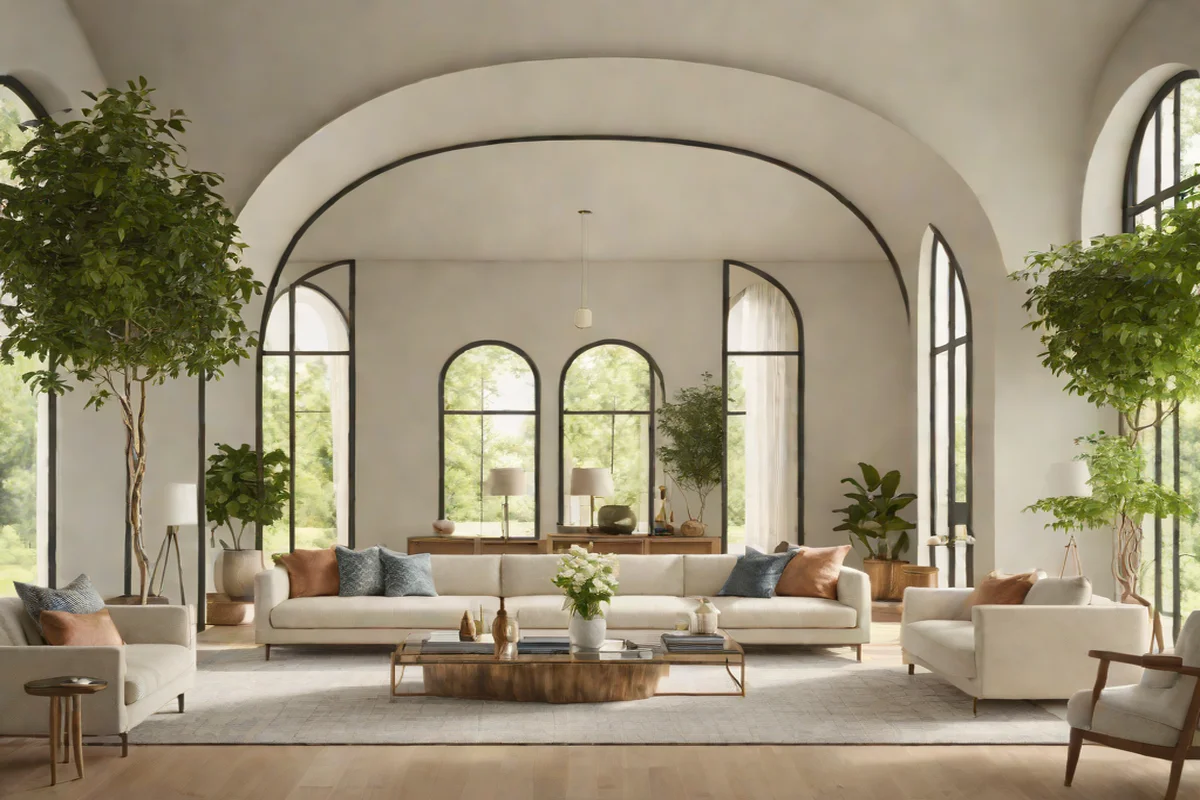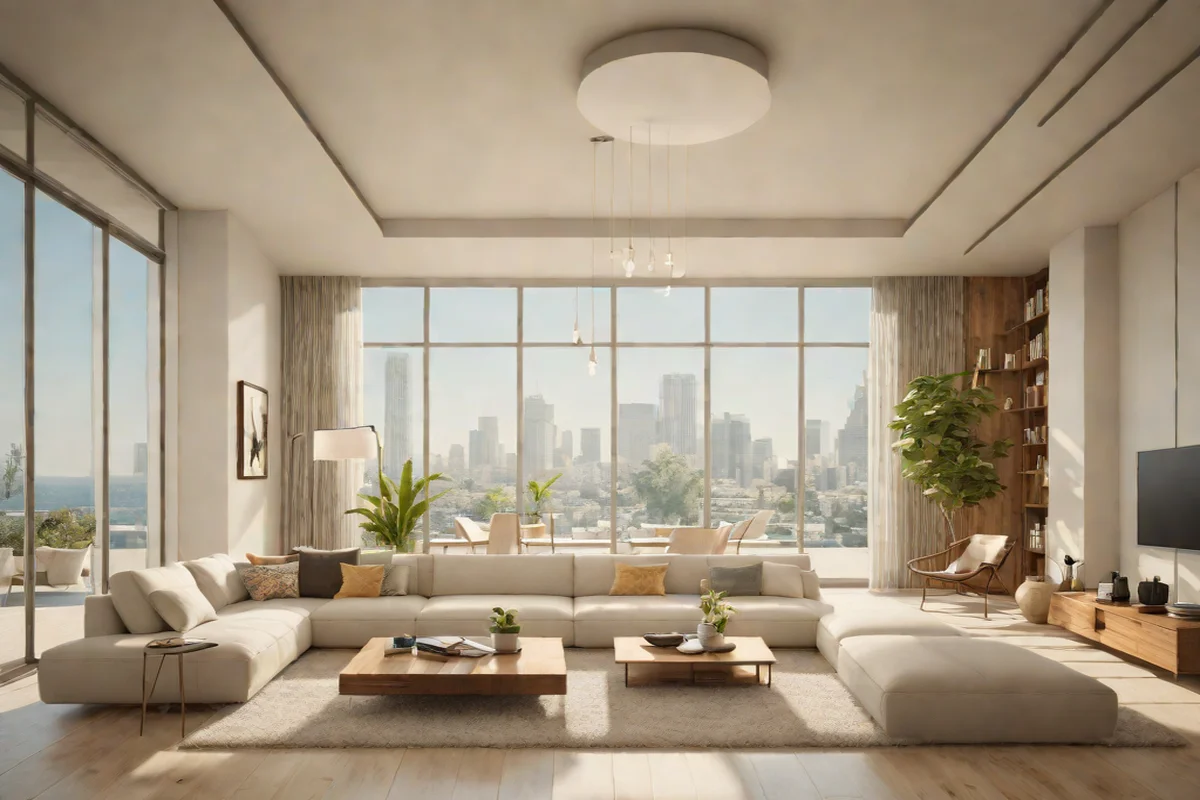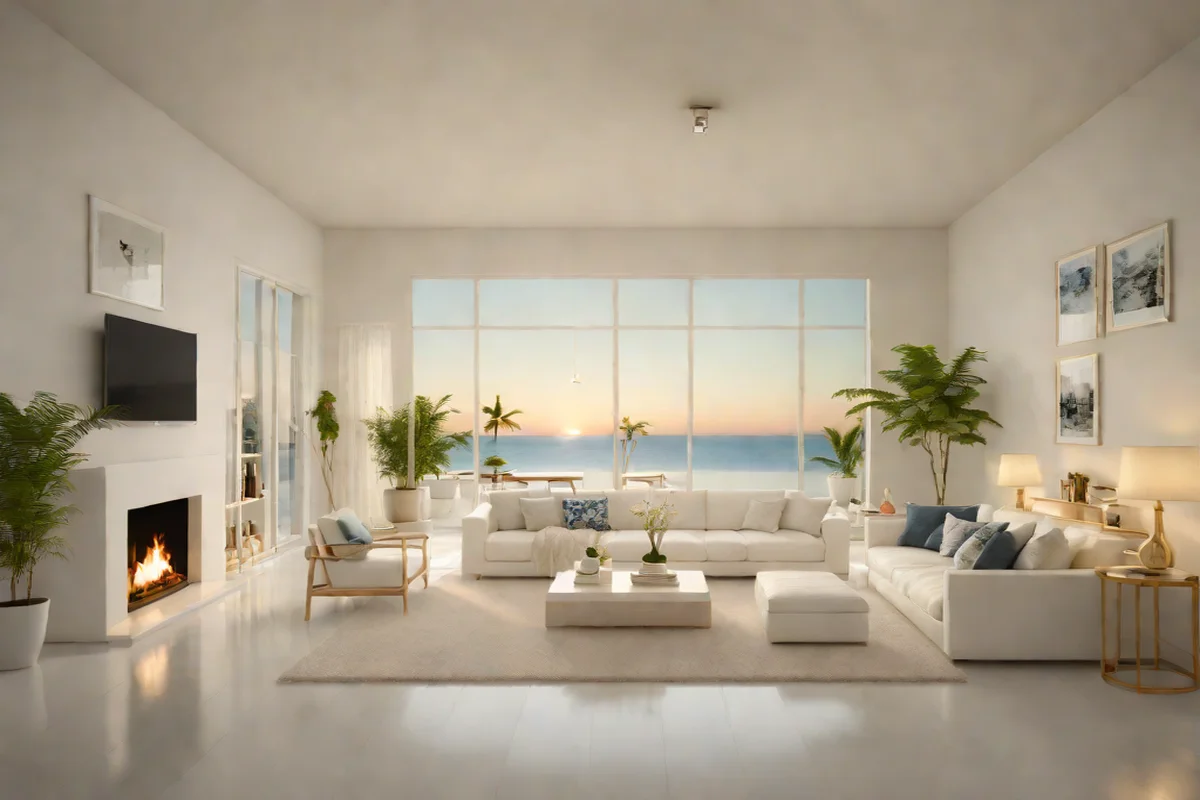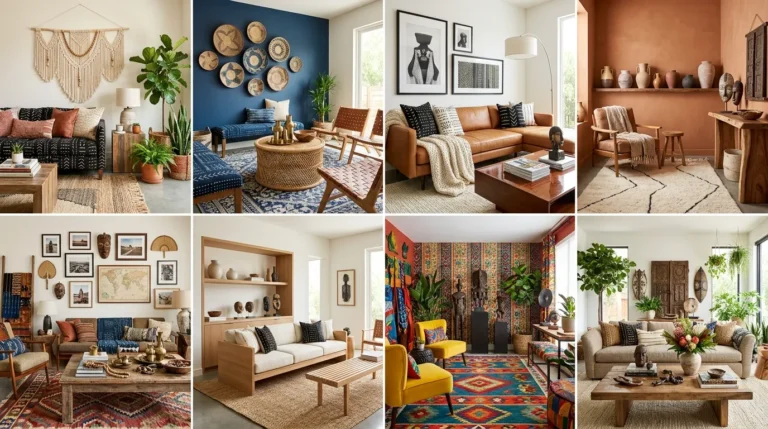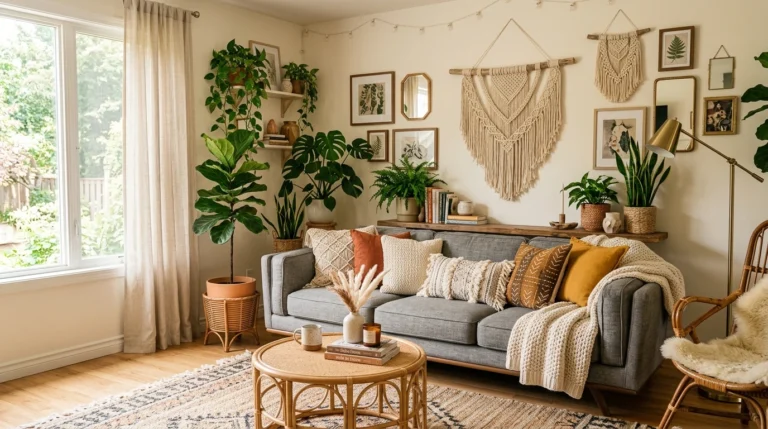
A compact living area wrapped in white is one of the most powerful design strategies in residential architecture. White surfaces possess a unique ability to capture light, dissolve tight corners, and instantly maximize the perception of room scale. However, without a deliberate application of Spatial Intelligence, an entirely white room can easily decline into an uninspired, flat, or clinical void. At USA Home Bloom, we view a compact space not as a restrictive floor plan, but as a premier canvas for executing Quiet Luxury. Transforming this social hub requires a calculated orchestration of Material Tension, low-sheen surfaces, and layered tactile elements. By exploring these 15 small white living room ideas, you can eliminate background “Visual Noise” and turn your primary relaxation area into an immaculate, light-filled executive sanctuary where your home’s energy can truly breathe and bloom.
The 2026 Compact Architecture Blueprint: Defeating Stagnation
Before opening your paint cans or selecting furniture, you must analyze the core principles that govern low-stimulus, multi-functional white environments.
- The Low-Sheen Horizon: Small rooms subject to direct natural sunlight suffer from intense optical glare if finished incorrectly. Exclusively utilize ultra-matte, chalky, or fine satin finishes for your major planes to absorb light softly, providing a velvet-like environment that lowers eye strain.
- The Continuous Floor Line: To prevent a small space from feeling broken up, choose low-profile furniture that sits on thin, tapered legs. Preserving a clear view of the floor line expands the room’s Visual Air, making tight layouts feel breezy and spacious.
- Orchestrating Material Dialogue: The secret to keeping a white room warm lies in texture. Pair crisp white linen upholstery with the Organic Heat of raw light oak, micro cement stone accents, and hand-woven wool rugs to create an elegant visual hierarchy.
1. Total Tonal Color Drenching in Alabaster

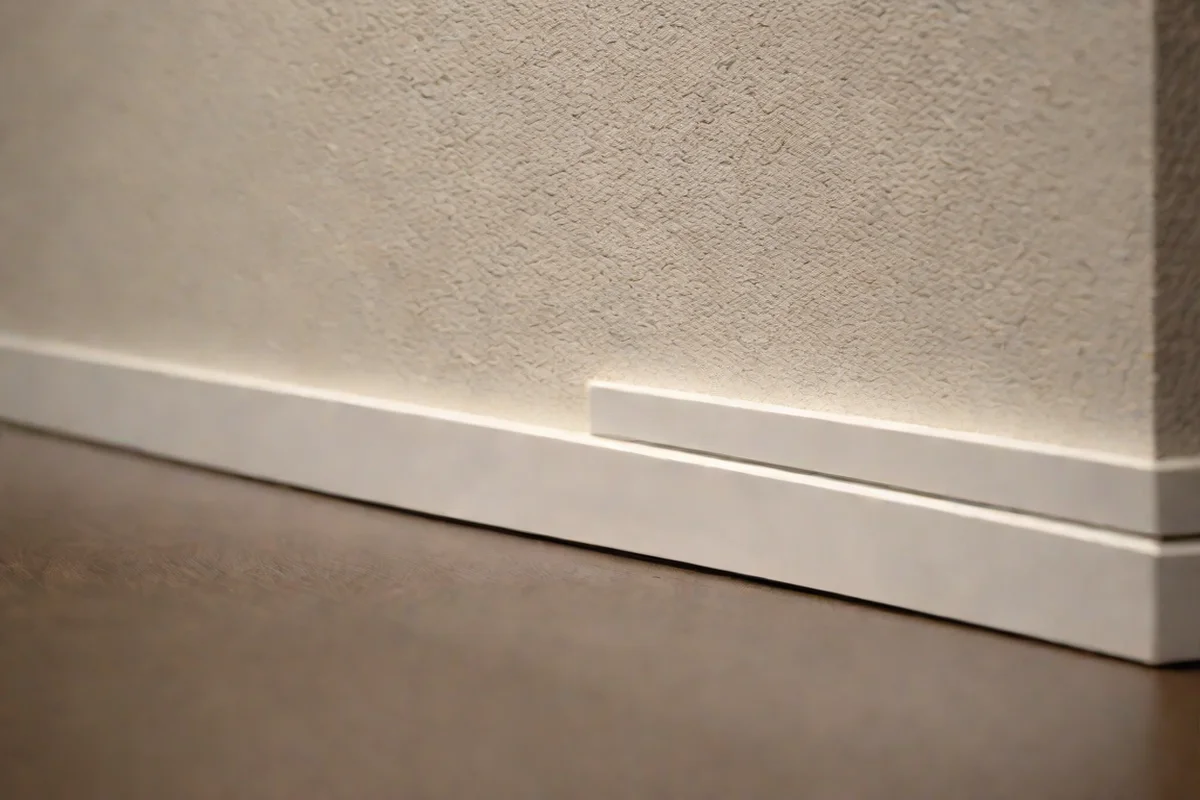
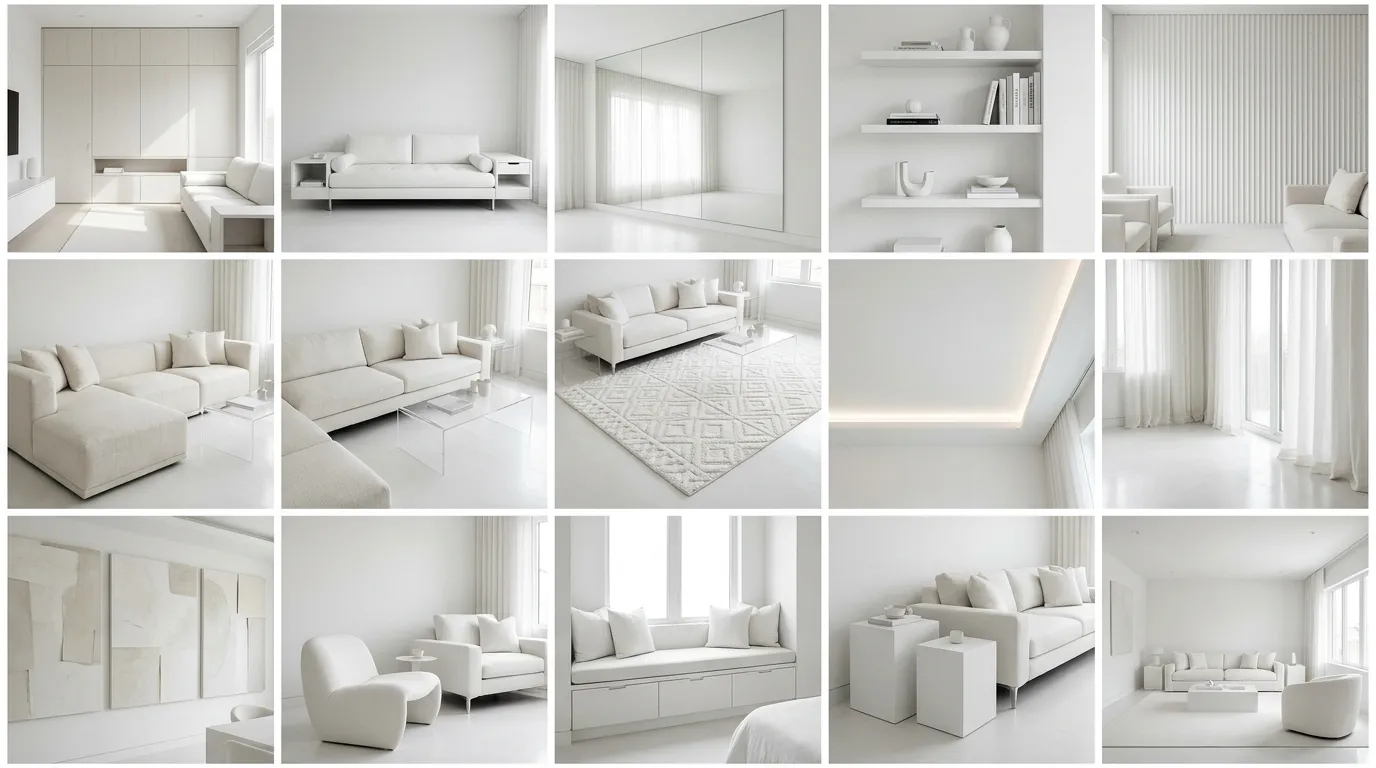
Transform a compact layout by painting your walls, window casings, baseboards, built-in shelving, and ceiling in a single, matching off-white tone – such as Benjamin Moore’s “Alabaster” or “Swiss Coffee”. This technique, known as Color Drenching, erases the sharp visual breaks that traditionally frame a room. By removing the contrasting line between walls and ceilings, the borders of your Living Room gently dissolve, tricking the brain into perceiving an infinitely grander and more expansive volume of space.
2. Low-Profile Floating Credenzas

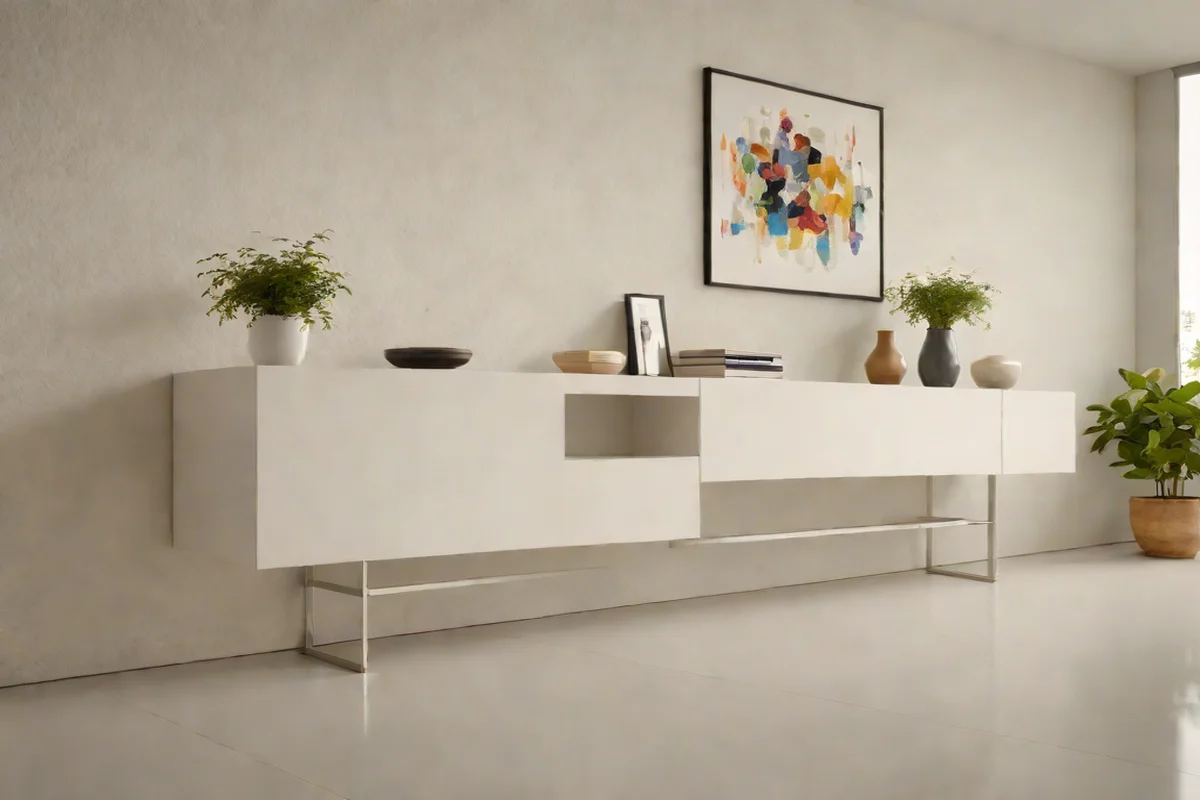
Reclaim valuable floor real estate by mounting a long, sleek white storage sideboard directly to your primary focal wall using heavy-duty hidden brackets. By completely removing traditional furniture legs, you establish a completely open floor line below the unit. This injection of Minimalist Precision allows the eye to travel across the floor plan uninterrupted, maximizing visual air while providing an elite, hidden solution for managing your media accessories out of sight.
3. The Linear Rhythm of Cream Roman Clay Walls

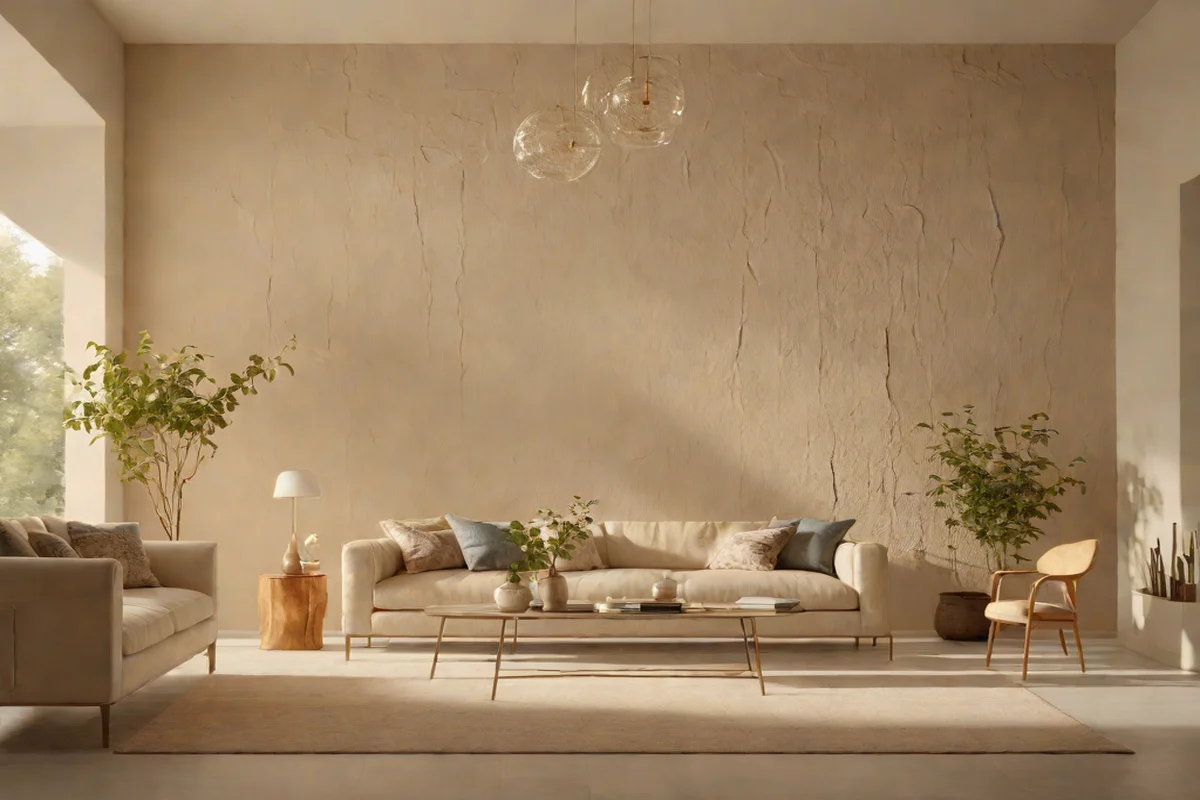
Avoid flat, uninspired drywall finishes by treating your walls with a specialized cream-colored Roman clay or lime-wash coating. Applying this material with a hand-troweled technique introduces a beautiful, subtle texture to your boundaries. This stone-like wall covering captures low-angle afternoon sunlight, creating soft dimensions of light and shadow that make a monochromatic white room feel deeply secure, rich, and architecturally custom.
4. Symmetrical Axel Mirror Multipliers

Achieving an organized, professional room balance requires a strict embrace of alignment and optical extension. Mount a massive, minimalist frameless arched mirror along the wall space directly opposite your primary window. This layout choice creates a brilliant Mirror Multiplier effect, capturing and bouncing natural daylight deep into the darkest corners of the room. It doubles the perceived depth of your floor plan, providing an instant biological energy boost to the home habitat.
5. Bouclé and Raw Linen Textile Layering

When working within a strict white palette, you must replace color contrast with a rich variety of tactile textures to generate visual interest. Upholster your main sofa in a heavy, high-texture cream bouclé fabric, and toss a selection of raw slub linen and chunky cable-knit wool throw cushions across the seating. This combination injects an instant point of Tactile Softness that prevents a white room from looking cold, creating an incredibly premium, multi-layered sensory experience.
6. Symmetrical Flanking with Monolithic Stone Pedestals

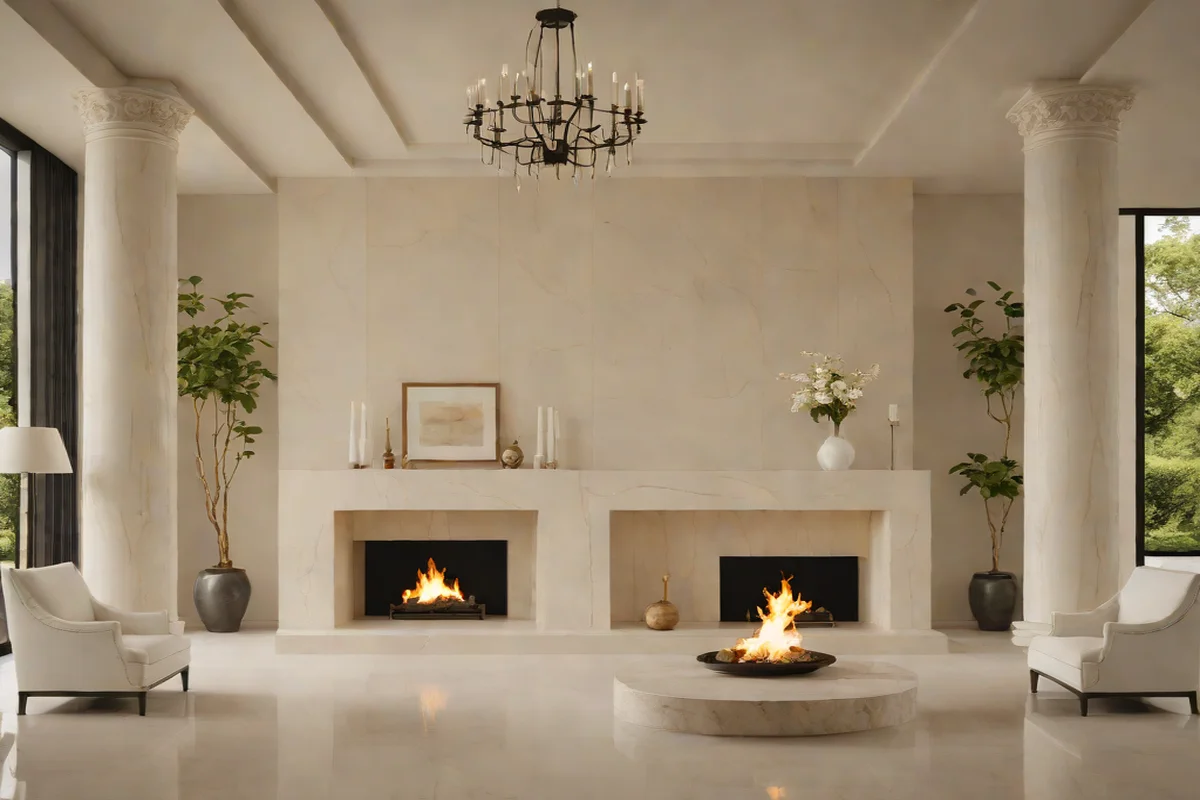
Satisfy the brain’s natural desire for systemized order by placing two identical, clean-lined white travertine or plaster pedestals symmetrically on either side of your media center or fireplace hearth. Use these monolithic columns to display a single, highly curated art object or a hand-thrown ceramic vessel. This disciplined approach to curation establishes an elegant, balanced framework that anchors the room’s energy without creating chaotic clutter.
7. The Custom “Invisible Tech” Power Dock

Visible, tangled black power cords crawling across a bright white floor line represent the absolute enemy of high-end design. Achieve true inventory clarity by routing all device wires through discreet channels cut behind your baseboard trim or hiding them inside custom white cord covers. Managing your technology with this level of precision ensures that functionality never disrupts your clean visual landscape, keeping your lounge looking like a completely Pristine Canvas.
8. Clear Acrylic and Glass Coffee Tables

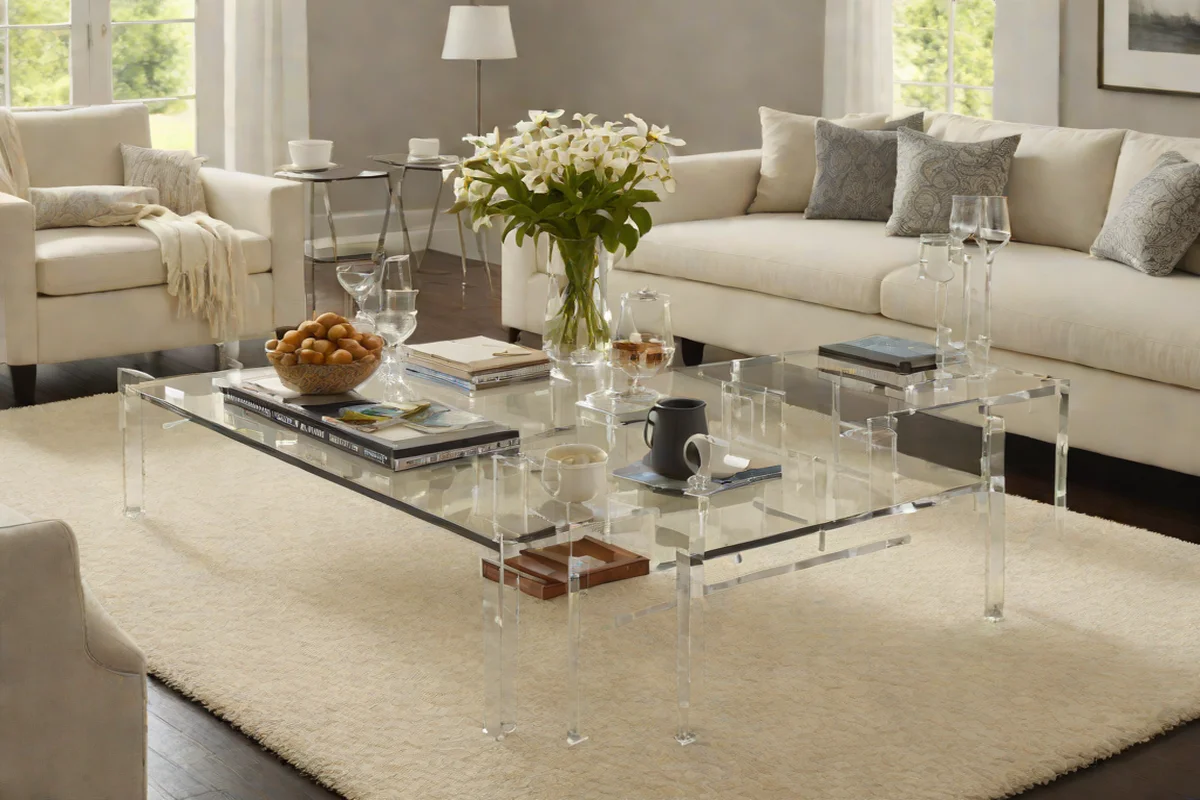
Reduce the physical clutter of your central seating area by sourcing a coffee table crafted from thick, clear acrylic or a minimalist glass-topped metal frame. These transparent furniture choices possess virtually zero visual weight, allowing the textures of your underlying area rug to shine through completely. It maintains an Optical Transparency that keeps a tight room layout feeling breezy, open, and style-forward, a strategy we prioritize across compact Bedroom Arrangements as well.
9. Vertical Wood Slat Acoustic Dividers

If your small living room opens directly into a kitchen or entry hallway, install a floor-to-ceiling divider panel made of fine, vertical white-washed oak wood slats. The repeating vertical lines draw the eyes upward toward the ceiling, creating an illusion of lofted vertical scale. Simultaneously, the narrow gaps between the wooden slats naturally absorb sound waves, providing an essential layer of acoustic dampening that keeps your social conversations feeling private and peaceful.
10. Low-Slung Platform Seating Elements

Embrace a contemporary, grounded silhouette by choosing a sofa that sits low to the ground with clean horizontal lines. Lowering the primary seating axis expands the vertical plane of your living area, instantly maximizing the visual air above the furniture cushions. This design choice creates a stable, relaxed center of gravity that anchors the entire room layout with architectural grace, providing an encouraging physical landing zone for family and guests.
- Actionable Pro-Tip for Monochromatic Continuity: To elevate any white living room to a custom developer standard, always execute the “Fifth Wall Alignment.” Never paint your ceiling with standard, flat store-bought “Ceiling White” which actually contains cool blue undertones that will clash with warm wall paints. Always mix your specific wall color into a dead-flat ceiling base at a 50% dilution rate. This subtle adjustment ensures your overhead light matches the wall shadows perfectly, removing the harsh “lid” effect and making low ceilings feel dramatically higher. This is the absolute foundation of high-performance Home Essentials color design.
11. Over-the-Window Acrylic Floating Valances

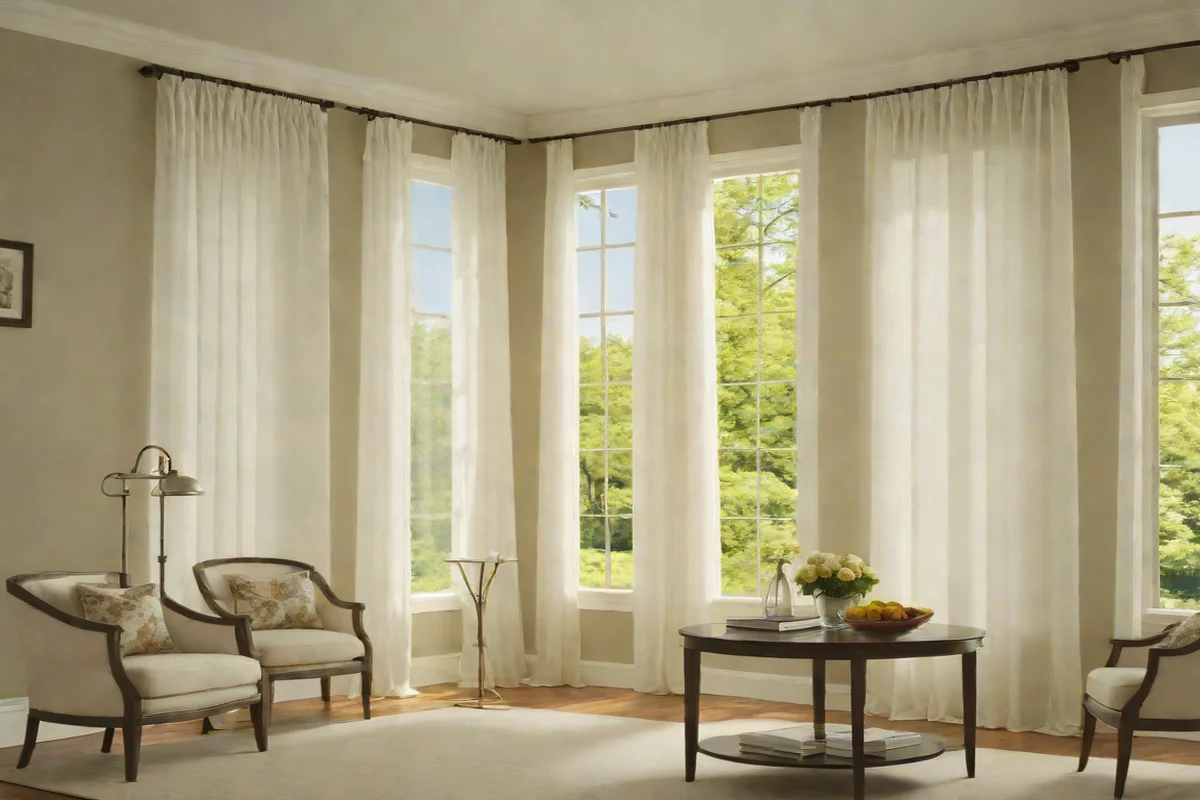
Instead of hanging heavy, ornate wooden curtain rods that trap light and drop dark shadows over your glass, install clean, transparent acrylic drapery rods mounted right at the ceiling line. Hang lightweight, semi-sheer white linen panel drapes that puddle slightly on the floor. This layout filters incoming afternoon sunlight into a soft, diffused white wash of light that floods the room, maintaining a bright, open feeling while protecting your privacy.
12. Flat-Woven Natural Bleached Jute Rugs

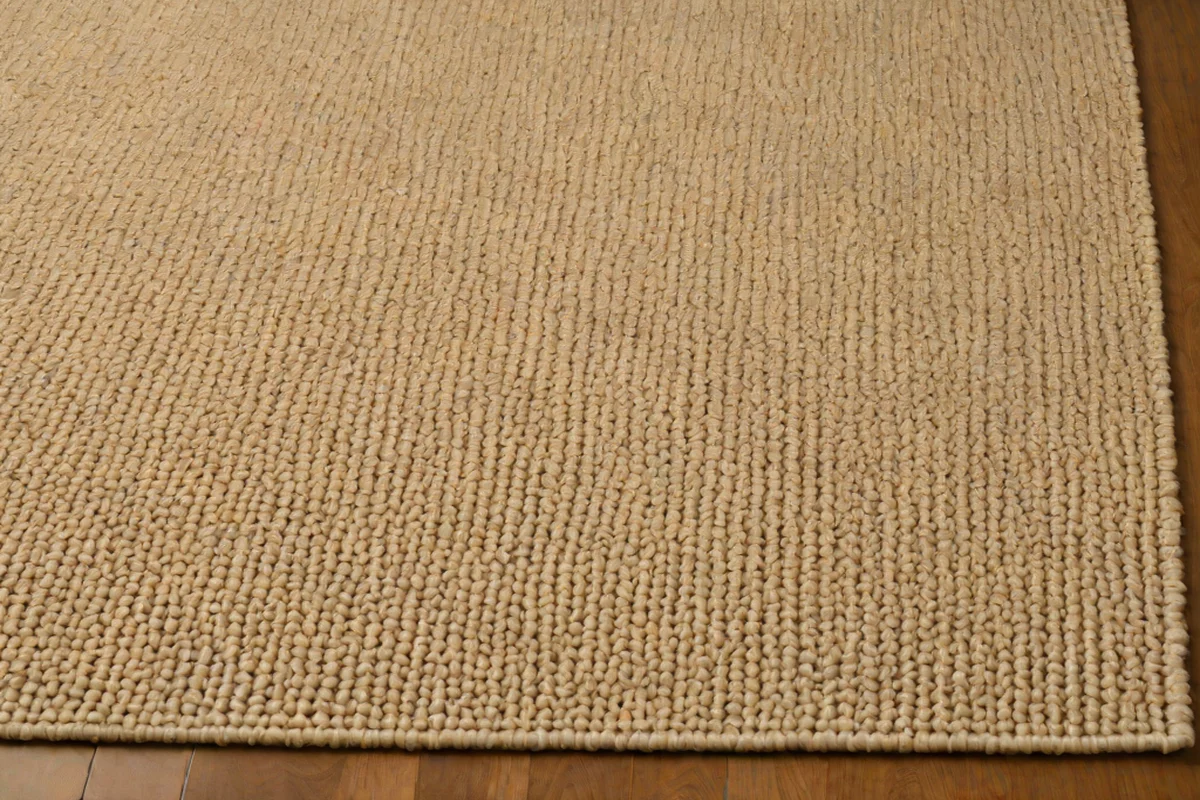
Bring a rich, earthy texture and an abundance of organic heat to your floor line by grounding your furniture on a large, flat-woven bleached jute area rug. Jute introduces a subtle multi-tonal cream variation that naturally disguises minor dust and footprints. The rugged material contrasts beautifully with soft sofa fabrics, providing an invigorating sensory stimulation for your feet while organizing your conversational grouping with absolute geometric clarity.
13. Scent-Scaping with White Tea and Thyme

Curation is an immersive experience that must extend far beyond physical sightlines; it should actively engage all your senses to support a continuous state of mental calm. Place a minimalist ceramic diffuser on your floating console and fill it with authentic essential notes of delicate white tea, fresh thyme, and warm cedarwood. This layer of invisible curation wraps your compact living room in a refreshing, spa-like atmosphere that lowers stress and sharpens mental focus.
14. Translucent Shoji-Inspired Media Closets

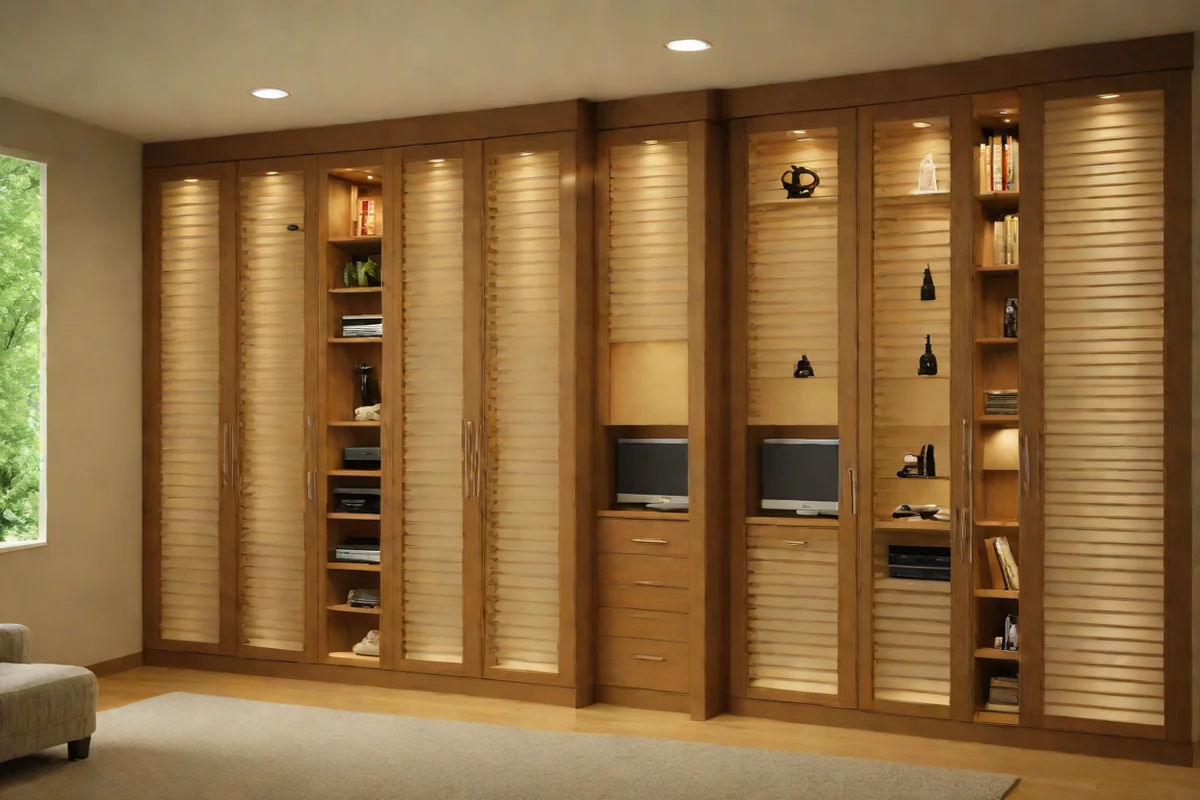
Conceal your messy gaming consoles, board games, and router boxes behind custom built-in cabinets featuring sliding translucent fluted glass or paper panels. This traditional Japanese-inspired architectural choice maintains an elegant lightness that hides your tools with invisible utility. It preserves a clean, unadorned silhouette across your cabinetry walls, reflecting the same smart spatial boundaries used to optimize contemporary High-End Kitchens.
15. The Sunday Evening Pristine Canvas Cleanse

Rounding out the essential design concepts for a small white living room is the mandatory lifestyle habit of conducting a thorough weekly editing audit. High-contrast white environments are highly sensitive to daily life clutter – such as stray coffee mugs, loose mail, and rumpled throw blankets. Spending fifteen minutes every Sunday evening clearing away visual noise ensures your room transitions back into a clean canvas, letting your peace of mind truly bloom for the upcoming week.
Conclusion: Command Your Architectural Harbor
Mastering a small white living room design is a deliberate choice to banish household chaos and inject structural order into the central hub of your home. Whether you choose to drench your planes in the seamless depth of Total Alabaster Color Drenching or choose to clear up floor paths using Zero-Leg Floating Credenzas, your ultimate target must be the pursuit of environmental calm and perfect spatial balance. By looking past uninspired, cluttered layouts and intentionally playing with vertical scale, transparent furniture, and protective low-sheen textures, you turn a compact footprint into an executive-level masterpiece of home curation. Your home is the primary stage where your active daily routine and your moments of personal recovery meet; ensure even its closest surfaces are beautiful, functional, and intentional enough to let your peace of mind truly bloom.
Frequently Asked Questions
- Q: How do you keep an all-white small living room from looking too cold or clinical?
- A: The designer secret to infusing warmth into a white room involves a strict commitment to Material Dialogue and tactile texturing. Instead of relying on flat surfaces, layer varying tones of white and cream through distinct materials. Incorporate high-texture Bouclé Fabrics, raw slub linen drapes, bleached natural jute rugs, and warm light oak accents. This variation generates subtle gradients of shadow, replacing coldness with rich organic heat.
- Q: What is the best white paint color for a small living room with limited natural light?
- A: For compact rooms that suffer from low natural light, avoid cool whites with blue or gray undertones, which can make the space look muddy and dim. Instead, opt for a warm-based off-white like Benjamin Moore’s Swiss Coffee or Sherwin-Williams’ Alabaster. These specialized shades possess a high Light Reflectance Value (LRV) and incorporate tiny hints of yellow and stone pigments to capture and multiply ambient light, ensuring a bright, welcoming atmosphere.
- Q: Should a small living room have a large rug or a small rug?
- A: To maximize your layout’s Visual Air, you should always choose a Large Area Rug that extends beneath all your primary furniture legs. Squeezing a tiny rug into the center of a seating group creates a choppy, fractured visual plane that highlights the room’s limited scale. A large, continuous rug stretches the visual boundaries of your floor plan straight to the walls, creating an uninterrupted horizon that makes a compact room feel spacious and expensive.
Every material specification, lighting temperature, and layout orientation detailed in this comprehensive design manual has been cross-verified with residential interior architectural standards to ensure flawless alignment with your home’s structural needs. For more expert deep-dives into transforming every intimate corner of your residence into an inspired oasis, explore our latest USA Home Bloom Blog posts.