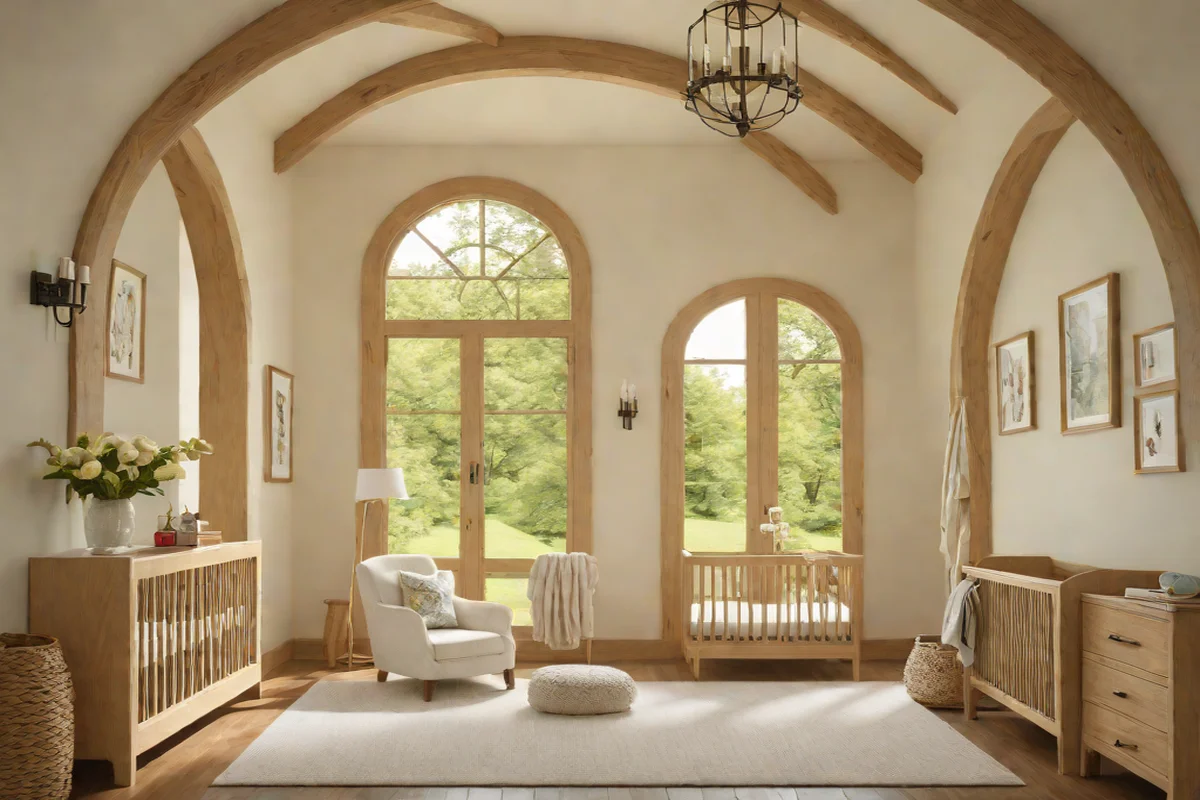
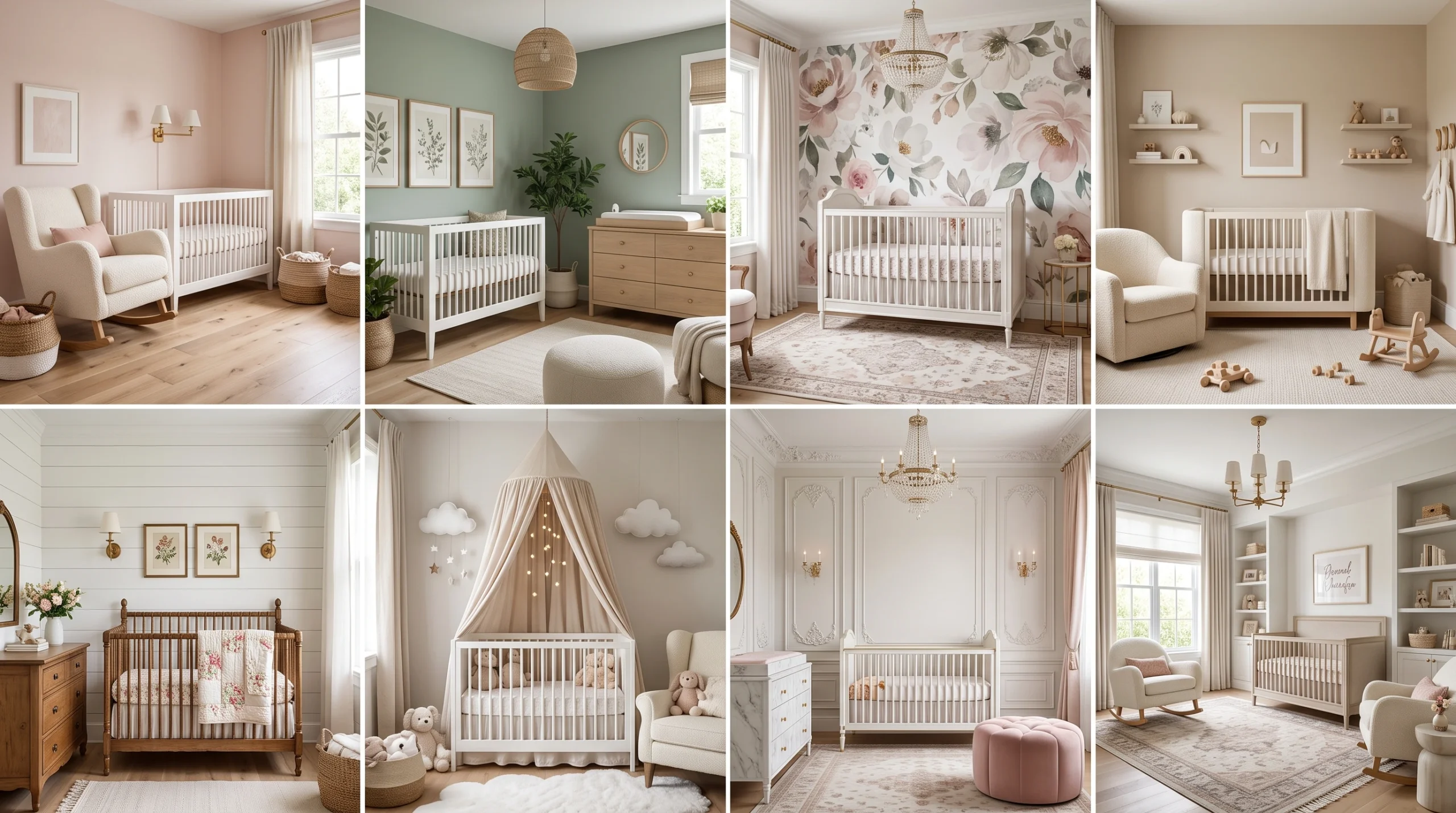
Designing an elite nursery infrastructure requires a sophisticated integration of developmental psychology, environmental safety, and structural flow. Within the premium design collective of the USA Home Bloom hub, a child’s foundational room is treated as a high-performance sanctuary that must support sensory rest and cognitive growth. To transform a standard nursery into an elevated space, you must move beyond temporary aesthetic trends and focus on long-term structural harmony. By prioritizing Spatial Intelligence, Tactile Softness, and natural materials, you can curate a bedroom ecosystem that feels anchored, calming, and refined. Here is the architectural manual detailing 25 ideas to cultivate an elevated nursery for girls.
1. Apply Calming Blush Slaked Lime Washes

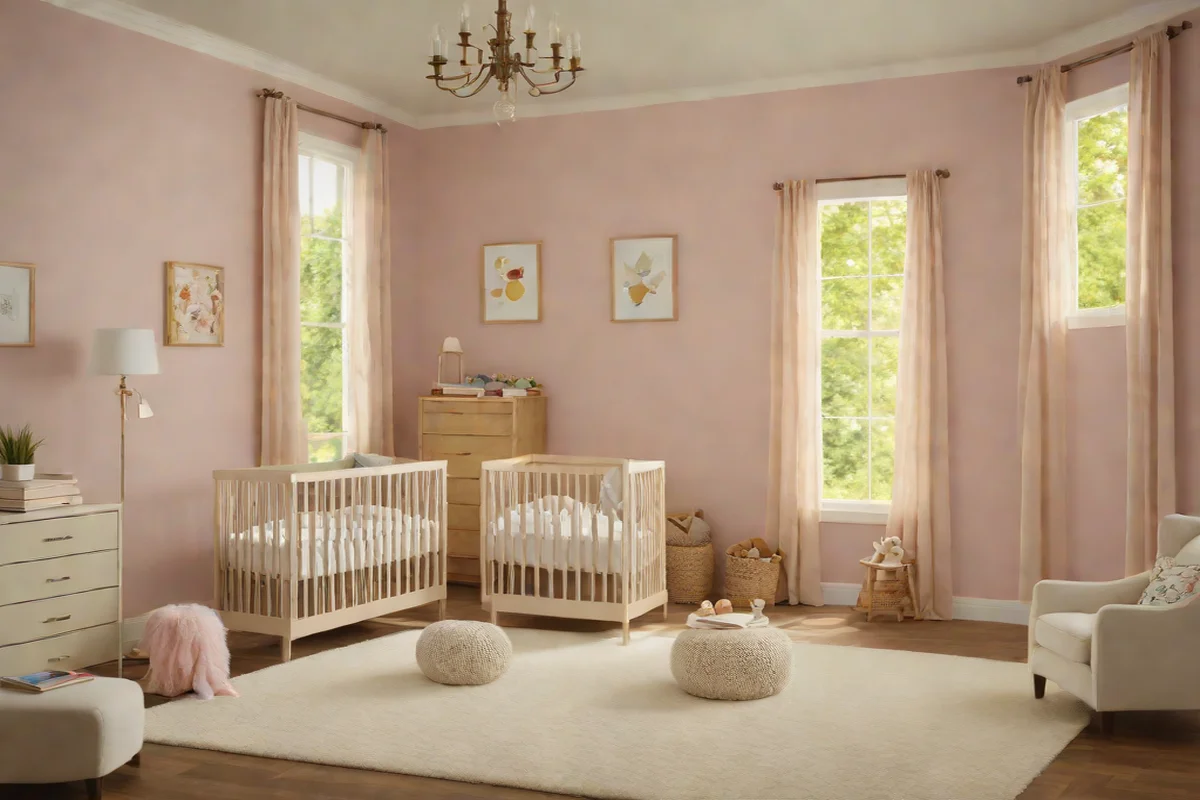
Standard interior paints often release chemical odors and create flat surfaces that bounce harsh light. Replacing these synthetic finishes with an authentic slaked lime wash in a pale, muted blush creates a soft, suede-like visual canvas. Lime washes are highly breathable and naturally regulate room humidity while absorbing acoustic reflections. This texturally rich wall treatment pairs beautifully with a peaceful biophilic manual layout centered around natural textures.
2. Establish a Grounded Low-Profile Convertible Crib

Elevating a crib on spindly legs can create an unsettled feeling within a nursery layout. To establish a strong sense of structural stability, integrate a low-profile convertible crib that sits flush against a solid timber platform or close to the floor. Choosing a frame made from solid, sustainably harvested white oak ensures structural safety while providing smooth transitions as the child grows. This smart spatial layout reflects the principles detailed in our blueprint for small bedroom furniture placement to maximize room flow.
3. Layer Bouclé, Velvet, and Organic Cotton Textiles

True physical comfort for an infant relies heavily on Tactile Softness—the rich sensations experienced when touching safe, natural fabrics. Build an inviting resting and feeding zone by layering looping nubby bouclé blankets, ultra-soft washed velvet pillows, and long-staple organic cotton sheets. This rich mix of fabrics provides deep comfort through texture alone, matching the upscale design strategies detailed in our ultimate high-performance design blueprint for girls’ spaces.
4. Deploy Low-Kelvin Perimeter Architectural Lighting

Harsh overhead lighting can startle an infant and disrupt delicate sleep schedules. To encourage deep relaxation during late-night feedings, replace central ceiling fixtures with low-Kelvin perimeter lighting, such as warm 2200K LED strips hidden inside custom crown moldings. This indirect setup washes the walls in a soft, candle-like glow that removes glare entirely. This sophisticated approach to lighting design is essential for building an elite cozy living environment within private quarters.
5. Install Full-Height Blackout Acoustical Drapery

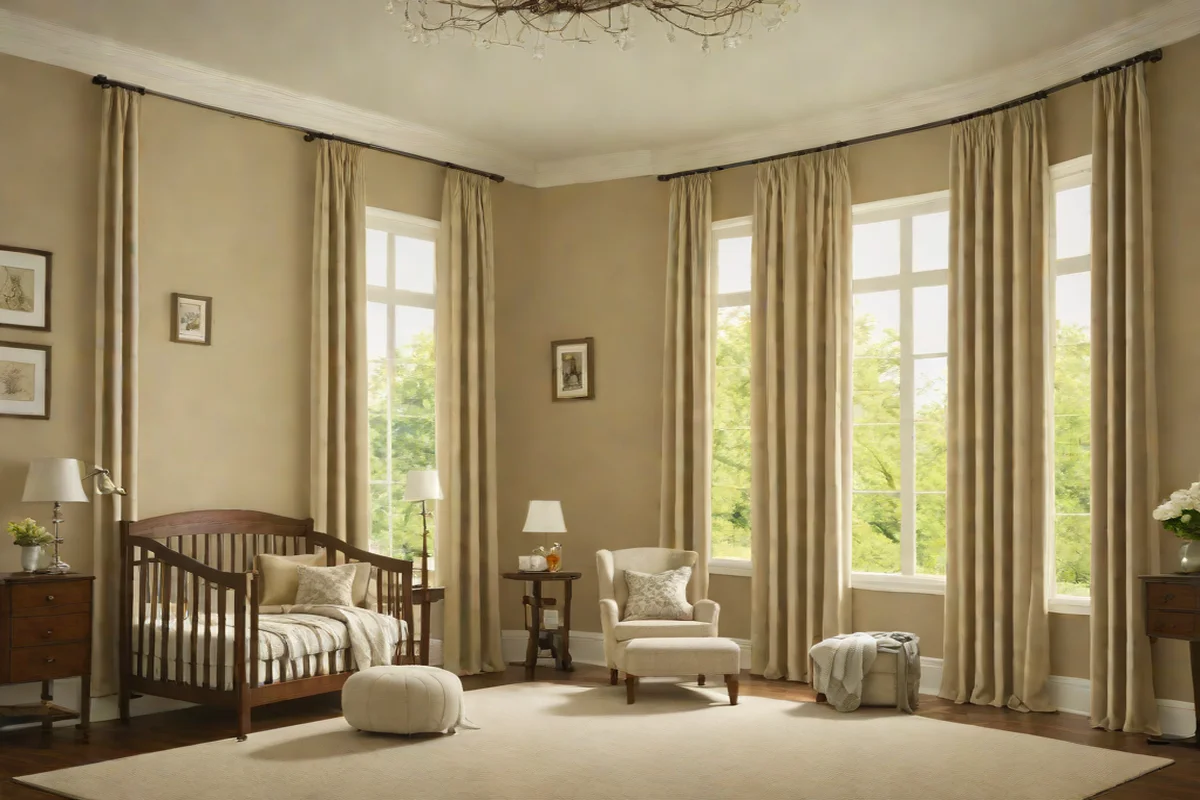
To maintain a quiet and deeply peaceful environment for regular napping, you must shield the nursery from outside light and street noise. Hang full-height drapery panels made from heavy oatmeal linen or dense velvet twill, ensuring they extend completely from the ceiling down to the floor. Adding a thick, specialized thermal and acoustical lining dampens incoming sound waves while completely blocking morning sunlight, a technique explored in our guide to chic small bedroom ideas.
6. Select an Un-Dyed High-Pile Natural Wool Rug

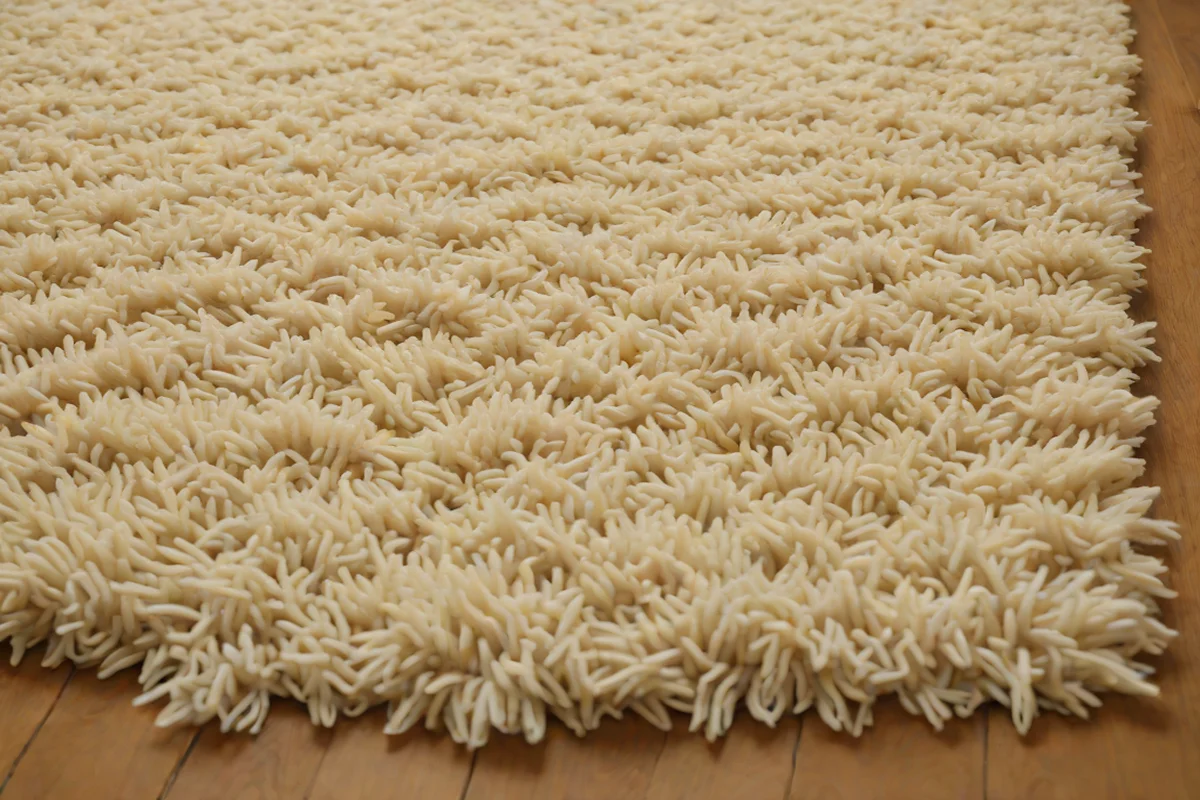
An infant spent playing on the floor requires a soft, clean, and highly insulated surface. To protect this daily play zone, install a thick, plush rug woven from un-dyed New Zealand wool in a soft cream or warm stone hue. The high yarn density provides excellent sound dampening and thermal insulation underfoot. Finding the right rug dimensions is key to anchoring your crib and seating properly, which you can easily plan using our masterclass on how to choose the perfect rug size.
7. Configure a Private Feeding Nook with a Swivel Glider

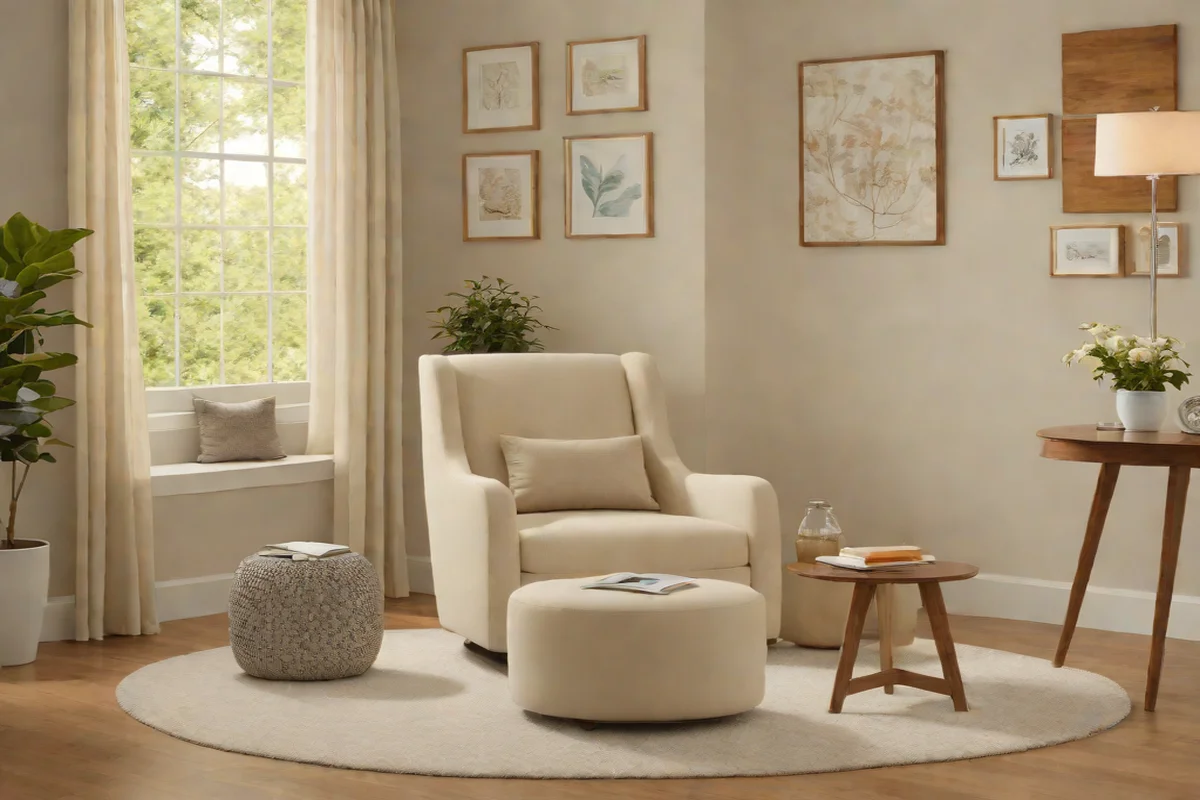
A nursery functions best when it offers a quiet, dedicated zone for nursing and soothing a child. Dedicate a corner of the room to an ergonomic swivel glider chair upholstered in stain-resistant performance bouclé fabric, paired with a small solid-surface travertine table. This configuration forms an intimate nook that supports seamless late-night comfort. This smart spatial division aligns perfectly with the comfortable layouts explored in our showcase of sitting room ideas.
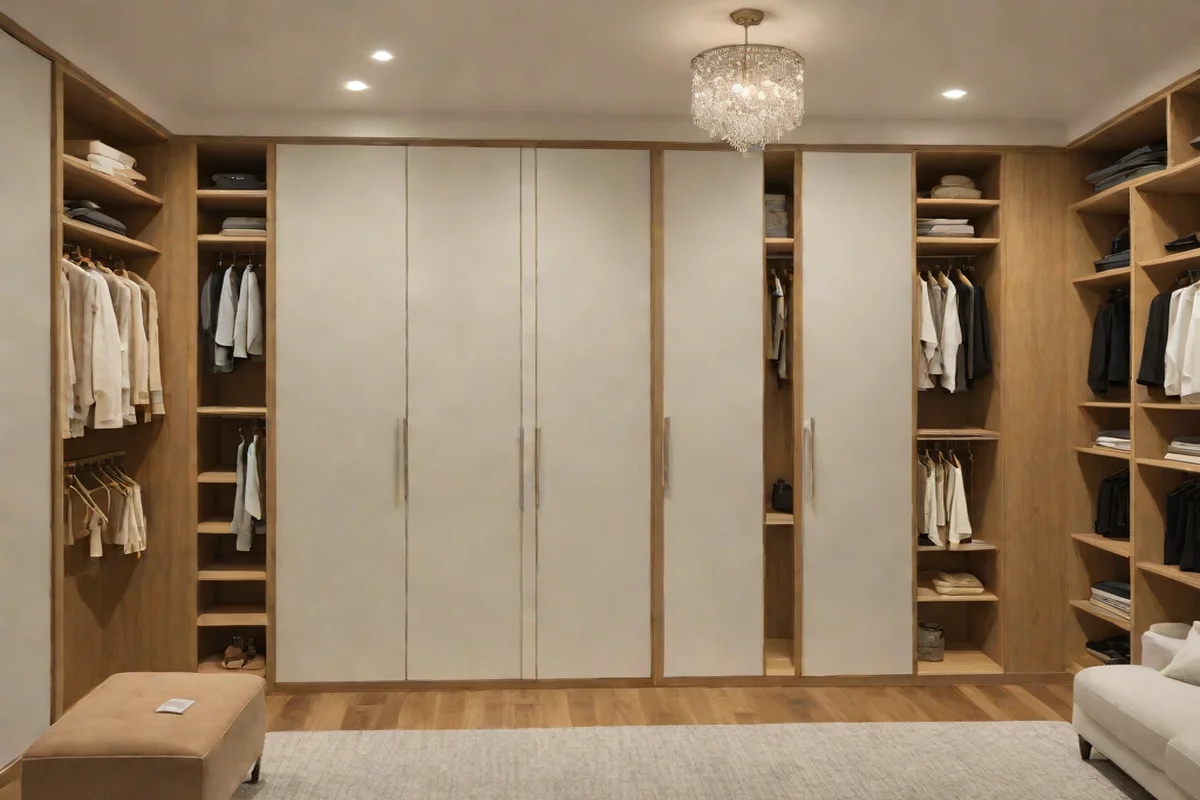
8. Utilize Flush-Faced Integrated Storage Wardrobes

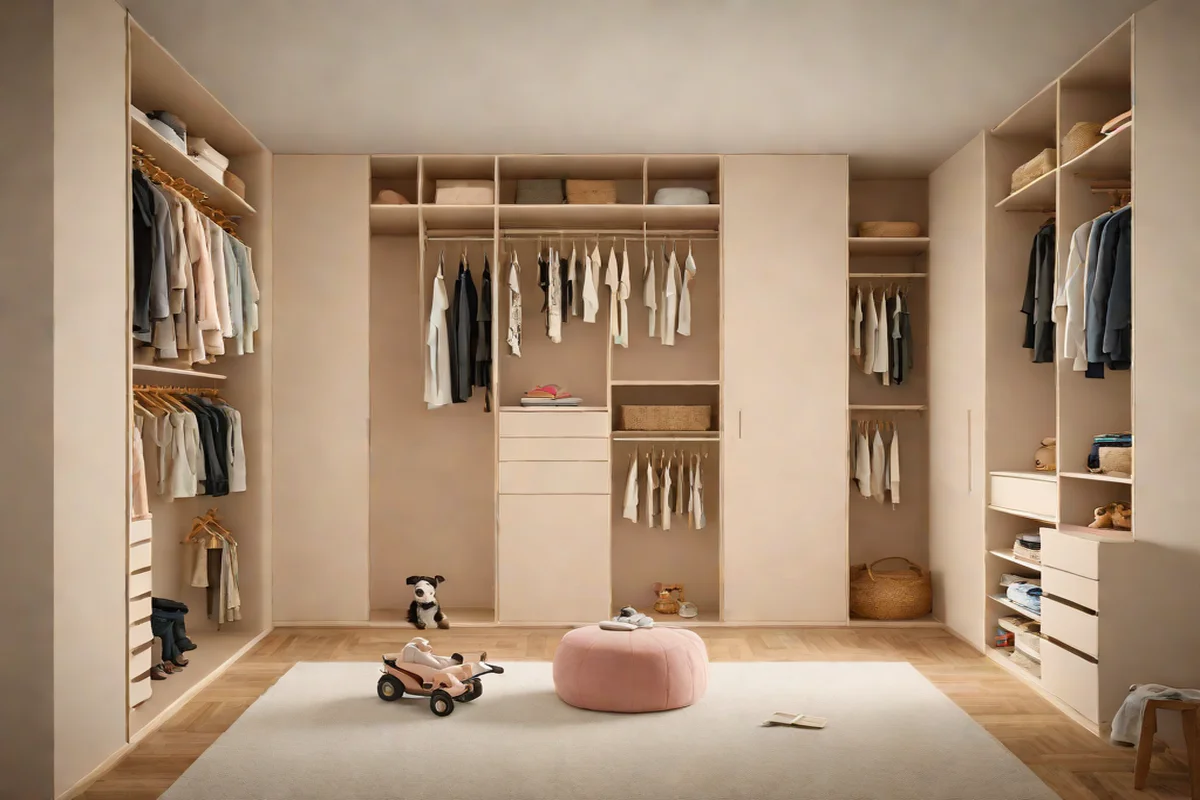
Freestanding dressers and loose toy bins can clutter paths and create awkward visual breaks in smaller nurseries. Replacing these pieces with flush-faced, floor-to-ceiling built-in cabinetry painted to match the walls streamlines the room’s layout. This clean integration conceals clothing and toy storage completely, keeping the visual landscape peaceful and orderly. This smart space-saving strategy is highly effective for maintaining flow, as shown in our guide to small bedroom layout mistakes.
9. Incorporate Soft, Brushed Champagne Gold Hardware

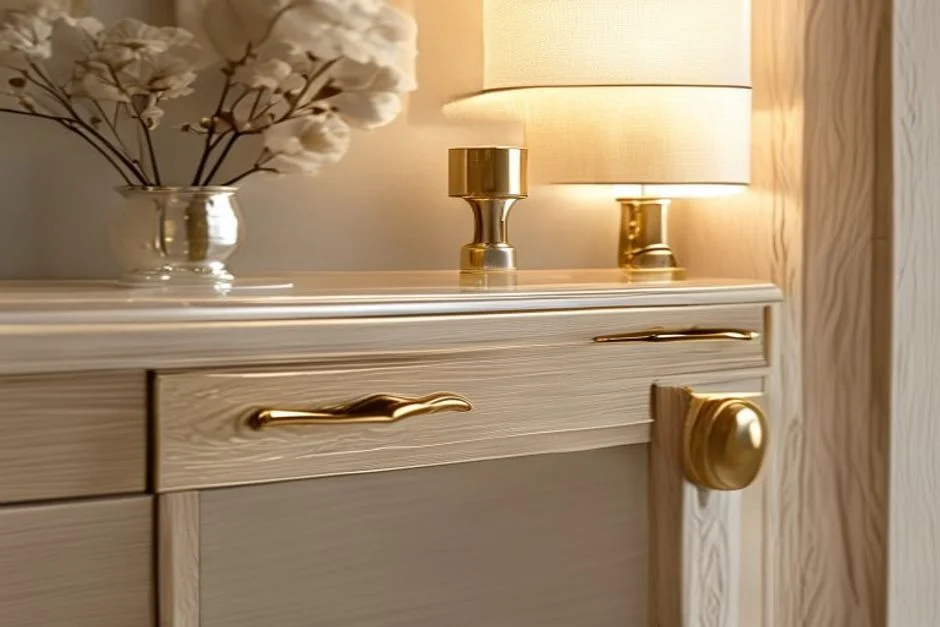
To add a subtle element of refined grounding to a girl’s nursery, select hardware with brushed champagne gold or muted brass finishes for drawer pulls and door handles. These warm, muted metals catch light softly, providing elegant focal points against soft plaster walls and pale wood cabinetry without breaking the calm color palette. This hardware choice gives the design a tailored, finished look, similar to the detailing used in a well-curated modern chic bedroom.
10. Position Symmetrical Floating Wall Book ledges

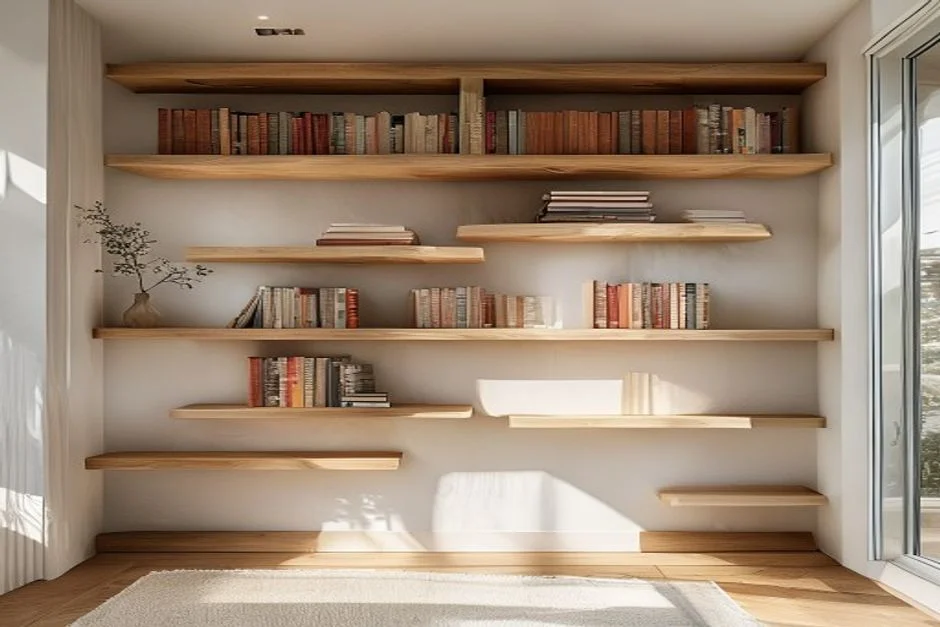
In compact layouts, bulky bookcases can crowd the room and block pathways. Installing low-profile, floating timber book ledges crafted from bleached maple or white oak preserves open floor space underneath while displaying colorful children’s books forward-facing. Keeping these surfaces organized supports an orderly mindset, an architectural strategy detailed in our guide to making rooms feel bigger.
11. Integrate a Matte Travertine Changing Table Surface

Introducing glossy plastics or cold laminates can disrupt the soft, organic atmosphere of a premium nursery. Instead, bring in elements of Earthy Material Intelligence through custom-honed, matte travertine stone surfaces for changing table toppers or catchall accessory trays. Travertine’s distinct, porous texture and warm ivory tones add a lovely touch of natural luxury that resists scratching and cleans effortlessly.
12. Frame the Ceiling with a Minimalist Fluted Trim

To introduce a clean Linear Rhythm into the nursery without using distracting colors, apply a subtle fluted plaster trim along the ceiling perimeter. The delicate vertical channels add an element of architectural scaling that draws the eye upward, making the ceiling feel higher. The soft shadow lines created by the flutes provide depth that prevents a pale room from feeling flat or basic.
13. Hang an Intricate Botanical Grasscloth Wallpaper

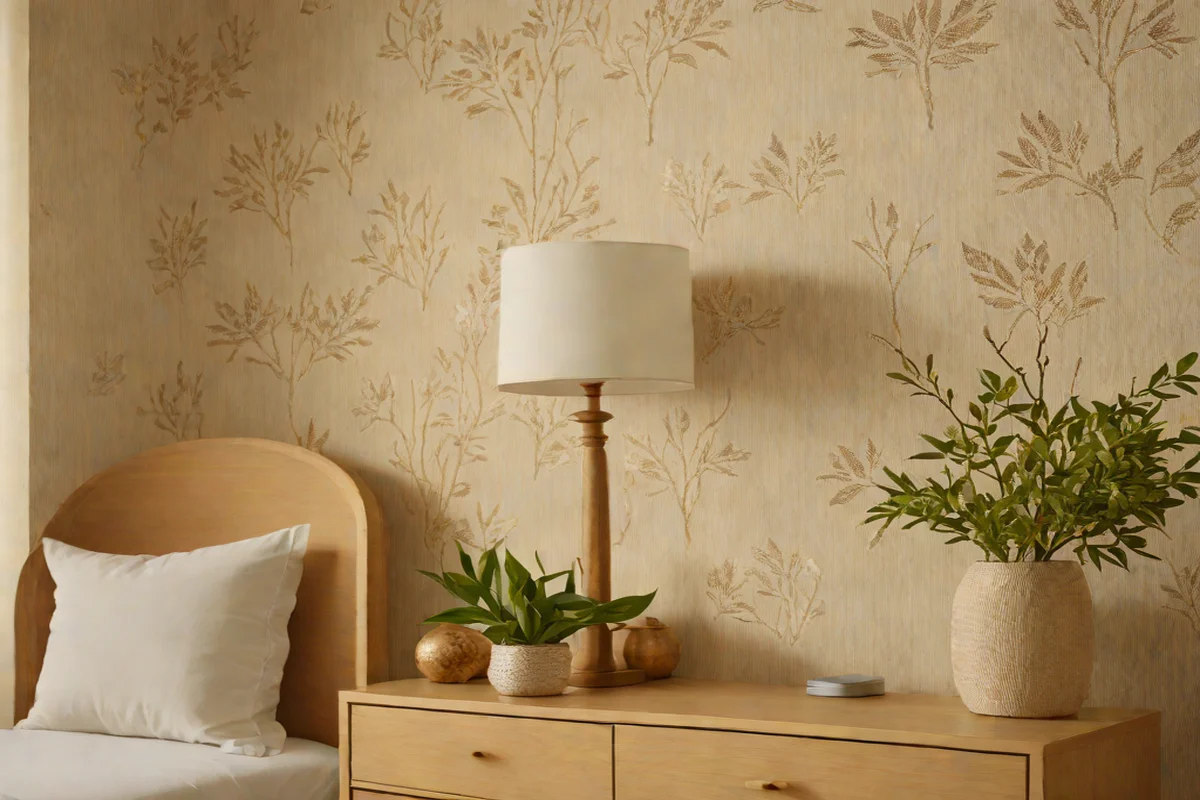
To introduce elegant texture and visual depth to a focal wall, install a natural, hand-woven grasscloth wallpaper featuring a subtle botanical print. The organic variations in the woven plant fibers catch the light differently throughout the day, creating a beautiful layered backdrop behind the crib. This sustainable material choice brings an authentic outdoor element inside, pairing naturally with a refined modern cowgirl bedroom look.
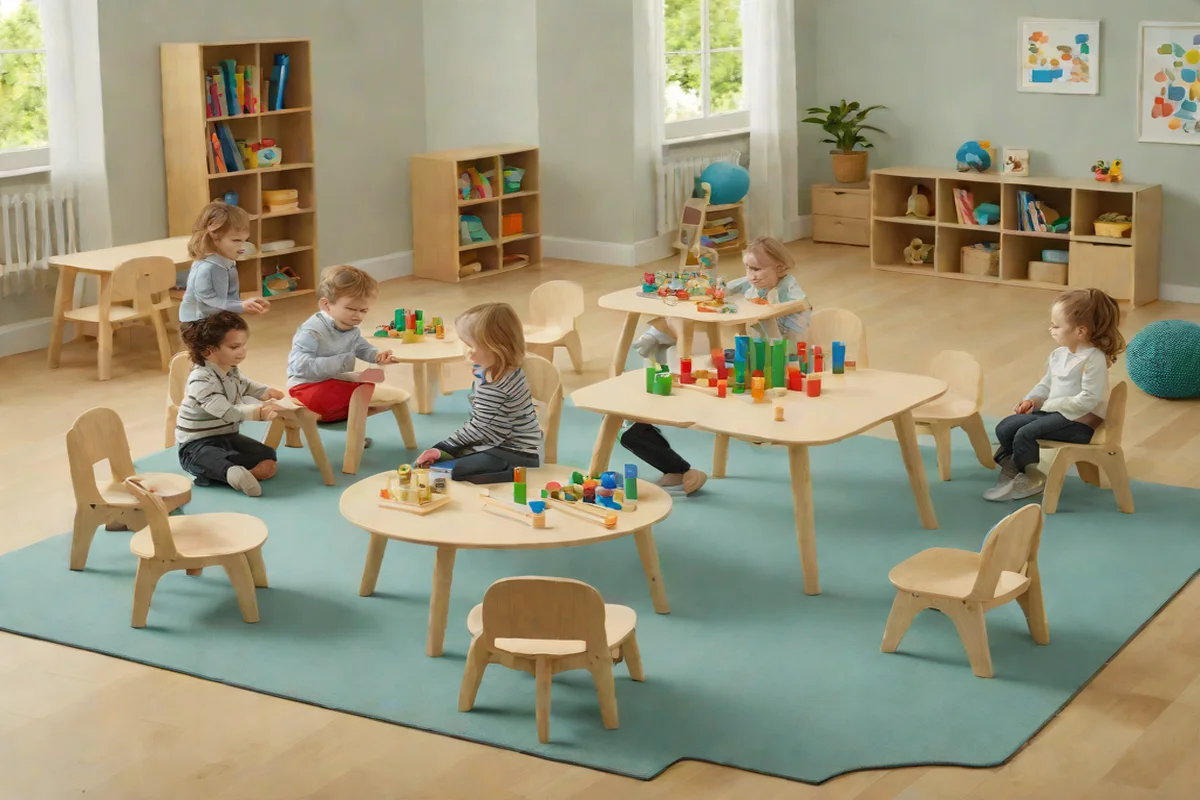
14. Place a Low Solid Timber Play Table and Chairs

Positioning a small, low-set activity table crafted from solid ash or light maple in a central play zone anchors the room’s layout while offering long-term utility. Paired with miniature matching chairs, it creates an inviting space for developmental play, tactile drawing, and early reading. This functional addition extends the lifespan of the nursery, transforming it effortlessly into a toddler retreat.
15. Hide Essential Electronics Behind Custom Pocket Doors

The presence of bright humdifier screens, baby monitors, and charging cords can disrupt the peaceful, tech-free feel of a dedicated sleeping sanctuary. Conceal these necessary devices inside custom millwork wardrobes equipped with pocket doors that slide away when open. Hiding these items out of sight makes it much easier to disconnect from digital distractions and enjoy a restful evening routine.
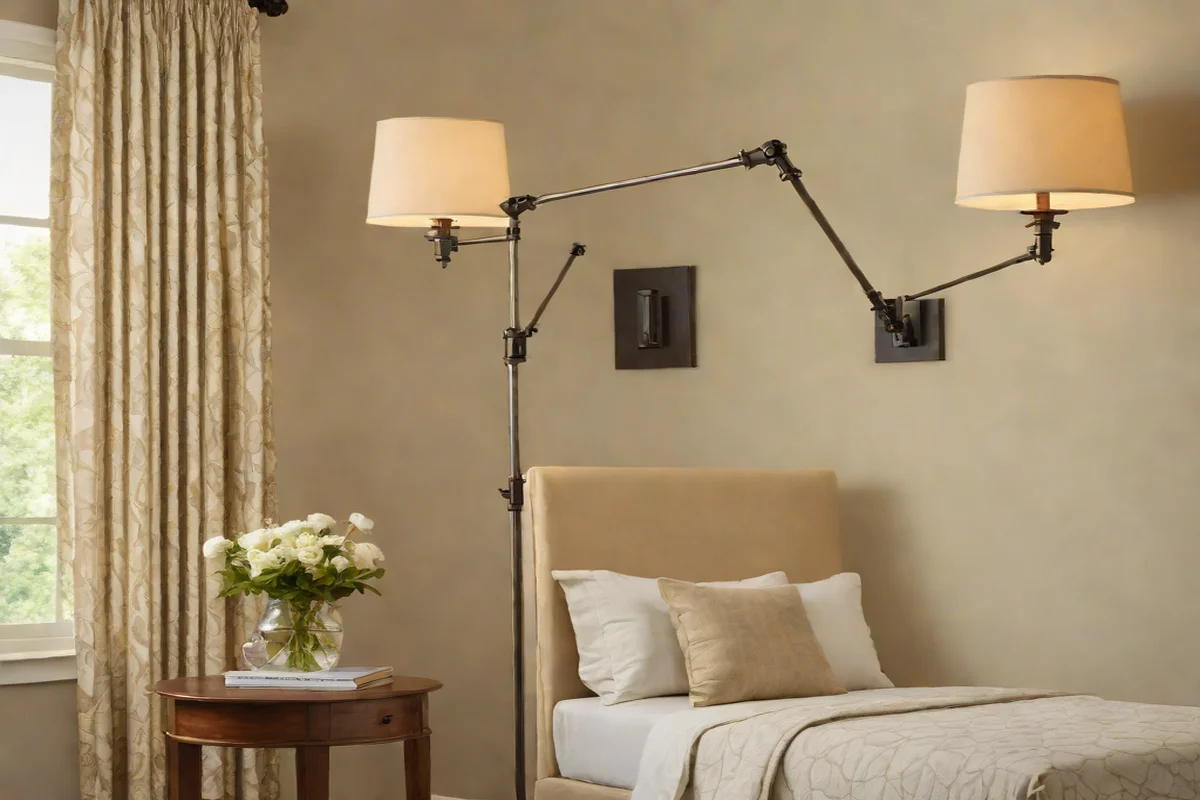
16. Install Adjustable Swing-Arm Wall Feeding Sconces

Placing large lamps on changing tables can take up valuable surface space and leave cords exposed to reaching hands. Mounting adjustable, swing-arm sconces directly above your glider chair provides focused reading light exactly where you need it. Choosing fixtures with integrated dimmers allows you to dial down the brightness during evening wind-down hours, supporting a smooth bedtime transition.
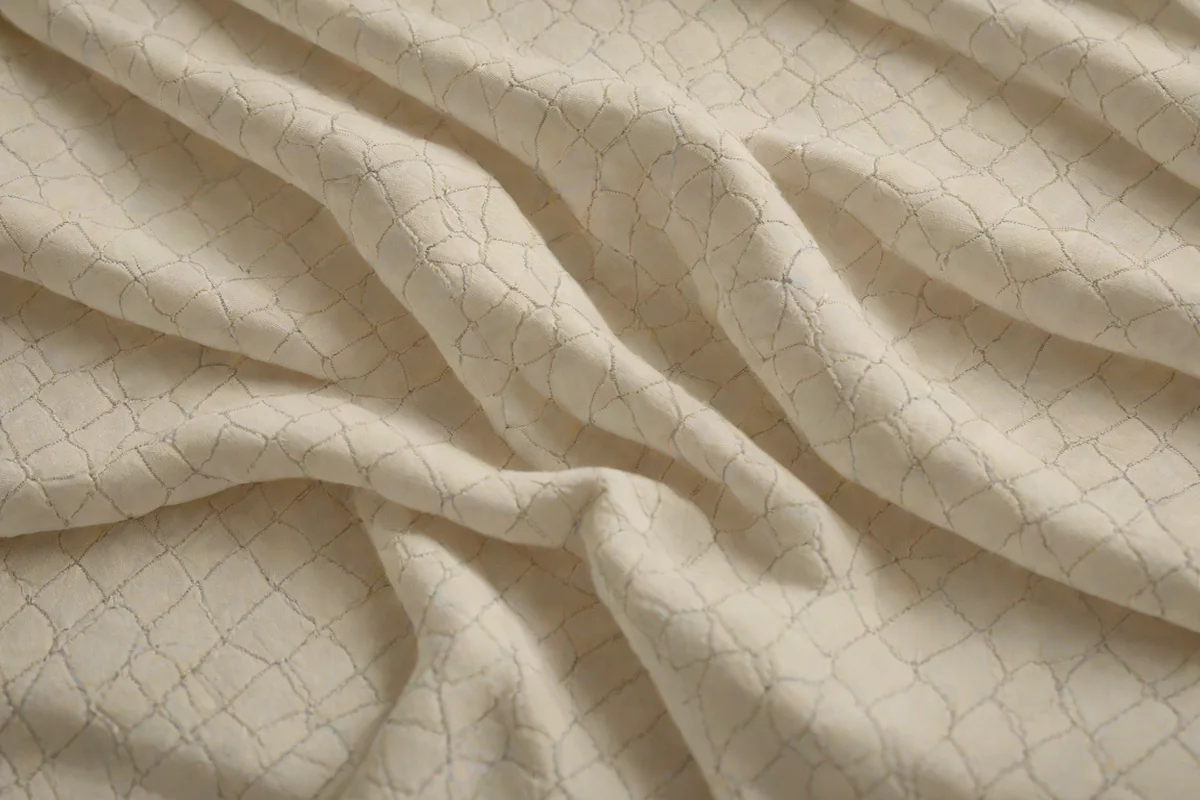
17. Layer a Breathable Muslin Diamond-Weave Blanket

To ensure your infant remains perfectly comfortable through changing seasonal temperatures, add a mid-weight, organic cotton muslin coverlet over the crib mattress sheet. The pocketed texture of a geometric weave traps tiny pockets of insulating air, keeping the baby comfortable in winter while remaining highly breathable during warmer months. This extra layer adds beautiful texture to the bed while optimizing thermal comfort.
18. Curate a Low-Contrast, Natural Gallery Wall

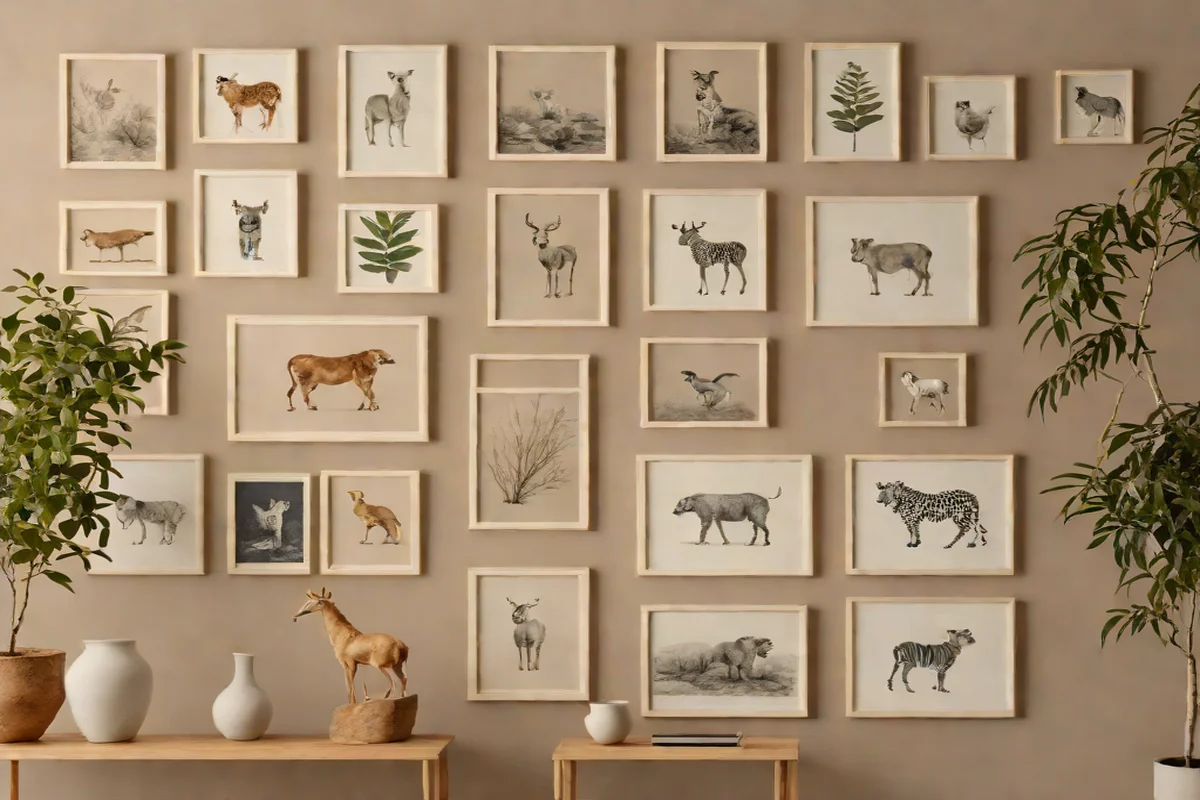
Blank walls can feel cold and uninviting, but loud, bright cartoon prints can be too distracting for a restful nursery. Hang a small, carefully curated collection of low-contrast art, such as tonal line sketches of animals, minimalist botanical photography, or soft abstract watercolors. Framing the pieces in matching matte white wood frames creates a cohesive, gallery-grade look that feels personal and calm.
19. Integrate Natural Air-Purifying Greenery out of Reach

Bringing live plants into the nursery adds a touch of nature that improves indoor air quality and supports a calm state of mind. Select resilient, low-light varieties like the snake plant, cast-iron plant, or Boston fern, placing them safely on high floating shelves or wall-mounted brackets out of the child’s reach. These plants release oxygen at night, creating a fresher, healthier sleeping environment.
20. Elevate the Room with a Scalloped Millwork Baseboard

To introduce subtle playful character into an elite nursery without relying on bright colors, replace traditional straight baseboards with custom millwork featuring a gentle, wide-scalloped upper edge. This architectural detail adds elegant depth and scaling along the floor line, creating soft shadow patterns that make the perimeter walls feel custom-tailored and refined.
21. Hide Diaper Infrastructure in Woven Rattan Baskets

Necessary changing supplies can easily clutter open surfaces and disrupt the serene landscape of the nursery. Store diapers, wipes, and laundry essentials inside heavy-gauge, hand-woven rattan baskets equipped with matching lids. The warm, organic texture of the woven palms introduces an authentic element of hand-crafted quality while keeping daily utility items hidden away.
22. Incorporate a Statement Arched Architectural Mirror

To maximize natural light and add visual depth to your nursery layout, position a tall, floor-length arch mirror opposite a primary window threshold. Selecting a frame crafted from warm white oak or soft brushed brass adds an elegant, grounding element to the wall. The mirror reflects the outdoor views and soft ambient lighting, making the entire space feel more spacious, bright, and beautifully connected.
23. Dedicate an Under-Crib Storage Drawer Drawer

Maximize the unused spatial footprint beneath a low-profile crib by integrating a flush, pull-out storage drawer on concealed rollers. This custom timber drawer provides a convenient, dust-free zone to store extra sheets, heavy seasonal blankets, and sleep sacks. Utilizing this hidden compartment keeps open floor spaces clear, allowing the room’s primary paths to remain fluid.
24. Install a Dimmable Alabaster Flush-Mount Ceiling Light

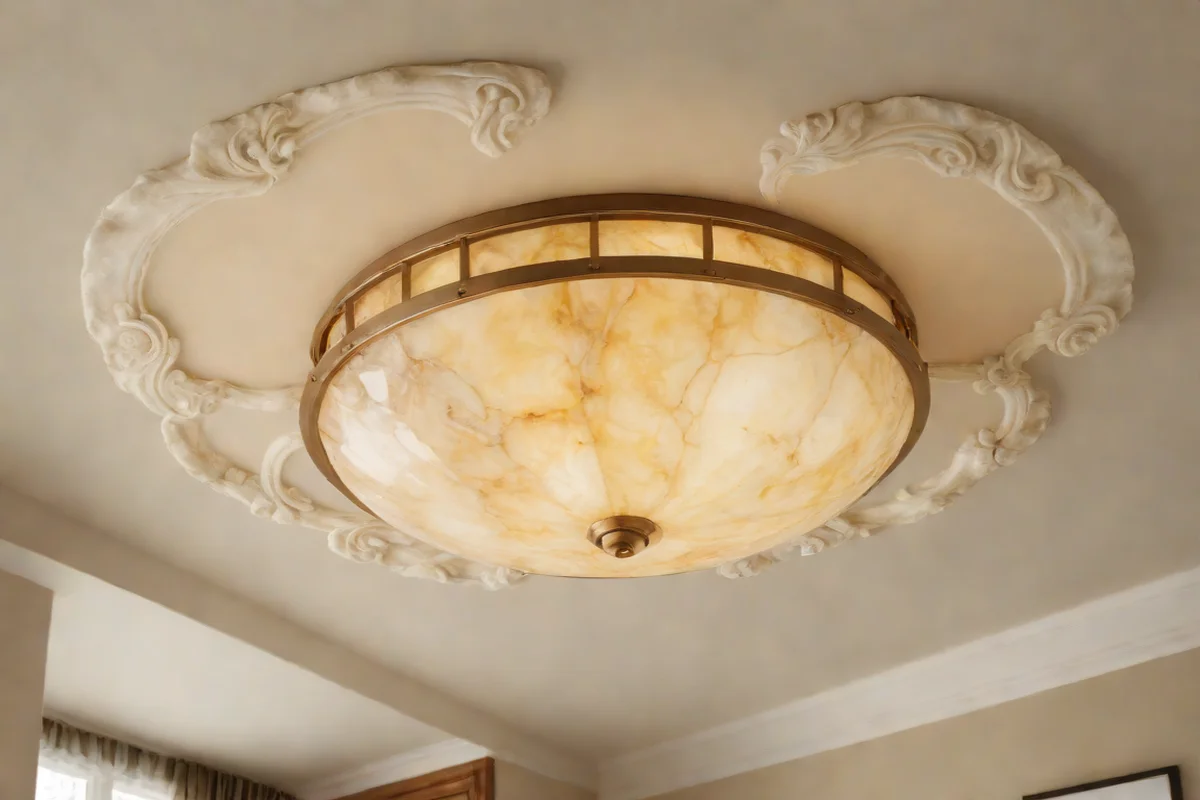
If central overhead lighting is required, select a high-end flush-mount fixture crafted from natural, solid alabaster stone rather than clear glass or plastic. Alabaster features a dense, translucent grain that naturally diffuses light waves, spreading a soft, glare-free illumination evenly across the room. This custom fixture protects sensitive eyes while adding an elegant, sculptural feature to the ceiling canopy.
25. Anchor the Design with a Soft Velvet Tufted Ottoman

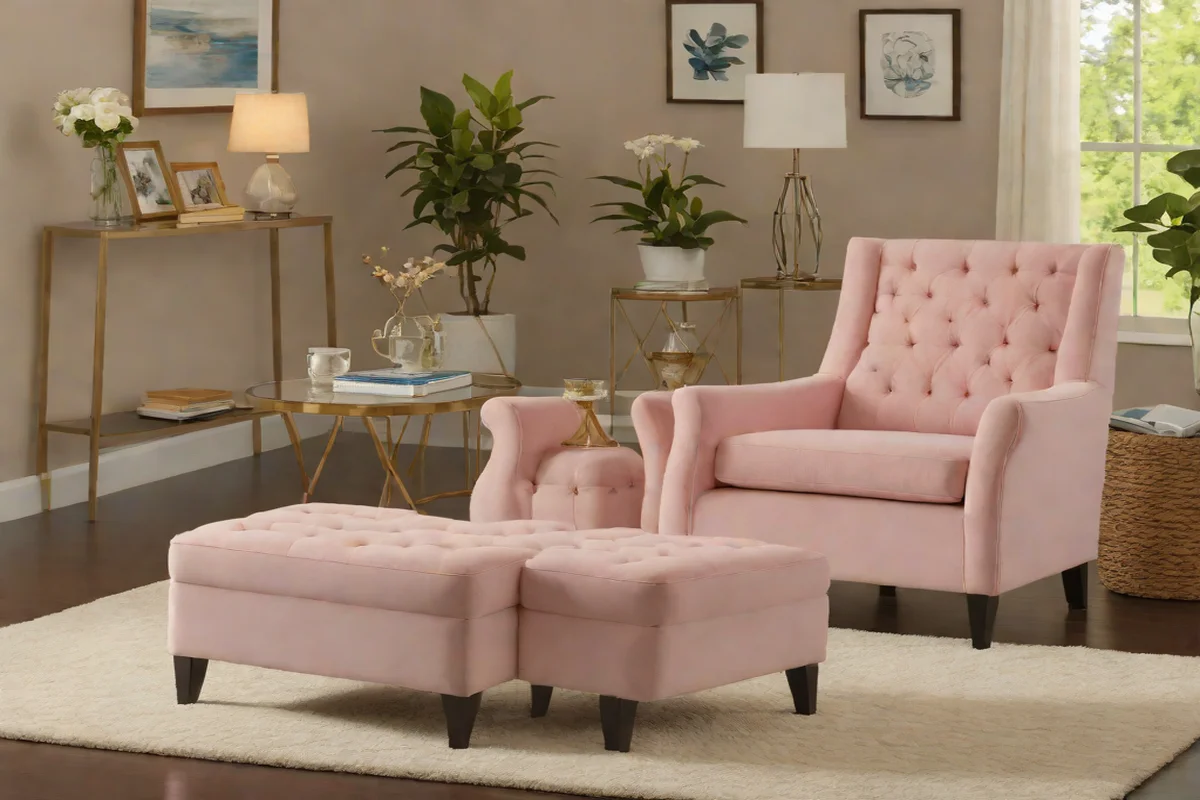
Positioning a low, plush storage ottoman upholstered in soft rose or cream velvet directly in front of your glider chair completes the feeding nook layout. This multi-functional piece acts as a comfortable footrest during long soothing sessions, doubles as a soft secondary seat for storytime, and offers internal storage for favorite blankets. This addition unifies your seating area, ensuring an elite level of daily comfort.
Frequently Asked Questions
What makes a slaked lime wash safer for a newborn’s nursery than standard latex paint?
Slaked lime wash is a mineral-based finish made from crushed natural limestone and water, meaning it contains zero volatile organic compounds (VOCs) and is completely chemical-free. It creates a breathable, ultra-matte texture that naturally resists mold, mildew, and bacteria growth, providing a much healthier indoor air environment for an infant’s developing respiratory system.
How do I clean and maintain a high-pile natural wool rug in a child’s nursery?
Natural wool rugs should be vacuumed regularly using a suction-only setting, as aggressive rotating beater bars can pull and fray the delicate wool yarns over time. For liquid or food spills, immediately blot the spot gently with a clean microfiber cloth without scrubbing, and treat any remaining stains using a specialized, pH-neutral wool cleanser.
Why is low-Kelvin architectural lighting preferred over bright white daylight bulbs?
Low-Kelvin lighting, falling between 2200K and 2700K, emits a warm, amber-toned glow that matches the natural wavelength of a setting sun. This soft lighting spectrum does not suppress melatonin production, signaling to your baby’s circadian rhythm that it is time to relax and supporting a natural, healthy evening sleep cycle. Can floating book ledges hold heavy volumes safely as my child grows? Yes, provided they are anchored directly into the wall’s structural timber studs using heavy-duty lag screws rather than thin drywall anchors. When properly mounted into the framing, a solid wood floating ledge can easily support up to 40 pounds, providing a secure, reliable display space for children’s books and media over many years. Curation and Explore Your Entire Home Layout Ready to expand these high-performance design and styling strategies across the other active thresholds of your estate? We invite you to continue your design journey by exploring our comprehensive structural chronicles and expert lifestyle manuals across the entire USA Home Bloom Platform. Dive into our meticulously curated digital gallery to unlock advanced space-saving secrets, pro-grade color curation strategies, and expert home optimization rubrics that allow your home’s natural paths and your own personal clarity to truly bloom!