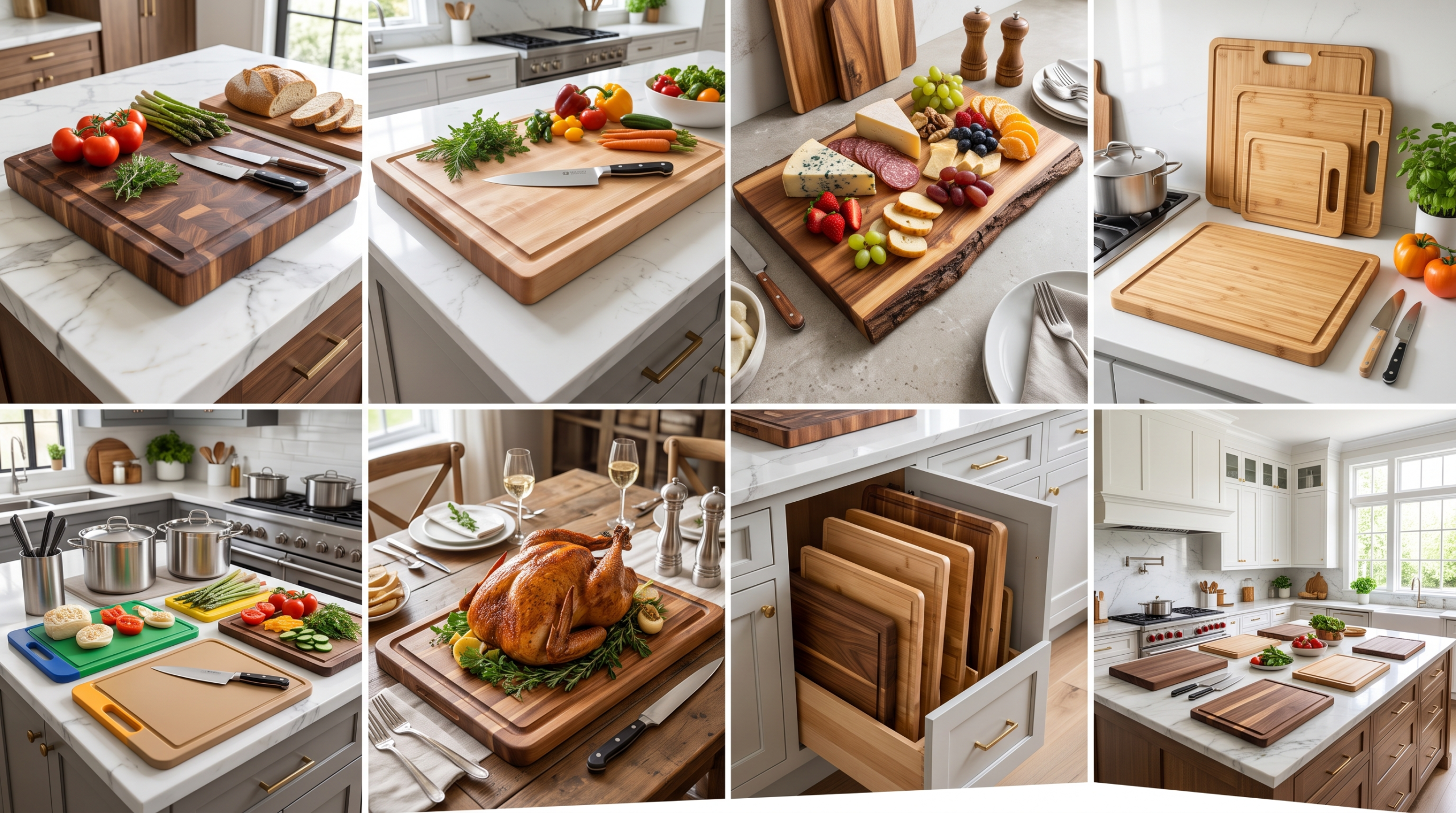
Selecting an elite cutting board requires balancing material density, mechanical friction, and your kitchen’s functional layout. Within the curated design universe of the USA Home Bloom hub, a premium prep surface is treated as an essential architectural layer that protects fine cutlery and maintains workspace hygiene. Investing in high-performance boards demands an understanding of how different fibers and composites react to daily impact. By analyzing the essential structural features of modern cutting surfaces, homeowners can choose boards that elevate meal preparation and integrate beautifully into their kitchen environment.
1. End-Grain Walnut Foundations

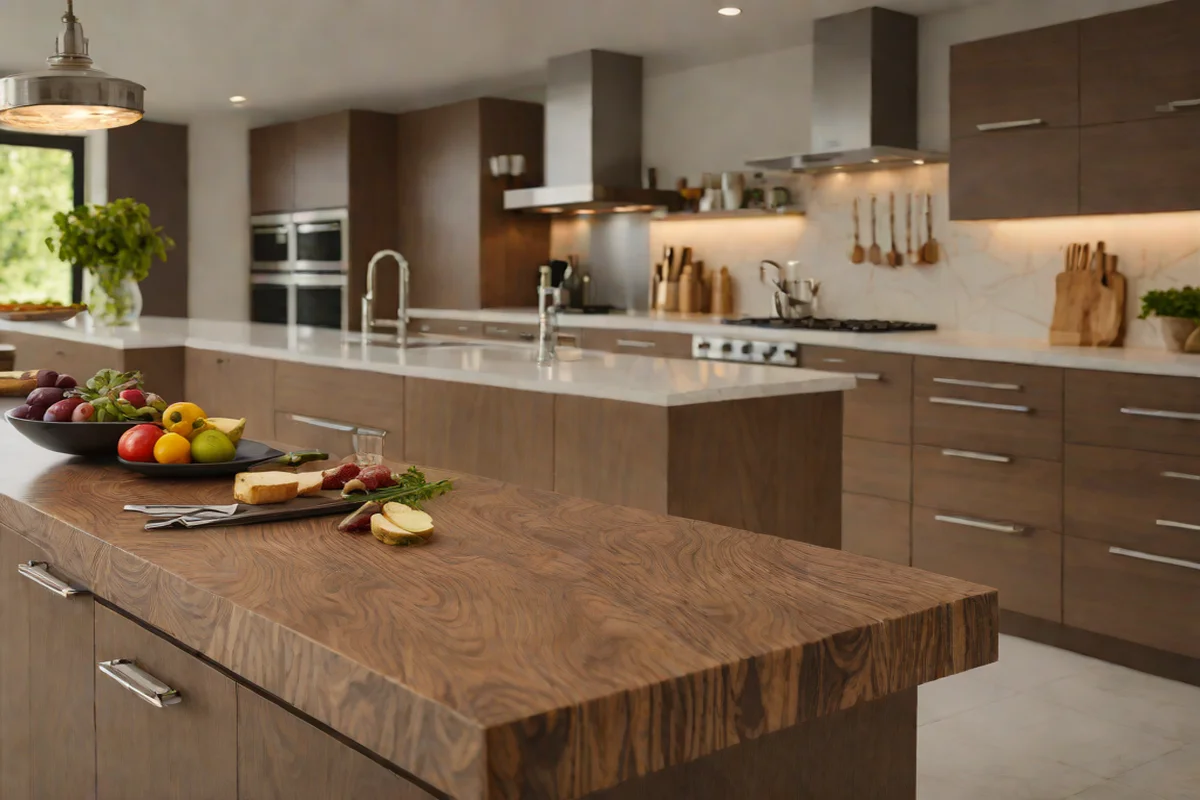
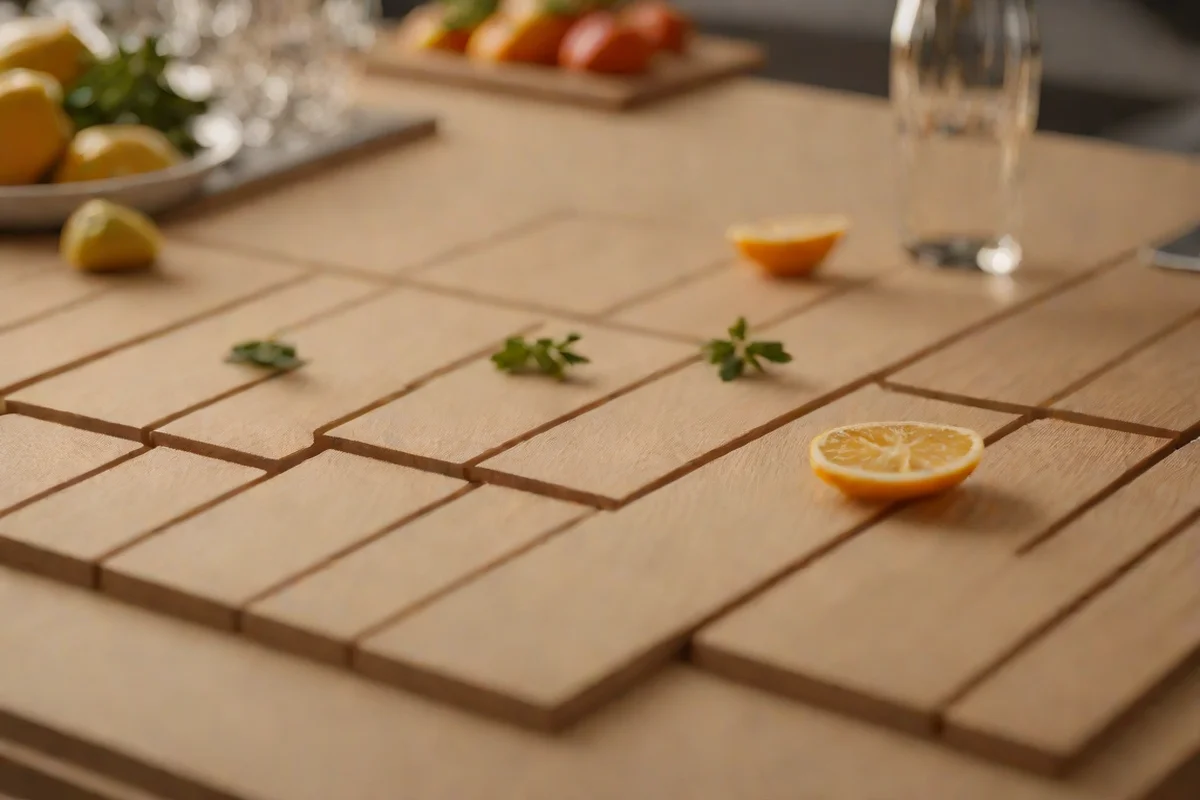
End-grain walnut boards represent the pinnacle of material intelligence and cutlery protection for the modern estate. By arranging the wood blocks vertically, the blade slides between the natural wood fibers rather than severing them, allowing the surface to self-heal over time. This vertical grain structure minimizes friction, preserving the razor-sharp apex of your cutlery. The deep, rich tones of walnut introduce a beautiful element of warmth, matching the clean aesthetic seen in a luxurious modern kitchen setup.
2. Edge-Grain Hard Maple Blocks

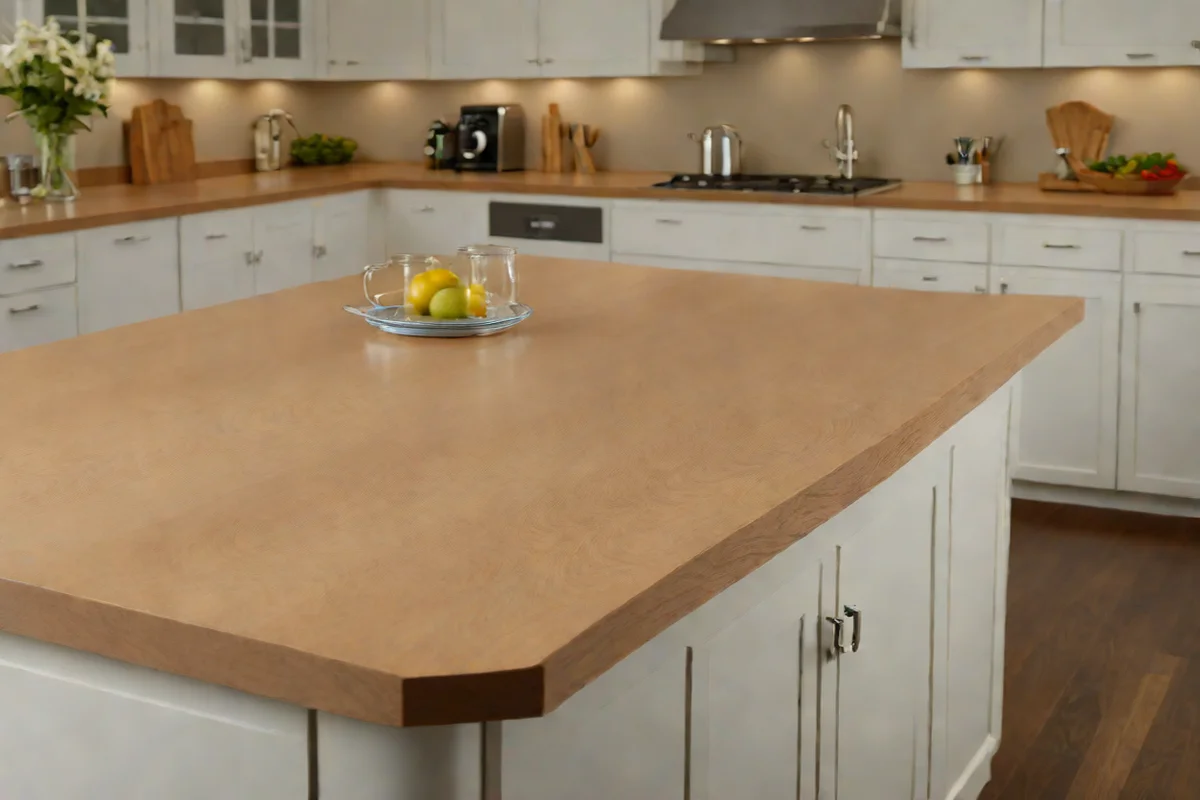
Edge-grain hard maple cutting boards offer an exceptionally durable, non-porous surface designed for heavy daily food preparation. Maple features a dense, tight grain structure that naturally resists moisture absorption and bacterial growth, making it incredibly sanitary. Because the wood fibers run horizontally, these boards provide excellent resistance to deep knife scoring and warping. This long-lasting durability brings a dependable, classic efficiency to the countertop, matching the timeless quality celebrated in farmhouse kitchen ideas.
3. Sustainable Vertical-Grain Bamboo Overlays

Vertical-grain bamboo cutting surfaces provide a lightweight, highly rigid alternative to traditional dense hardwoods. Bamboo is technically a grass, containing high levels of natural silica that make the surface incredibly tough and resistant to deep gouging. This hardness helps the board resist water absorption, preventing warping and splitting over long periods of use. The clean, modern look of vertical-grain bamboo pairs beautifully with kitchens centered around simplicity, matching a peaceful serene japandi aesthetic.
4. Professional-Grade Cherry Chopping Blocks

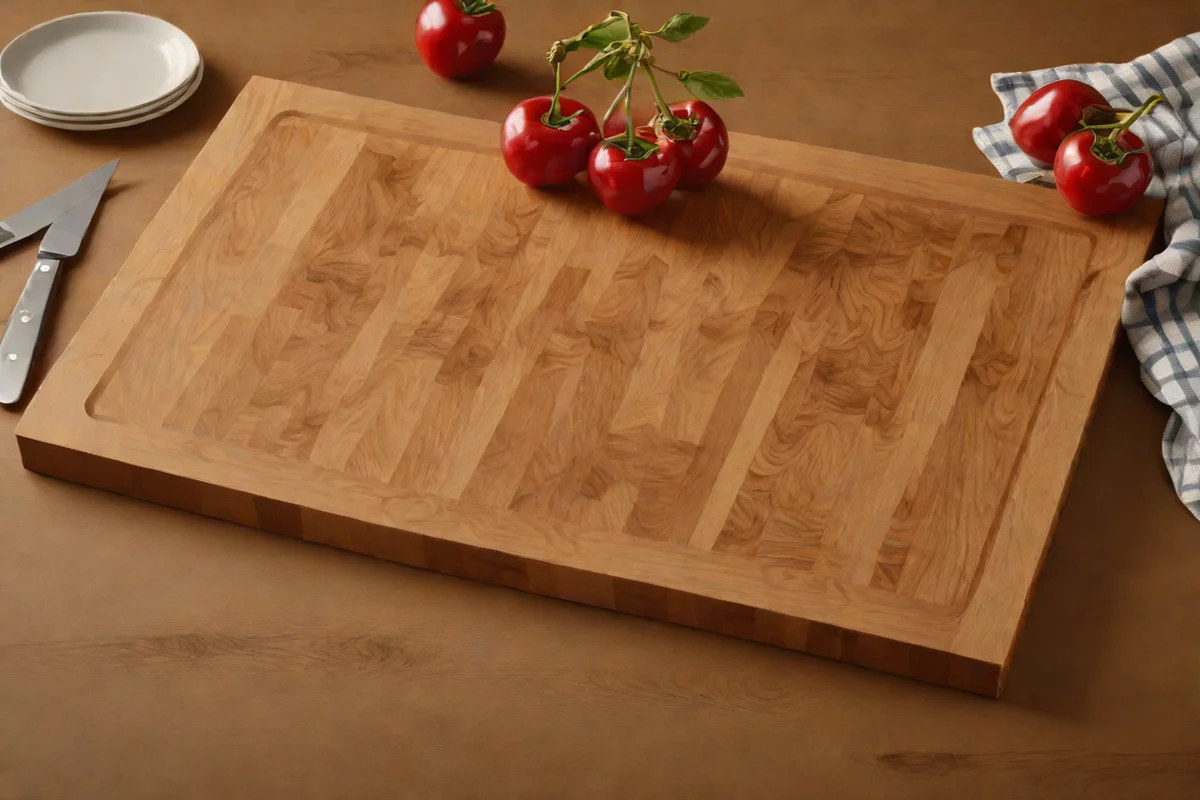
Cherry wood cutting boards offer an elegant balance of structural softness and beautiful visual character. Cherry is slightly softer than maple or walnut, providing a gentle surface that protects delicate knife edges from rolling or dulling prematurely. Over time, exposure to natural light deepens the wood’s color, developing a rich, warm patina that enhances the workspace. This texturally rich material introduces a handcrafted touch to the home, pairing naturally with a rustic kitchen retreat.
5. High-Density Polyethylene (HDPE) Mats

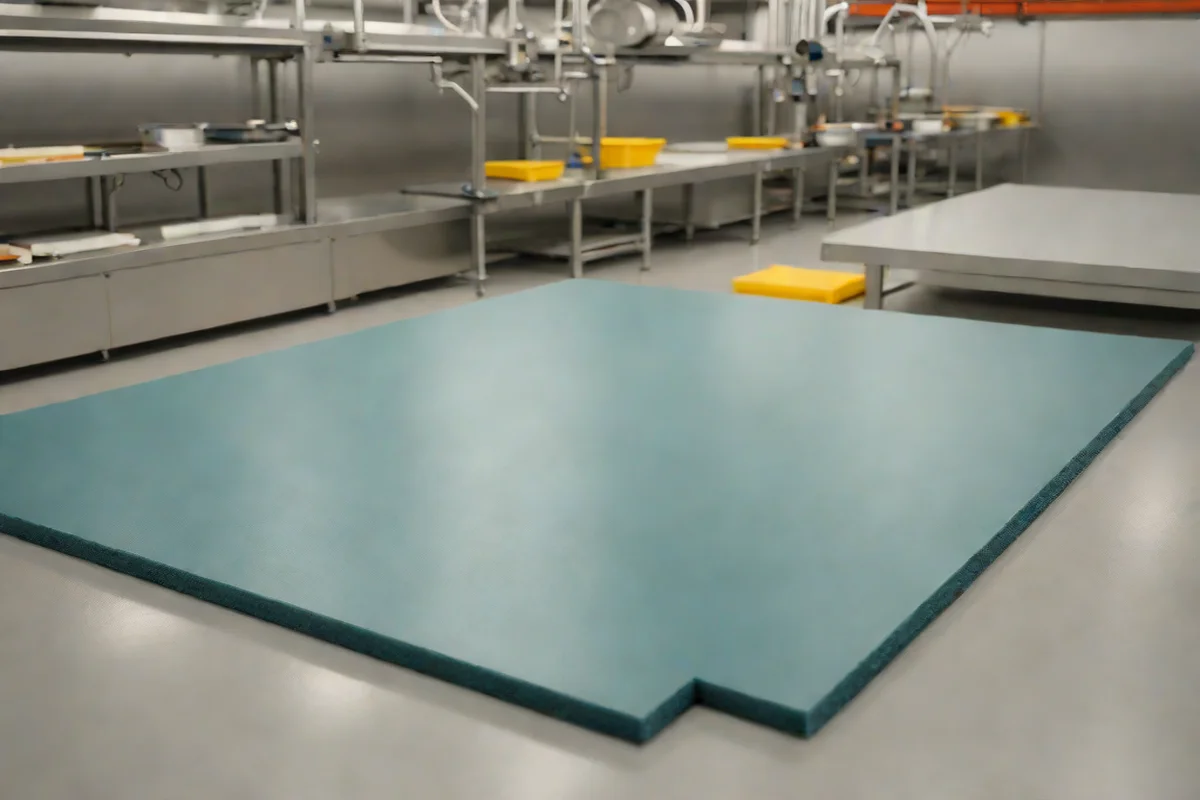
High-density polyethylene cutting boards are engineered for commercial-grade food safety and heavy-duty utility. These non-porous synthetic surfaces are entirely impervious to moisture, food acids, and deep staining, making them ideal for prepping raw proteins. They can withstand the high heat of a dishwasher for total sanitization without warping or cracking. This practical efficiency brings a fast, nimble performance to the workspace, pairing naturally with kitchens that utilize smart kitchen storage ideas to optimize workflow.
6. Wood Fiber Composite Surfaces

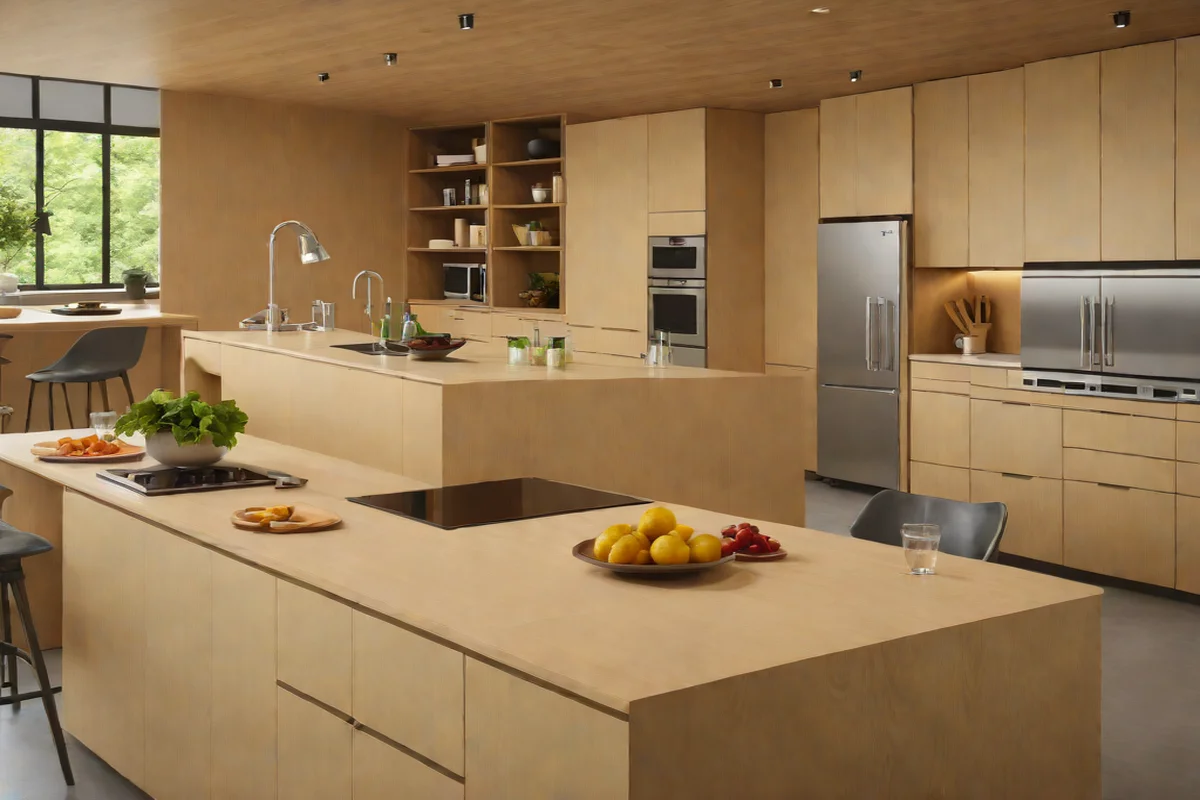
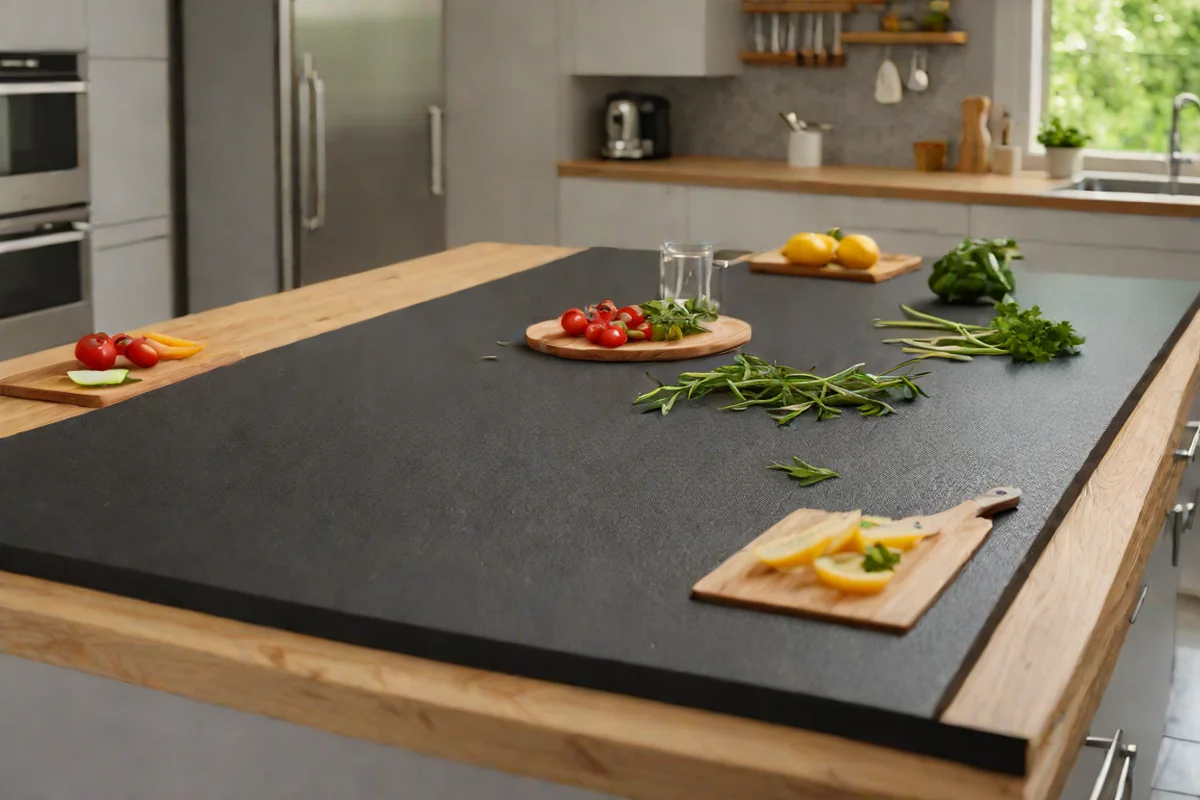
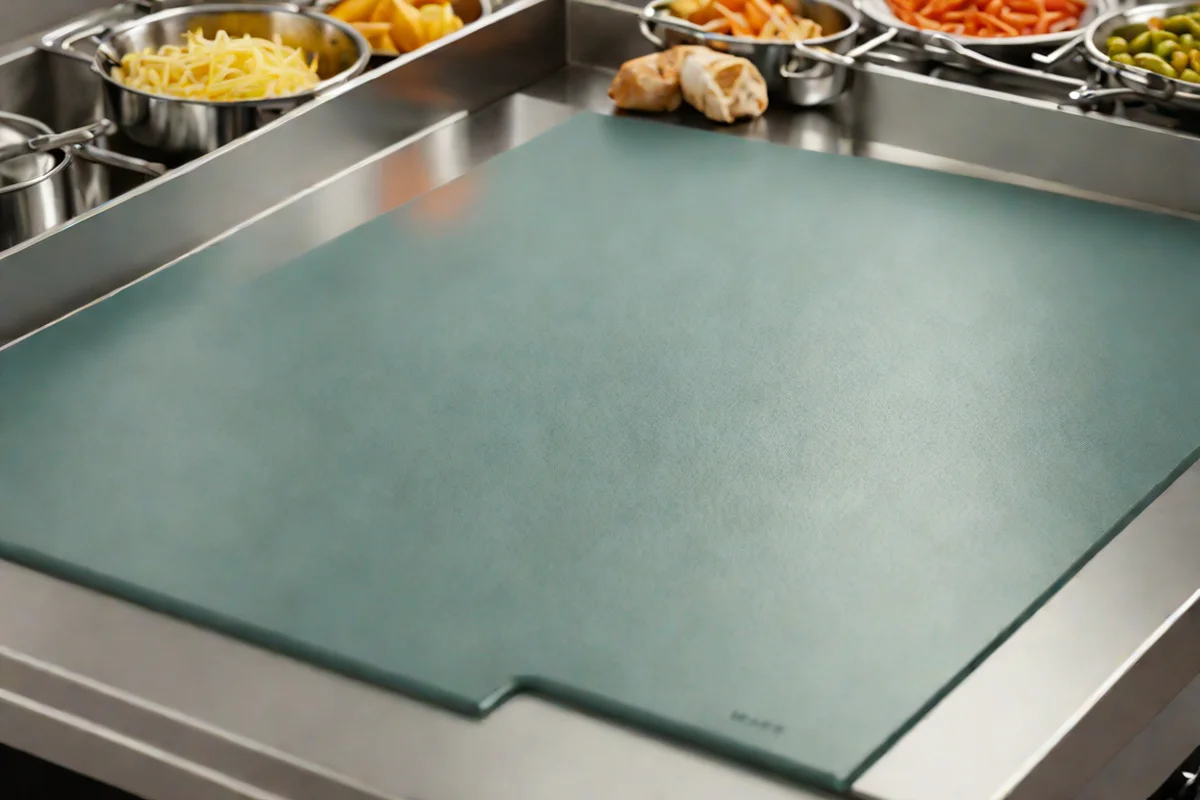
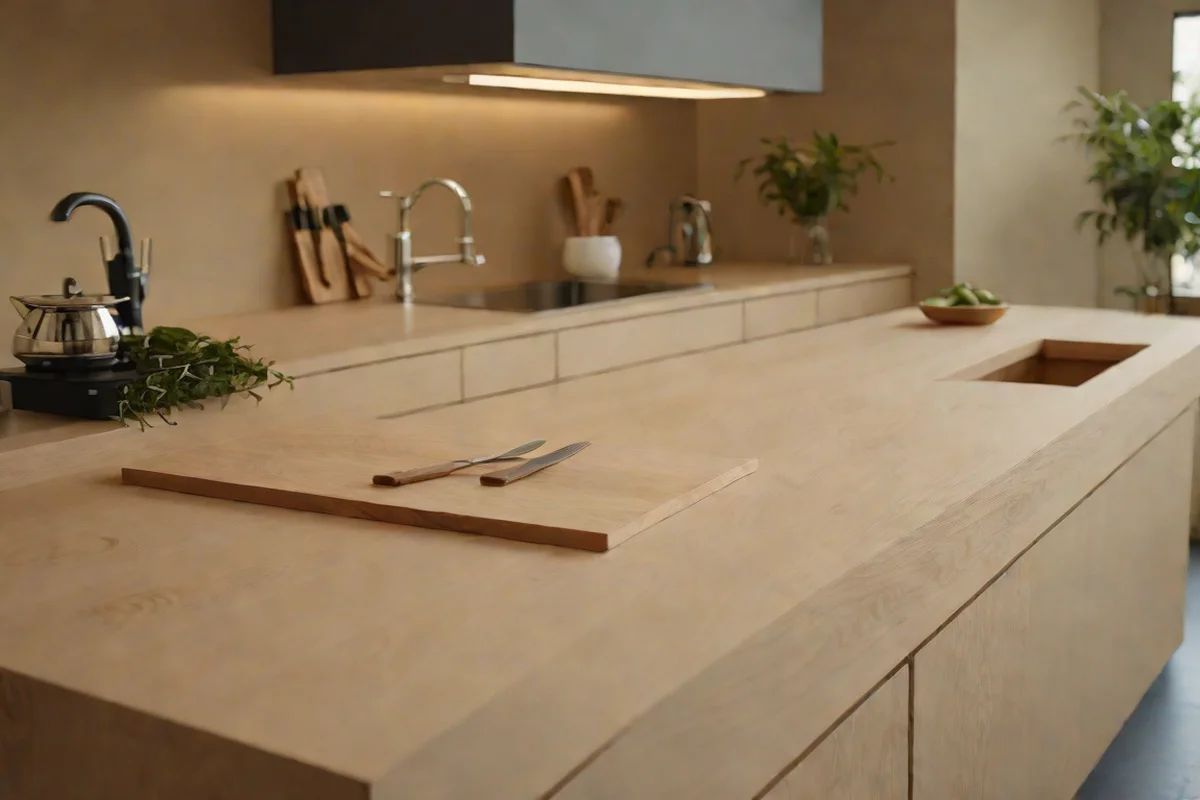
Wood fiber composite boards feature a high-pressure blend of sustainable wood fibers and food-safe resins, resulting in an ultra-thin, highly durable prep surface. These boards are heat-resistant up to 350 degrees Fahrenheit, allowing them to double as trivets for hot pots on the counter. Their non-porous profile means they do not require regular oil seasoning and will not harbor bacteria or odors. This streamlined design perfectly complements the clean lines and smart workflows of a modern kitchen island layout.
7. Natural Brazilian Teak Planks

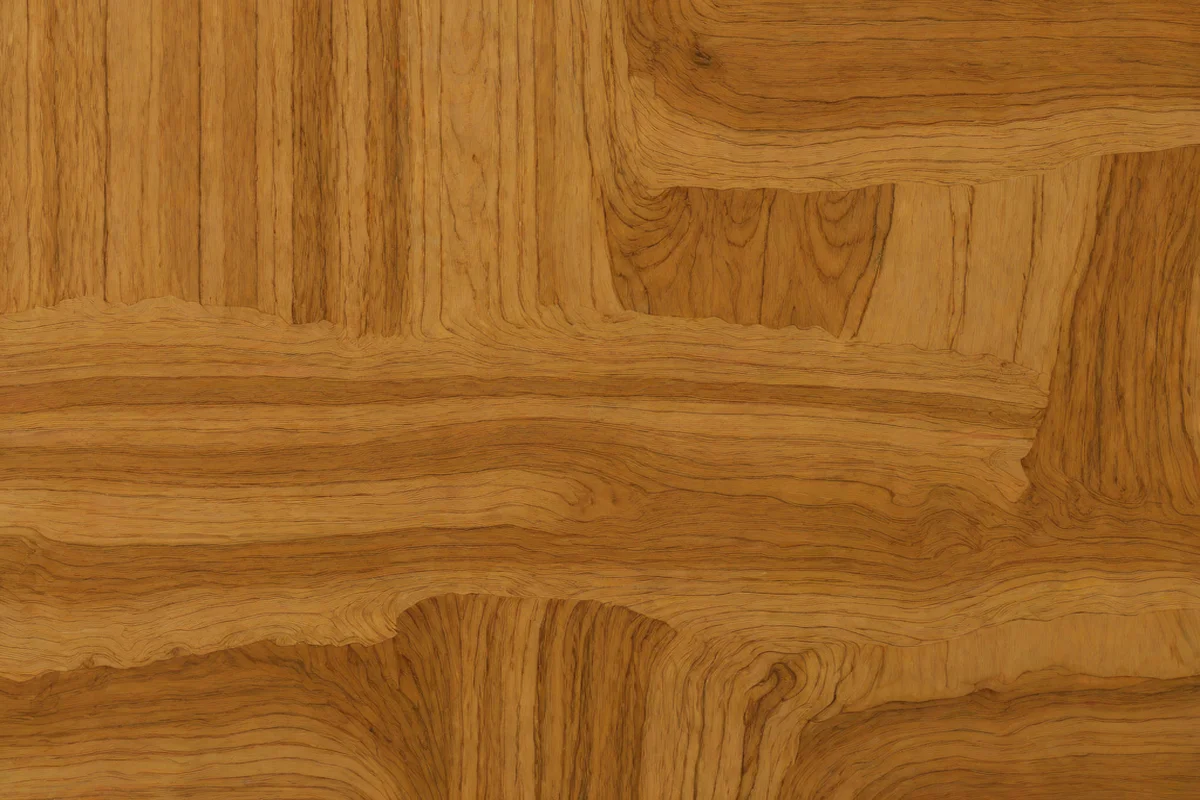
Teak cutting boards are highly valued for their exceptional natural moisture resistance, stemming from the wood’s high oil and resin content. This unique property allows teak to withstand frequent washing and humid kitchen environments without drying out or cracking. The expressive, golden-brown grain brings a striking visual energy to the countertop, making it an excellent dual-purpose surface for both food preparation and charcuterie presentation. This durable material delivers long-lasting performance that requires minimal maintenance over its lifespan.
8. Recycled Rubber Composite Foundations

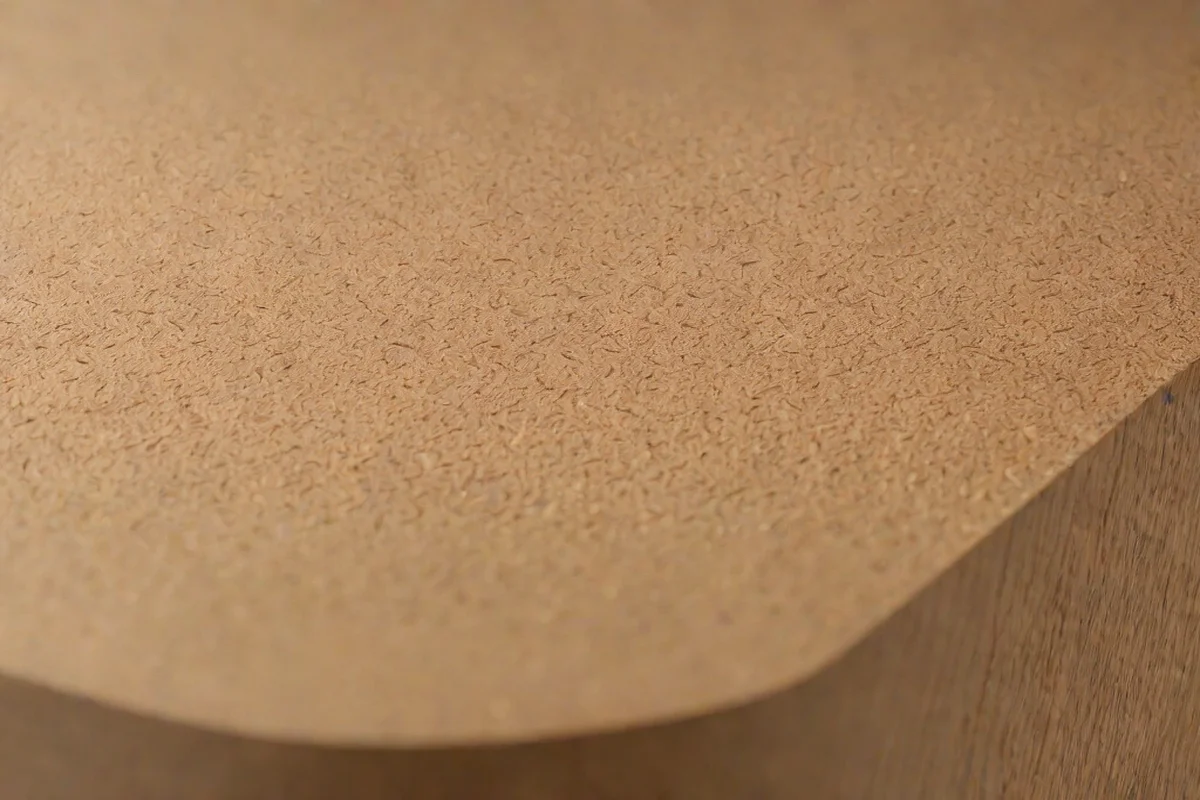
Preferred in high-volume commercial kitchens, high-density recycled rubber cutting boards provide a soft, high-grip surface that anchors to the countertop. The flexible rubber compound absorbs the impact of heavy chopping, drastically reducing wrist fatigue and protecting fine cutlery from dulling. These boards are scratch-resistant, do not warp, and can be lightly sanded to restore a pristine surface after years of use. This high-performance focus brings a pro-grade tool to the countertop, as detailed in our guide to essential kitchen knives.
9. Deep-Groove Reversible Juice Boards

Juice groove cutting boards feature an engineered perimeter channel designed to collect rendered fats, blood, and fruit juices during slicing. This groove prevents liquids from spilling over onto clean countertops, keeping your food preparation area neat and sanitary. Most high-end options are fully reversible, featuring a smooth flat surface on the opposite side for dry chopping or dough kneading. Choosing a versatile, dual-sided board helps keep your workspace beautifully organized, supporting the natural flow of a warm modern kitchen layout.
10. Integrated Over-the-Sink Workstations

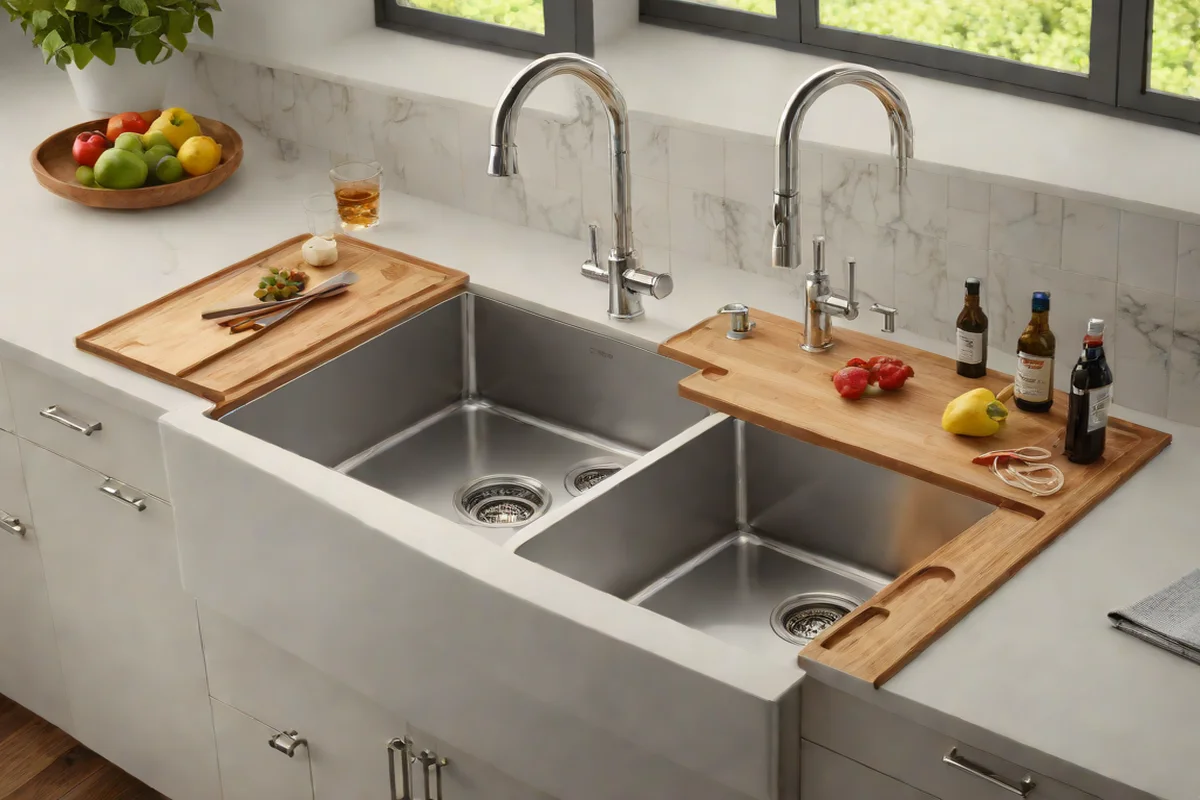
Over-the-sink cutting boards are engineered with sliding lips or extendable arms that anchor securely over your sink basin. This spatial configuration maximizes usable counter space in compact layouts, allowing food scraps to be swept directly into the basin or disposal below. This smart design improves workflow efficiency by keeping prep and cleaning stations directly integrated. Planning to incorporate these efficient tools into your home helps streamline daily routines, a key goal when undertaking a complete kitchen remodel project.
11. End-Grain Acacia Blocks

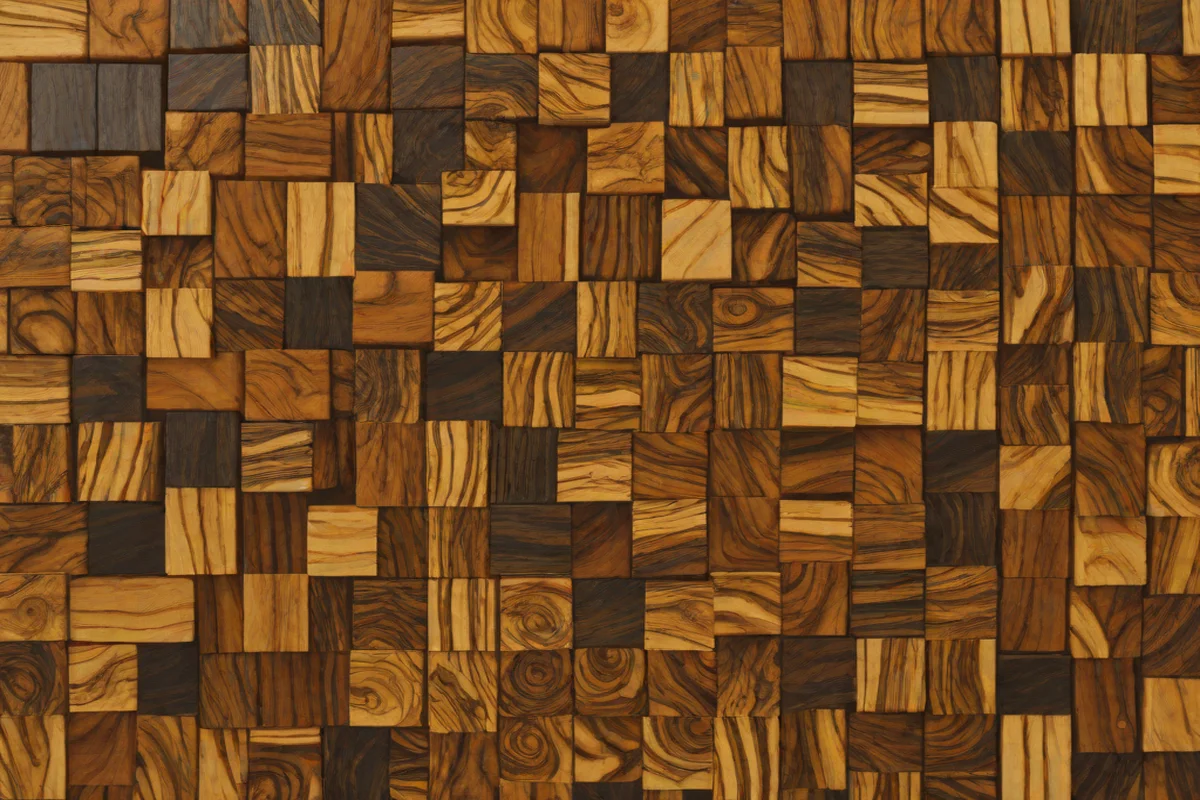
Acacia cutting boards feature a striking, multi-toned grain structure that showcases alternating bands of light amber and dark chocolate brown wood. When constructed in an end-grain profile, acacia offers high impact resistance and excellent self-healing properties that hide knife scores. This durable hardwood provides a heavy-duty surface that handles rigorous chopping while adding a bold design element to the counter.
12. Non-Slip Silicone Border Overlays

Silicone border cutting boards feature a durable plastic or composite core encased in high-grip silicone edges. This rubberized framing prevents the board from sliding across slippery stone or laminate countertops during fast-paced dicing, eliminating the need for a damp towel underneath. This safety feature ensures a stable, reliable surface that lowers the risk of accidental slips during food prep.
13. Flexible Thermoplastic Polyurethane (TPU) Mats

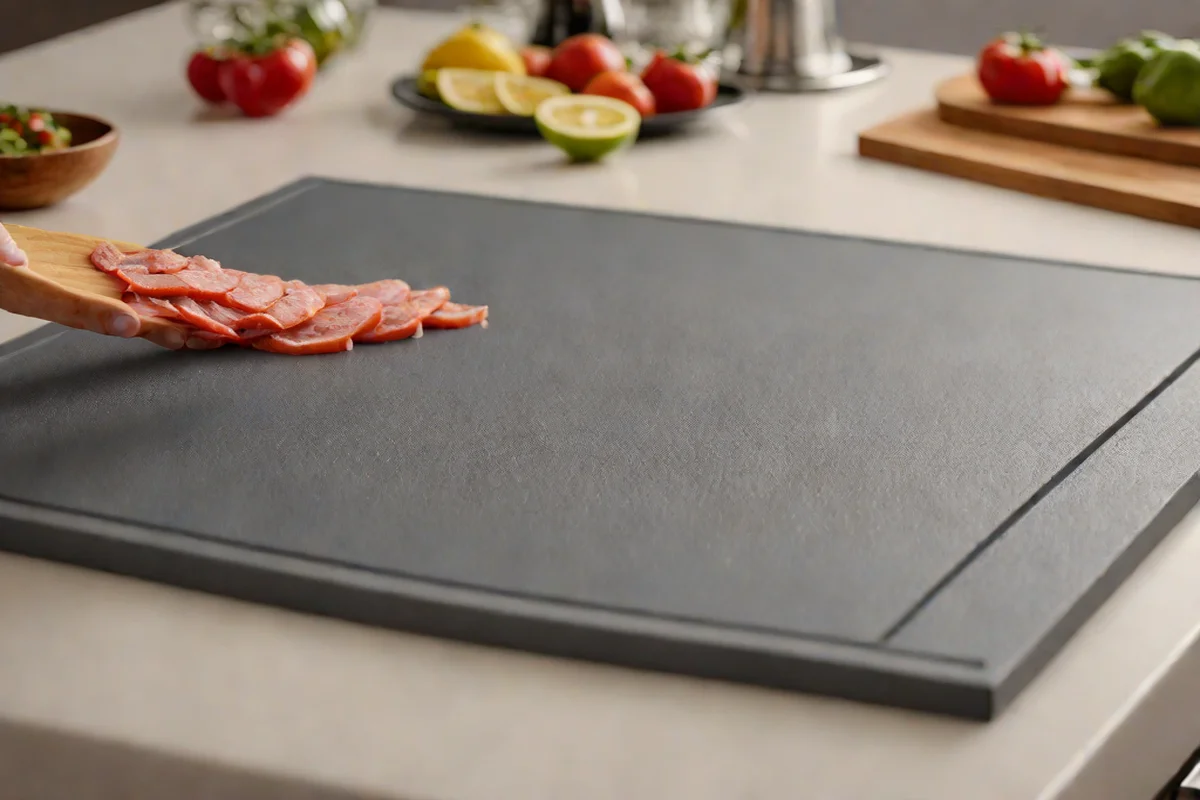
Thermoplastic polyurethane cutting mats combine high surface durability with exceptional flexibility. These thin, scratch-resistant mats can be easily bent or folded into a funnel shape, allowing you to transport chopped ingredients straight from the counter into deep stockpots without spilling. Their lightweight design makes them incredibly easy to clean and store in shallow drawers.
14. Monolithic Hinoki Cypress Planks

Crafted from native Japanese cypress, Hinoki cutting boards are legendary for their ultra-soft wood texture and distinct aromatic scent. The soft, giving nature of Hinoki wood provides unparalleled protection for the delicate, acute edges of high-end cutlery. Hinoki contains natural phytoncide compounds that give the wood innate antibacterial properties and excellent resistance to mold growth.
15. Specialized Pastry and Bread Boards

Specialized bread boards are engineered with integrated slatted wood grates that sit over a removable crumb catcher tray. As crusty artisan breads are sliced, the crumbs fall through the slots rather than scattering across the counter, keeping the workspace tidy. Flipping or clearing the tray takes seconds, making it a highly functional tool for avid home bakers.
16. Structural Countertop Lip Boards

Countertop lip cutting boards feature a fixed, downward-facing edge that hooks securely over the front of your kitchen cabinetry. This lip stabilizes the board against horizontal movement during heavy kneading or chopping while preventing juices from dripping down cabinet faces. This smart architectural design locks the board into place without requiring heavy rubber feet.
17. Color-Coded HACCP Safety Sets

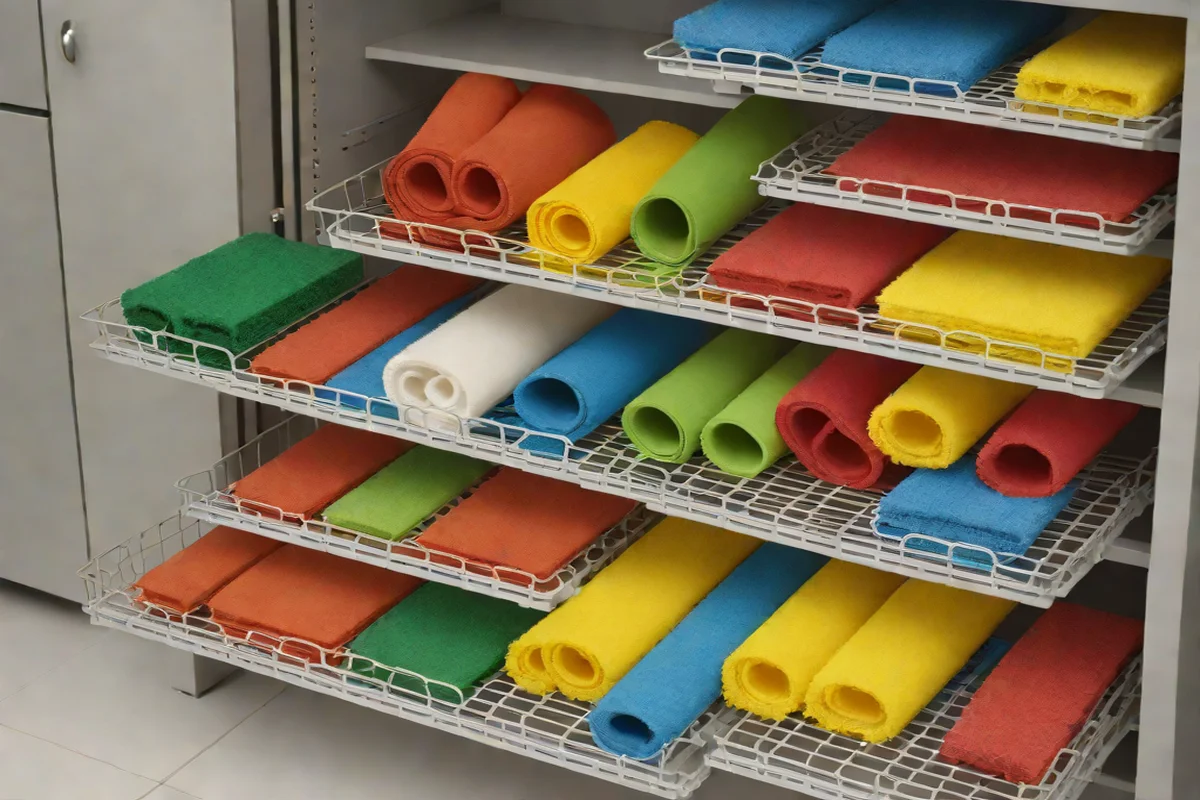
Based on professional food safety standards, color-coded cutting board sets utilize distinct hues to prevent cross-contamination in the home. Assigning specific boards for raw meats, poultry, seafood, and fresh produce ensures a highly sanitary preparation system. These slim, non-porous mats usually store in an open rack, supporting the clean efficiency found in modern bathroom ideas and other streamlined home spaces.
18. End-Grain Larch Wood Blocks

Larch wood cutting boards feature an exceptionally durable, vertical grain structure harvested from resilient coniferous trees. Known for its distinct, bold growth rings, larch wood creates an eye-catching pattern on the counter while offering excellent self-healing properties against knife strikes. This tough wood resists water damage and deep staining, providing a sturdy, multi-generational prep surface.
Frequently Asked Questions
Why should I avoid cutting on glass or marble boards?
Glass, ceramic, and marble cutting boards are harder than the steel alloys used in kitchen knives. Striking these rigid surfaces forces the fine apex of the blade to deflect, roll, or chip instantly, dulling your cutlery after just a few uses. These hard materials should only be used for serving, never for chopping.
How do I properly season a wooden cutting board to prevent cracking?
To season a wood board, apply a generous layer of food-grade mineral oil to the clean, completely dry surface. Let the oil soak into the wood fibers overnight, then wipe away any excess with a clean cloth. Repeat this treatment once a month, or whenever the wood begins to look dry or light in color.
What is the most effective way to remove deep food stains and odors from wood?
To refresh a stained or smelly board, sprinkle a thick layer of coarse kosher salt over the surface, squeeze fresh lemon juice on top, and scrub vigorously using the lemon half as a pad. The salt acts as a gentle abrasive to lift stains, while the citric acid neutralizes stubborn food odors naturally. Can an end-grain cutting board be washed in the dishwasher safely? No, you must never place a wooden cutting board in the dishwasher. The intense combination of hot water, harsh chemical detergents, and prolonged drying heat dissolves the water-resistant glues holding the wood blocks together, causing the board to warp, split, and break apart. Curation and Explore Your Entire Home Layout Ready to expand these high-performance design and styling strategies across the other active thresholds of your estate? We invite you to continue your design journey by exploring our comprehensive structural chronicles and expert lifestyle manuals across the entire USA Home Bloom Platform. Dive into our meticulously curated digital gallery to unlock advanced space-saving secrets, pro-grade color curation strategies, and expert home optimization rubrics that allow your home’s natural paths and your own personal clarity to truly bloom!