The right knife makes cooking easier and safer. Most home kitchens only keep one or two knives.
These types of kitchen knives cover chopping, slicing, peeling, and carving. Each knife has one main job. Learn them all and cooking gets much easier.
Chef’s Knife
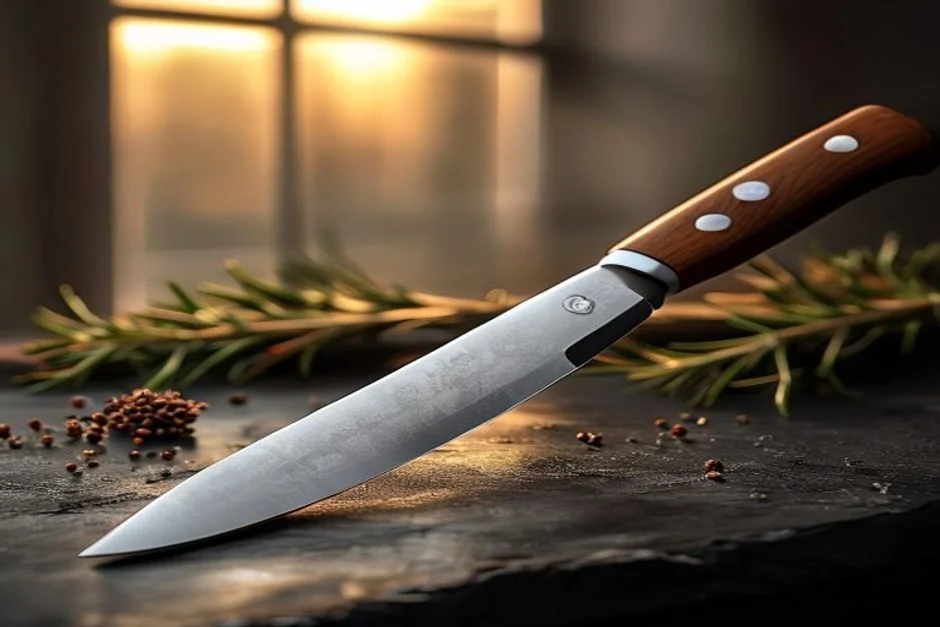
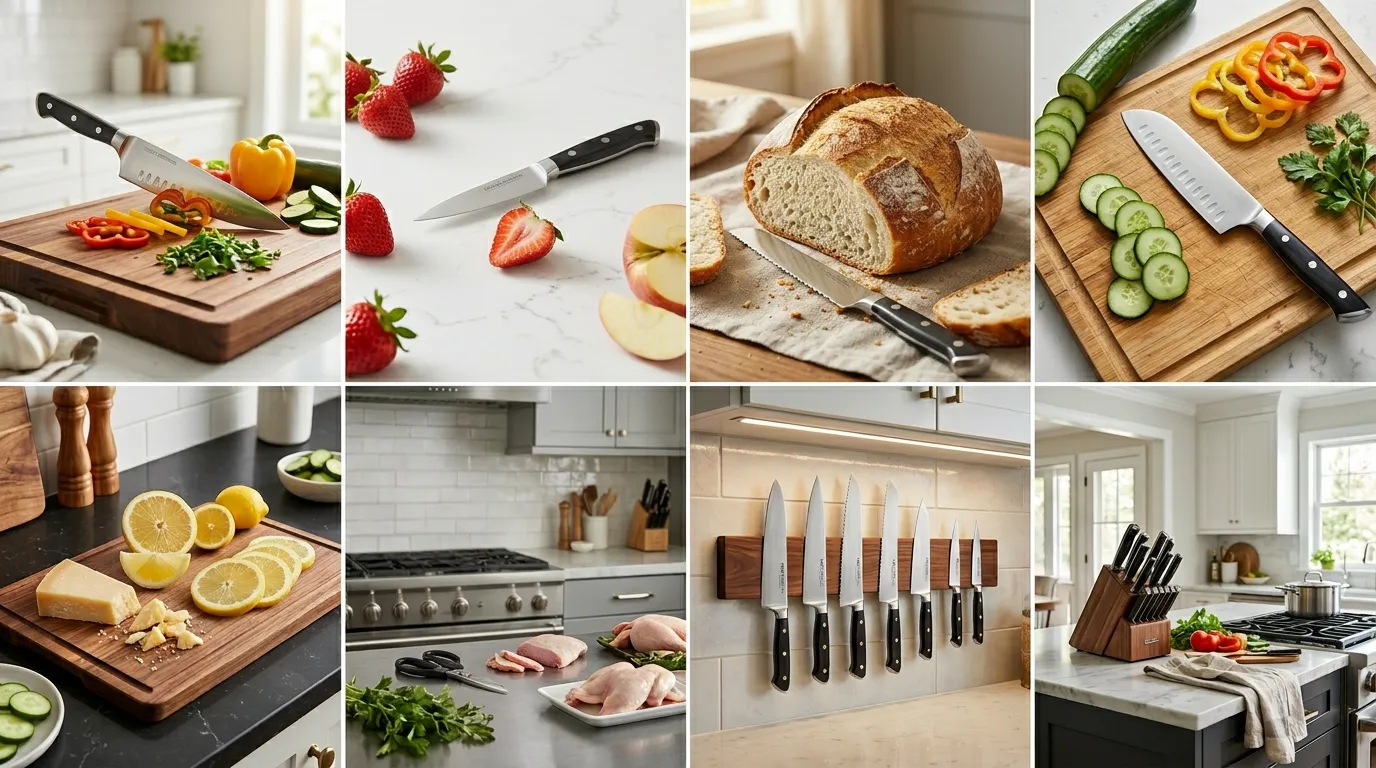
A chef’s knife is the most used tool in the kitchen. It handles chopping, dicing, and mincing.
The long curved blade rocks across the board. That motion makes fast work of onions and herbs.
Hold it with a firm grip on the handle. Let the weight of the blade do the work.
Best for: home cooks who want one knife for most daily tasks.
Paring Knife
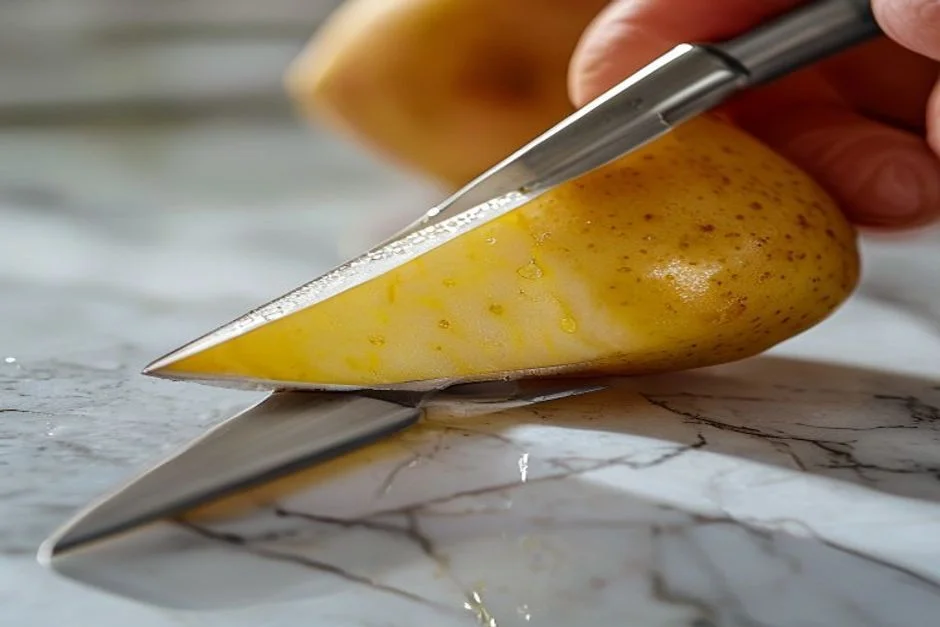
A paring knife is small and precise. It peels fruit and trims small vegetables.
The short blade gives you full control. Hold the food in one hand and cut with care.
Keep it sharp for clean cuts. A dull blade slips on tough skins.
Best for: peeling, trimming, and small detail work.
Bread Knife
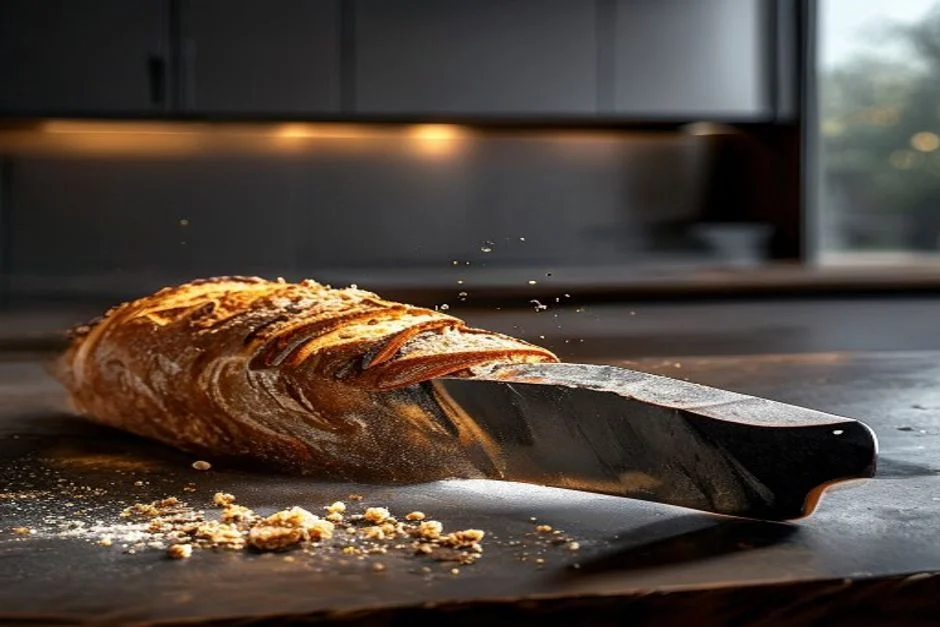
A bread knife has a long serrated edge. It slices crusty loaves without squashing them.
The teeth grip the crust and saw through softly. Let the knife glide instead of pressing hard.
It also cuts tomatoes and soft fruit well. The serrations grip slippery skins.
Best for: crusty bread, soft tomatoes, and delicate cakes.
Utility Knife
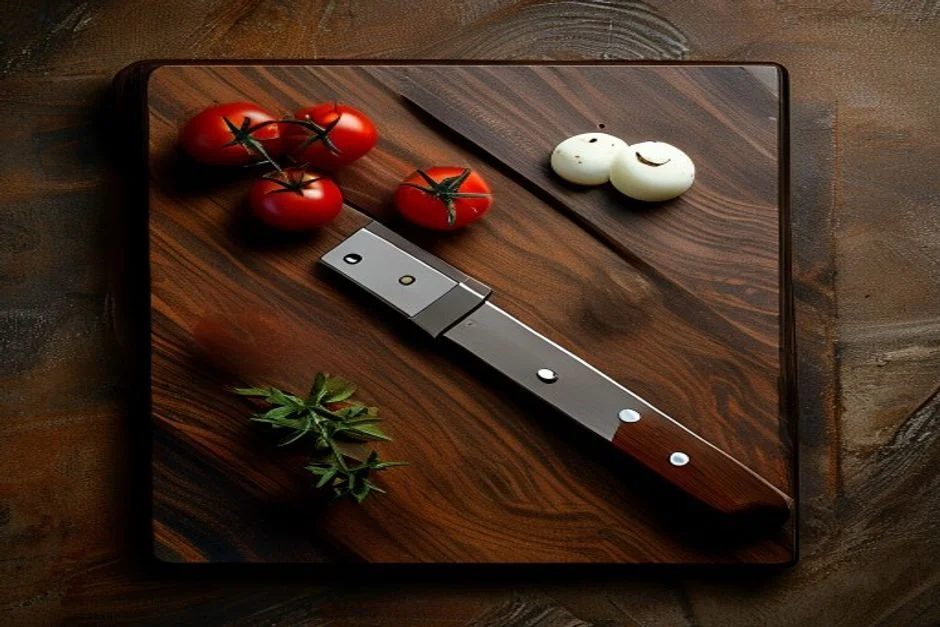
A utility knife sits between a chef’s knife and a paring knife. It is a handy mid-size blade.
Use it for slicing sandwiches and cheese. It also trims fat from meat.
Keep it within reach on the counter. You will grab it often after the chef’s knife.
Best for: everyday slicing jobs that feel too big for a paring knife.
Santoku Knife
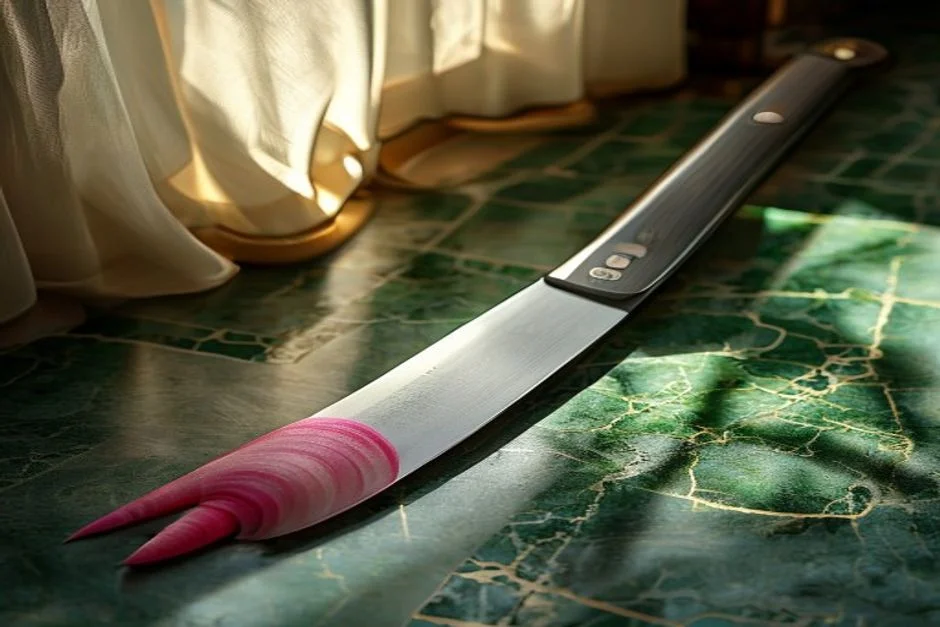
A santoku is a Japanese all-round knife. The name means three virtues: slicing, dicing, and mincing.
The flat edge suits an up and down chopping style. It feels lighter than a Western chef’s knife.
Small dimples on the blade stop food from sticking. Slices fall away clean as you cut.
Best for: cooks who prefer a lighter, nimble all-purpose knife.
Boning Knife
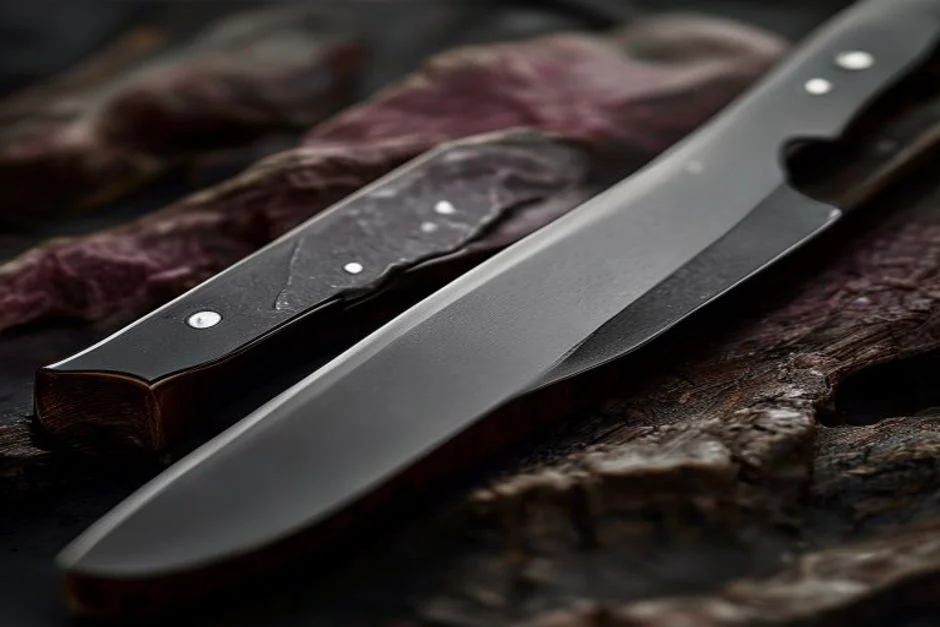
A boning knife has a thin, narrow blade. It slides along bones to separate meat cleanly.
The blade bends around joints with ease. That control keeps more meat on the bone.
Work with the tip for tight spots. Short strokes give the best result.
Best for: trimming poultry, fish, and cuts of meat.
Carving Knife

A carving knife is long and thin. It slices roast meat into even, smooth pieces.
The narrow blade makes long clean strokes. Fewer strokes mean nicer slices.
Let the meat rest before you carve. Resting keeps the juices inside.
Best for: holiday roasts, turkey, and large cuts of meat.
Cleaver
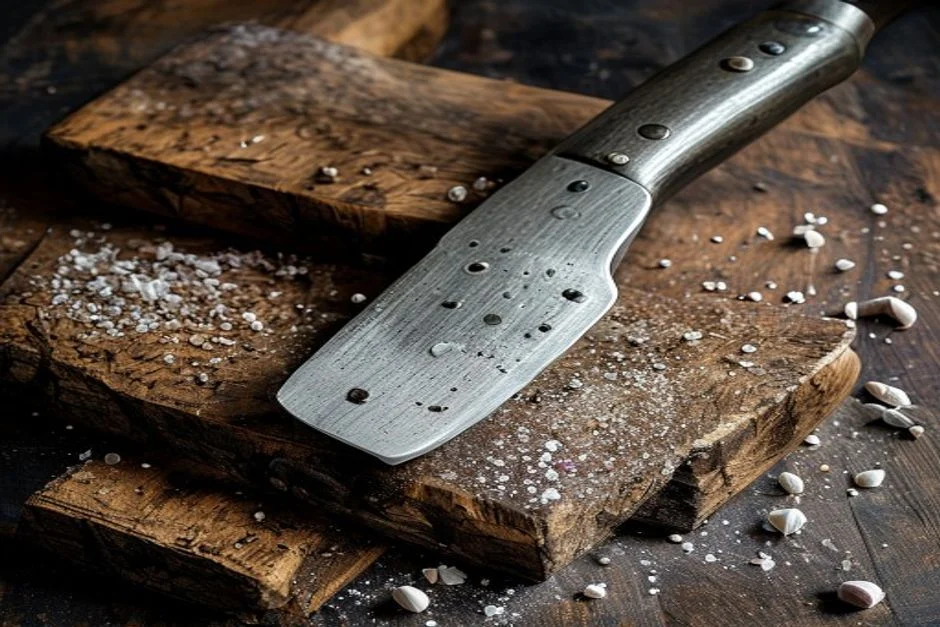
A cleaver is a heavy, wide blade. It chops through bones and dense vegetables.
The weight does most of the work. Lift and drop the blade in a steady rhythm.
The flat side can smash garlic. It also scoops chopped food from the board.
Best for: butchering tasks and hard squash or root vegetables.
Fillet Knife
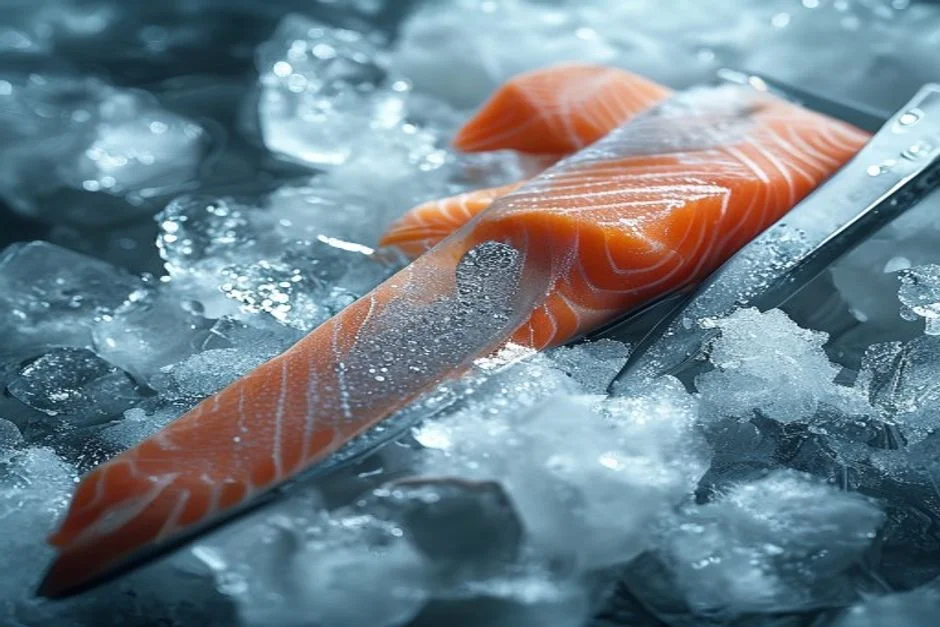
A fillet knife is long, thin, and flexible. It glides along fish bones to lift clean fillets.
The thin blade bends with the fish shape. That bend keeps the fillet in one piece.
Keep the blade very sharp for smooth cuts. A sharp edge protects the delicate flesh.
Best for: filleting fish and removing skin.
Nakiri Knife
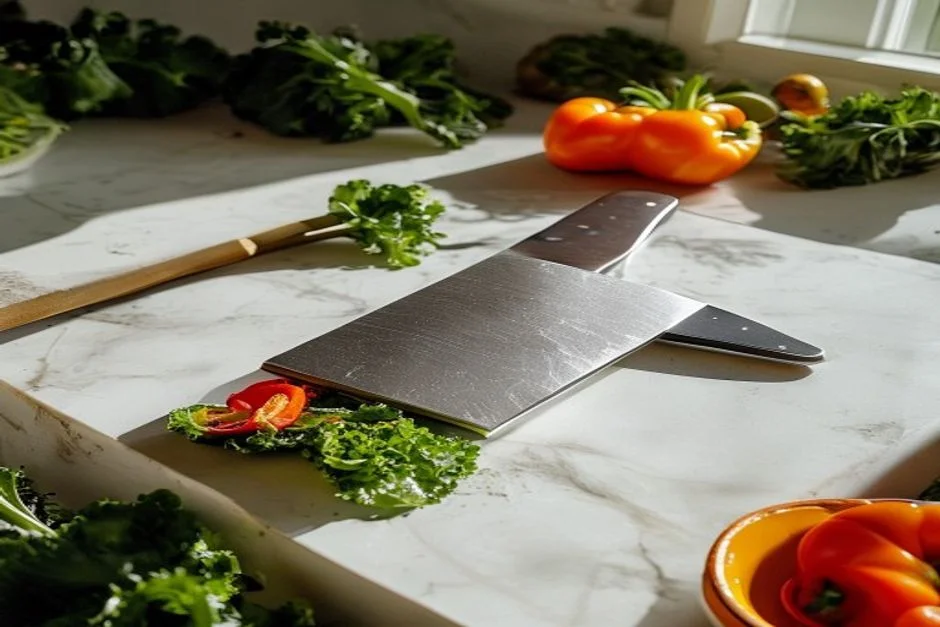
A nakiri is a Japanese vegetable knife. The square tip suits straight chopping.
The flat edge pushes straight through vegetables. It gives clean, even cuts.
It shines on leafy greens and long vegetables. One clean chop replaces many small ones.
Best for: vegetable prep and cooks who chop greens daily.
Serrated Utility Knife
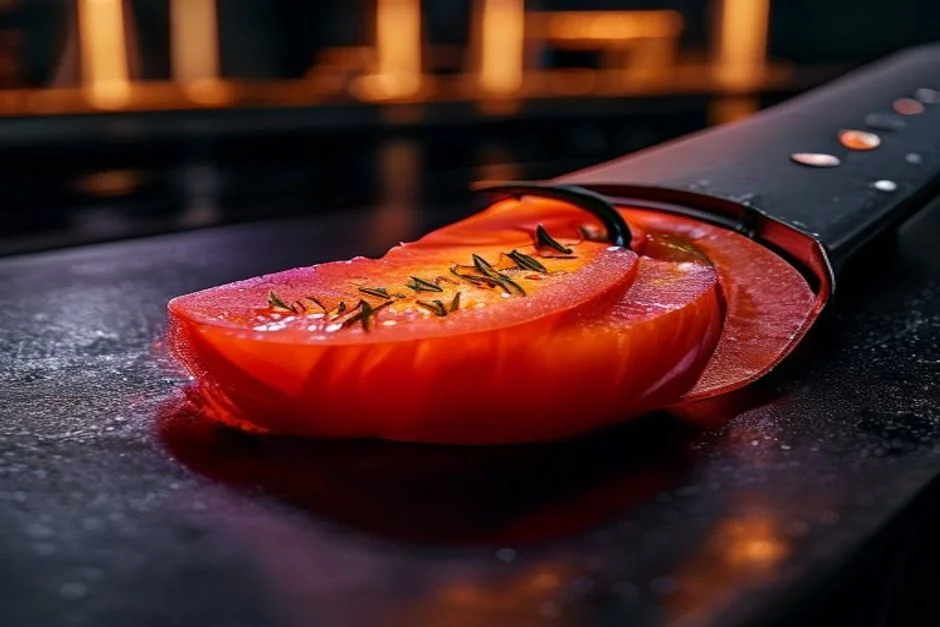
A serrated utility knife is short with a toothed edge. It grips soft foods that slide.
Use it on bagels, tomatoes, and citrus. The teeth bite where smooth blades slip.
It needs less sharpening than plain edges. Serrations stay sharp for a long time.
Best for: small soft foods and quick breakfast prep.
Pick the Right Knives for Your Kitchen
A chef’s knife, a paring knife, and a bread knife cover most daily cooking. Add more blades as your skills grow.
For more help, browse our kitchen essentials inspiration and read these essential kitchen knife guides.