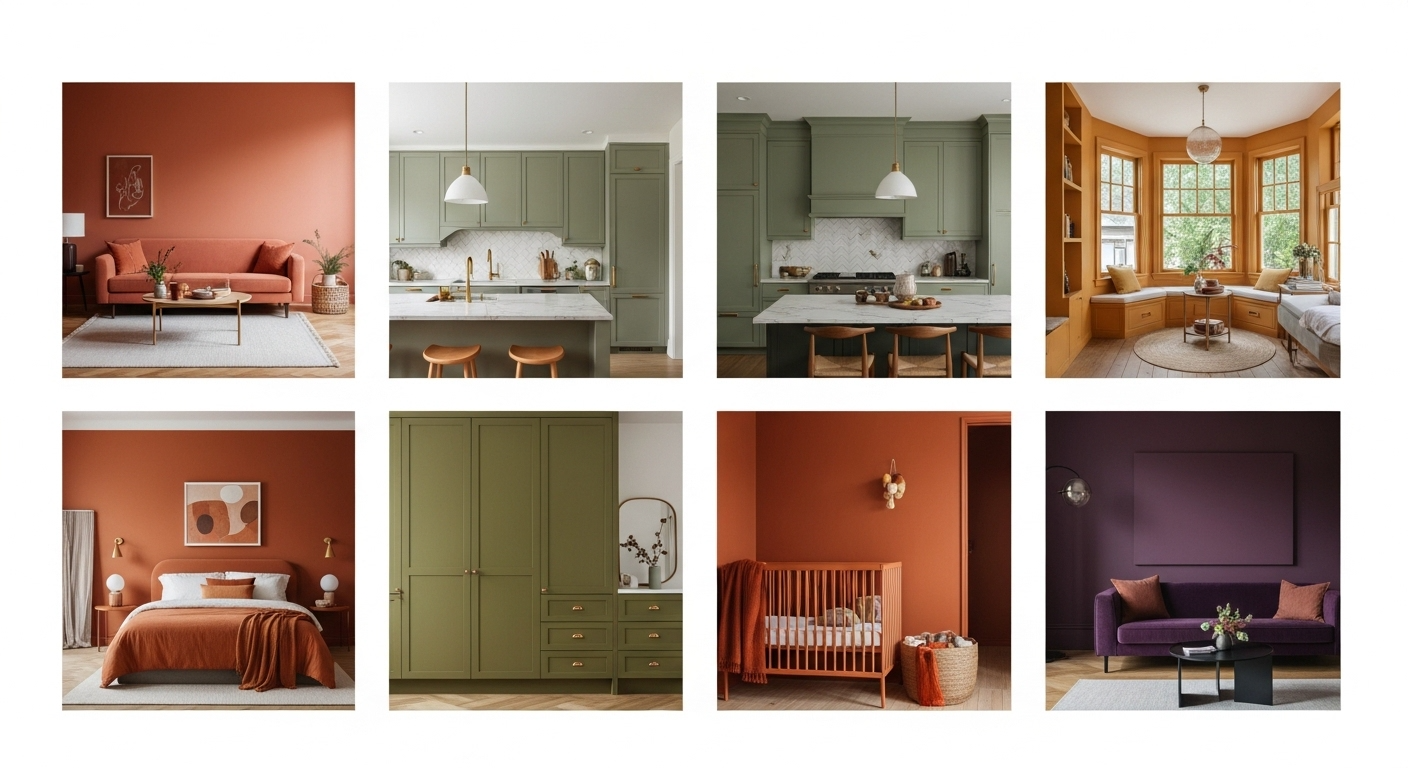
The philosophy of Using Earthy Vibrant Colors in Rooms is an architectural exploration of how saturated, nature-inspired pigments can breathe “Soft Soul” into a space without compromising its modern integrity. In 2026, the design world has moved beyond the flat, safe neutrals of the past and toward a state of “Radiant Grounding,” where hues like deep terracotta, ochre, forest jade, and plum noir are used to define the “Background Architecture.” A truly successful interior integrates these vibrant tones through high-quality materials—such as Roman clay, walnut, and unlacquered brass—ensuring that color feels like a structural element rather than a superficial coat of paint. By adhering to the principles of “Visual Silence” and “Zero-Waste Geometry,” we can layer these high-energy colors with seasonal sensory anchors. This masterclass guide will teach you how to master earthy vibrancy across every strategic zone, creating a sanctuary that feels both high-end and deeply connected to the organic world.
What Are Earthy Vibrancy Colors?
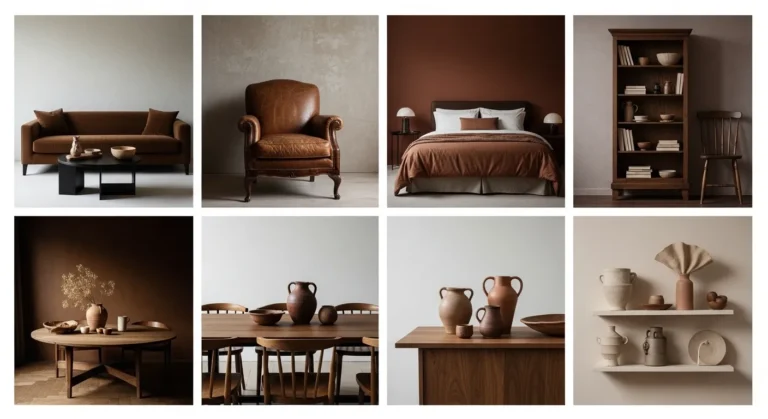
Earthy Vibrancy is the sophisticated marriage of the planet’s rawest pigments with a refined, “Warm Modern” sensibility that prioritizes depth over brightness. These colors are not the neon-brights of synthetic design; they are “Live Tones” found in the oxidized iron of desert canyons, the mossy depths of an old-growth forest, and the bruised purple of an evening sky. When applied to a home, these hues provide a sense of “Stately Permanence” because they are inherently recognizable to the human eye as elements of the natural environment. To use them correctly, one must focus on the texture of the application—utilizing lime-wash or Roman clay to add a sueded movement that prevents the color from feeling flat or overwhelming. This palette acts as a “Kinetic Anchor,” providing the home with an optimistic energy that remains grounded in the quiet luxury of high-quality, honest materials like stone and timber.
Living Room – Warm Earthy Accents That Feel Effortless

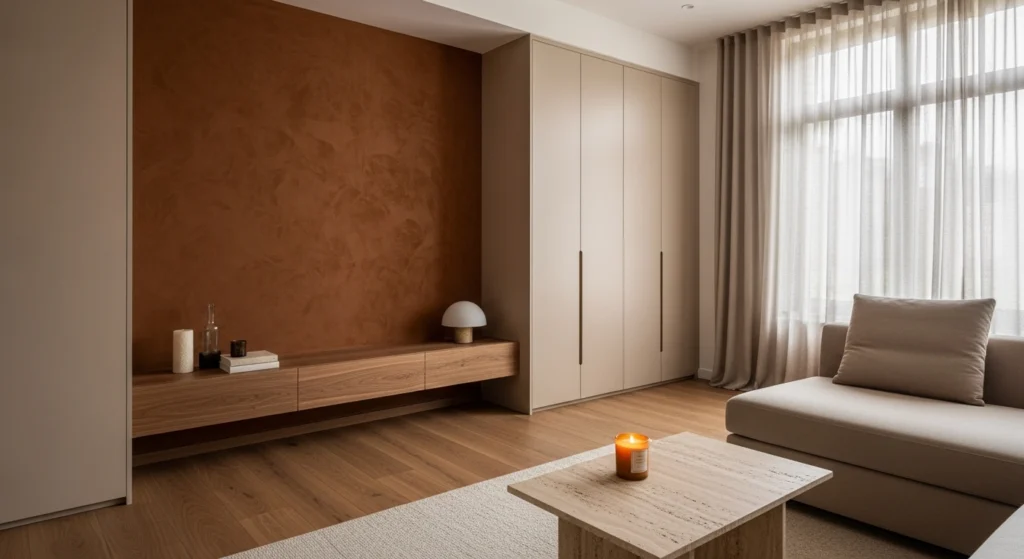
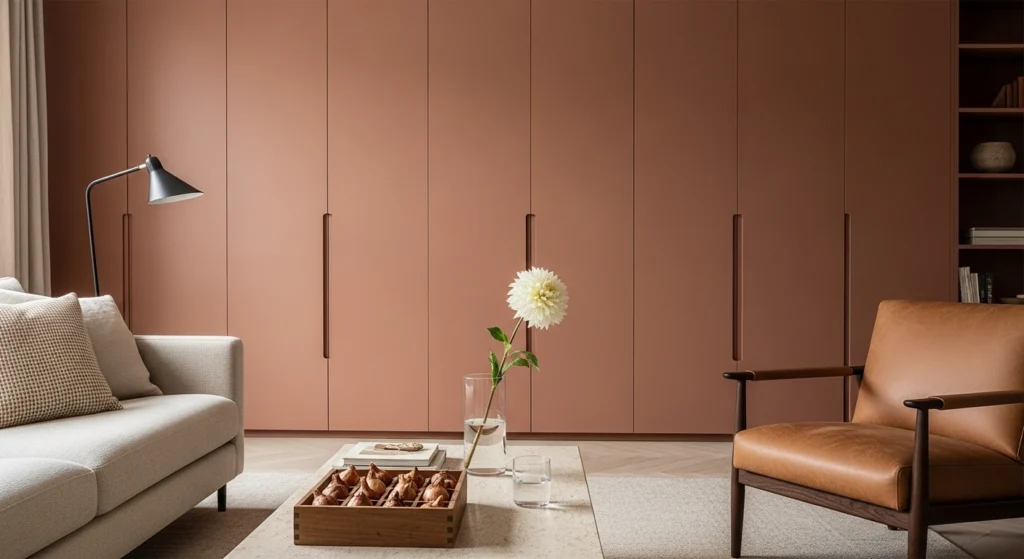
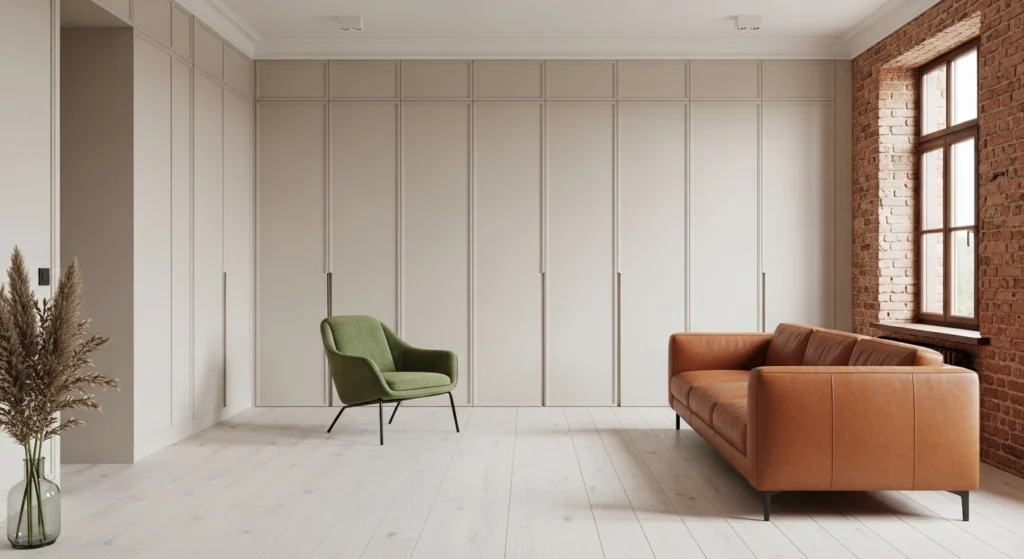
In the living room, earthy vibrancy should be introduced as a series of “Collected and Creative” layers that emphasize the room’s architectural flow and natural light. Instead of a single bold wall, consider a large-scale built-in wardrobe finished in a matte ochre or burnt sienna lacquer that blends with the bone-colored Roman clay of the remaining walls. This integrates the color into the “bones” of the room, providing a warm backdrop for a low-profile oatmeal-toned sofa and cognac leather armchairs. We style the coffee table with “Active Decor”: a rustic wooden box holding specialized bulbs, a glass half-filled with water with a single long-stemmed white dahlia, and a slow-burning beeswax candle. This approach ensures the vibrancy feels like a natural extension of the sunlight and the wood grain, creating a “Clean and Calm” sanctuary for social gatherings that feels high-end and intentional.
Bedroom – Soft Earth Tones for Restful Balance

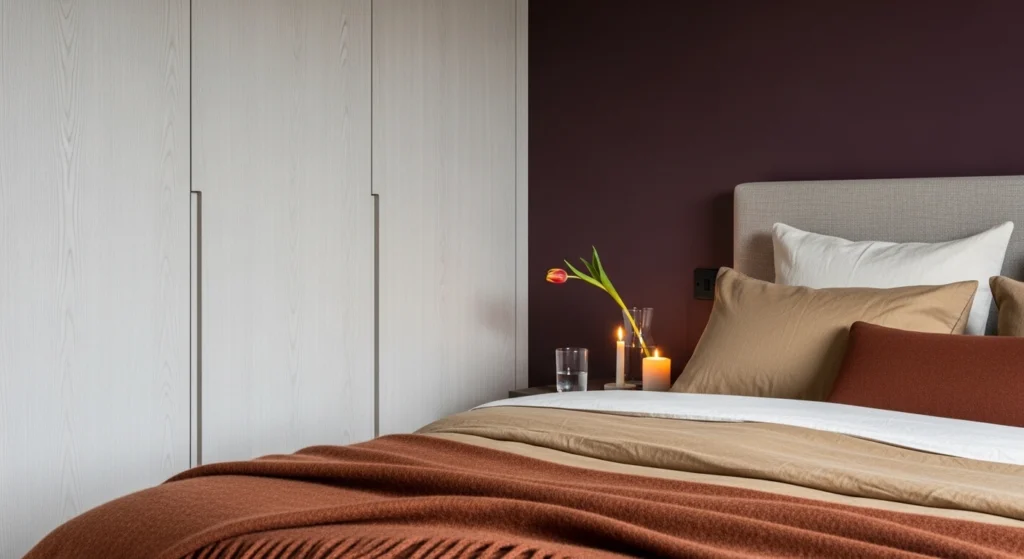
The bedroom transition to earthy vibrancy requires a mastery of “Visual Silence” to ensure that bold pigments do not disrupt the state of rest or the room’s expansive feel. We recommend a “Shadow-on-Shadow” technique, where a focal wall is finished in a deep, desaturated Plum Noir or Sage Roman clay, providing a tactile depth that absorbs the evening light. This dark, grounded surface is balanced with “Soft Soul” textiles—linen bedding in shades of sand and parchment and a chunky wool throw in a muted terracotta. The “Background Architecture” remains seamless, featuring handle-less white oak wardrobes that provide a crisp, organic contrast to the moody walls. On the bedside table, a glass half-filled with water and a single long-stemmed tulip next to a burning candle provides a “Glowy” focal point that grounds the room in a sense of seasonal revitalization and peace.
Kitchen – Earthy Color Moments That Feel Fresh

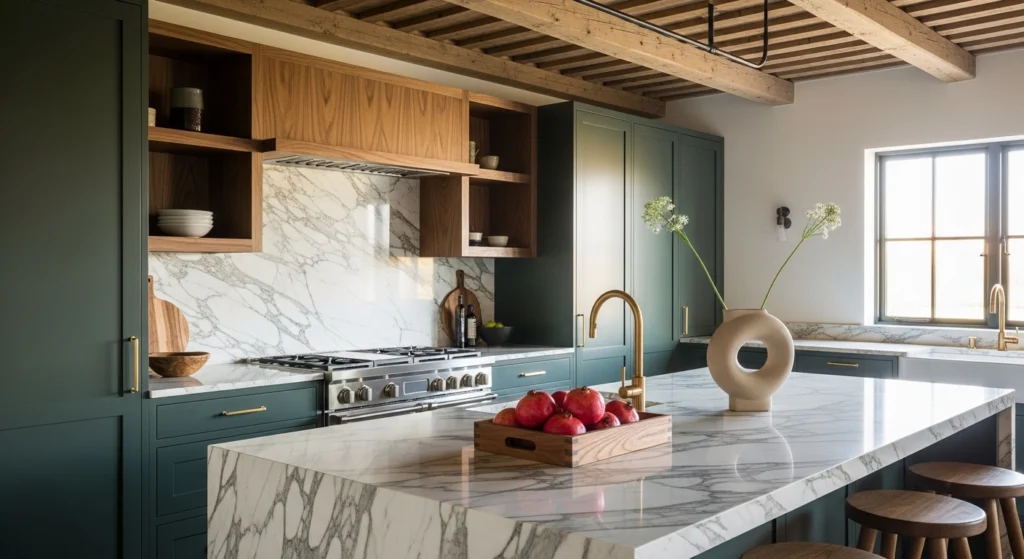
A kitchen utilizing earthy vibrancy should feel like a “Functional Social Hub,” where the colors are used to highlight the high-end materiality and the honesty of the space. We suggest finishing the lower cabinetry in a deep Jade Green or a warm Terracotta matte lacquer, paired with upper open shelving made of raw walnut or reclaimed timber. The “Background Architecture” is anchored by a massive white Calacatta marble island with organic veining and exposed hand-hewn timber ceiling beams that add a sense of history. We style the marble counter with a wooden box of fresh spring pomegranates and a single sculptural ceramic vase half-filled with water holding a long-stemmed wildflower. This creates a “Warm Modern” environment where the vibrant cabinetry feels like an integrated architectural choice rather than a trend, providing a sophisticated backdrop for culinary creativity and social connection.
Bathroom – Earthy Warmth with a Spa-Like Feel

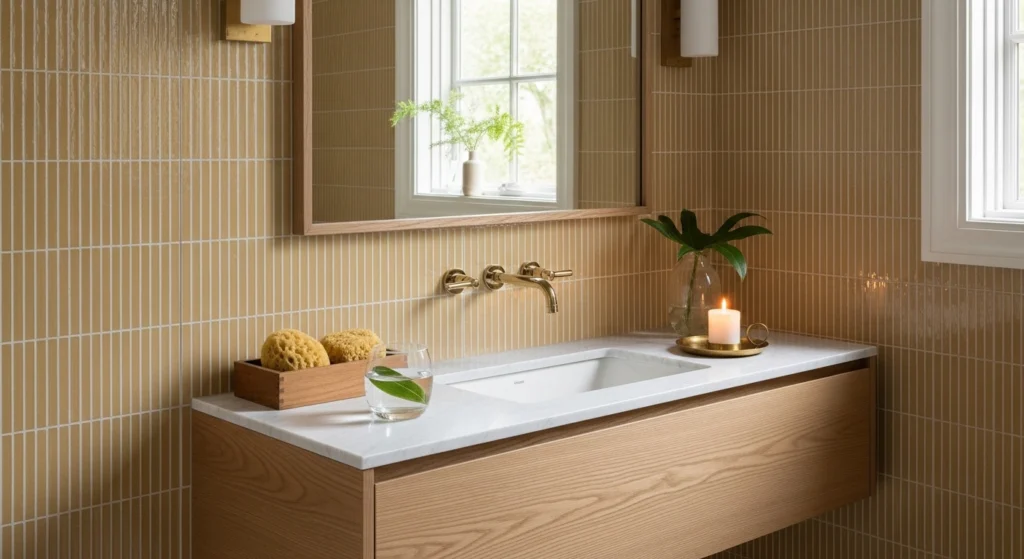
To achieve “Aqueous Serenity” in a bathroom earthy, vibrant colors should be introduced through “Grounded Materiality” and tactile masonry that celebrates the natural world. Utilize vertical-stack Zellige tiles in a shimmering ochre or moss green to clad the shower zone, creating a handcrafted texture that catches the light from a large frameless window. The vanity should be a minimalist white oak floating unit, providing an organic contrast to the vibrant tile and the polished stone or slate floors. In the background, a large leaning mirror with a rustic timber frame reflects the “Warm Modern Bathroom“ glow of the room, making the small space feel expansive and high-intent. On the counter, a wooden box for sponges, a glass half-filled with water with a single green leaf, and a burning votive candle engage the senses and create a restorative, spa-like sanctuary.
Entryway – Earthy Color That Makes a Warm First Impression

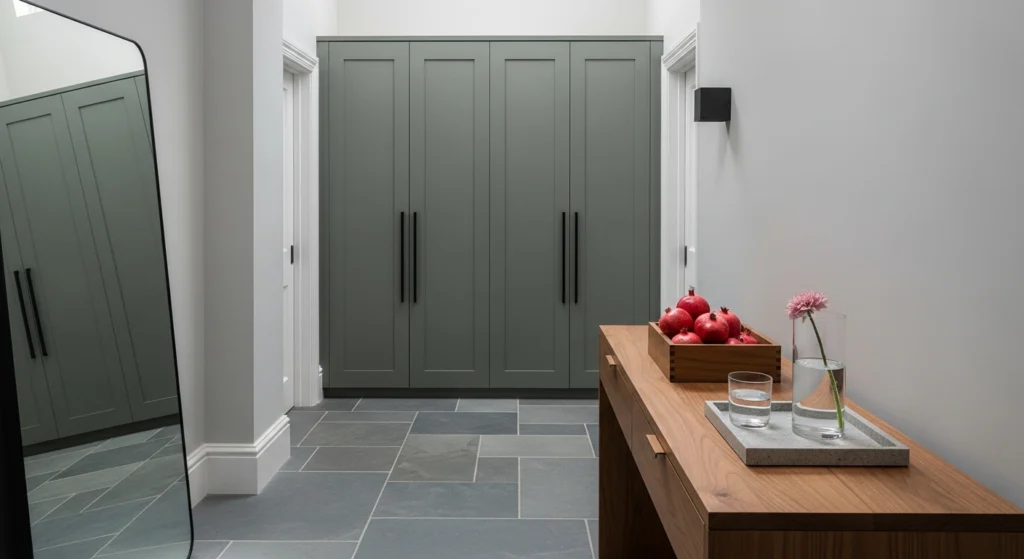
The entryway is the first chapter of your home’s soul, and it should offer a “Stately Welcome” through the use of deep, resonant earthy tones and architectural order. We recommend finishing the walls and the built-in wardrobe doors in a consistent matte Mushroom or Deep Sage finish to create a seamless architectural box that eliminates visual noise. This “Monochromatic Tonal” approach allows a walnut console table and a large-format slate floor to become the primary focal points of the transition. On the console, place a wooden box of fresh pomegranates and a single burning candle on a stone tray, anchored by a glass half-filled with water and a long-stemmed flower. This “Collected and Creative” styling ensures your guests are greeted with a sense of peace, order, and high-quality design that reflects a highly intentional and sophisticated lifestyle.
Accent Wall – Soft Terracotta as a Subtle Statement

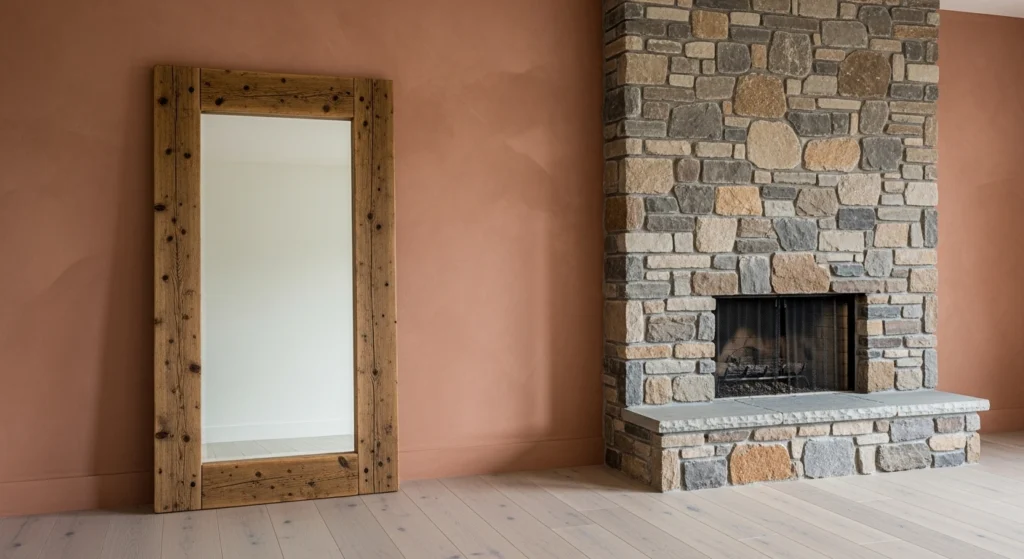
A subtle statement is best made through the use of “Architectural Depth” rather than sheer brightness, making Soft Terracotta the perfect 2026 accent hue for a modern home. When creating a terracotta accent wall, utilize a Roman clay finish to ensure the surface has a sueded, multi-dimensional movement that interacts with the changing spring light. This wall acts as a “Kinetic Engine” for the room, drawing the eye toward a dry-stack stone fireplace or a 7-foot leaning mirror with a rustic timber frame. We pair this vibrancy with “Visual Silence” in the rest of the room—white oak floors and bone-colored cabinetry—to ensure the space remains “Clean and Calm.” A single burning candle on a stone ledge against the terracotta highlights the pigment’s warmth, creating a masterpiece that feels both daring and timelessly elegant.
Finishing Touches – Layering Earthy Texture for Subtle Warmth

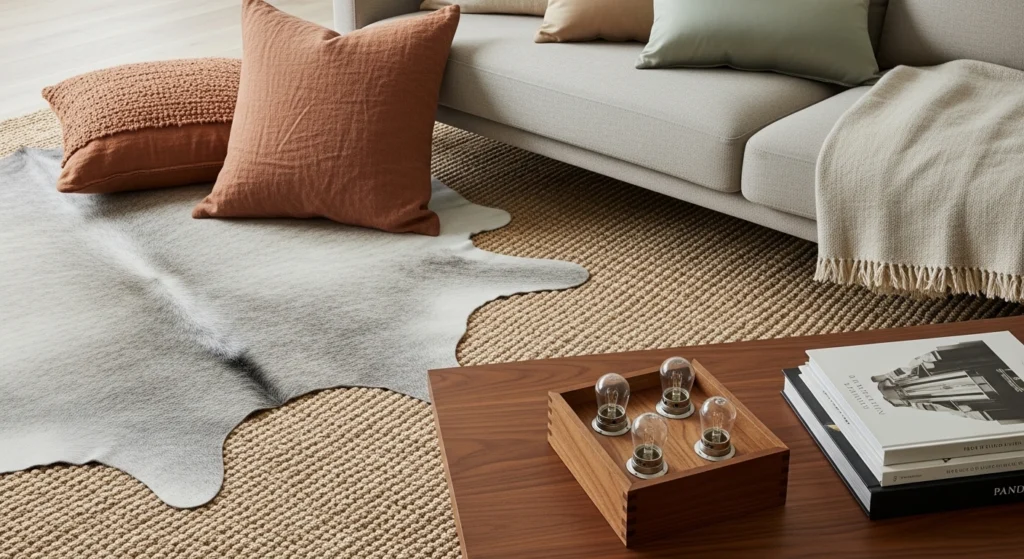
The “Final Layer” of an earthy vibrant home is the masterful addition of “Soft Soul” textures that provide a tactile luxury to every surface and architectural plane. This involves layering a soft cowhide over a large-format jute rug to define the seating area with organic “Zero-Waste Geometry” and a sense of history. On the furniture, mix rough-weave linen pillows with smooth silk cushions in tonal variations of your primary earthy hue to add “Micro-Shadows” and sophisticated depth. These finishing touches should include the presence of “Active Decor”: a rustic wooden box holding specialized bulbs and a stack of art books on the coffee table. This disciplined approach ensures the vibrancy of the color is softened by the honesty of the materials, creating a cohesive sanctuary that provides a “Glowy” and intimate atmosphere.
Dining Room – Earthy Vibrancy That Feels Gathered & Grounded

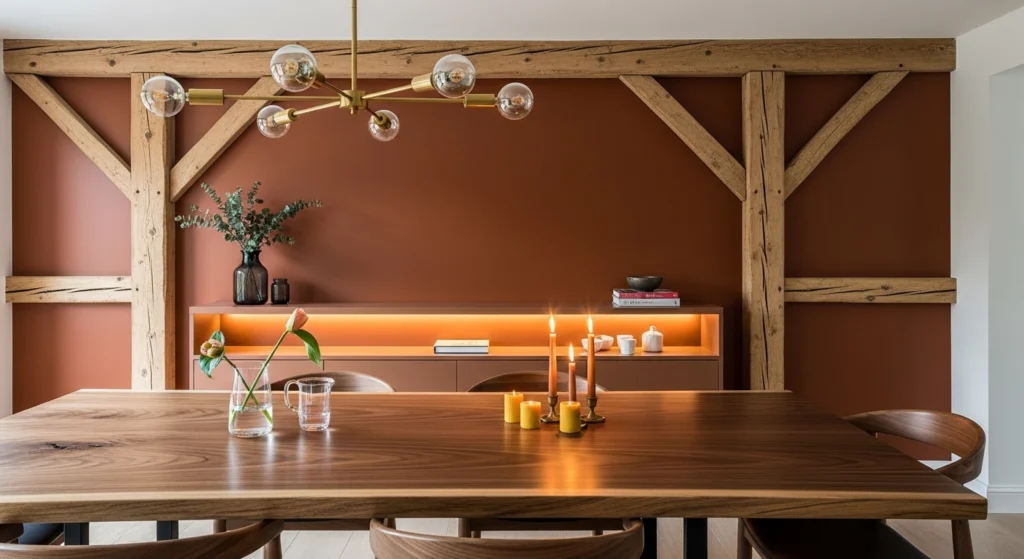
A dining room in 2026 should be a “Social Sanctuary” that utilizes earthy vibrancy to create a sense of theatrical, yet grounded luxury for evening gatherings. We recommend a raw-edge walnut dining table as the structural anchor, paired with sculptural black-iron chairs and a focal wall in a deep, matte Ochre. The lighting should be “Layered,” with a brass chandelier hanging low over the table and integrated LED strips inside a built-in sideboard highlighting a curated pottery collection. On the table, we style a glass half-filled with water with a single long-stemmed white wildflower and a few burning beeswax candles. This “Collected and Creative” environment feels high-end and editorial, proving that bold earthy colors can be used with architectural discipline to foster deep human connection and sophisticated seasonal hosting.
When Earthy Colors Go Too Far: The Rule of Visual Silence

The danger of using vibrant earthy tones is the potential to create “Visual Noise” if the colors are not balanced by a strong “Background Architecture” and open space. A room “goes too far” when it loses its sense of openness—this usually happens when too many high-contrast patterns are mixed or when the color application lacks a tactile finish. To prevent this, always maintain at least 40% of the room in a “Clean and Calm” neutral, such as white oak or bone-colored plaster, to allow the vibrant tones to breathe. Avoid the “matching set” furniture look; instead, mix materials like leather, stone, and wool to break up the color fields and add architectural weight. By prioritizing “Visual Silence” and structural integrity, you ensure that your bold color choices feel like a permanent, high-end investment in the soul of your home.
Final Styling Inspiration – Earthy Vibrancy Done Right

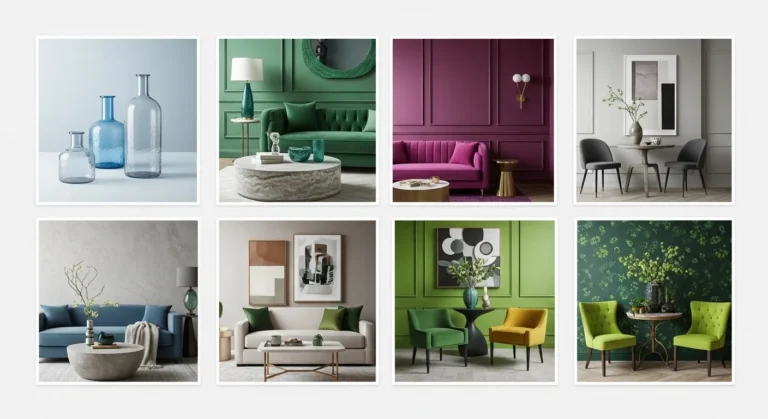
Mastering Using Earthy Vibrant Colors in Rooms is an architectural journey that balances the revitalizing energy of the natural world with the sophisticated order of a sanctuary. Whether you choose the moody depth of Plum Noir or the kinetic energy of Wasabi and Terracotta, the key is to apply these hues through the lens of “Background Architecture.” By focusing on “Visual Silence,” “Layered Lighting,” and a “Collected and Creative“ approach to styling, you create a home that feels both contemporary and timeless. A home that integrates these vibrant earth tones with natural wood, stone, and sensory anchors like burning candles and fresh flowers is a home that inspires and restores—providing a “Clean and Calm” haven that reflects a highly intentional and inspired spirit.
Final Thoughts
Achieving “Earthy Vibrancy” is not about following a color trend, but about honoring the pigments of the earth within a structured, modern framework. By grounding your vibrant choices in high-quality materials like walnut, marble, and Roman clay, you create an environment that feels expensive, permanent, and deeply soulful. As you layer in the “Soft Soul” of textiles and the “Active Decor” of natural elements, your home becomes a sanctuary that celebrates life and light. This approach ensures that your use of color remains sophisticated and architecturally sound, providing a beautiful backdrop for your modern life.