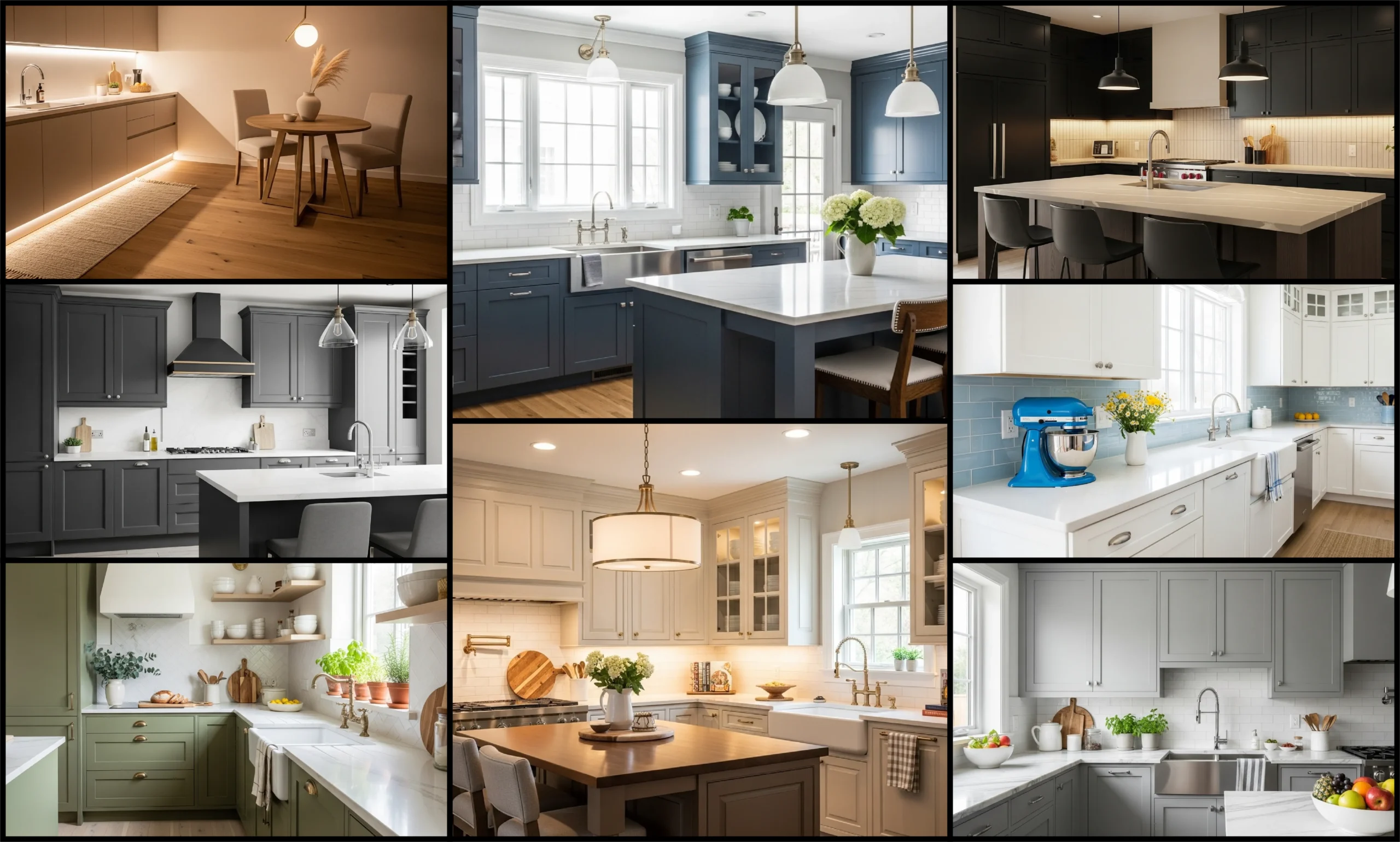
Color sets the whole mood of a kitchen. The right pairing can make a small room feel open or a plain room feel rich.
These kitchen color combination ideas mix neutrals with bold accents. Each pairing works on its own. Pick the one that fits your light and style.
White and Warm Wood
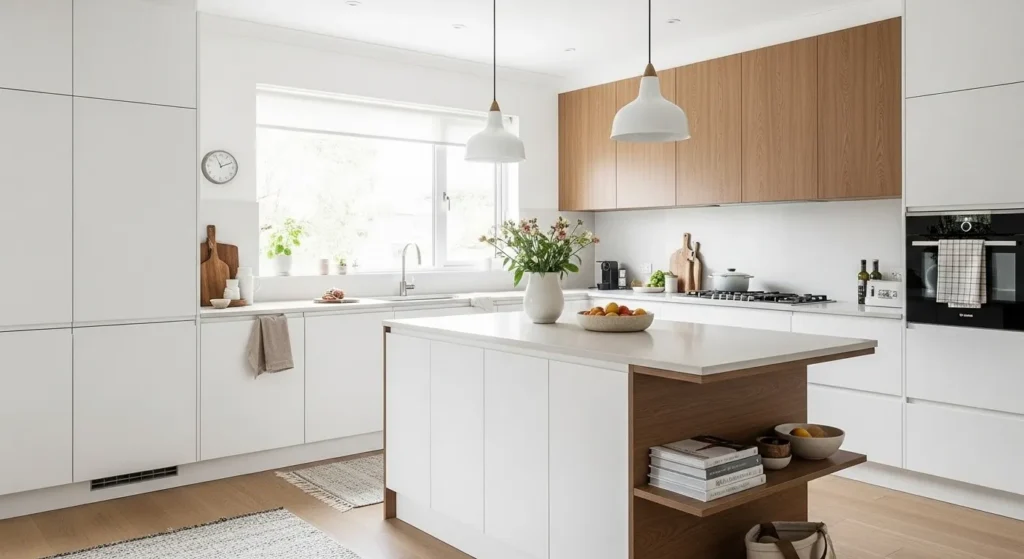
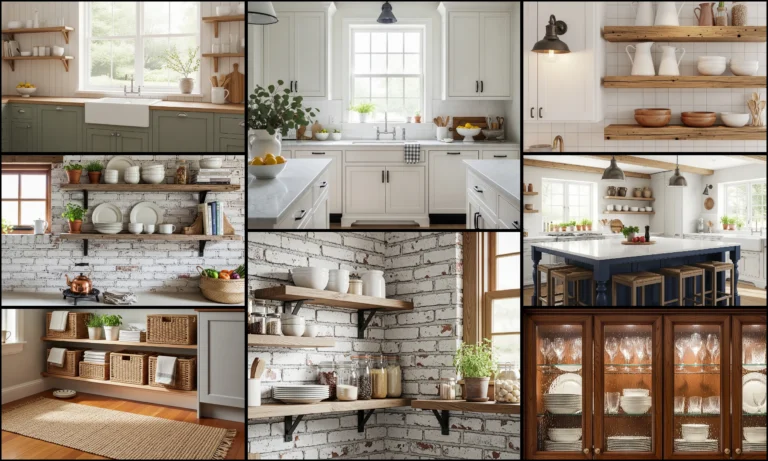
White cabinets keep the kitchen bright and open. Warm wood adds grain and life to the room. The pair feels clean yet cozy.
Let the wood be the star with a clear matte finish. White uppers bounce light into dark corners. Simple pulls keep the look calm.
Best for: a bright kitchen with natural warmth.
Beige and Soft Gray
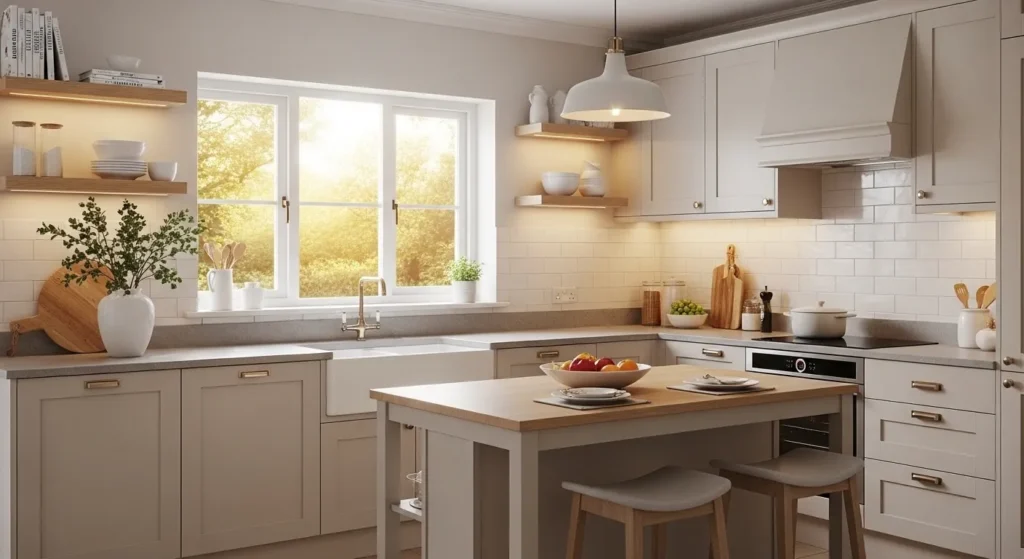
Beige and soft gray layer like a quiet hug. Neither color shouts for attention. The room feels calm and easy to live in.
Match undertones so the two blend well. Warm bulbs bring out the cozy side. Add texture with linen and wood.
Best for: a soothing neutral kitchen.
Black and Natural Wood
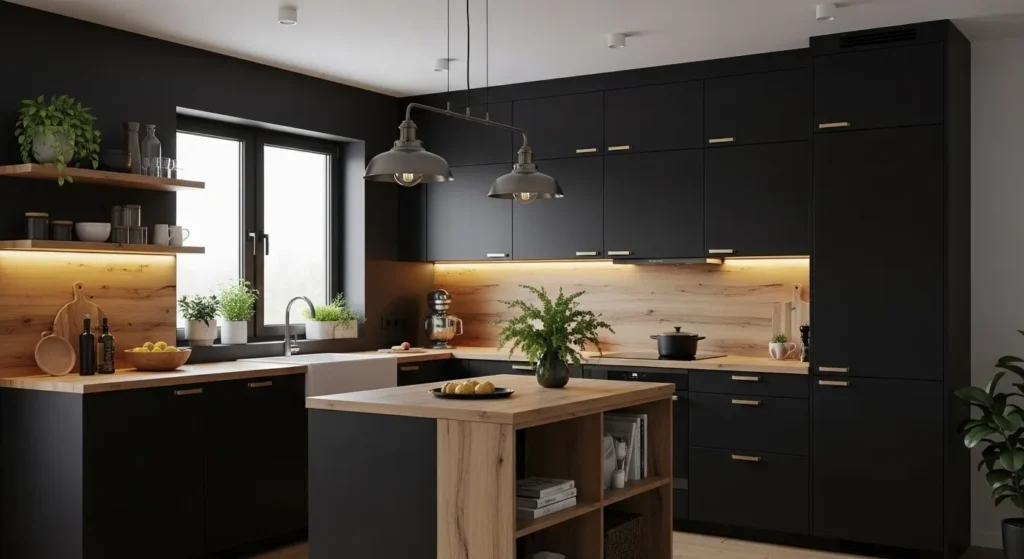
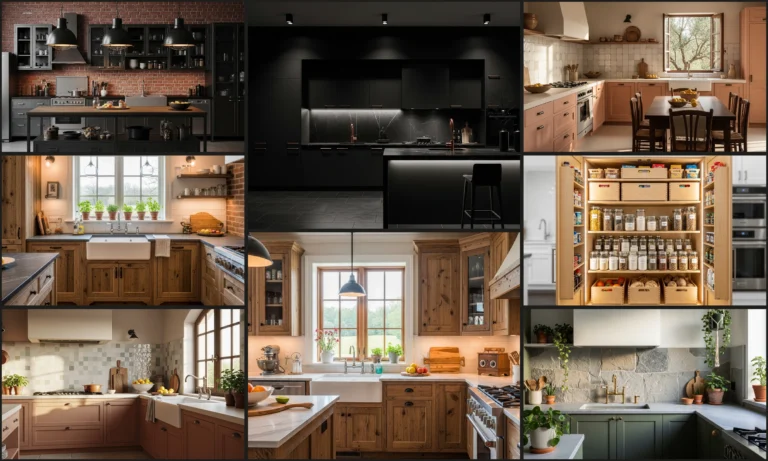
Black brings drama while wood brings warmth. Together they balance each other well. The contrast feels bold but grounded.
Keep walls light so the black does not close in. Seal the wood against steam and splashes. Matte black hides smudges better.
Best for: high contrast with organic warmth.
White and Sage Green
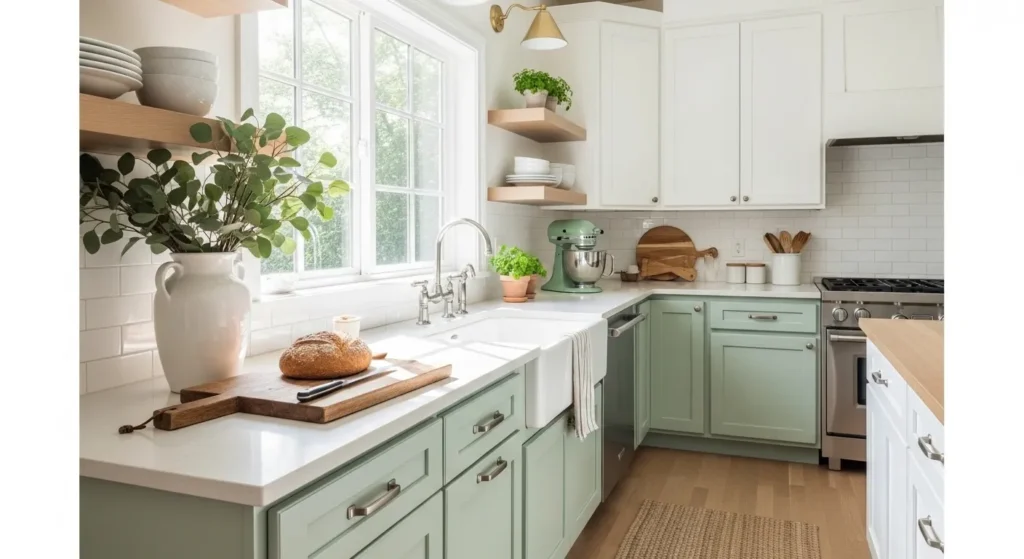
Sage green feels soft and a little earthy. White keeps the room fresh and bright. The combo brings nature inside.
Aged brass hardware glows against the green. Butcher block counters add warmth. This suits farmhouse and modern homes.
Best for: gentle color with a natural feel.
Navy Blue and Crisp White
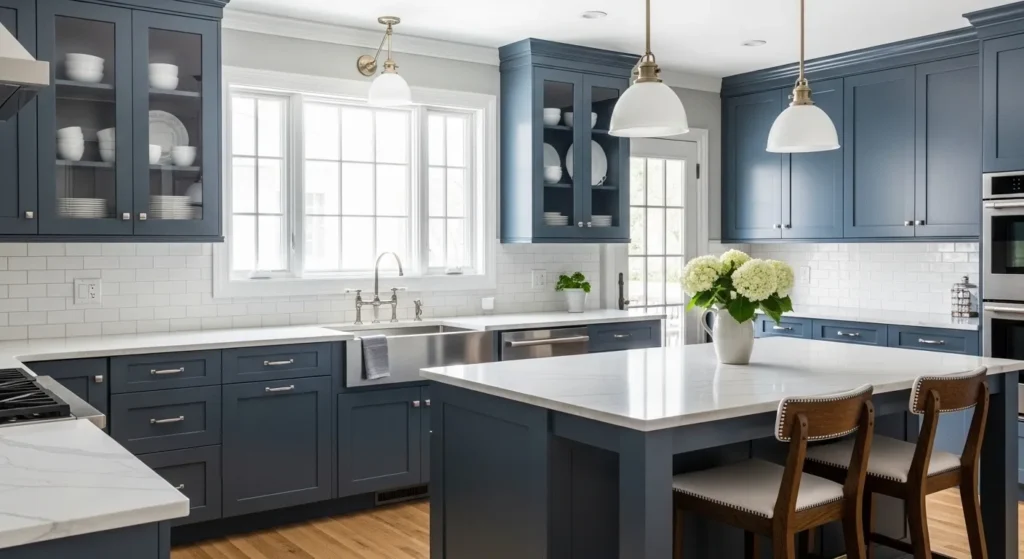
Navy and white is a true classic. The deep blue feels rich and steady. White keeps it crisp and clean.
Brushed gold pulls warm up the navy. Keep counters light for balance. A satin finish wipes down fast.
Best for: timeless contrast with rich color.
Cream and Soft Brown
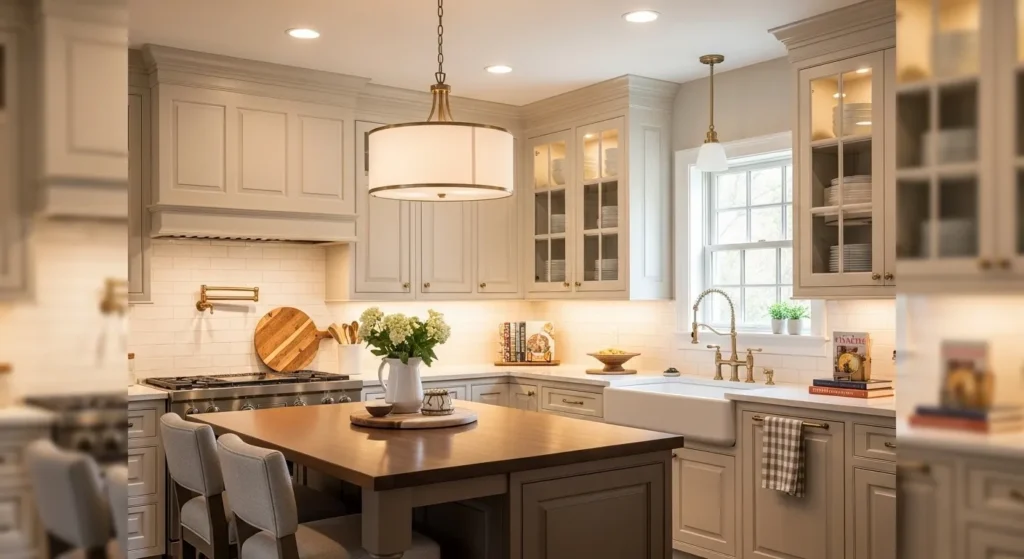
Cream and soft brown feel like a warm embrace. The tones are gentle and timeless. The kitchen feels cozy all year.
Cream is softer than stark white in warm light. Wood floors tie the palette together. Keep hardware in warm metals.
Best for: a warm, inviting kitchen.
Gray and Natural Stone
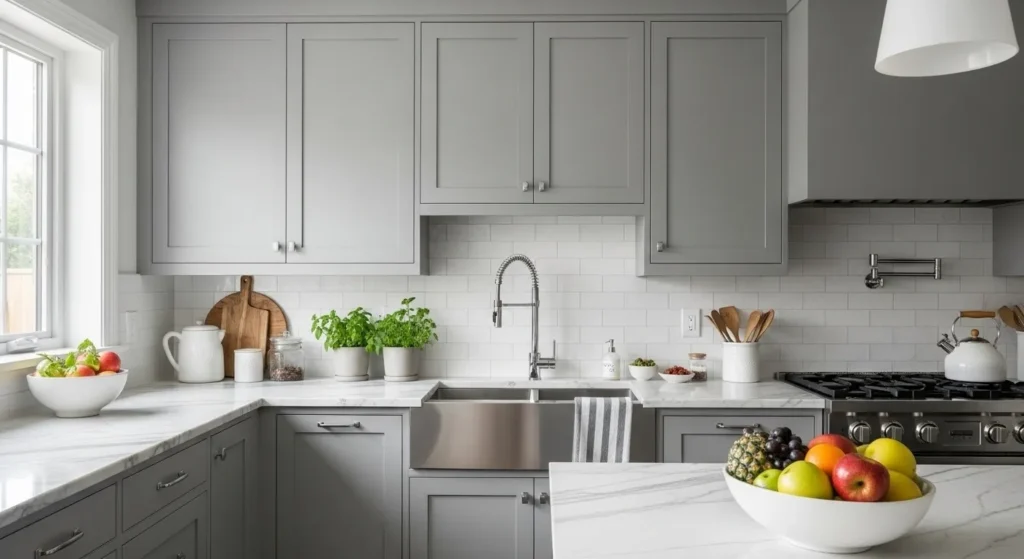
Gray and natural stone feel solid and modern. The stone adds texture and depth. Gray keeps the palette calm.
Hone the stone so it does not glare. Warm wood accents stop gray feeling cold. Good lighting shows the texture.
Best for: a grounded modern kitchen.
White and Light Blue
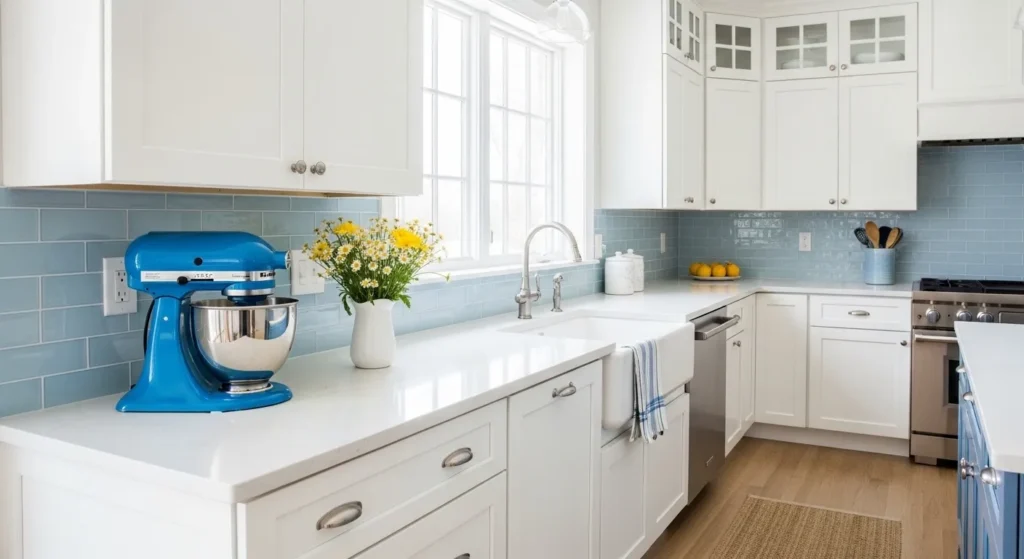
White and light blue feel fresh as morning air. The blue adds a hint of color. White keeps everything bright.
This suits coastal and cottage styles. Nickel hardware keeps it crisp. A simple backsplash fits right in.
Best for: a bright, breezy kitchen.
Black and Soft Beige
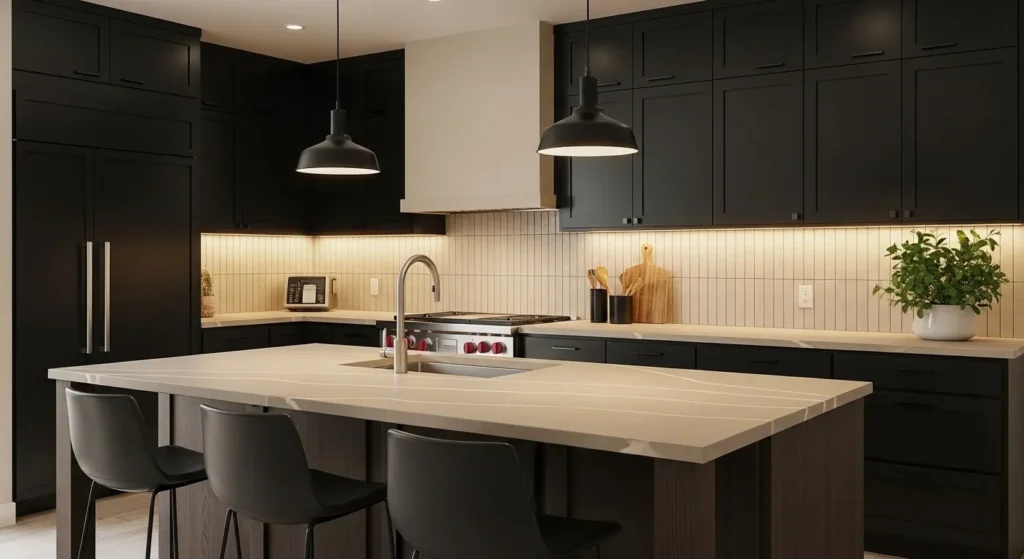
Black and soft beige is quiet luxury. The black adds edge without shouting. Beige softens the whole room.
Beige hides dust better than white. Warm metals suit this mix well. Keep the floor mid-tone to tie it together.
Best for: elegant contrast with warmth.
Olive Green and Cream
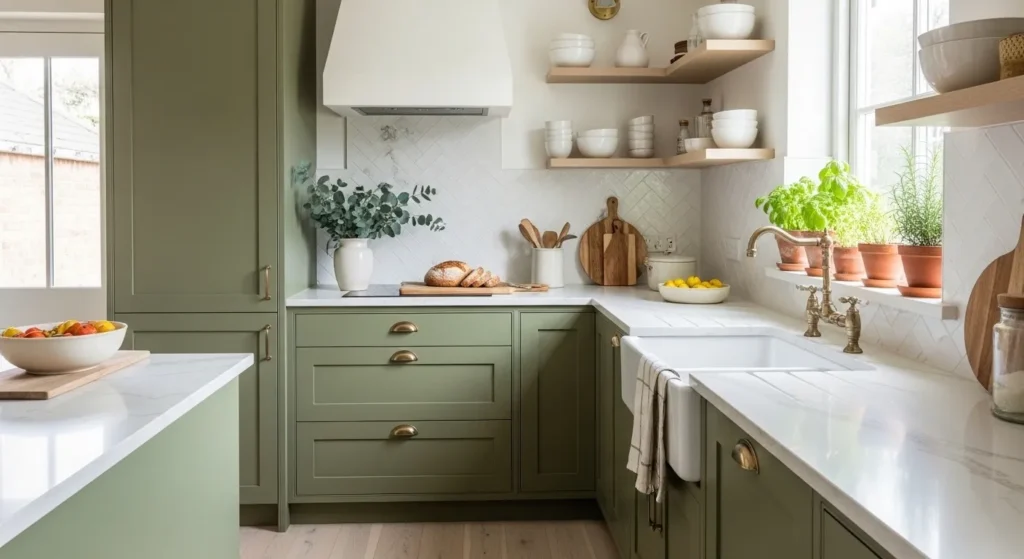
Olive green and cream feel earthy and calm. The green brings nature inside. Cream keeps the room light.
Pair with warm wood for a natural look. Matte black hardware keeps it modern. Plants nearby echo the green.
Best for: an earthy kitchen with warmth.
Charcoal Gray and White
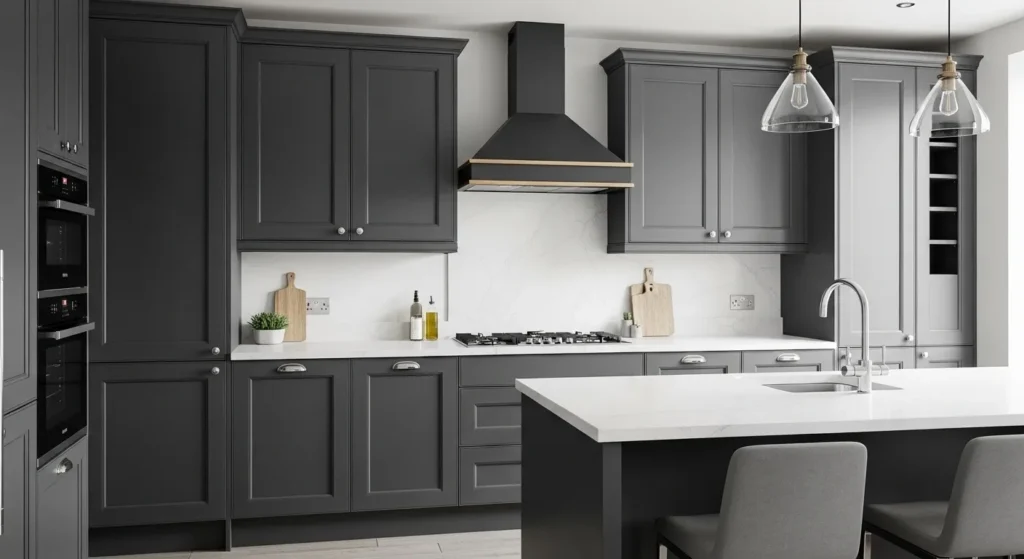
Charcoal and white is sleek and sharp. The dark adds weight and style. White keeps it from feeling heavy.
Use simple pulls so lines stay clean. Under-cabinet lights carve out layers. A white backsplash brightens the middle.
Best for: modern contrast with clean lines.
Taupe and Soft White
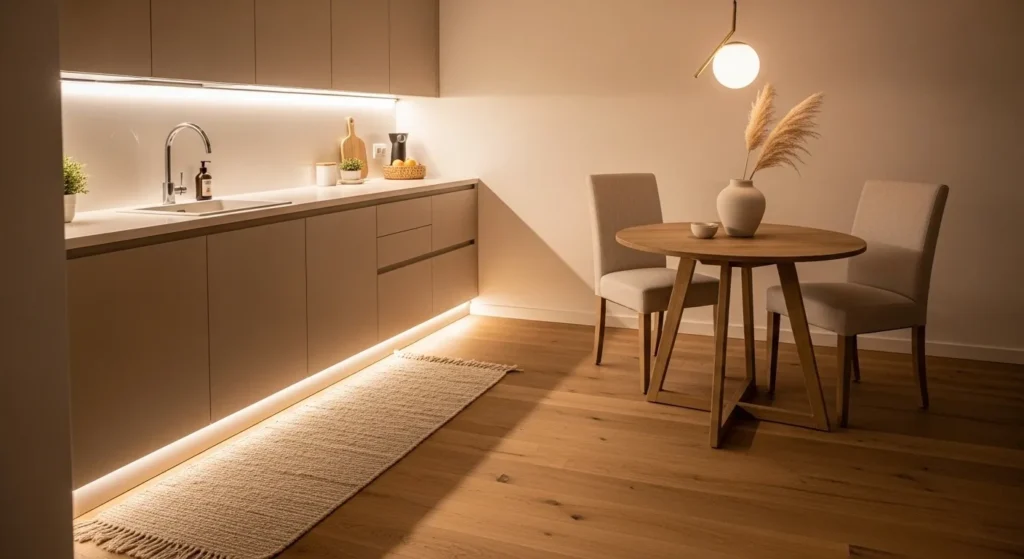
Taupe and soft white feel warm and refined. The tones blend with no hard edge. The room feels calm and pulled together.
Test samples in your own light first. Taupe shifts between warm and cool bulbs. Keep hardware simple in bronze.
Best for: soft sophistication with warmth.
Black and Soft Gray
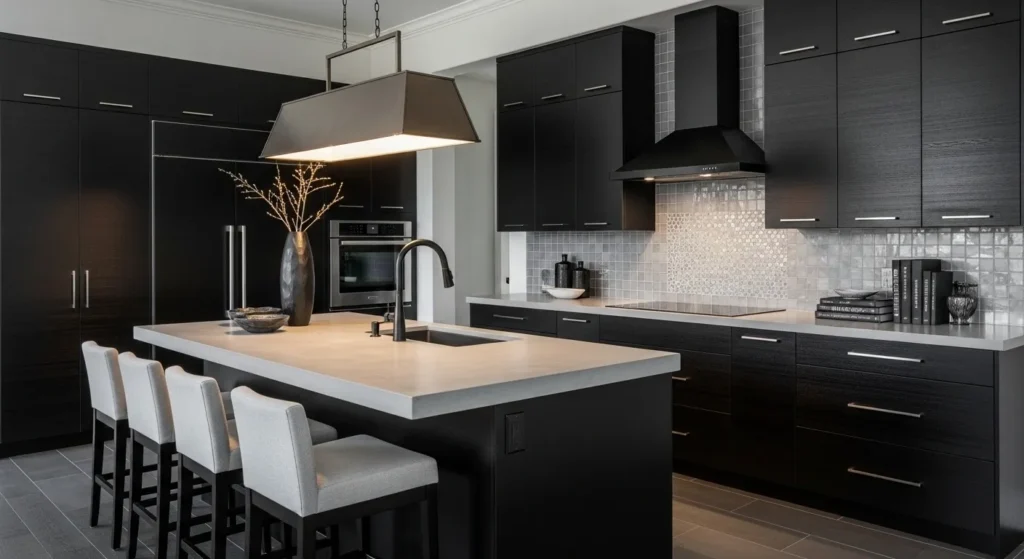
Black and soft gray is tone-on-tone drama. The shift is subtle but strong. It reads as one sleek wall.
Vary finishes so tones do not blur. Try matte with satin. Good task lighting keeps it lively.
Best for: controlled drama in dark tones.
White and Warm Terracotta
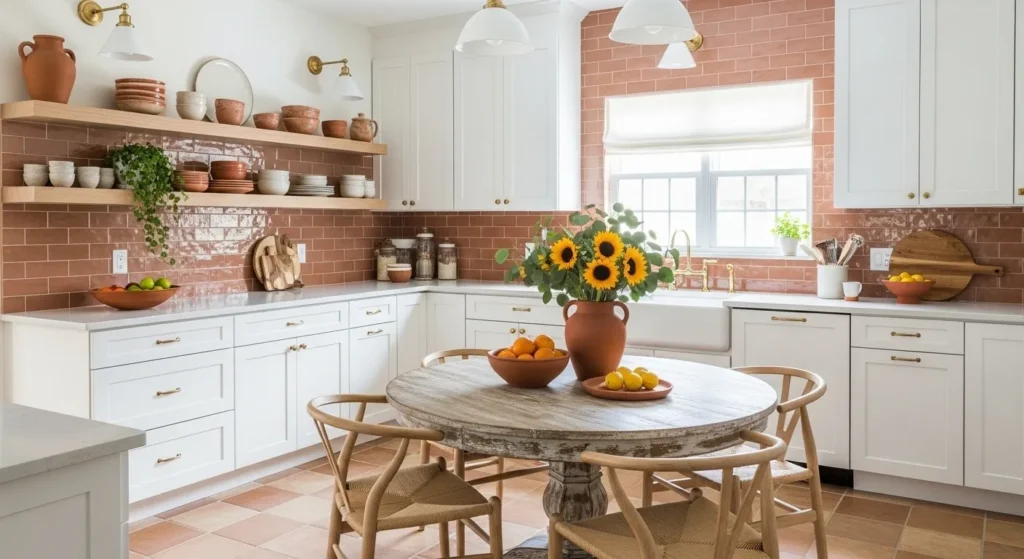
White and terracotta feel like warm sunlight. The terracotta brings earthy richness. White keeps it fresh.
Cream counters work better than stark white here. Keep hardware in warm metals. The shade hides small marks well.
Best for: sun-warmed color with personality.
Blue-Gray and White
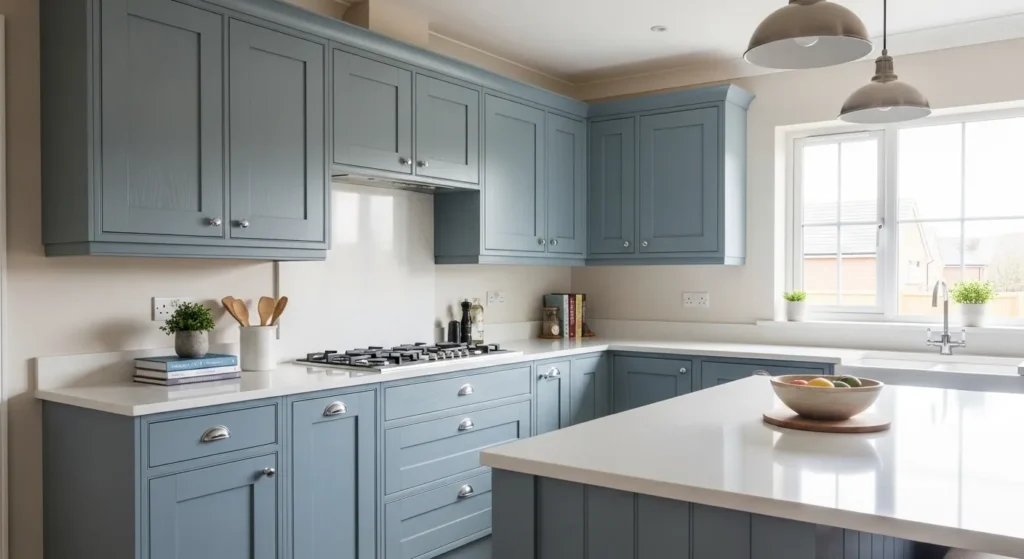
Blue-gray and white feel clean and current. The cool tone is calm and crisp. White keeps it bright.
This suits modern and coastal homes. Chrome pulls keep it sharp. Add warm wood to stop it feeling cold.
Best for: a cool, contemporary kitchen.
Green and Natural Wood
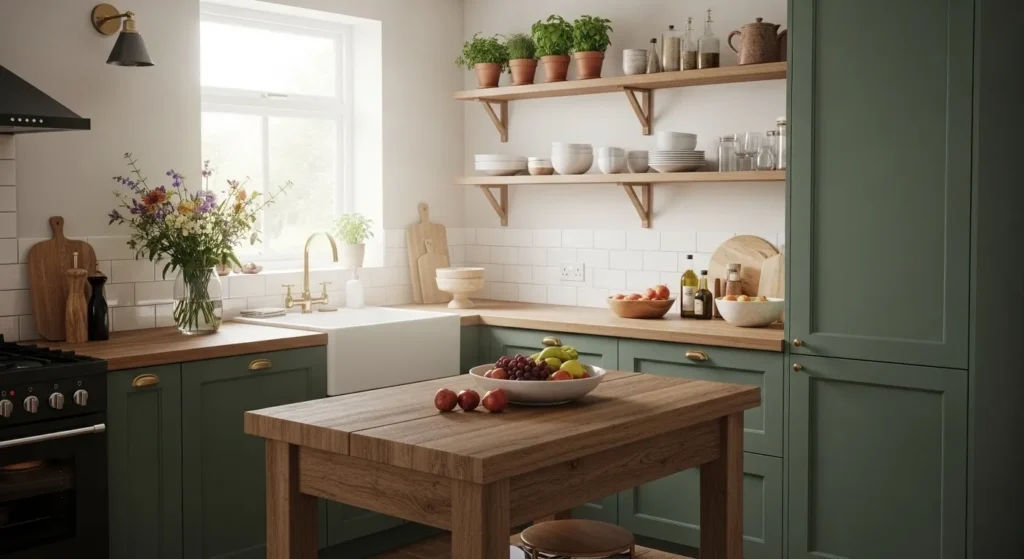
Green and natural wood feel fresh and alive. The green brings the outdoors in. Wood adds warmth and grain.
Let the wood show with a clear seal. Keep walls light around the green. Simple hardware suits both.
Best for: organic color with natural texture.
Black and Soft Cream
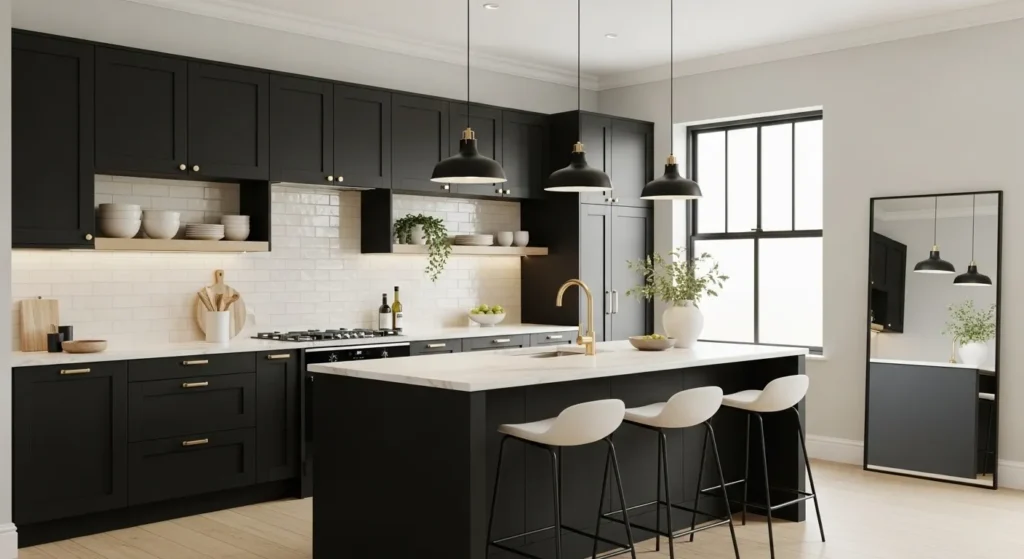
Black and soft cream is rich and welcoming. The black adds depth and style. Cream keeps it soft and warm.
Cream is kinder than white in warm light. Brass pulls add a luxe touch. Keep counters light to lift the dark.
Best for: luxury with a warm heart.
Gray and Beige
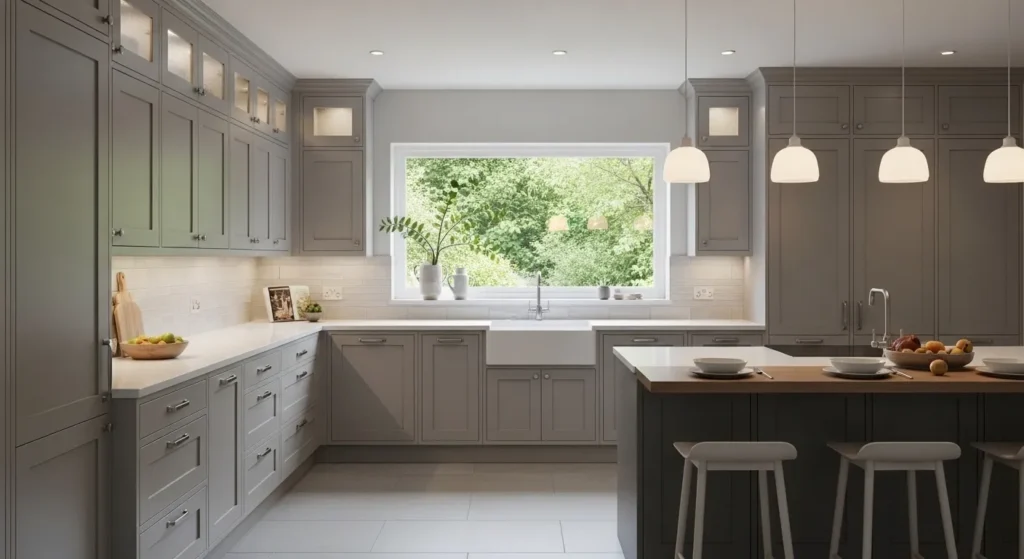
Gray and beige, or greige, is the easy neutral. It works with almost any floor. The look is calm and current.
Match undertones to your flooring first. Warm bulbs bring out the cozy side. This forgives many styling choices.
Best for: a safe neutral that works anywhere.
White and Warm Gray
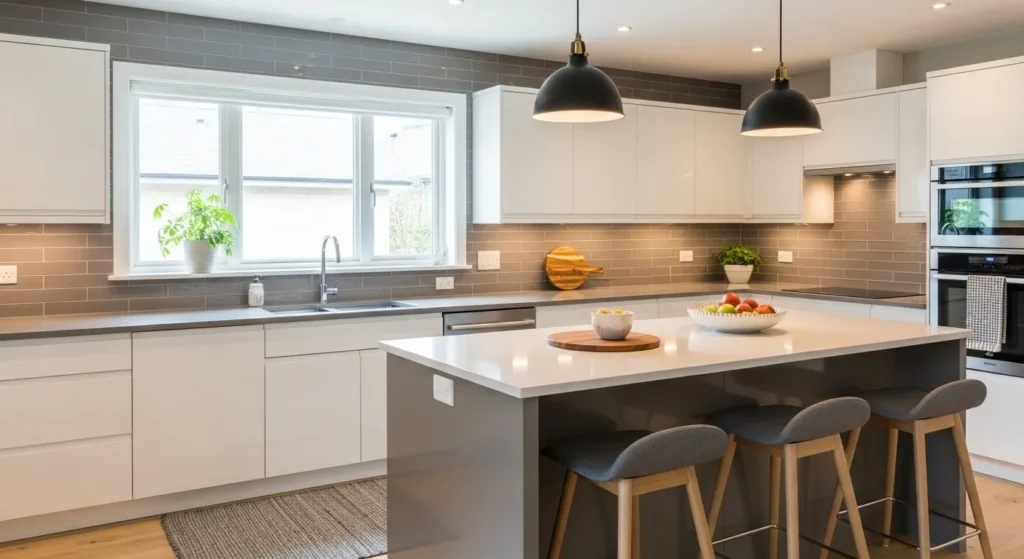
White and warm gray add gentle depth. The gray softens the white. The kitchen stays light and easy.
This suits small kitchens well. Chrome pulls keep it clean. Add texture with wood stools or baskets.
Best for: subtle contrast that stays bright.
Neutral Base with One Accent Color
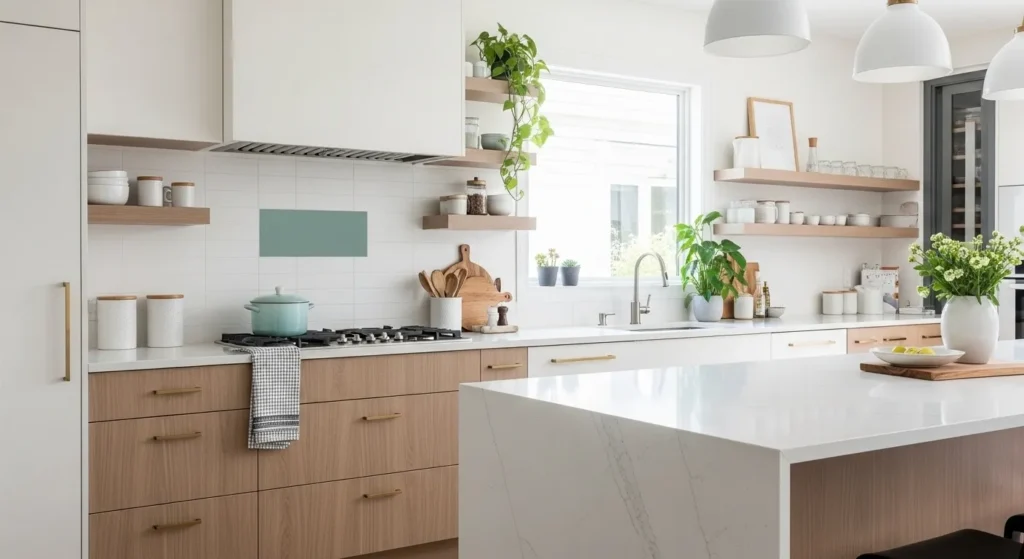
A neutral base with one accent lets color shine. Keep walls and cabinets calm. Then pick one bold moment.
Try the accent on an island or one wall. Keep the rest simple so it pops. Swap the accent later for a fresh look.
Best for: personality without commitment.
Find Your Perfect Colors
The best kitchen color combination is the one you love to live with. Test samples in your own light before you commit.
For more ideas, explore our home decorating ideas and check out these two-tone kitchen cabinet ideas.