20 Unique Ideas for a Collected Western Home

Collected Western Home

The Western Farmhouse style is a sophisticated evolution of the classic rustic aesthetic, moving far beyond the simple white-washed trends of the past decade. It is a design language rooted deeply in the American West—a landscape defined by vast horizons, rugged mountain ranges, and the honest, hardworking materials found on a high-desert ranch. This style focuses on “Sophisticated Ruggedness,” balancing the clinical precision of modern architecture with the tactile grit of the frontier. To master this look, you must treat the living room as a structural masterpiece where the storage, walls, and lighting are just as vital as the furniture itself.

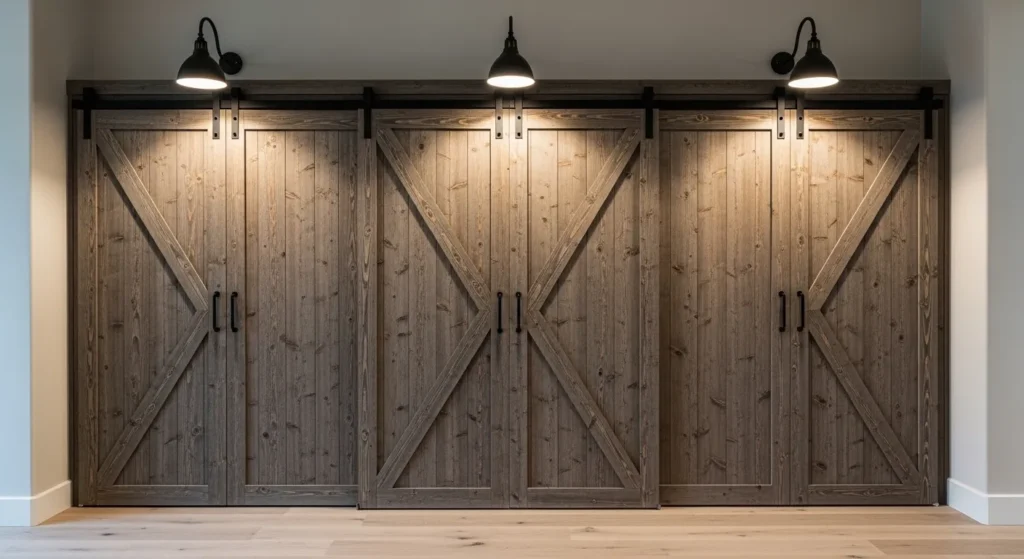
1. The Integrated “Barn-Door” Wardrobe Wall

Storage is often the enemy of high-end design, but in a Western Farmhouse, we transform utility into a stunning architectural feature that anchors the entire space. Install a floor-to-ceiling built-in wardrobe along an entire wall using reclaimed knotty alder wood or aged pine with traditional “X-brace” barn door styling. Use hidden industrial tracks so the heavy doors glide effortlessly, hiding modern distractions like televisions, electronics, or home office stations behind a wall of beautiful, weathered timber. Mount black matte gooseneck barn lights above the wardrobe create a dramatic “wash” of light down the wood grain, emphasizing the unique knots and saw marks in the wood.

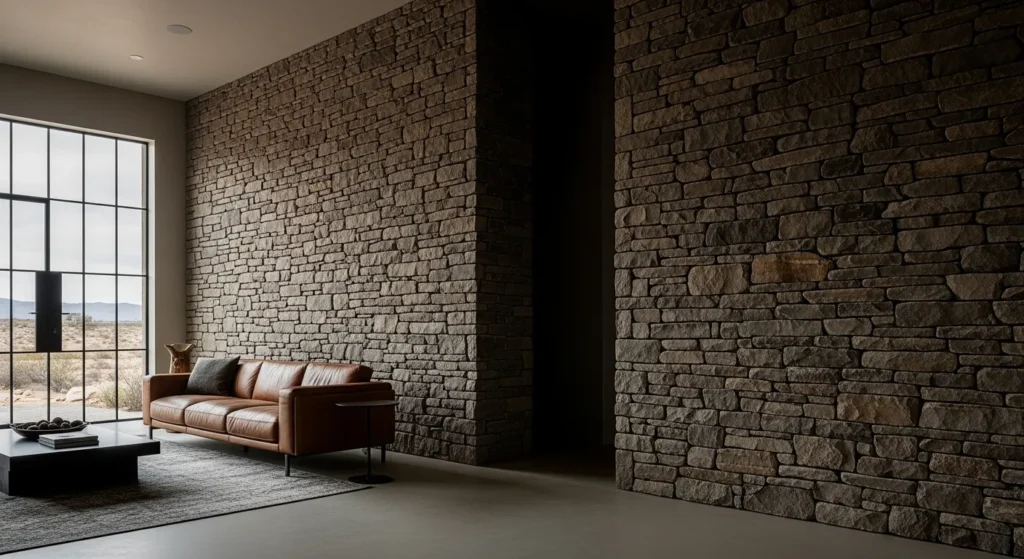
2. The Masonry Anchor: Dry-Stack Stone

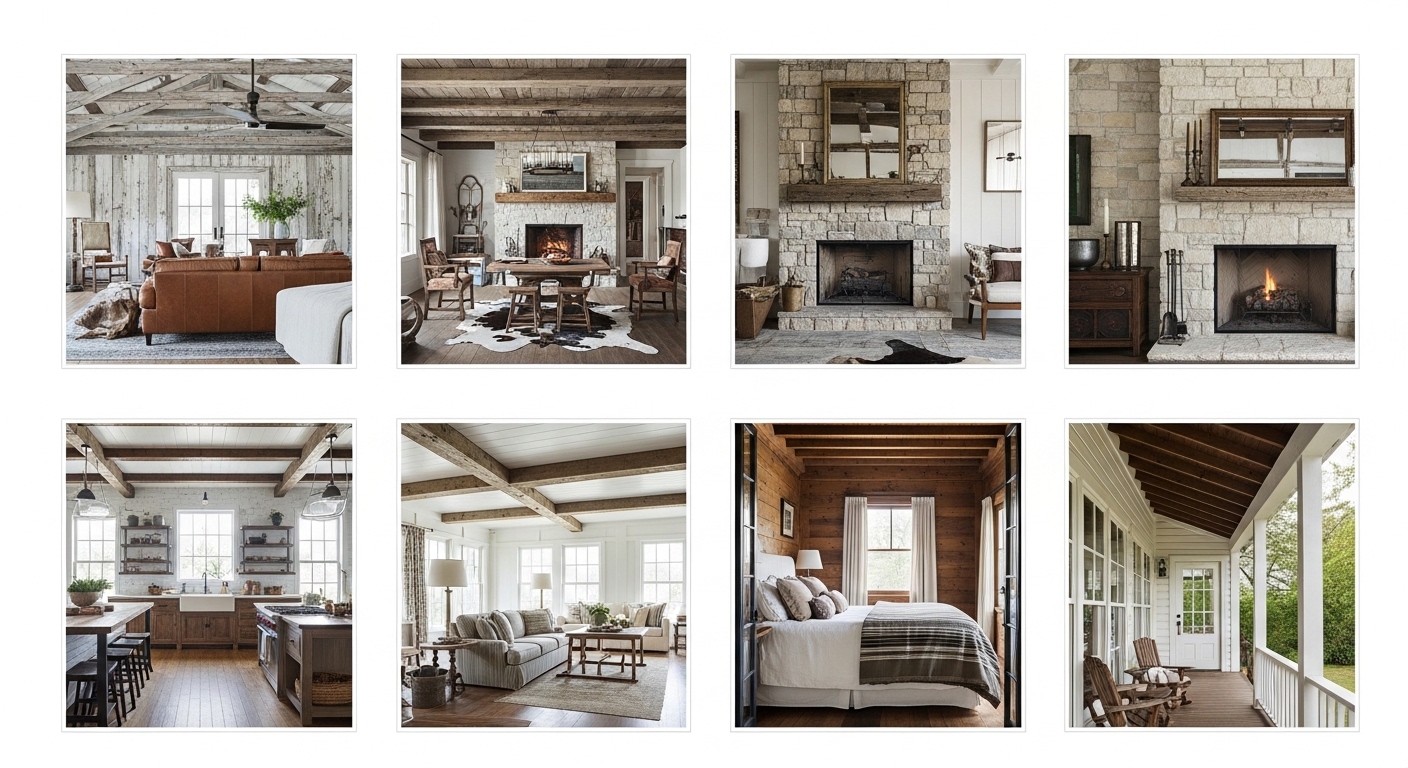
Western homes are traditionally grounded by the earth, and incorporating stone adds a necessary sense of weight and architectural value to the modern living room. Use Dry-Stack Limestone or rugged River Rock to clad the wall behind the sofa or the entire fireplace chimney from floor to ceiling for a massive visual impact. The absence of visible grout lines makes the stone appear like a natural geological outcropping rather than a modern tile installation, providing a cool contrast to the warm leather. This natural masonry serves as a permanent backdrop that enhances the “Warm Modern” aesthetic while making the room feel like a historic ranch sanctuary.

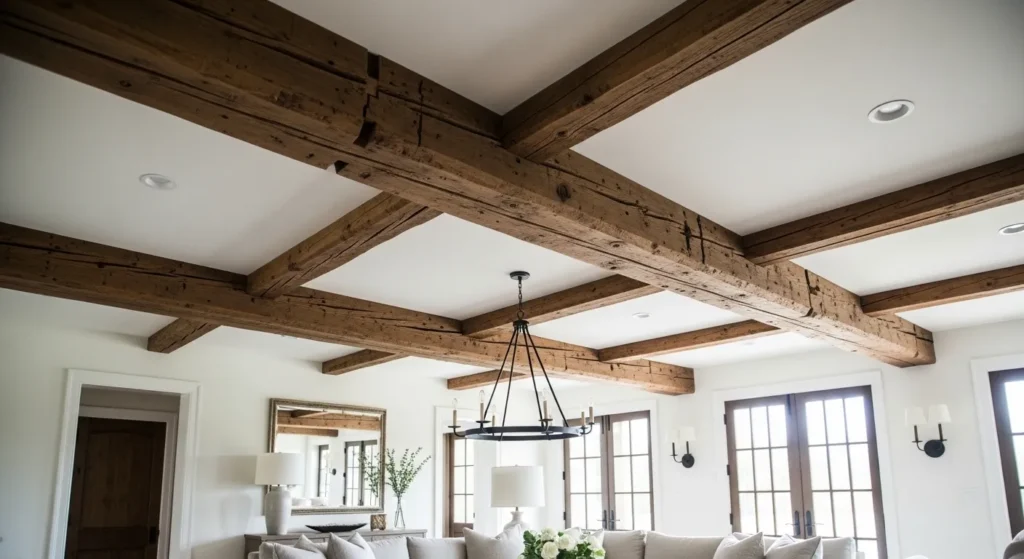
3. Structural Timber: Hand-Hewn Beams

The ceiling is often referred to as the “fifth wall,” and in a Western Farmhouse, it is an essential canvas for expressing structural honesty through heavy timber. Install Hand-Hewn Beams that show visible axe marks and a deep, natural patina to add a sense of history and architectural rhythm to the upper part of the room. Paint the ceiling surface between these beams a soft, warm white like Alabaster to prevent the heavy wood from making the space feel claustrophobic or overly dark. This combination allows the structural elements to stand out while maintaining an airy and light-filled atmosphere that highlights the height of the room.

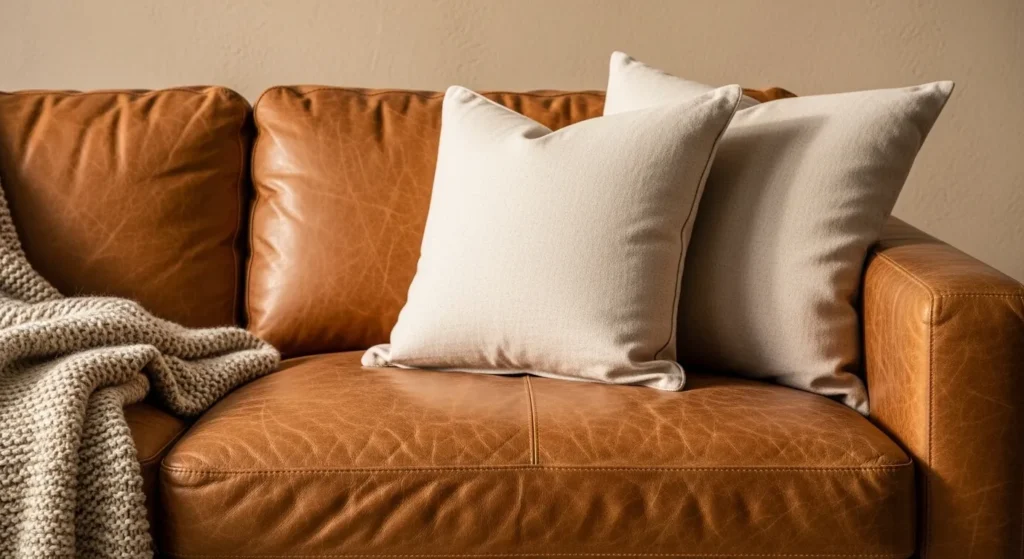
4. The Saddle-Tan Leather Foundation

Leather is the “denim” of Western design—it is a durable, honest material that actually improves in appearance and comfort as it ages over many years of use. Select a Saddle-Tan or Cognac leather sofa with a high-quality “pull-up” finish that lightens in areas of tension to create a beautiful, naturally distressed patina. Pair this rugged seating with heavy-weight cream linen pillows to create a sophisticated juxtaposition between the tough exterior of the ranch and the soft comfort of the home. This blend of materials ensures that the main seating area feels both high-end and approachable, embodying the true spirit of a modern frontier sanctuary.

5. Double-Layered Flooring: Cowhide over Jute

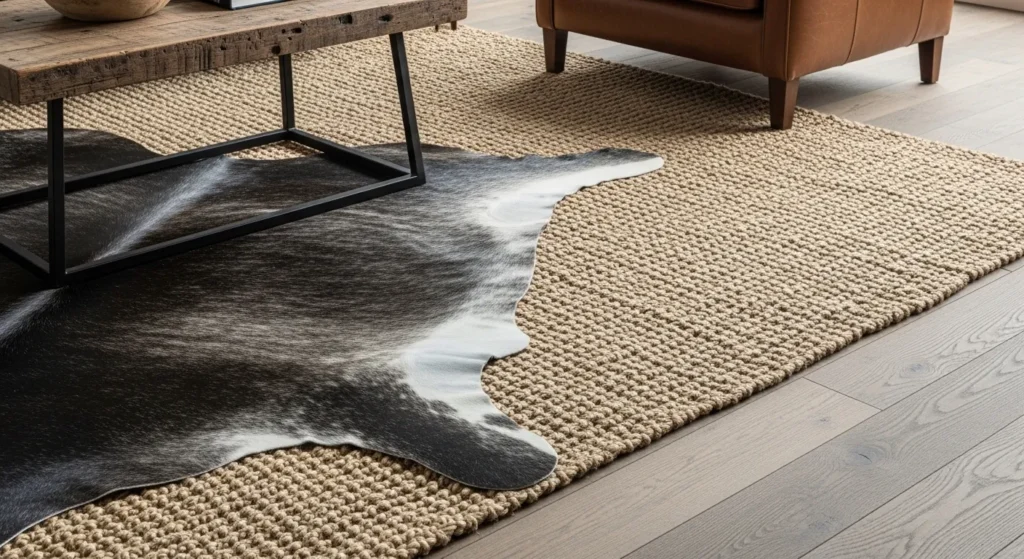
In a large farmhouse living room, one rug is rarely enough to provide the necessary acoustic dampening and visual layering required for a cozy, high-end environment. Start with a large, chunky-knit Natural Jute Rug as your earthy foundation to provide a consistent texture across the entire primary seating area of the room. Layer an Authentic Cowhide in a salt-and-pepper or tricolor pattern at a forty-five-degree angle on top to break up the hard rectangular lines of the space. This organic shape introduces a touch of the wild frontier while adding a soft, tactile layer that feels incredible underfoot and anchors the furniture.

6. The “Frontier” Gallery Wall

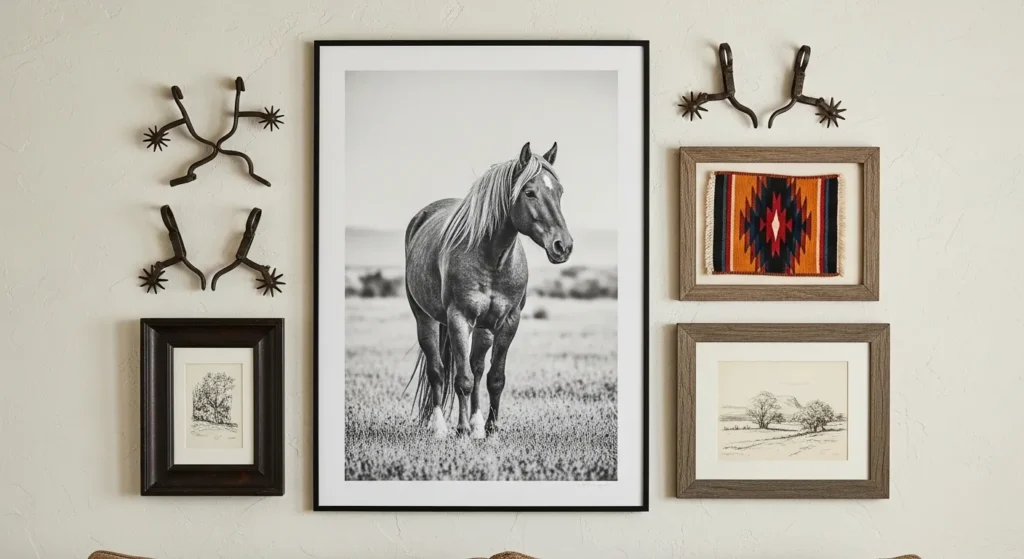
A Western gallery wall should never look like a store-bought set; instead, it should feel like a curated museum reflecting a life lived with a deep love for the land. Combine a large-scale black-and-white photograph of a wild horse with a vintage wooden “Spur” or a framed Navajo textile to create a multi-dimensional display. Use “Mixed Metals” for the frames, blending weathered wood with thin black iron to suggest that the collection was built over decades of travel and exploration. This creative arrangement adds a massive amount of personality and creative energy to the room, making it a focal point for guests.

7. Blackened Steel: The “Modern” Edge

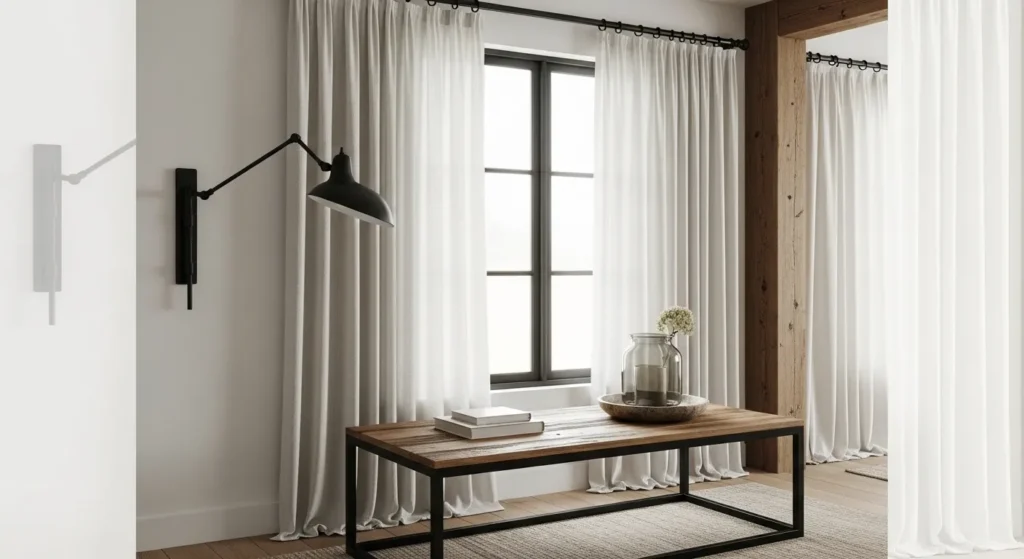
To prevent a Western-themed room from looking like “country kitsch,” you must introduce sharp, industrial elements that provide a necessary modern and sophisticated structural edge. Use Matte Black Iron for your curtain rods, picture lights, and coffee table bases to create a “black line” that defines the geometry of the interior space. These dark, sleek accents act as a visual palette cleanser against the warm wood and soft textiles, ensuring the design remains firmly rooted in the twenty-first century. This contrast between the ruggedness of timber and the precision of steel is what defines the “Warm Modern” farmhouse look.

8. The “Ranch-Hand” Library

A true Western home is designed for slow living, quiet reflection, and the enjoyment of a good book by the fire after a long day of outdoor activity. Install Built-in Oak Bookshelves but leave the wood raw and unsealed to maintain a tactile, organic connection to the material while providing ample storage. Integrate Brushed Brass Picture Lights at the top of the shelving units to cast a warm, focused glow over your collection of leather-bound books and turquoise pottery. At night, turning off the main lights and relying on these shelf lights creates an intimate, glowy atmosphere that feels like a high-end mountain retreat.

9. Native-Inspired Textiles (Navajo & Kilim)

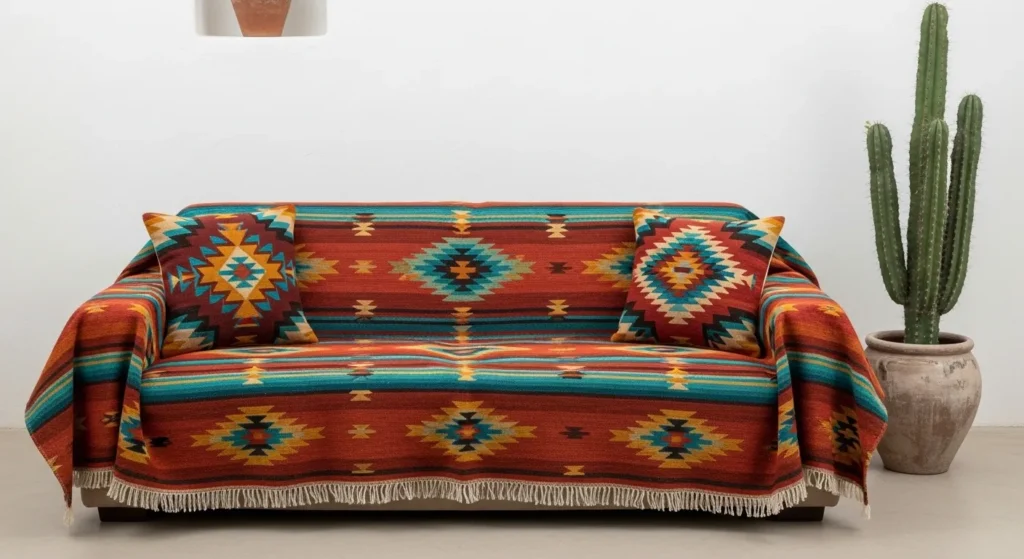
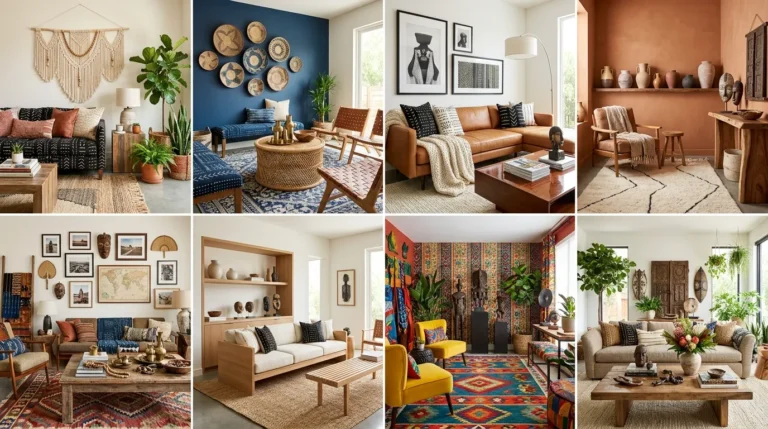
In a Western Farmhouse, color should come from heritage and hand-woven craftsmanship rather than from bright paint or synthetic fabrics that feel out of place in nature. Introduce a vibrant palette of Terracotta, Turquoise, Ochre, and Deep Gold through the use of authentic Navajo-patterned throw blankets and geometric Kilim pillows on the sofa. These traditional patterns provide a “creative energy” that complements the neutral wood and leather without making the room feel overly busy or cluttered with unnecessary items. The intricate designs tell a story of craftsmanship and respect for the indigenous cultures that originally defined the American Western landscape.

10. The Reclaimed Timber Floating Mantle

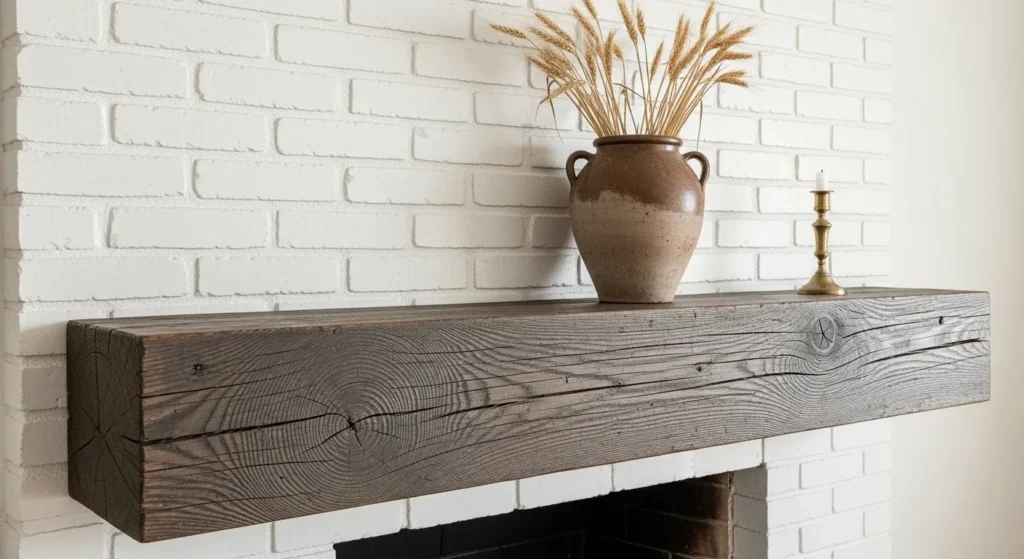
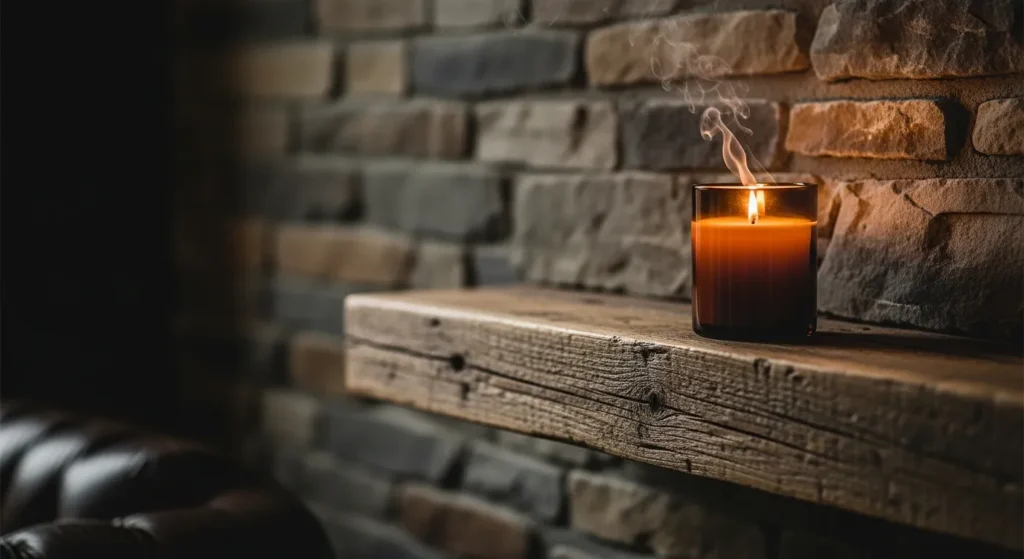
If your living room features a fireplace, the mantle serves as the emotional heart of the home and should reflect the ruggedness of the Western frontier. Source a solid 8×8 reclaimed timber beam with visible saw marks and a weathered grey finish to serve as a dramatic floating mantle across the stone. Keep the decor on top of the mantle simple and intentional: one large hand-thrown clay pot with dried wheat and a single charcoal landscape sketch in a frame. This minimalist approach allows the natural beauty of the reclaimed wood to shine while creating a peaceful focal point that celebrates the ranch aesthetic.

11. Antique Wagon & Sled Coffee Tables

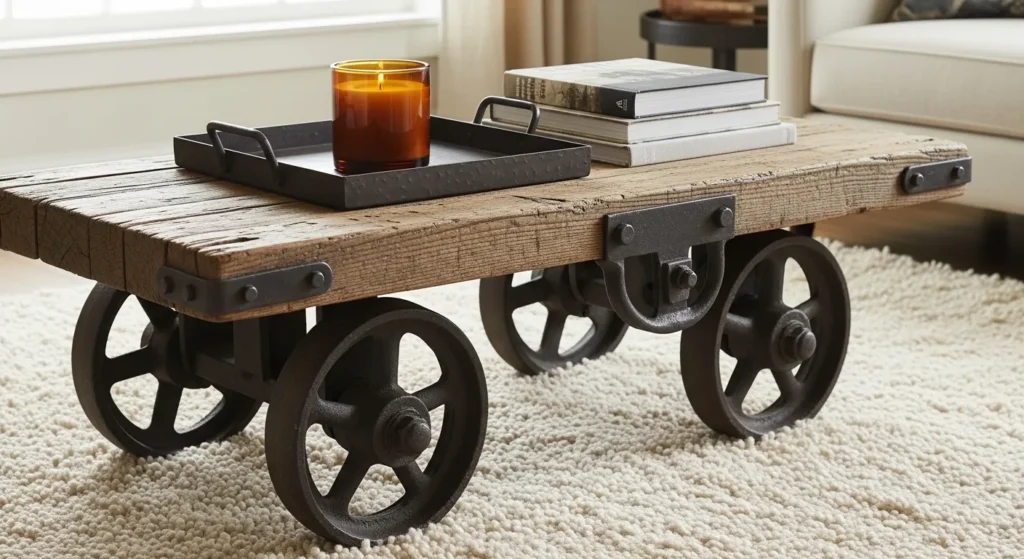
Your coffee table is the center of the room and provides a unique opportunity to incorporate a genuine piece of Western history into your modern home design. Look for an old factory cart with heavy iron wheels or a low wooden sled that has been repurposed with a thick glass top or a sanded wood surface. The heavy industrial hardware and weathered timber add a sense of scale and “soul” that a brand-new, mass-produced piece of furniture simply cannot replicate in a room. This “legacy piece” acts as an anchor for the conversation circle and serves as a constant reminder of the frontier’s hardworking past.

12. “Tumbleweed” Sculptural Lighting

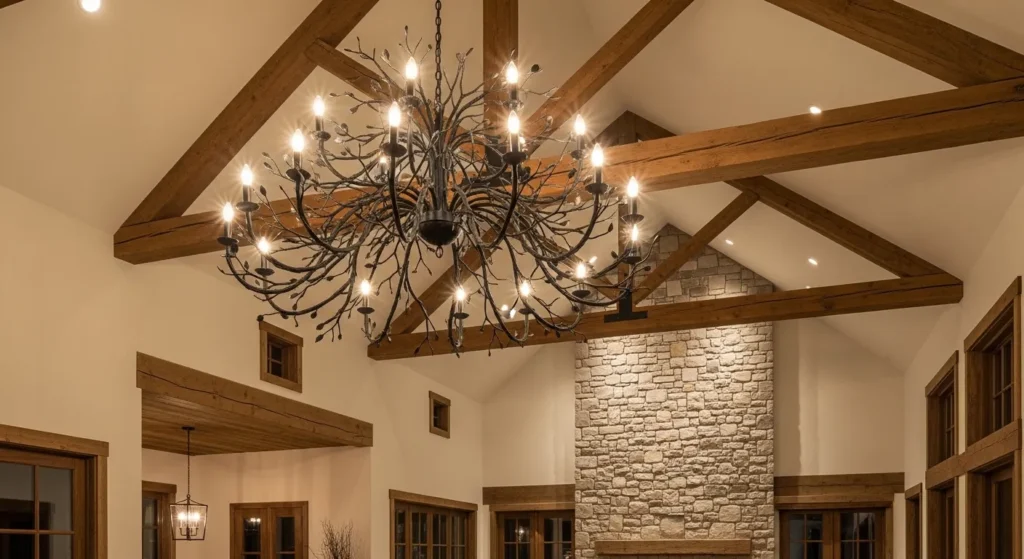
Lighting in a farmhouse should feel like it was either forged by a blacksmith or found in the natural environment surrounding the ranch during a long walk. Choose a Branch Chandelier made of dark iron or an oversized cluster of amber glass pendants that mimic the organic shapes of the high-desert landscape. When illuminated, these fixtures create a beautiful “dappled” light effect on the walls, similar to the sun shining through the branches of a mesquite tree. This sculptural approach to lighting ensures that your fixtures are just as beautiful during the day as they are functional and atmospheric when the sun goes down.

13. Roman Clay or Plaster Walls

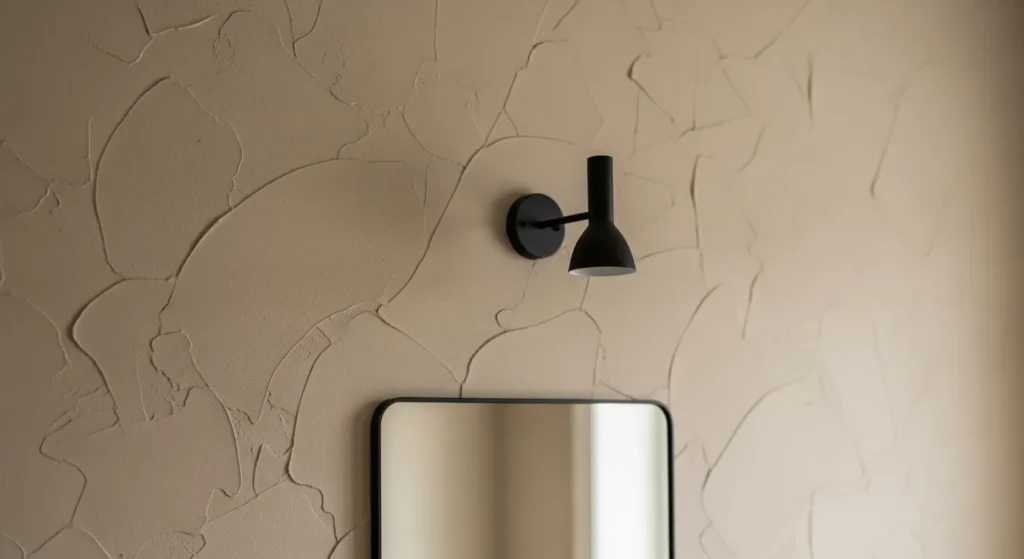
Say goodbye to flat, sterile drywall and embrace the ancient textures that define the historic adobe and farmhouse structures of the American West and Southwest regions. Use a Roman Clay or Lime-wash finish in a soft “Sand” or “Pumice” tone to give your walls a subtle, suede-like movement that catches the light beautifully. These finishes add a sense of “thickness” and history to the walls, making even a new construction home feel like it has stood for a hundred years. The organic variations in the plaster provide a soft, artistic backdrop that enhances the warmth of the leather and the wood elements.

14. The Oversized “Horizon” Mirror

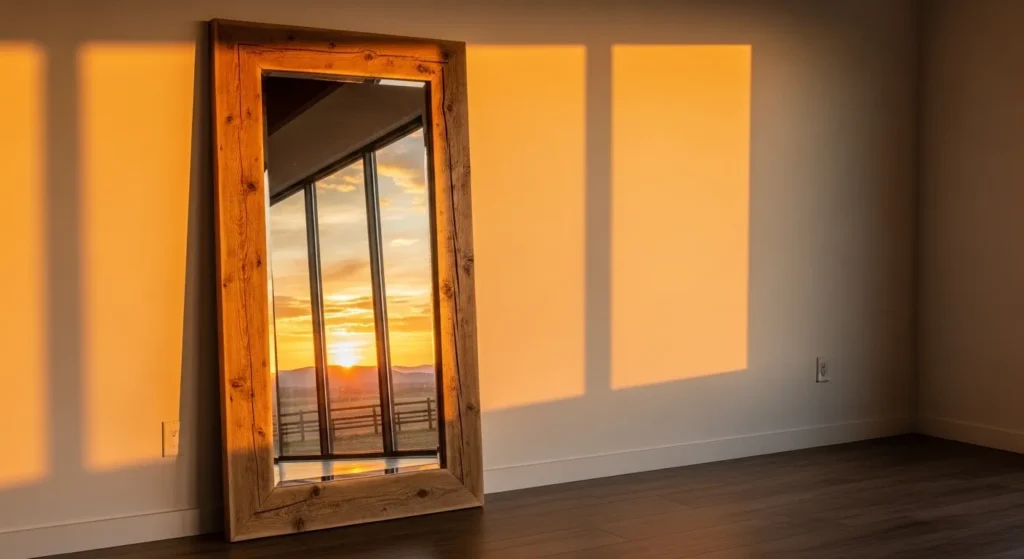
Western design is fundamentally about the relationship with the horizon and the feeling of expansive, open space that defines the great American outdoors and ranch life. Place a seven-foot-tall mirror with a wide, hand-hewn rustic wood frame directly opposite your largest window to “capture” the outdoor view and pull it inside. This visual trick doubles the natural light in the room and makes a compact living area feel like an open, airy part of the surrounding landscape. The mirror itself becomes an architectural feature that reflects the wood beams and stone walls, creating a sense of infinite depth and sophisticated style.

15. The Indoor-Outdoor “Adirondack” Transition

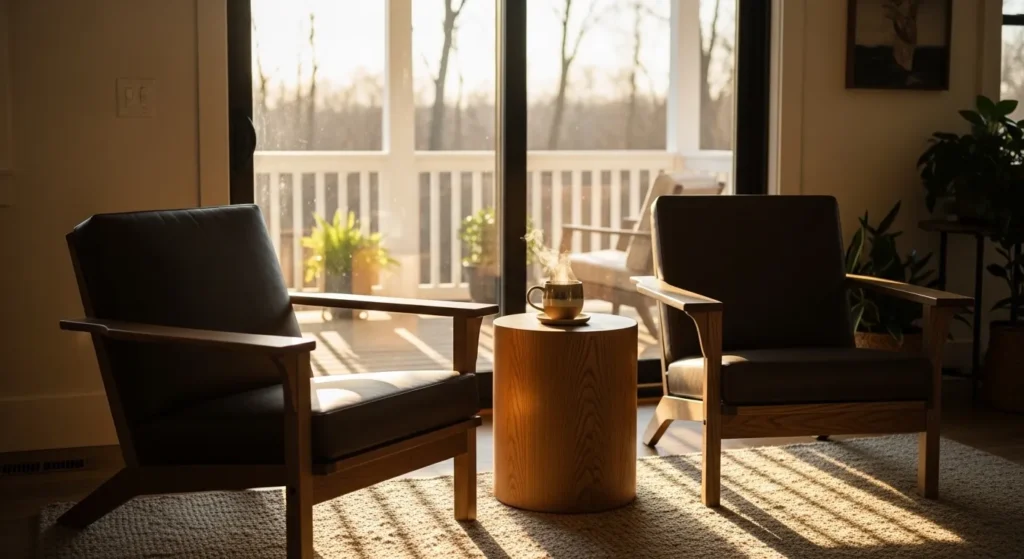
Adirondack chairs are a staple of the farmhouse porch, but in a Western Farmhouse, they are brought inside to create a relaxed and unconventional seating area for guests. Choose Leather-upholstered Adirondack chairs in a rich chocolate brown to place in a sunny corner or near the fireplace for a slouchy, comfortable vibe. These chairs break up the formality of a standard sofa arrangement and signal that the room is a place for true relaxation and long, slow conversations. Their low profile and wide armrests make them the perfect spot for resting a drink or a book while enjoying the room’s warmth.

16. Cacti and Desert Greenery

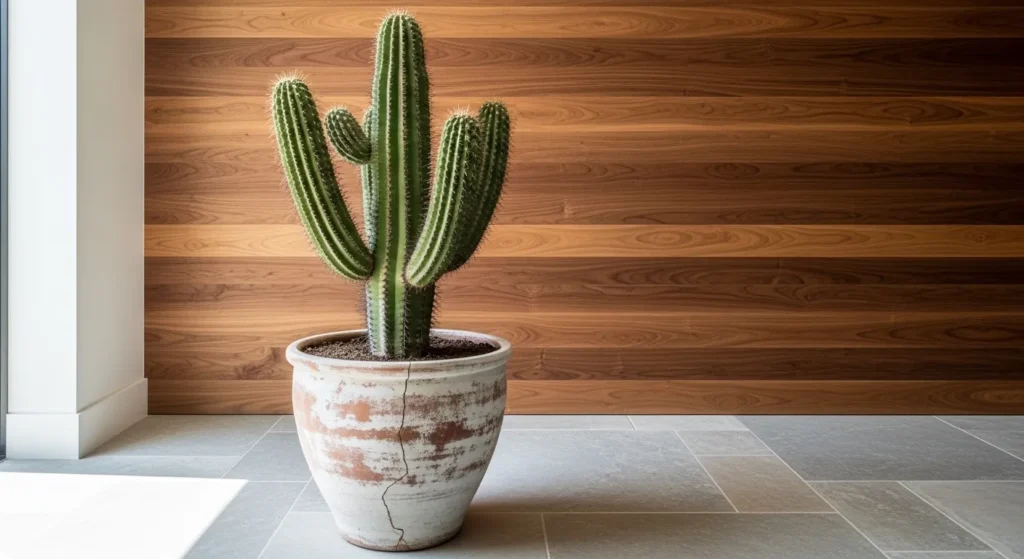
Traditional indoor plants like ferns or palms often look out of place in a rugged Western setting, so you should choose greenery that reflects the desert. A tall Saguaro or Prickly Pear cactus in an oversized, weathered terracotta pot adds a “Pop of Life” that feels authentic to the American Western landscape. Position these structured plants in a sun-drenched corner or next to a reading chair to introduce a natural, sculptural element that requires very little maintenance over time. Greenery is essential for softening the hard edges of stone and wood, and cacti provide a unique, architectural silhouette that fits the theme perfectly.

17. Warm Metals: Aged Copper and Brass

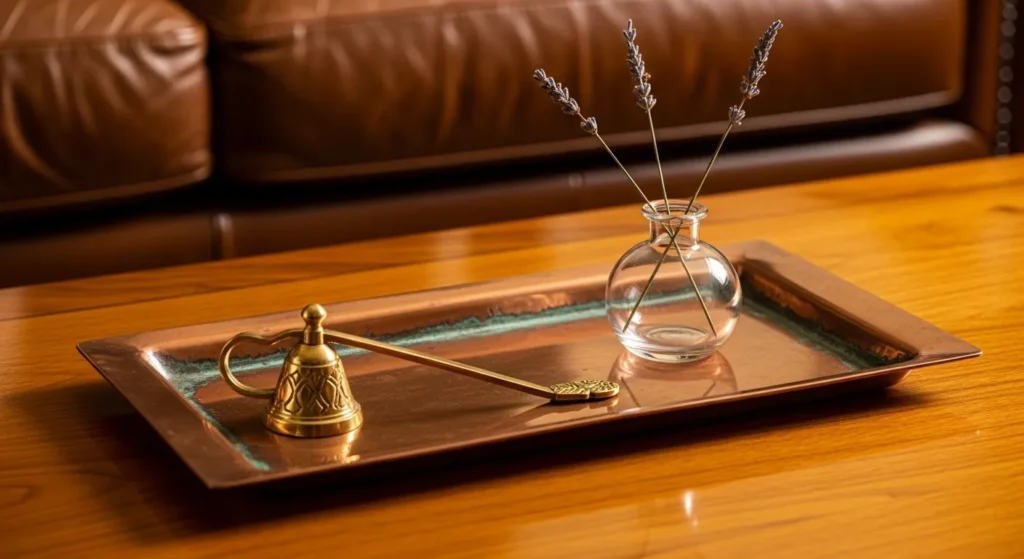
Cool chrome and polished silver can feel clinical and cold, so a Western Farmhouse relies on “Warm Metals” that glow when hit by sunlight or firelight. Incorporate Aged Copper trays for the coffee table and Brushed Brass hardware for your built-in wardrobes and library lights to add a touch of sophisticated luxury. These metals develop a natural patina over time, shifting from bright highlights to deep, rich tones that harmonize perfectly with the cognac leather and walnut woods. This “sparkle” is what elevates the room from a simple rustic cabin to a high-end, professionally designed modern farmhouse sanctuary.

18. The Built-in “Window Nook”

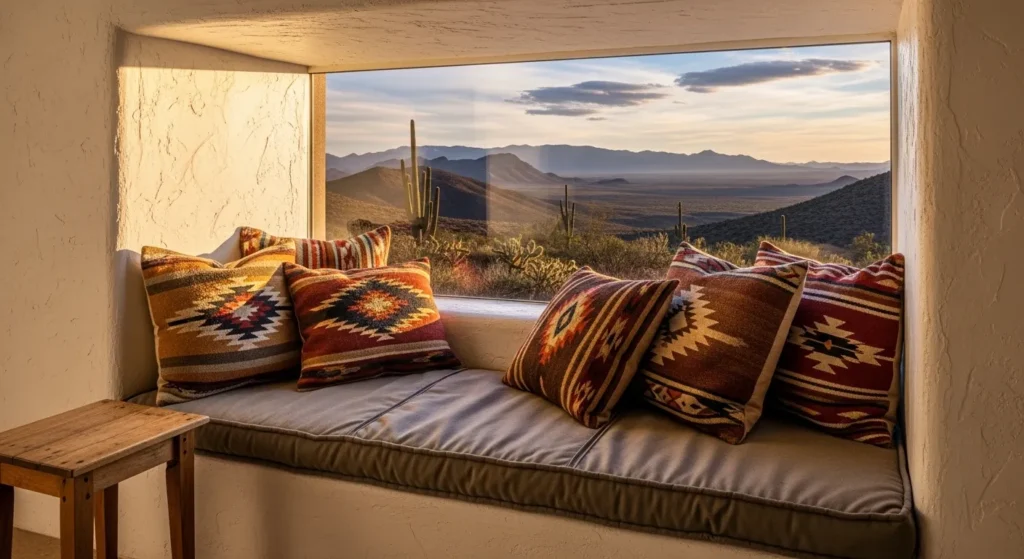
If your home has thick walls, you have the perfect opportunity to carve out a dedicated “Window Nook” that serves as a private retreat within the living room. Design a Built-in Window Seat with a heavy-duty canvas or leather cushion and a stack of textured Navajo-patterned pillows for maximum comfort and rustic style. This architectural feature creates a direct connection to the outdoors, making it the perfect “collected” spot for enjoying a morning coffee while watching the sun rise. A small, round wooden side table placed nearby provides a convenient spot for a book, making this nook a highly functional part of the home.

19. “Saw-Mark” Furniture Finishes

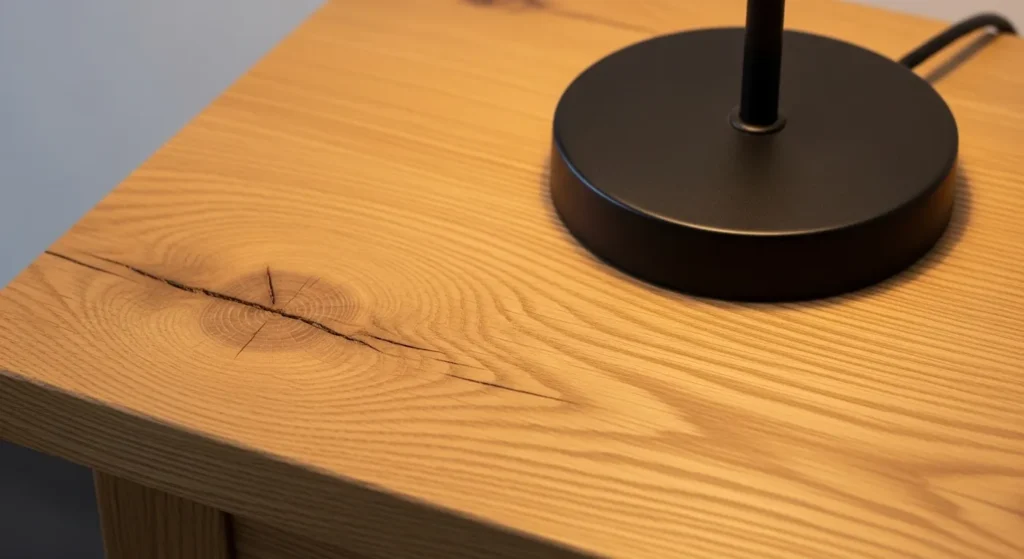
When selecting new wood furniture for your living room, look for pieces that celebrate the “scars” of the milling process rather than hiding them under thick lacquer. Furniture that shows circular saw marks, wire-brushing, or distressed edges has a tactile quality that makes each piece feel hand-crafted on a ranch rather than mass-produced. These textures catch the light and add a layer of physical history to the room, ensuring that every table and chair has its own unique story. This focus on “honest materials” is the foundation of the Western aesthetic, prioritizing the raw beauty of nature over artificial perfection.

20. The Sensory Final Touch: Scent

A truly successful design engages all the senses, and the scent of a room is often the most powerful tool for creating a lasting emotional connection. Complete your Western Farmhouse transformation by using high-end candles or diffusers with deep, woody notes of Cedarwood, Tobacco Leaf, Sandalwood, and Smoked Leather. These aromas evoke the feeling of an evening spent by a campfire or inside a historic ranch house, rounding out the immersive experience for you and your guests. When the visual, tactile, and olfactory elements are all in perfect harmony, your living room becomes a truly unforgettable and inviting western retreat.

Final Design Philosophy

The Western Farmhouse is a style defined by Confidence and Permanence. It doesn’t apologize for its rugged textures or its heavy materials; instead, it celebrates the history of the American frontier through a modern lens. By focusing on the “Background Architecture”—the built-in wardrobes, the masonry focal walls, and the structural timber beams—you create a home that feels like it has a soul. This masterclass approach ensures that every element, from the leather sofa to the brass picture lights, works together to create a space that is both functional and deeply beautiful for generations to come.

Similar Posts

Leave a Reply

Your email address will not be published. Required fields are marked *