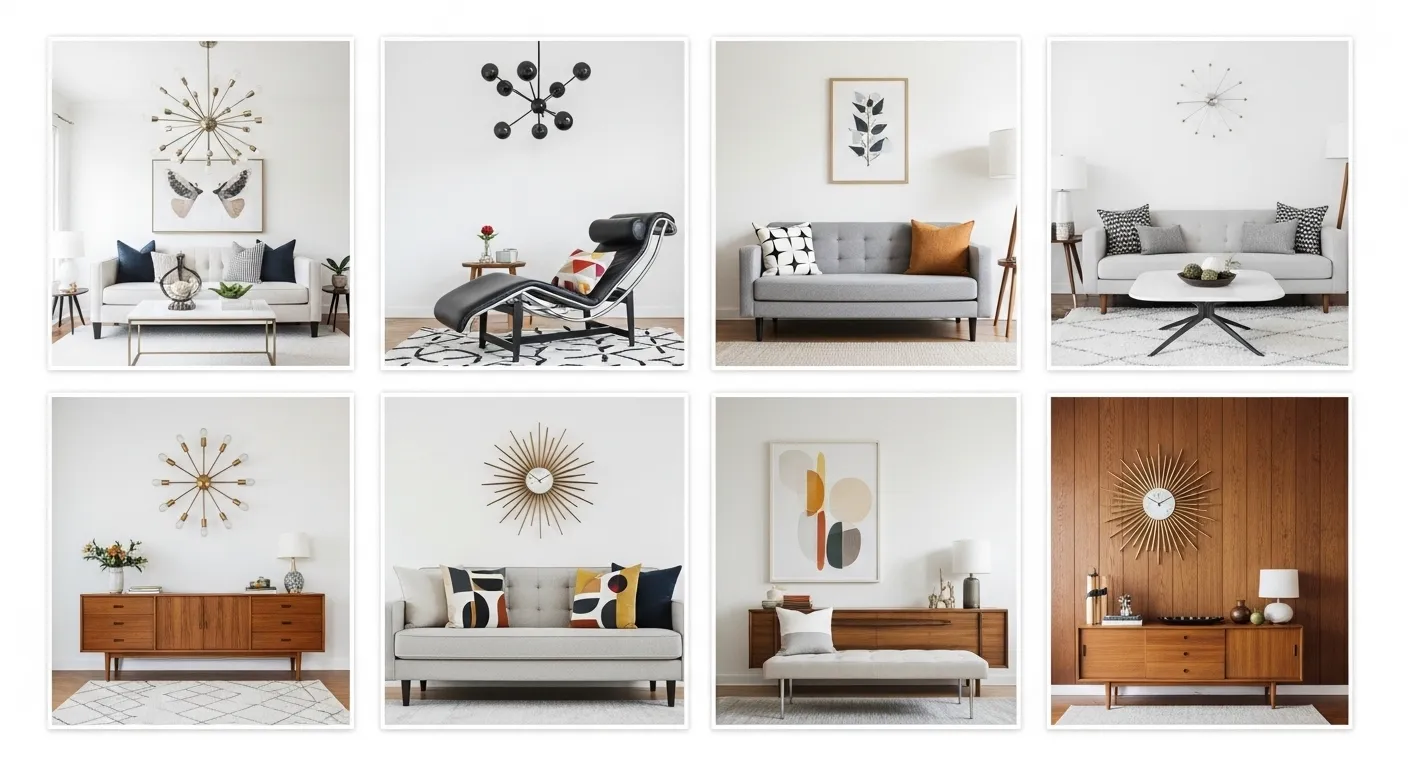
Mid-century modern style still feels fresh after decades. Clean lines and warm wood never go out of date.
These mid-century modern living room ideas cover furniture, color, and layout. Each one is simple to try. Pick the ideas that fit your space.
Anchor the Room with a Low-Profile Sofa
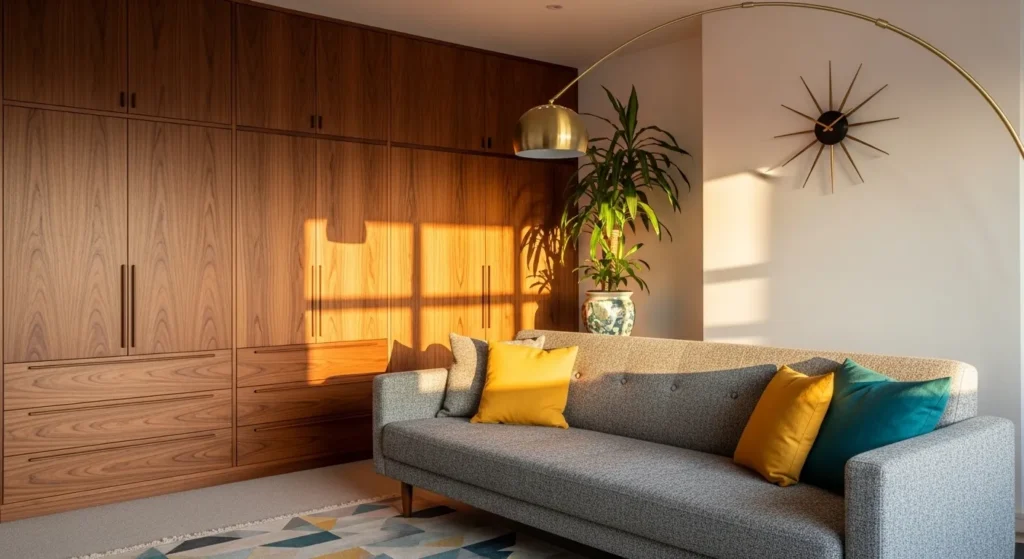
A low-profile sofa is the heart of a mid-century room. Its clean lines set the tone for the whole space.
Keep the back low and the legs tapered. This classic shape never feels heavy.
Let the sofa face the main view. Everything else can arrange around it.
Best for: rooms that need a calm centerpiece.
Introduce Walnut as the Primary Wood Tone
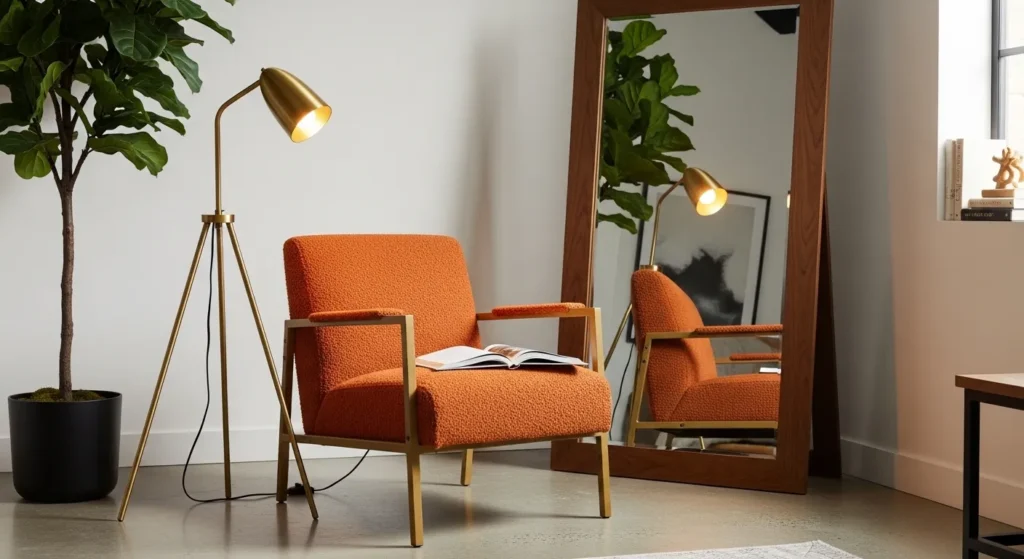
Walnut wood gives this style its warm glow. The rich brown tone feels timeless.
Use walnut for one or two key pieces. A coffee table or sideboard is enough.
Repeat the tone in small details. Matching legs tie the room together.
Best for: rooms that want natural warmth.
Incorporate a Muted Retro Color Palette
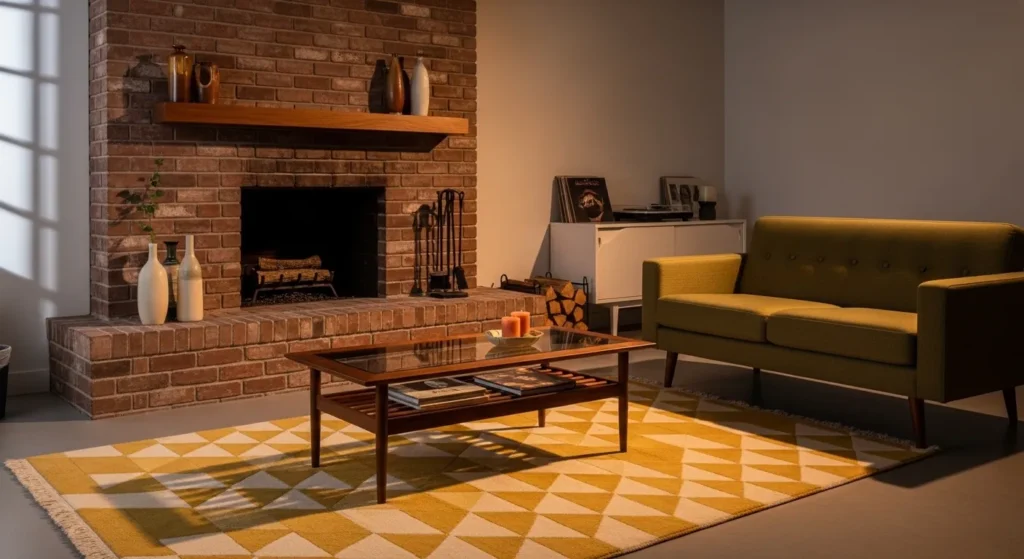
Muted mustard, olive, and rust define this look. They feel retro without being loud.
Keep the base neutral with white or beige. Add retro color in small doses.
Cushions and art are easy to swap. Start small and build from there.
Best for: neutral rooms that need retro color.
Add a Sculptural Accent Chair
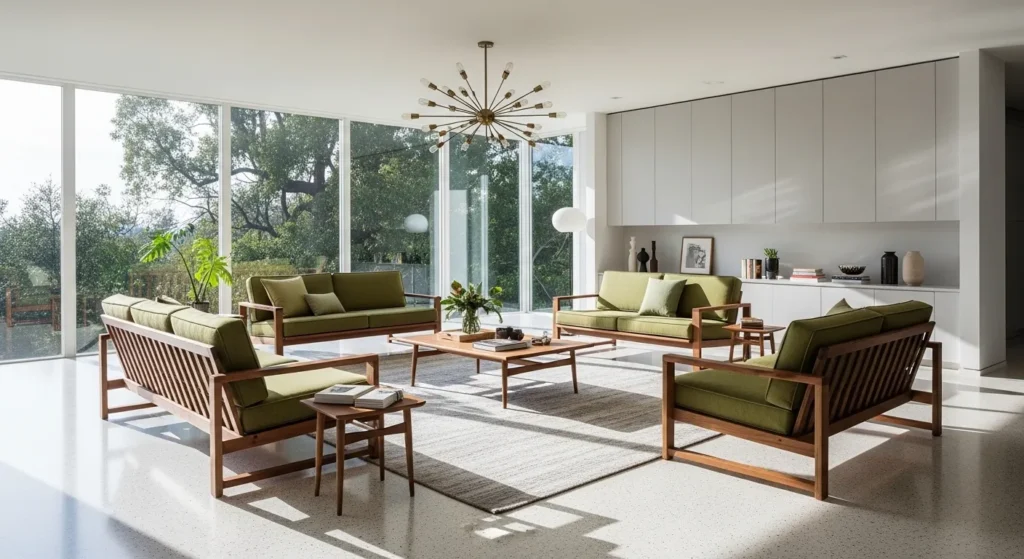
A sculptural chair doubles as art. Curved lines catch the eye at once.
Place it where it gets noticed. Near a window or beside the sofa works well.
Keep the fabric simple. The shape should be the star.
Best for: plain corners that need interest.
Install a Statement Starburst Clock
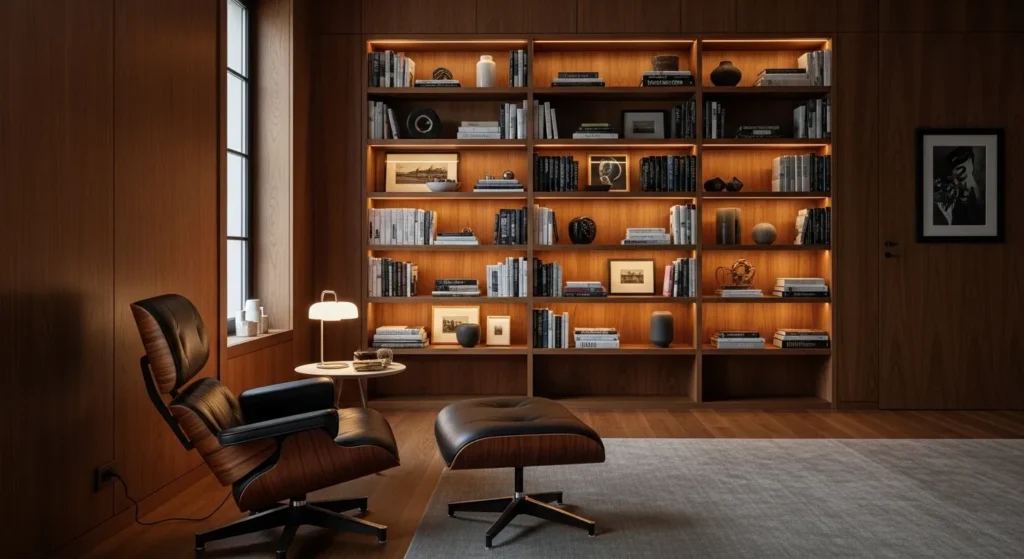
A starburst clock is pure mid-century charm. It adds instant retro character.
Hang it on the main wall. One statement piece is enough per room.
Keep nearby decor minimal. The clock should lead the wall.
Best for: blank walls that need retro flair.
Choose Functional and Sculptural Lighting
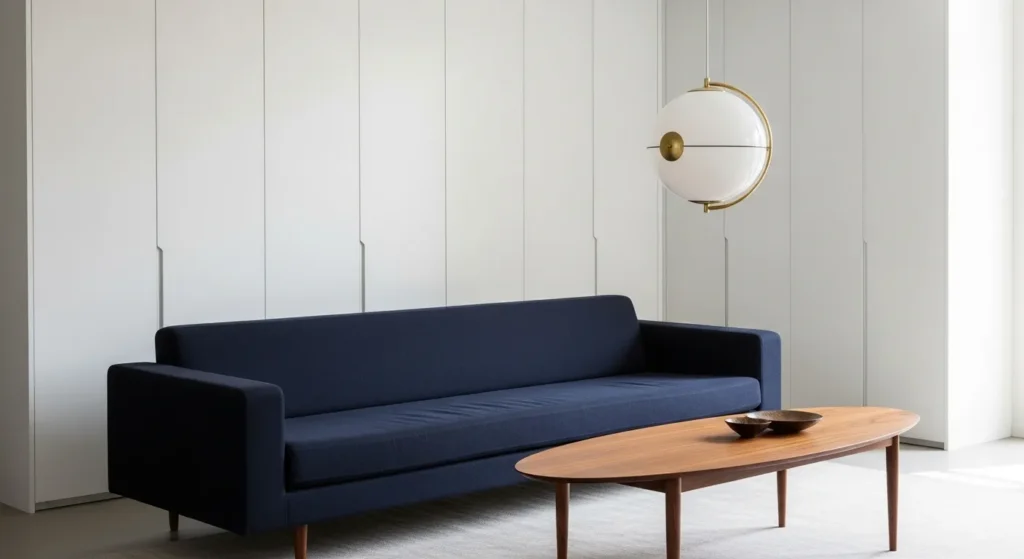
Mid-century lighting is both useful and sculptural. Tripod lamps are a classic pick.
Add a globe pendant over the seating area. Round shapes soften straight lines.
Use warm white bulbs. They keep the retro mood soft.
Best for: rooms that need stylish light.
Select a Minimalist Media Console
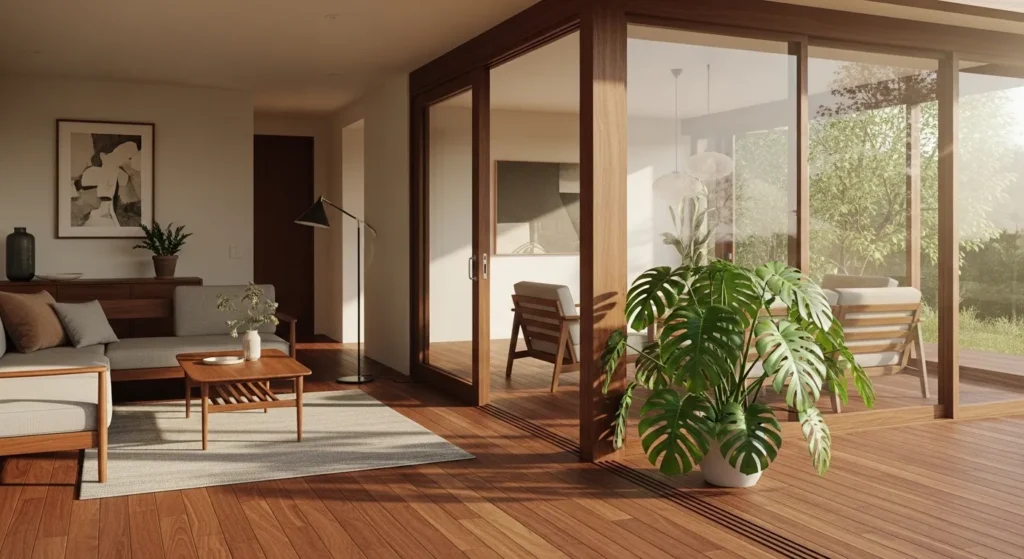
A low media console hides tech clutter. Sliding doors keep the front clean.
Tapered legs lift it off the floor. The room feels more open below.
Style the top with one plant and one book. Less is more here.
Best for: media walls that need tidy storage.
Use Geometric Patterns Carefully
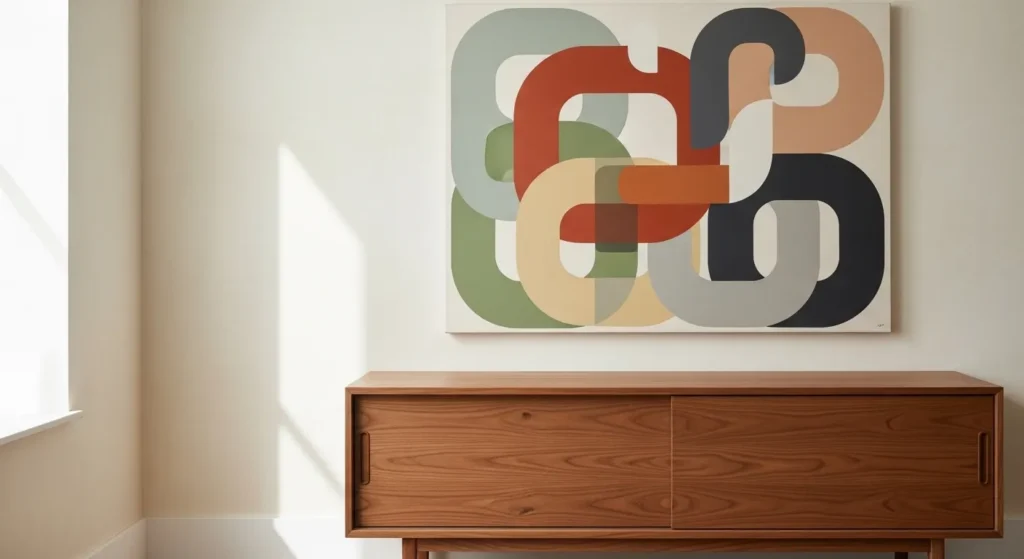
Geometric patterns add retro energy. Use them in small doses only.
A rug with simple shapes works well. Keep colors muted to match.
Let one patterned piece lead. The rest should stay solid.
Best for: plain floors that need pattern.
Maintain an Open and Airy Layout
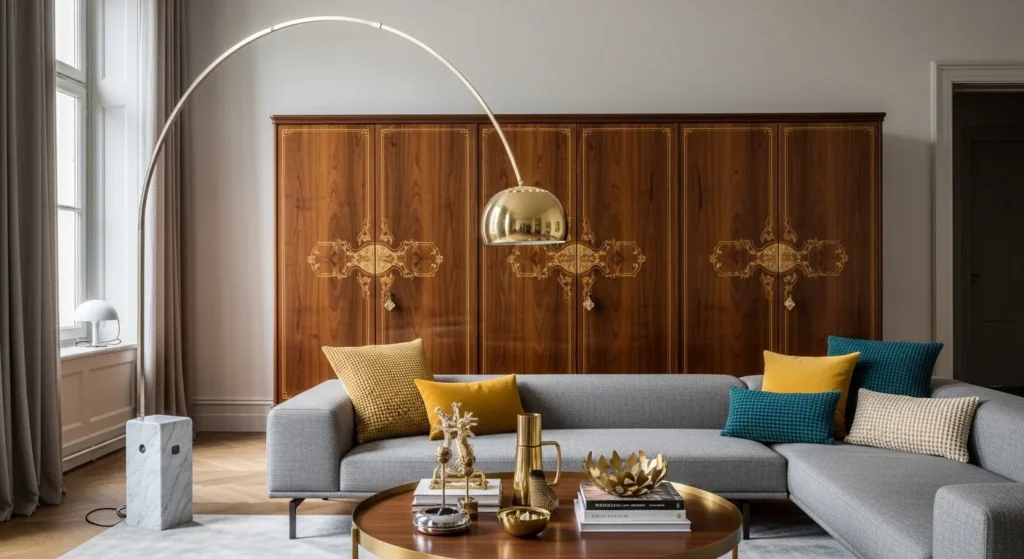
Mid-century rooms feel best when open. Float furniture away from walls.
Keep paths clear between pieces. The room should breathe.
Choose low-profile seating throughout. High backs can block sight lines.
Best for: rooms that feel crowded or dark.
Incorporate Tall Indoor Plants
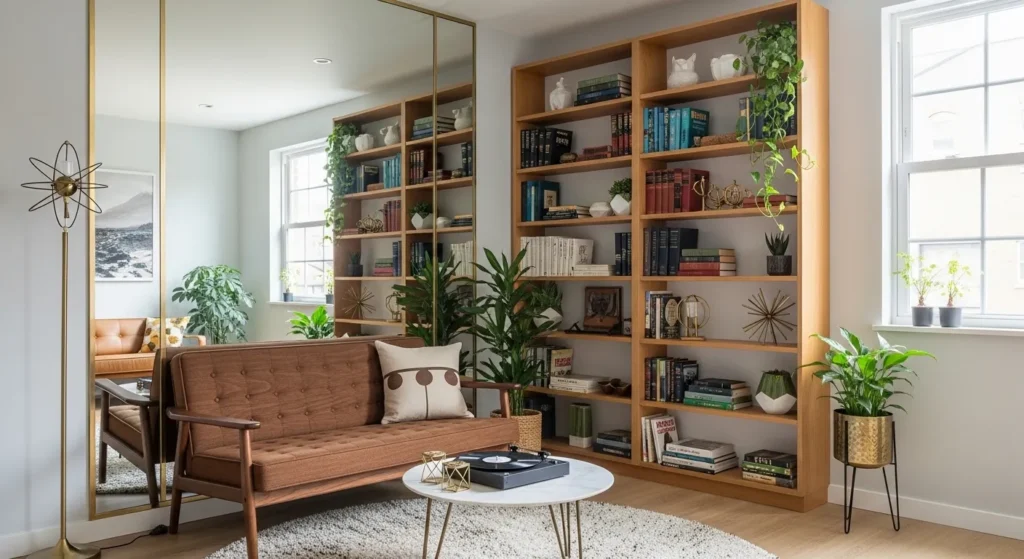
Tall plants soften straight mid-century lines. Green adds life to the retro look.
Place one large plant in a corner. It fills empty vertical space well.
Choose a simple pot. Terracotta or plain white suits this style.
Best for: corners that need soft height.
Highlight Organic Furniture Shapes
Organic shapes balance the straight lines. An oval table feels softer than square.
Look for kidney or round forms. They add gentle movement to the room.
One organic piece per zone is enough. Too many can feel random.
Best for: rooms full of sharp angles.
Keep Window Treatments Simple and Light
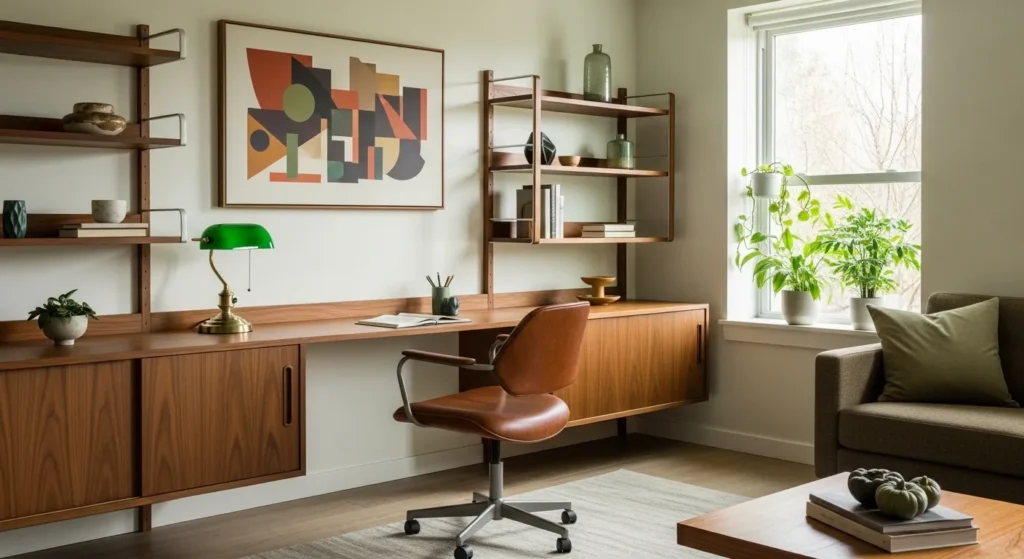
Simple curtains let the light do the work. This style loves bright rooms.
Choose plain linen in white or beige. Skip heavy patterns here.
Hang panels high and wide. Windows look larger at once.
Best for: dark rooms that need daylight.
Add a Functional Sideboard for Storage
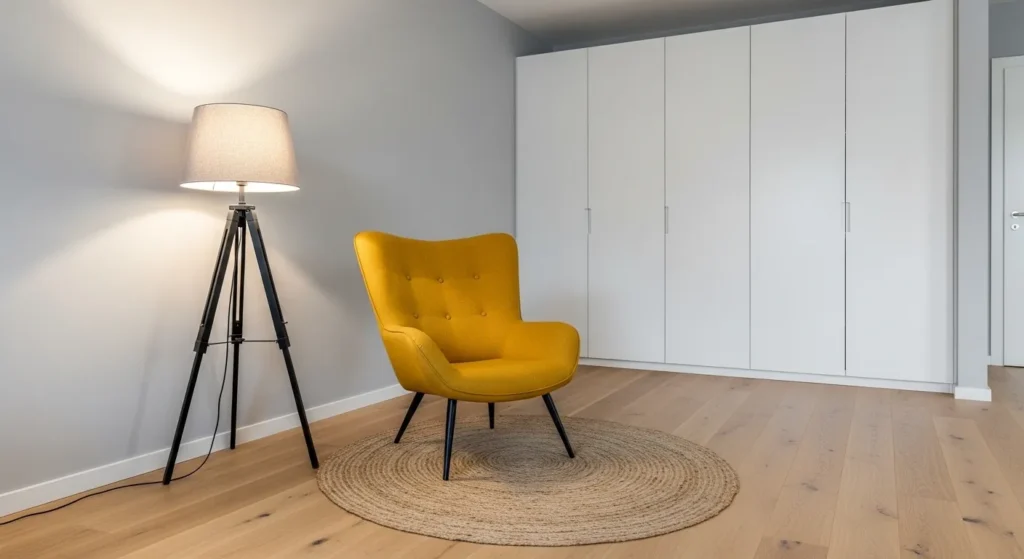
A sideboard hides everyday clutter. It is a storage icon of this era.
Use it along a dining-side wall. It can double as a serving station.
Style the top with restraint. Two or three objects are plenty.
Best for: rooms short on hidden storage.
Introduce Warm Leather Elements
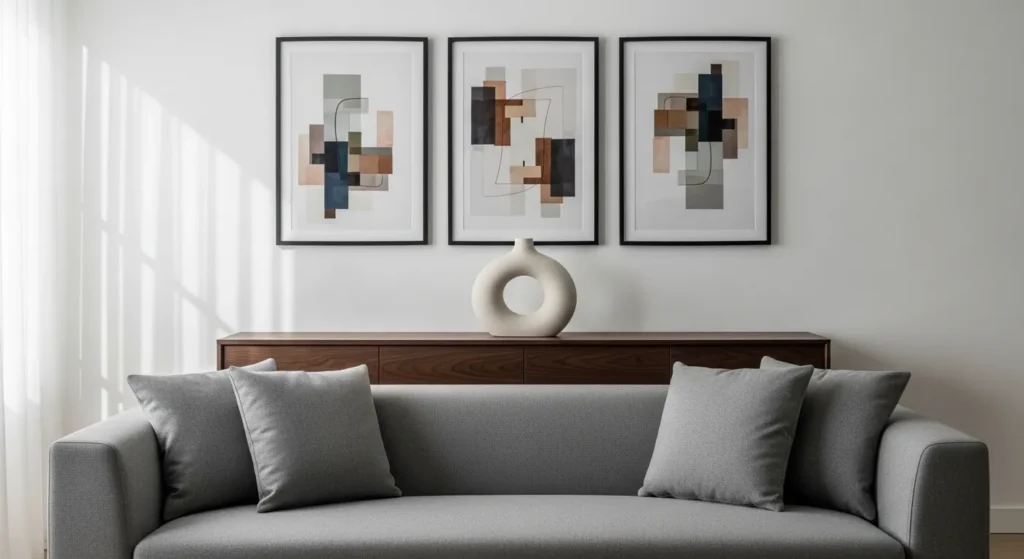
Warm leather adds richness to the room. Cognac tones age beautifully.
One leather chair is enough. It becomes a natural focal point.
Pair it with wood and wool. Natural materials layer well together.
Best for: rooms that need warm texture.
Display Minimalist Wall Art
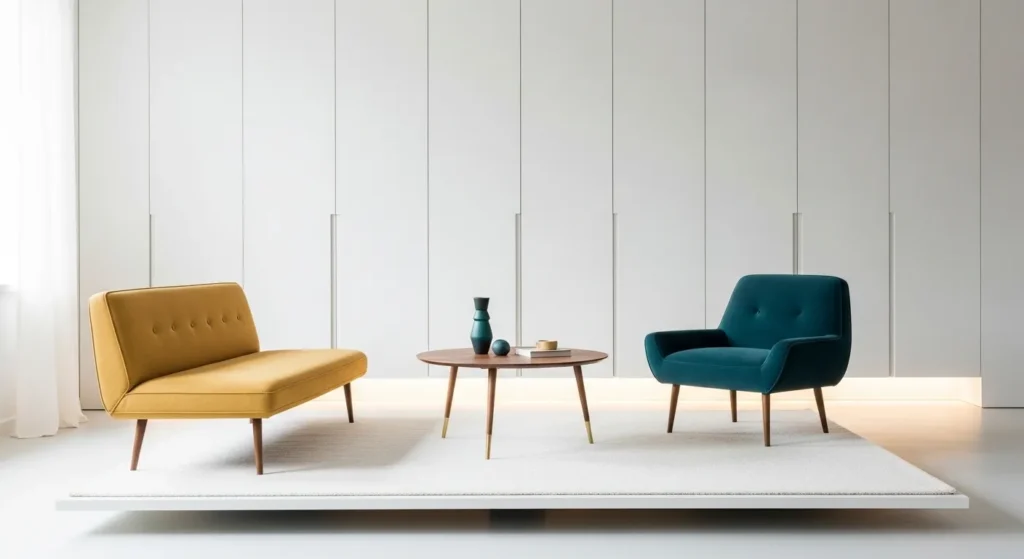
Minimalist art keeps the retro calm. Muted tones suit the palette best.
Choose one large piece over the sofa. It anchors the whole wall.
Simple frames in black or wood work well. The art should speak first.
Best for: bare walls that need quiet art.
Focus on a Sculptural Coffee Table
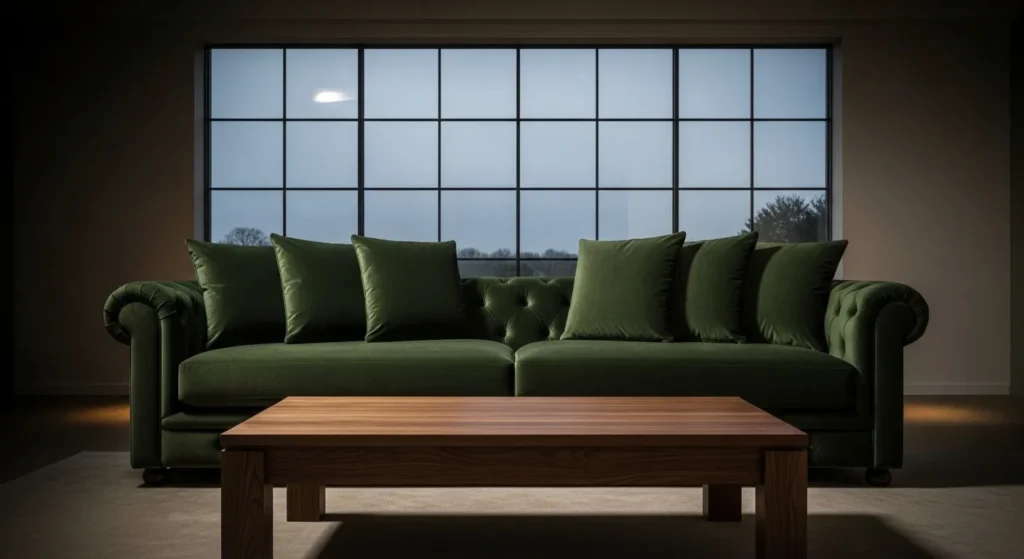
The coffee table is a mid-century centerpiece. Make it sculptural.
Look for interesting legs or a bold shape. It should draw the eye.
Keep the tabletop mostly clear. One tray is enough styling.
Best for: seating areas that need a hero piece.
Layer Textures Without Overdecorating
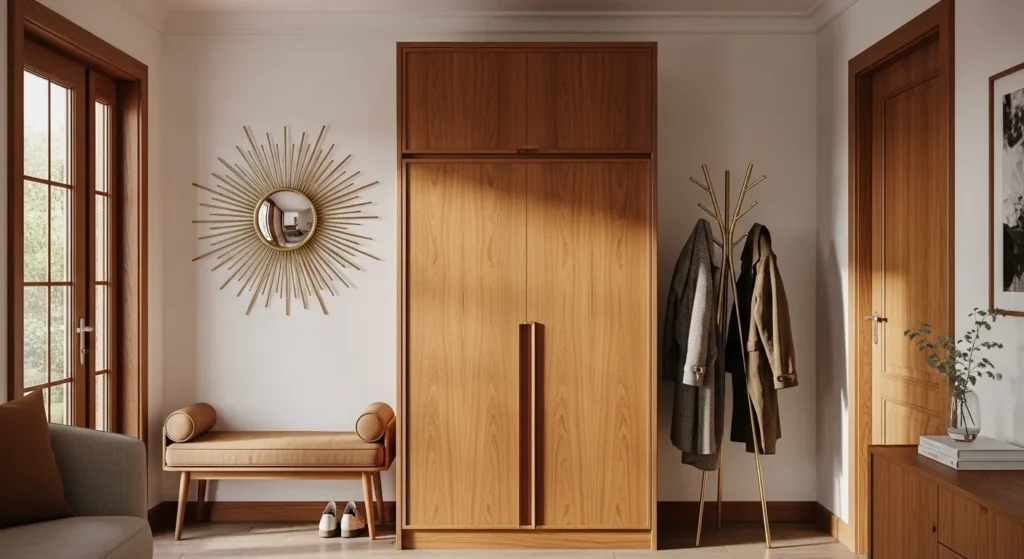
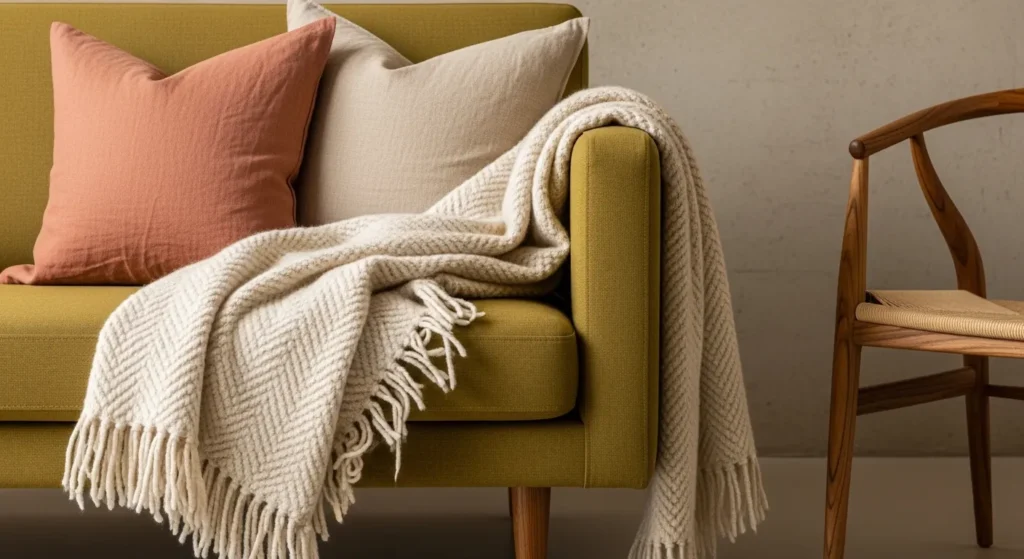
Texture adds depth without clutter. Layer wool, linen, and wood.
Keep the palette tight while mixing materials. Contrast comes from touch, not color.
A throw and two cushions are enough. Restraint keeps it timeless.
Best for: minimal rooms that feel flat.
Create a Dedicated Reading Nook
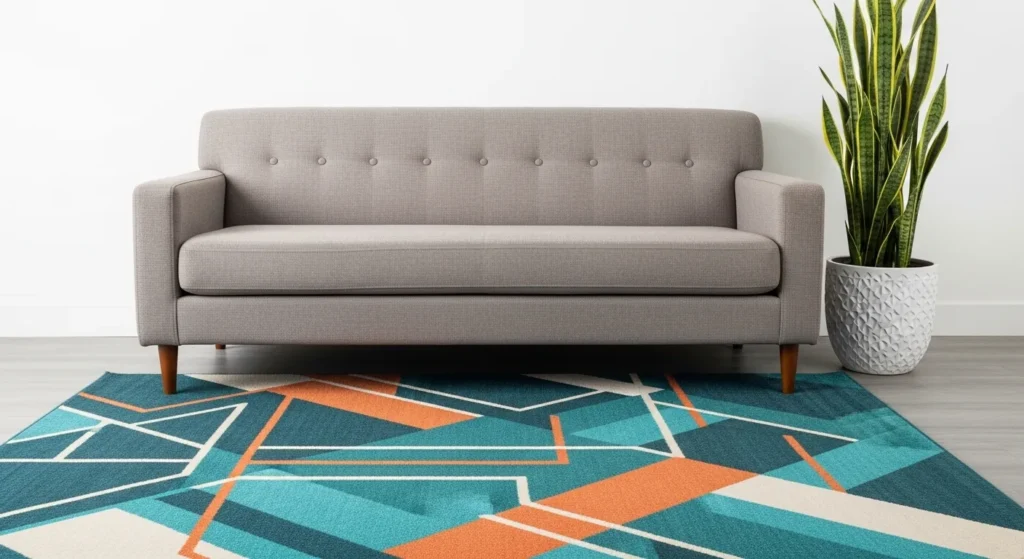
A reading nook gives the room purpose. One chair and a lamp are enough.
Place it near a window for daylight. Add a small side table too.
Choose a chair with good back support. Comfort matters most here.
Best for: quiet corners with good light.
Respect Proportion and Scale
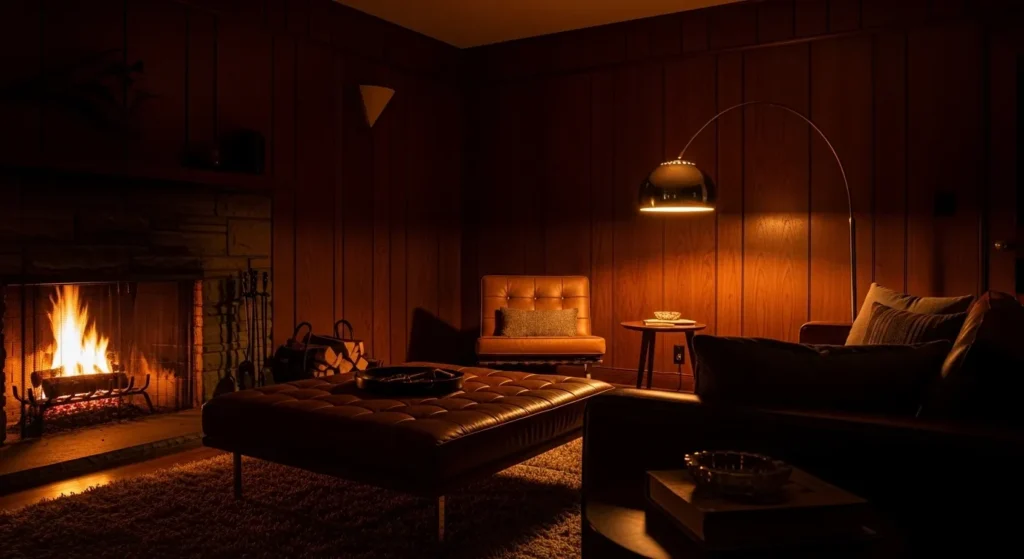
Scale matters more than style. Oversized pieces crush a small room.
Measure before you buy. Leave breathing room around each piece.
Match furniture size to the room. Balance keeps the look calm.
Best for: small or awkward rooms.
Keep Surfaces Clean and Intentional
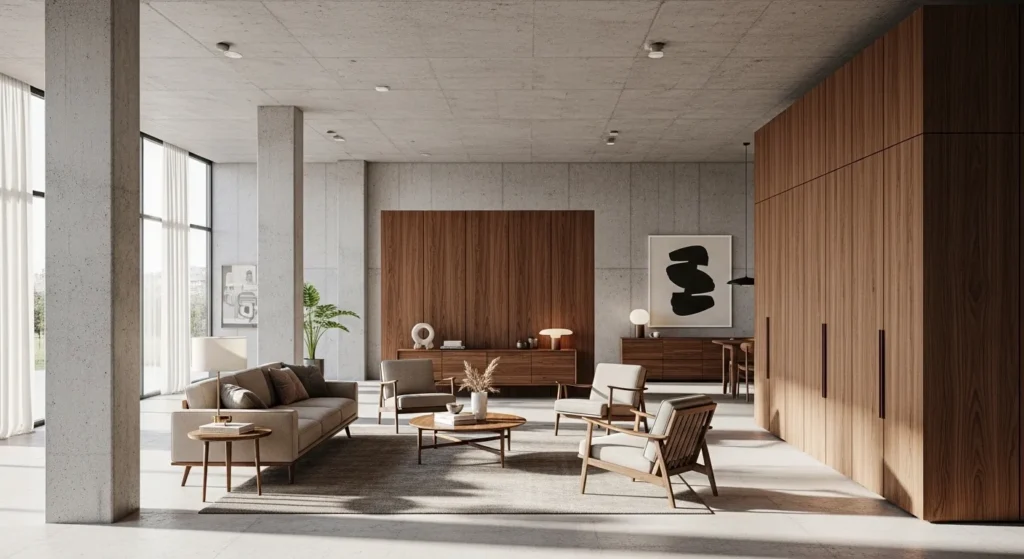
Clean surfaces are the timeless finish. Every object should earn its place.
Clear tables weekly and edit often. Less on display looks richer.
Keep one beautiful object per surface. Intention beats abundance.
Best for: cluttered rooms that need calm.
Style Your Living Room with Timeless Mid-Century Charm
The best mid century modern living room ideas fit your space and your taste. Start with the sofa and the wood tone, then layer from there.
For more ideas, browse our timeless home decor inspiration and see these grey sofa living room ideas.