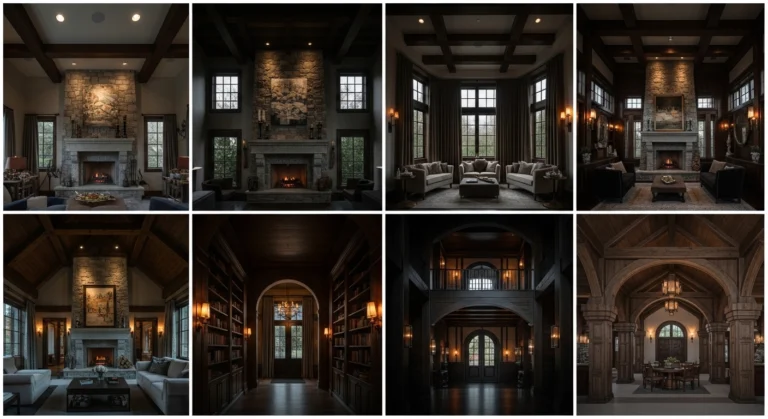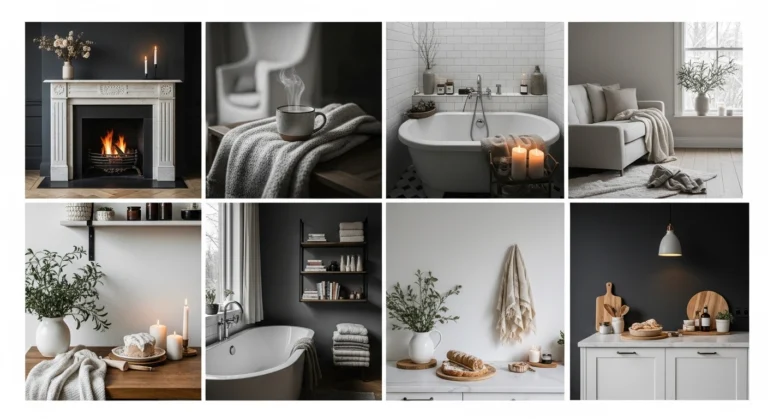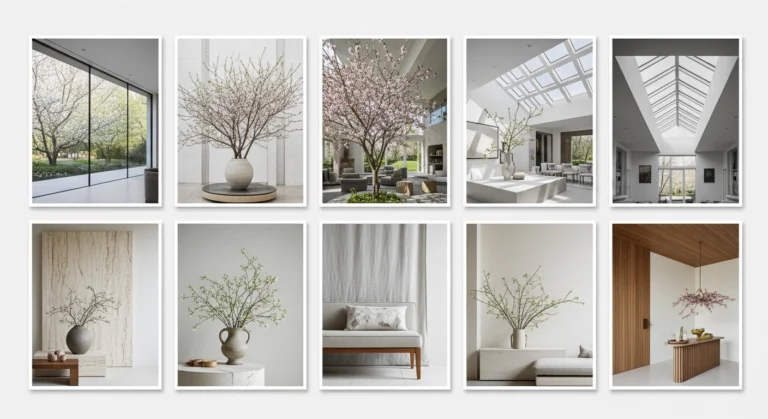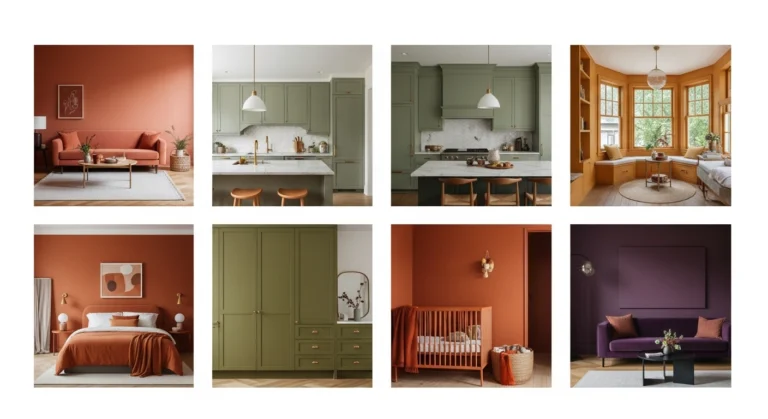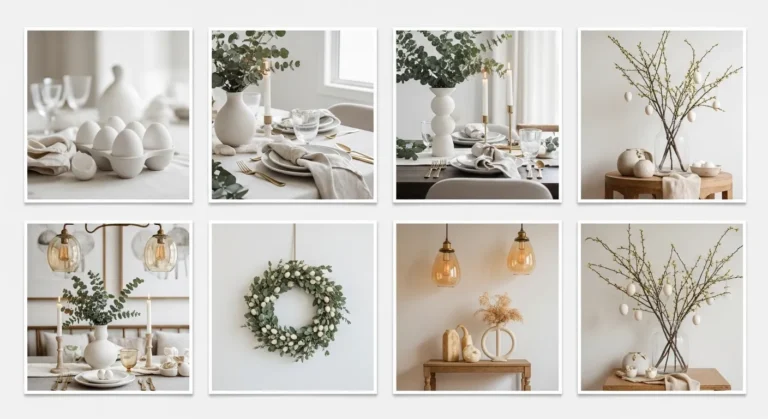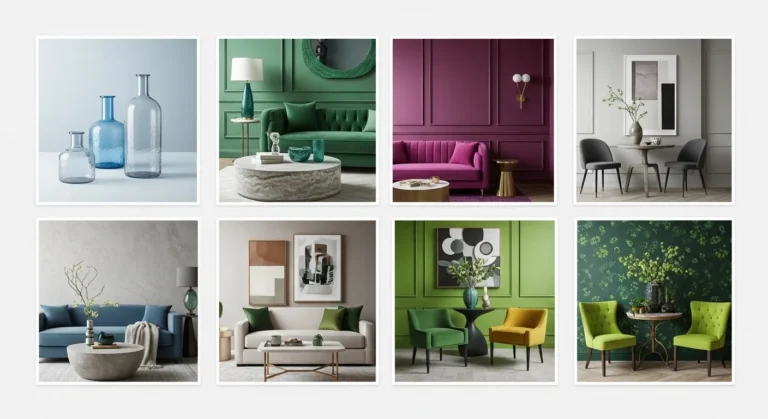
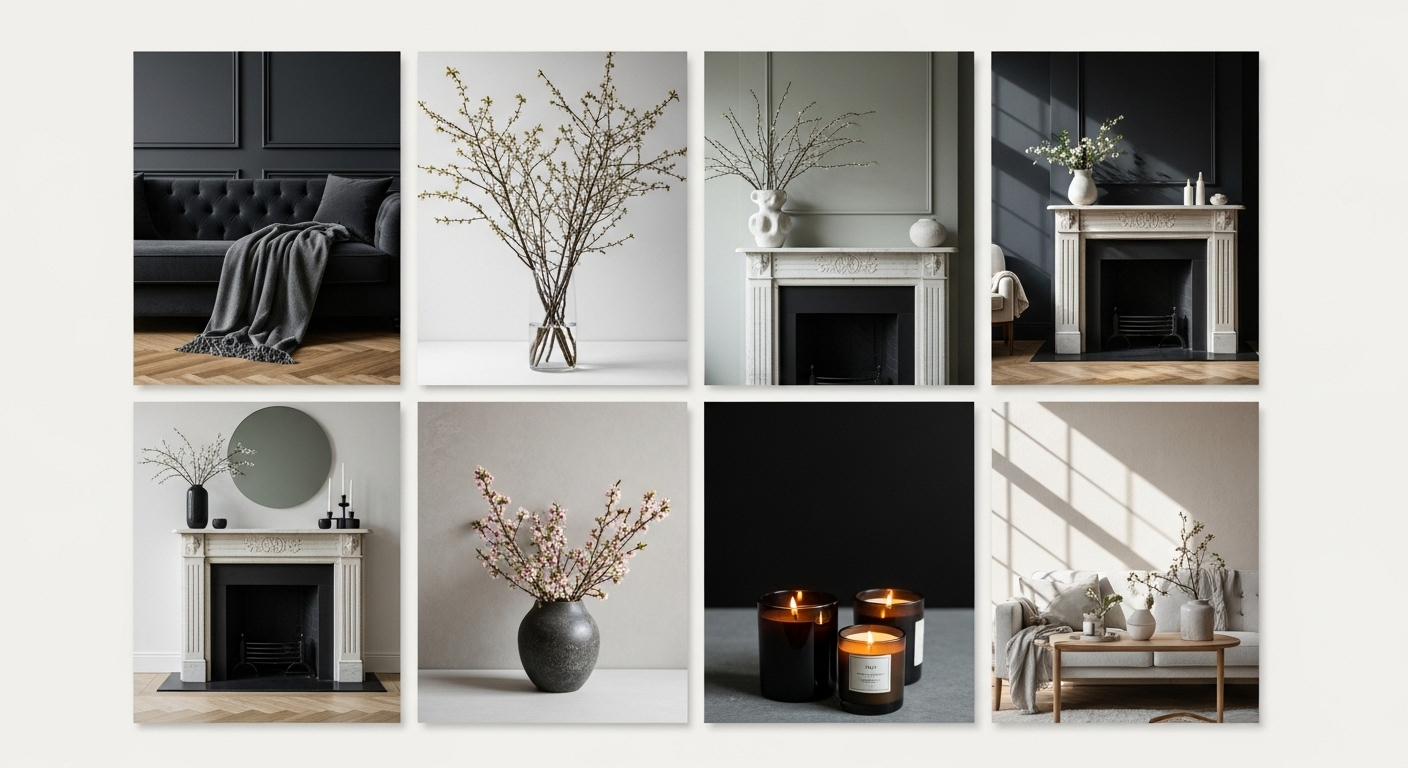
The process of transitioning winter-to spring decor is a sophisticated architectural evolution that moves your home from a state of “Hibernation and Weight” to one of “Airy Optimism and Light.” In 2026, this seasonal shift is no longer about a superficial swap of accessories; it is an intentional refinement of your “Background Architecture”. By utilizing the permanent bones of your home—seamless built-in wardrobes, Roman clay plaster walls, and exposed hand-hewn timber beams—you can facilitate a transition that feels structurally sound and visually silent. A successful shift requires balancing the lingering need for cozy comfort with a high-intent focus on “Natural Light and Openness.” This masterclass guide will lead you through 25 strategic steps, emphasizing the use of high-end materials like walnut, stone, and linen, anchored by sensory details like fresh pomegranates in wooden boxes and the singular elegance of a long-stemmed flower in a half-filled glass.
1. Final Touches That Make Your Home Feel Ready for Spring
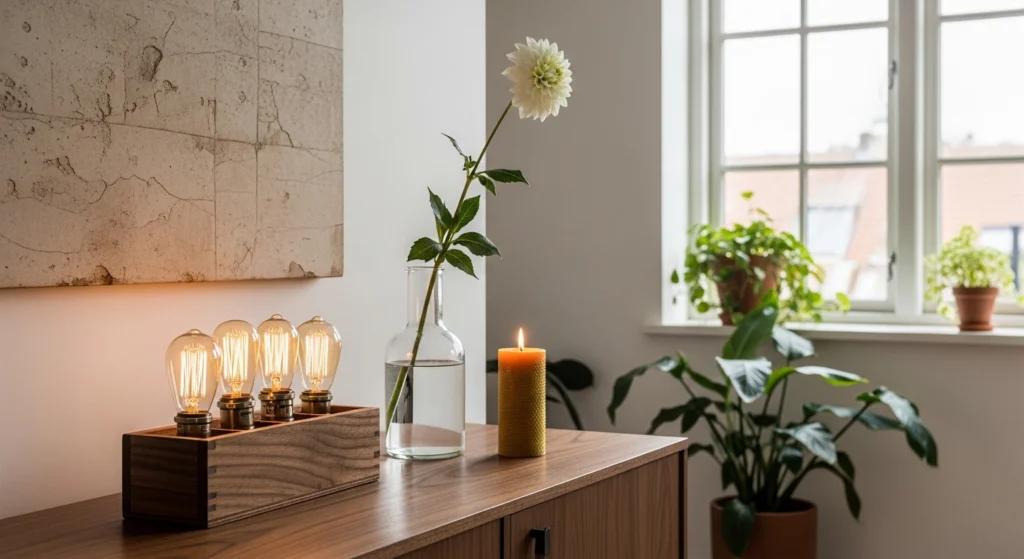
The transition begins with the “Final Touches” that signal the arrival of a new season through “Active Decor.” Instead of simply removing winter items, replace them with objects that have an architectural weight and a fresh, organic soul. Consider a rustic wooden box holding a few specialized bulbs placed on a walnut sideboard, or a single glass half-filled with water with a long-stemmed white dahlia on the mantel. These elements act as sensory anchors, bridging the gap between the indoors and the blossoming world outside. By focusing on these high-intent details, you ensure that the home doesn’t just look different, but feels “Clean and Calm,” reflecting a lifestyle of curated sophistication and seasonal renewal.
2. Let Natural Light Lead the Seasonal Shift
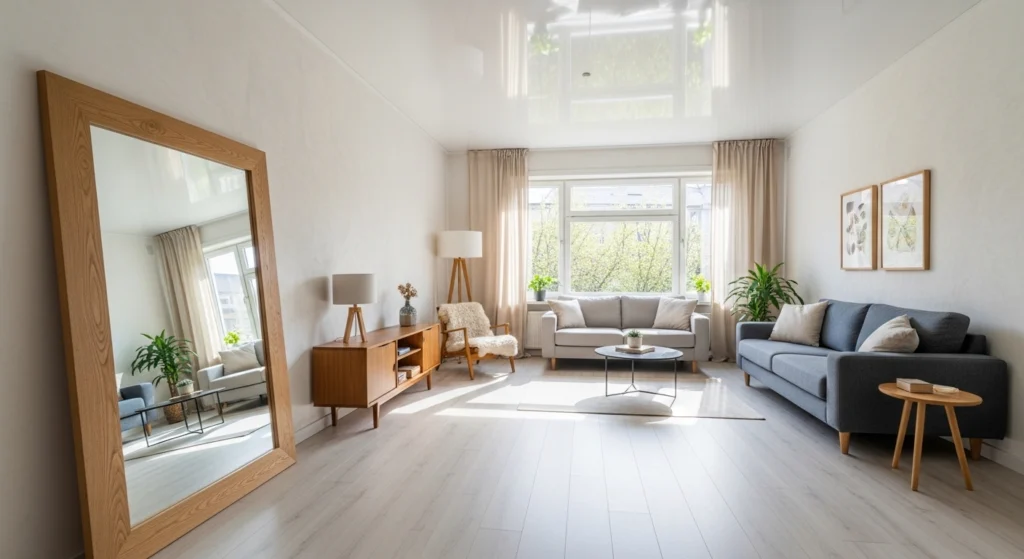
Natural light is the primary architect of the spring transition, and your first task is to maximize its presence within your “Visual Volume.” During winter, we often retreat behind heavy drapes, but spring demands a “Sun-Washed” clarity that highlights the texture of your Roman clay walls and the grain of your timber beams. High-reflective white ceilings and large-format mirrors should be utilized to bounce this new light into every dark corner, erasing the shadows of the previous season. This shift in illumination instantly makes the home feel more expansive and optimistic, providing a “Glowy” foundation for the rest of your design choices. It is a commitment to “Airy Simplicity” where the sun itself becomes a structural element of the room.
3. Layer in Fresh Greenery for an Effortless Spring Refresh
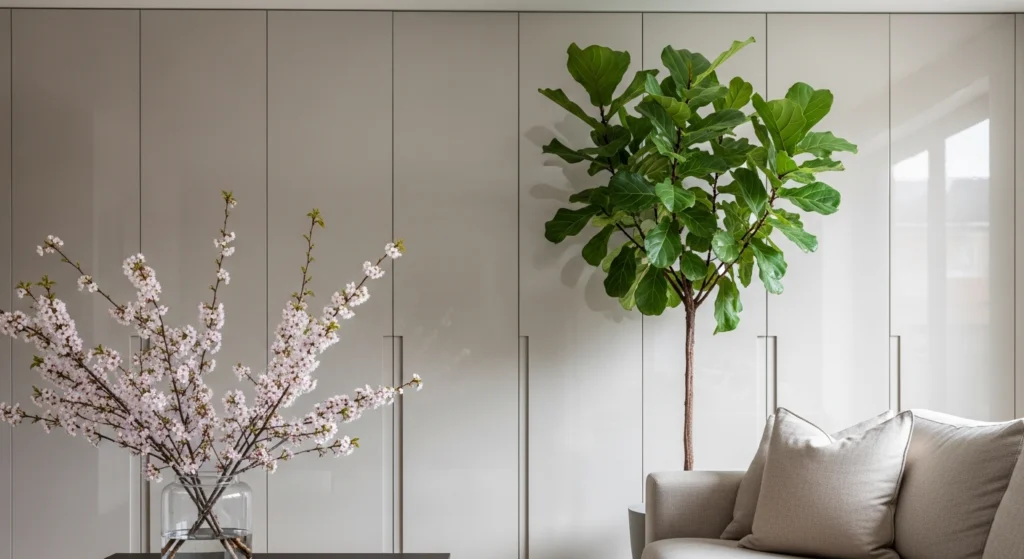
Nothing facilitates the move from winter to spring more effectively than the strategic layering of “Fresh Greenery” as a living architectural element. We move away from the dense evergreen boughs of the cold months and toward the structural beauty of a single long-stemmed monstera leaf or a branch of flowering cherry blossoms. Place these in clear glass vases half-filled with water to celebrate the transparency and freshness of the season. This biophilic approach ensures the home feels “Collected and Creative,” where the plants are treated as art rather than mere filler. Position large-scale plants, like a tall fiddle-leaf fig, near your built-in wardrobes to create a “Soft Soul” contrast against the hard, seamless lines of the cabinetry.
4. Soften Winter Layers with Lighter Spring Touches
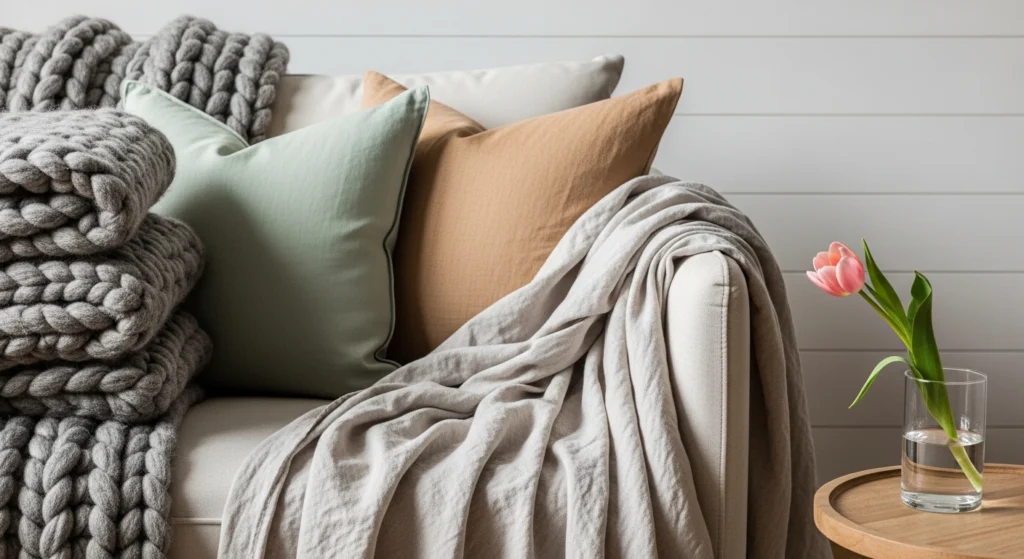
Transitioning is an exercise in “Textural Subtraction”—gradually removing the heavy, dark winter layers and replacing them with lighter, spring-ready touches. Swap out the chunky wool throws for lightweight linen blankets in a pale oatmeal or bone hue, and trade velvet cushions for silk-linen blends in shades of sage and sand. This prevents the room from feeling “cold” during the early spring weeks while still providing a noticeably “Clean and Calm” visual reset. The goal is to maintain a sense of “Warm Modern” comfort while introducing a breezier, more optimistic energy. These subtle textile swaps add “Micro-Shadows” to your furniture, creating depth and tactile luxury without the visual weight of winter materials.
5. Balance Cozy Textures with Spring-Ready Neutrals
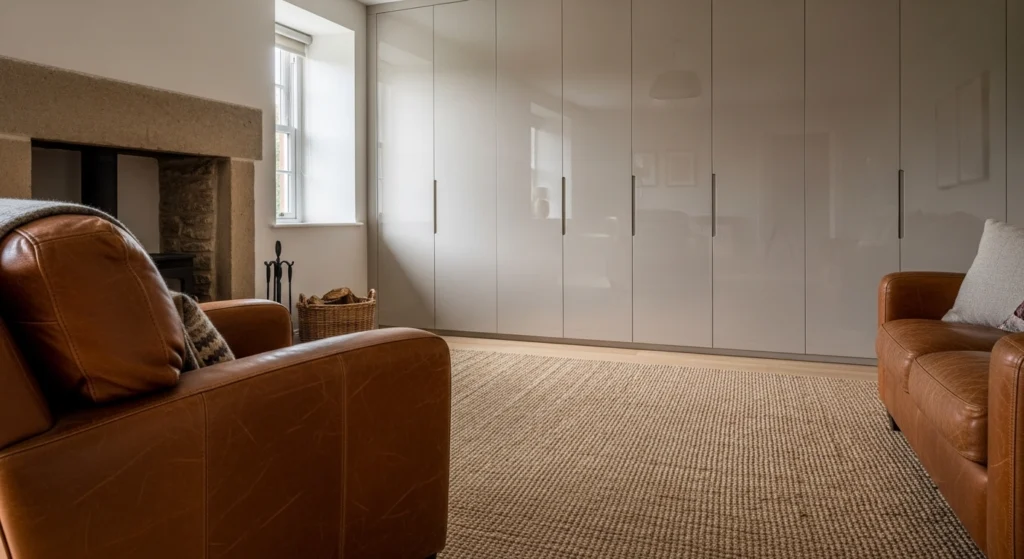
The most sophisticated transitional homes master the balance between the lingering need for “Cozy Comfort” and the desire for a “Spring-Ready” aesthetic. We achieve this by grounding the room in a monochromatic palette of neutrals—mushroom, sand, and parchment—that bridge the gap between seasons. A large jute rug provides an earthy, grounded foundation, while a cognac leather armchair adds a “Collected” sense of history and warmth. By utilizing a “Background Architecture” of seamless built-in wardrobes in a matching neutral lacquer, you create a serene environment where light and texture can play. This disciplined approach ensures the room feels cohesive and architecturally sound, avoiding the jarring transitions of typical seasonal decorating.
6. Make Simple Swaps for a Noticeable Seasonal Transformation
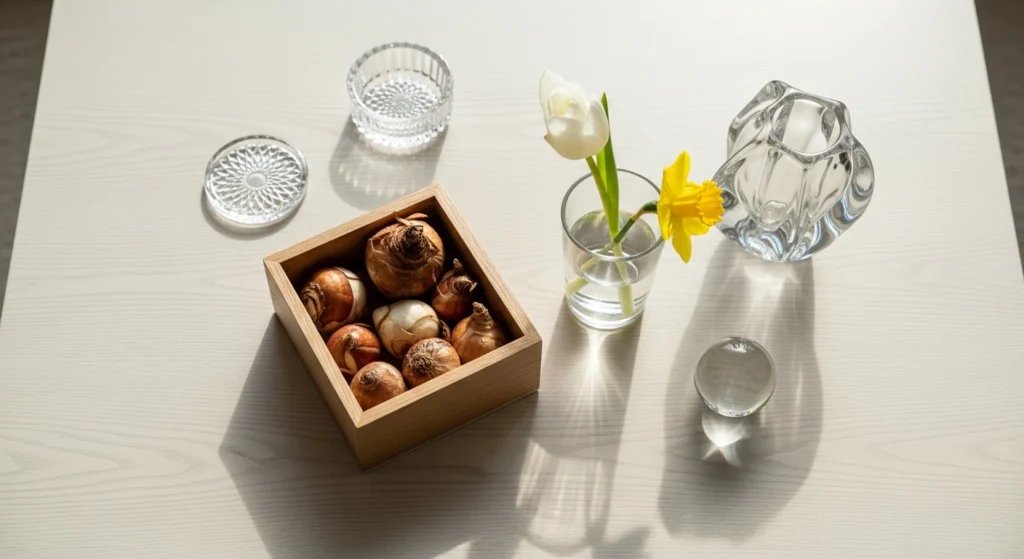
A noticeable transformation doesn’t require a total overhaul; it relies on “Zero-Waste Geometry” and intentional swaps that alter the room’s energy. Replace the heavy winter candles with slow-burning beeswax pillars and trade dark stoneware for clear glass and light-oak trays. These simple changes allow the spring light to pass through objects rather than being absorbed by them, instantly lightening the “Visual Volume” of the space. On the coffee table, a wooden box of specialized bulbs and a glass half-filled with water with a single flower serve as a minimalist focal point. These swaps reflect a high-end designer’s eye, focusing on the quality of light and the honesty of materials to signal the change of season.
7. Bringing It All Together: A Thoughtful Transition
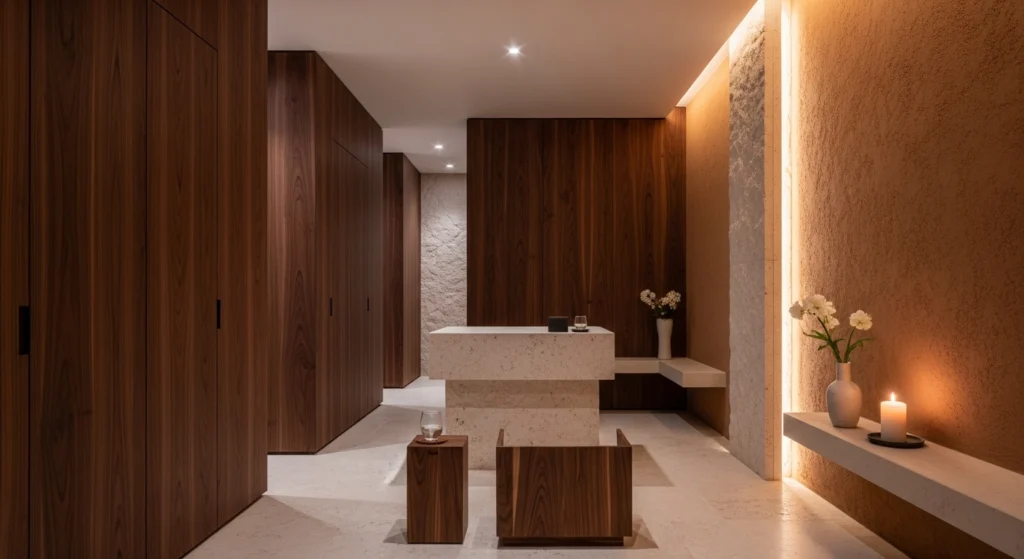
A “Thoughtful Transition” is one that treats the entire home as a unified sanctuary rather than a collection of disparate rooms. We maintain a “Unified Thread” through the use of consistent high-end materials like walnut, stone, and Roman clay, ensuring the transition feels deliberate and architecturally integrated. Every zone in the house should feature a sensory anchor—the soft glow of “Layered Lighting,” the scent of fresh florals, and the presence of natural wood. This “Collected and Creative” philosophy ensures that the shift from winter to spring feels organic and deeply personal. It is a celebration of “Visual Silence” and refined design, where the home evolves in harmony with the natural cycles of the year.
8. Refresh Everyday Surfaces with Simple Spring Styling
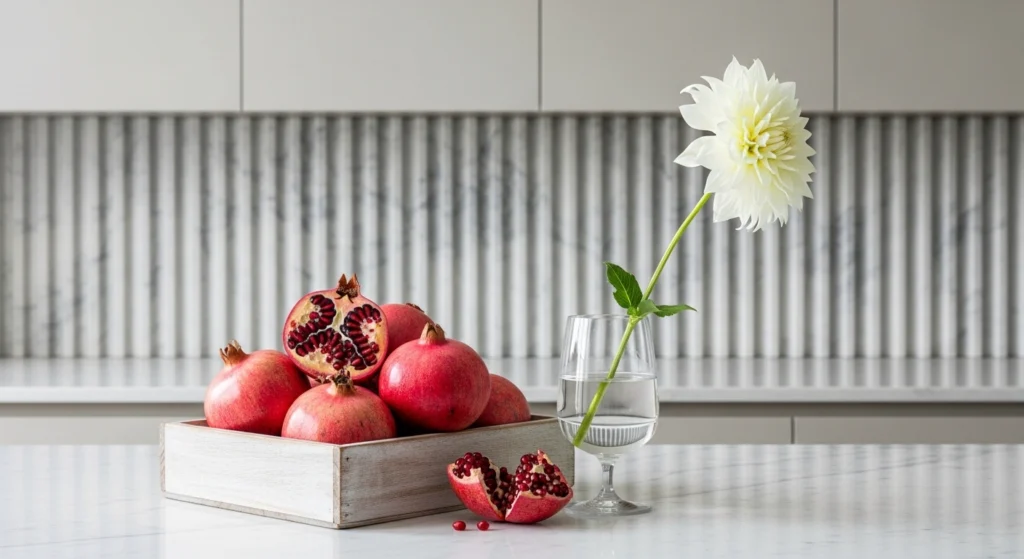
Everyday surfaces, like the kitchen island and side tables, should be the first to reflect the “Spring Reset” through minimalist, active decor. Clear away the heavy clutter of winter and replace it with a single, clean vignette: a wooden box of fresh spring pomegranates, a glass half-filled with water, and a single long-stemmed white dahlia. This styling emphasizes “Singular Intent,” where each object is given room to breathe and catch the sun. The background architecture—perhaps a fluted marble vanity or a white oak countertop—provides the high-end foundation for these seasonal moments. This approach ensures your daily routine is grounded in a sense of freshness and seasonal revitalization, making the home feel curated and high-intent.
9. Edit and Restyle Shelves for a Light Spring Reset
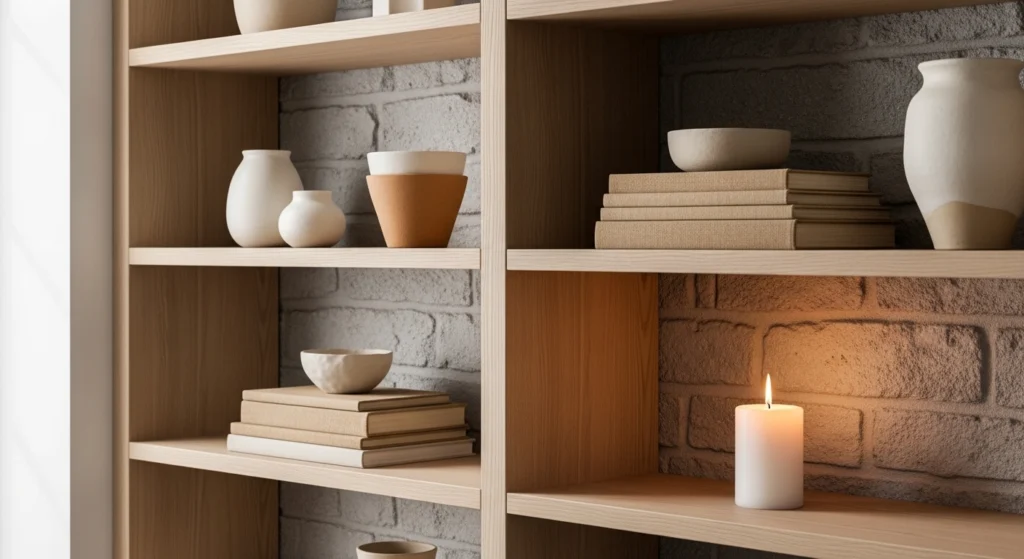
Open shelving offers a unique opportunity to practice “Visual Silence” by editing and restyling for the spring months. Remove the heavy books and dark pottery of winter, replacing them with light-toned ceramics, tan-covered books, and clear glass jars. Ensure there is plenty of “Negative Space” on each shelf, allowing the “Background Architecture” of the built-in unit to show through. A single burning candle placed on a lower shelf provides a soft, architectural glow that highlights your “Collected” treasures. This disciplined approach to shelving ensures the walls feel like a part of the room’s expansive energy, providing a sophisticated backdrop for your creative life during the transition into spring.
10. Style Mantels and Consoles with Subtle Seasonal Details
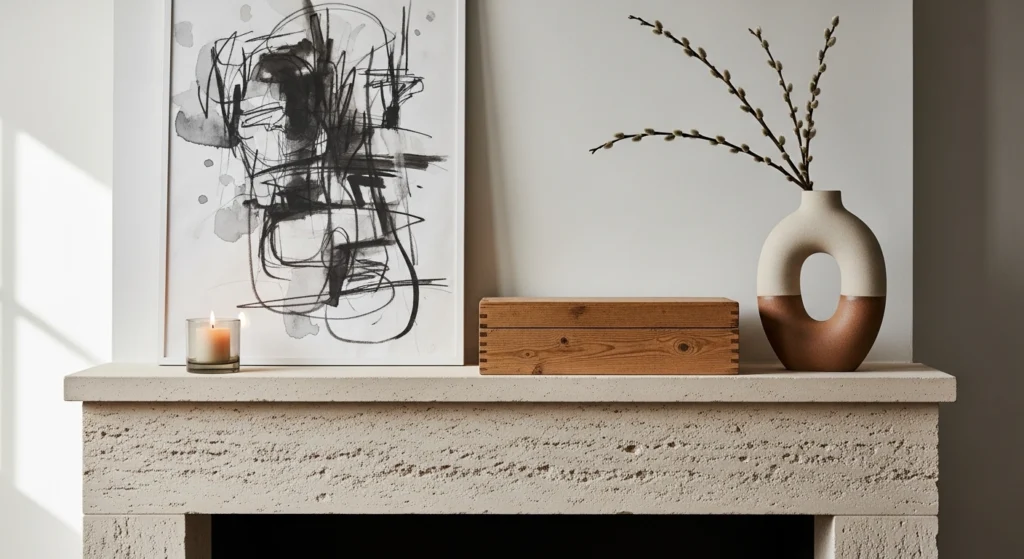
The mantel and console table are the architectural focal points of your transition, requiring a balance of “Hard Architecture” and “Subtle Details.” Use an asymmetrical grouping on the mantel: one large abstract sketch, a rustic wooden box, and a sculptural ceramic vase half-filled with water holding a branch of pussy willow. This “Collected and Creative” styling ensures the mantel feels like a piece of living art rather than a stagnant holiday display. The background architecture—whether it be dry-stack stone or smooth Roman clay—should be highlighted by the soft light of a single burning candle. These details anchor the room in the current season while maintaining a timeless, high-end aesthetic that reflects a sophisticated lifestyle.
11. Elevate Transitional Decor with Layered Mantel Styling
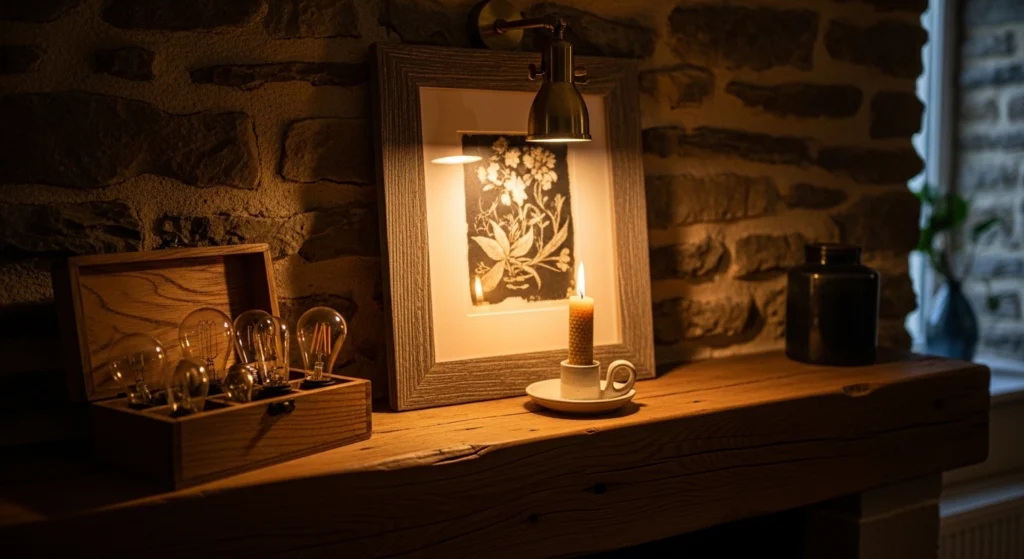
Elevating your transitional decor is about the masterful use of “Layered Lighting” and architectural depth on your mantelpiece. Instead of a single light source, combine the flicker of a beeswax candle with a small brass picture light to illuminate a piece of seasonal art. This creates a “Glowy” and intimate atmosphere that highlights the textures of your masonry and the grain of your timber mantle. Incorporate “Active Decor” like a wooden box of specialized bulbs to add a layer of organic interest. This layered approach ensures the fireplace remains the soulful heart of the cottage or modern home, providing warmth and inspiration as the days grow longer and the winter weight lifts.
12. Don’t Forget Transitional Spaces: Hallways and Entryways
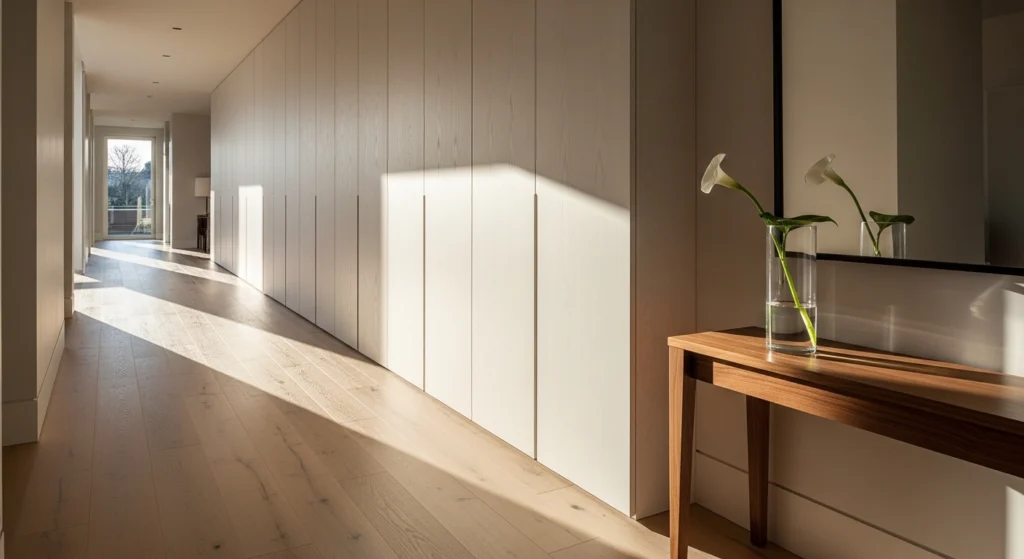
The entryway and hallways are the “Connective Tissue” of your home and must be styled with the same architectural intent as the main living areas. We use “Background Architecture” like seamless built-in wardrobes for coat storage to ensure these high-traffic zones remain completely uncluttered and “Clean and Calm.” A simple walnut console table in the hallway, styled with a glass half-filled with water and a long-stemmed flower, provides a moment of visual peace as you move through the house. The use of large-plank white oak flooring and light-toned walls ensures these transitional spaces feel expansive and sun-washed. This “Whole-Home” approach to the spring transition creates a cohesive sanctuary that welcomes you with a sense of order and seasonal freshness.
13. Create a Spring-Ready Welcome with Natural Entryway Styling
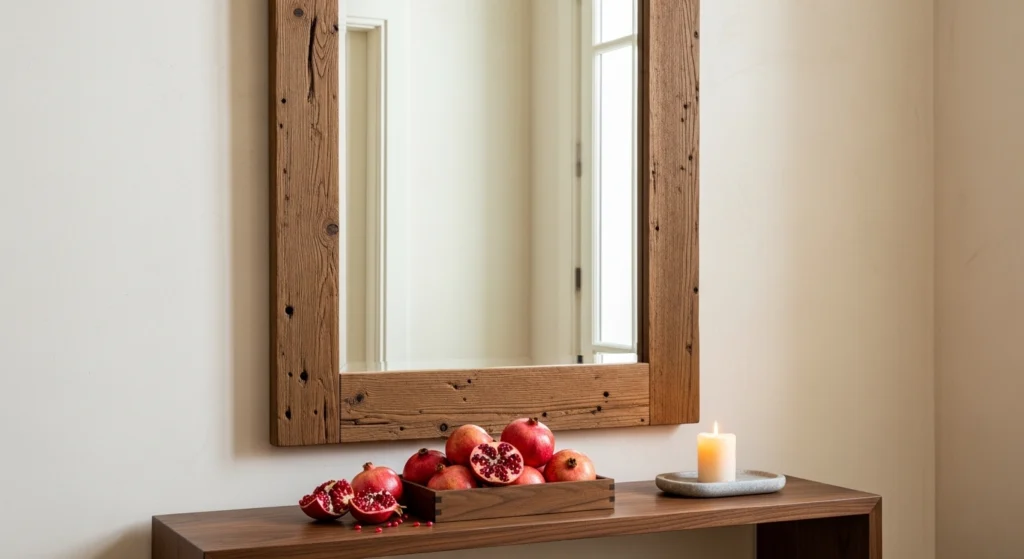
The entryway is the first chapter of your seasonal story, and it should offer a “Stately Welcome” through natural, realistic styling. Position a large leaning mirror with a rustic timber frame opposite the front door to “Capture” the spring light and double the perceived space of the entry. On the console, place a wooden box of fresh pomegranates and a single burning candle on a stone tray. This sensory anchor engages guests immediately, signaling a home that values “Quiet Luxury” and seasonal revitalization. By keeping the background architecture monochromatic—bone or mushroom tones—you ensure that the natural textures of the wood and stone are the primary features of the welcome.
14. Introduce Soft Spring Color Without Losing Cozy Comfort
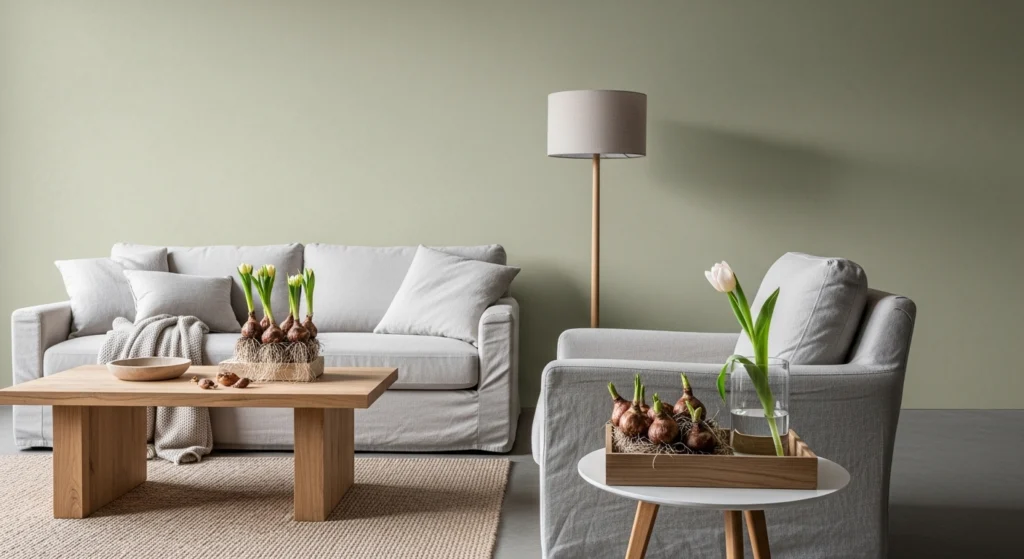
Introducing color during the winter-to-spring transition should be done through “Soft Color-Washes” that preserve the home’s sense of “Warm Modern” comfort. We recommend muted, desaturated tones like pale sage, dusty rose, or misty blue, introduced through “Soft Soul” textiles and subtle Roman clay wall finishes. These colors mimic the budding life of the outdoors without being jarring or overly bright, maintaining the room’s “Visual Silence.” Balance these soft hues with natural wood accents and light-toned upholstery to ensure the space remains grounded and sophisticated. This approach allows you to celebrate the change of season through a creative and optimistic lens, while still providing a cozy sanctuary for the cooler spring evenings.
15. Lean Into Natural Textures for a Relaxed Spring Feel
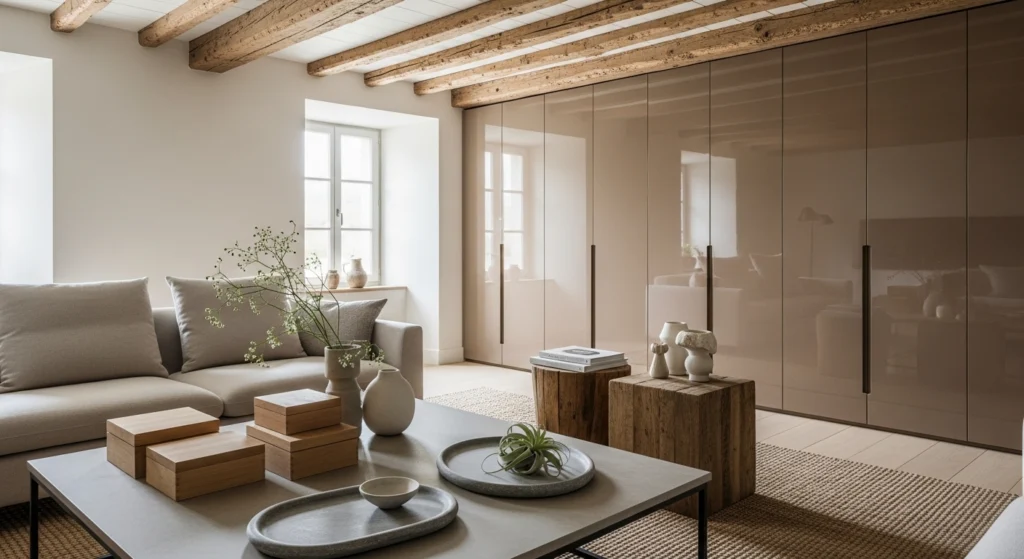
A “Relaxed Spring Feel” is best achieved through the use of “Grounded Materiality” and honest, natural textures like jute, linen, and raw timber. Transition your floors by layering a lightweight jute rug over your existing surfaces, providing a tactile, earthy foundation that feels fresh underfoot. We use “Background Architecture” like exposed hand-hewn beams to provide the necessary “Hard Architecture” weight to balance these softer textures. Styling everyday surfaces with wooden boxes and stone trays adds a “Collected” depth to the room, ensuring it feels high-end but completely unpretentious. This focus on texture over pattern creates a “Clean and Calm” environment that prioritizes sensory comfort and sophisticated modern design.
16. Spring Life in the Kitchen with Fresh Color and Open Shelving
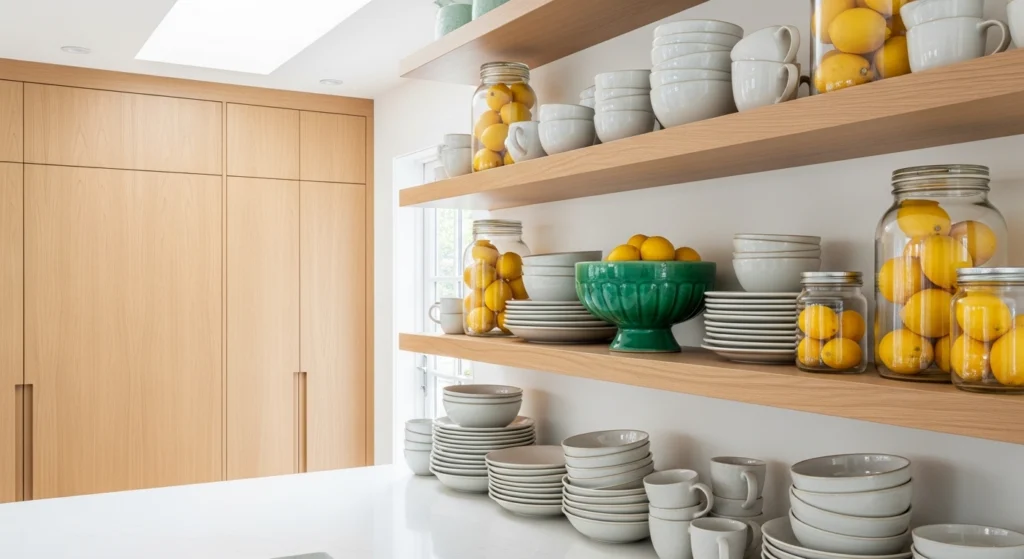
The kitchen transition focuses on “Functional Styling” and the use of fresh, organic color to energize the heart of the home. We utilize “Background Architecture” like seamless built-in wardrobes for pantry storage to keep the marble or white oak counters clear and expansive. On the open shelving, style a mix of light-toned ceramics and clear glass jars filled with spring ingredients like lemons or herbs. Introduce a “pop” of fresh color through a Wasabi Green or Jade accent—perhaps a ceramic bowl or a linen tea towel. This “Collected and Creative” approach ensures the kitchen feels like a vibrant social hub, ready for the lighter meals and social gatherings of the spring season.
17. Bring Spring Into the Kitchen with Fresh, Functional Styling
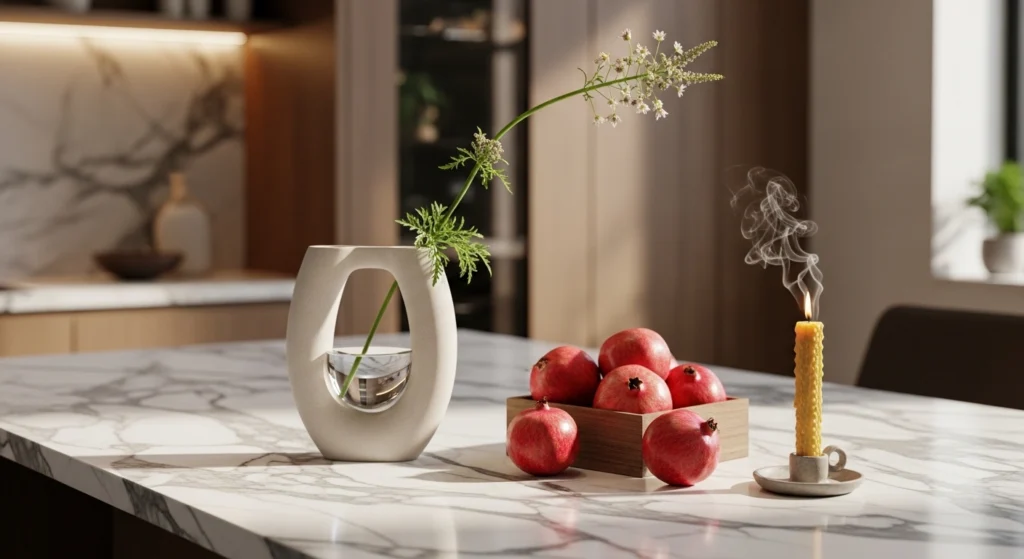
Bringing spring into the kitchen is an exercise in “Singular Intent,” where every object on your surfaces has a purpose and an architectural soul. Style your island with a single, sculptural ceramic vase half-filled with water holding a long-stemmed white wildflower. Next to it, place a rustic wooden box of fresh spring pomegranates and a slow-burning beeswax candle. The use of high-end materials like Calacatta marble and walnut provides the “Warm Modern” foundation for these seasonal moments. This “Clean and Calm” styling ensures that the kitchen remains an organized and inspiring sanctuary, reflecting a lifestyle of high-quality curation and seasonal freshness.
18. Set the Tone with Light, Effortless Table Styling
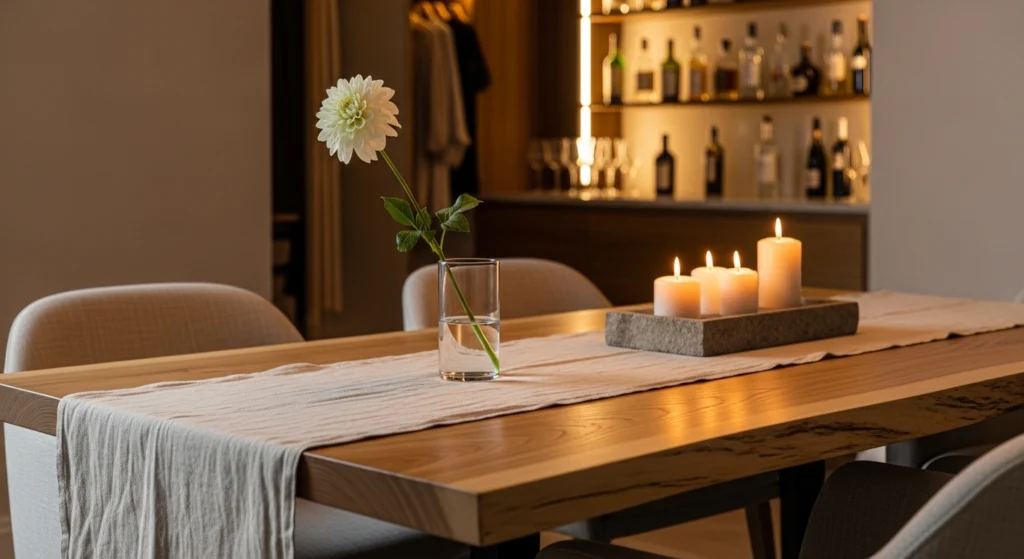
For transitional spring dining, we prioritize “Effortless Elegance” through the use of light textiles and “Active Decor” vignettes. Use a raw-edge white oak table as your canvas, layering it with a soft, wrinkled linen runner in a pale oatmeal hue. Instead of a crowded centerpiece, choose a single glass half-filled with water with a long-stemmed white dahlia and a few burning candles on a stone tray. The “Background Architecture” should include a floor-to-ceiling built-in wardrobe serving as a hidden bar or larder to keep the dining area uncluttered. This approach creates a social sanctuary that feels both high-end and intimate, where the quality of the materials and the soft lighting are the primary features of the meal.
19. Lighten the Bedroom with Airy Layers and Soft Spring Florals
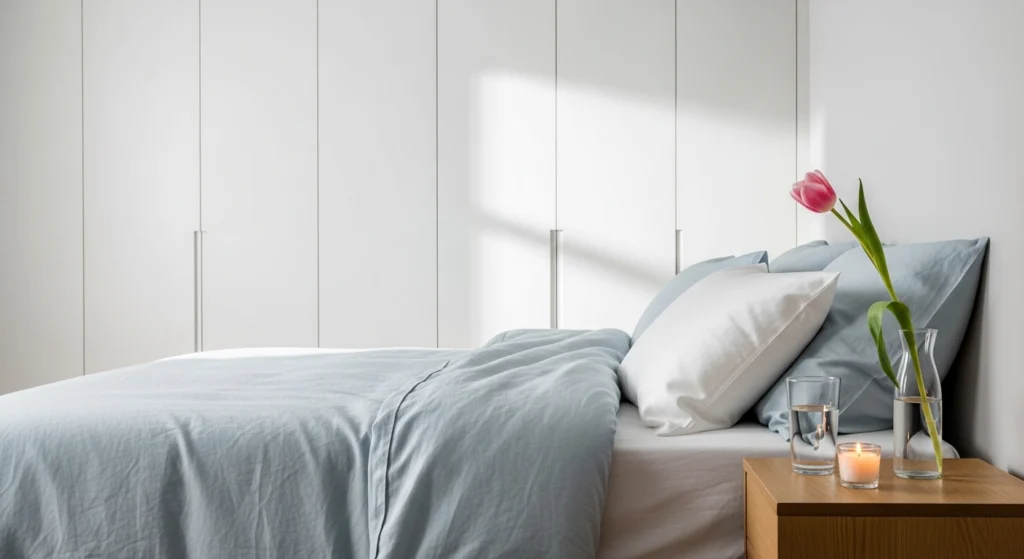
In the bedroom, the winter-to-spring transition focuses on creating an “Atmospheric Retreat” through airy layers and soft, botanical textiles. Replace heavy duvets with lightweight linen bedding and silk pillows in shades of bone and sage. We utilize “Background Architecture” like a seamless white built-in wardrobe wall to provide “Visual Silence” and eliminate all “life clutter” from the sleep zone. On the light-oak bedside table, place a glass half-filled with water and a single long-stemmed tulip next to a small burning candle. This minimalist styling ensures the bedroom feels expansive and optimistic, providing a sophisticated sanctuary for rest and seasonal revitalization.
20. Add Gentle Spring Details to Create a Calm, Lived-In Bedroom
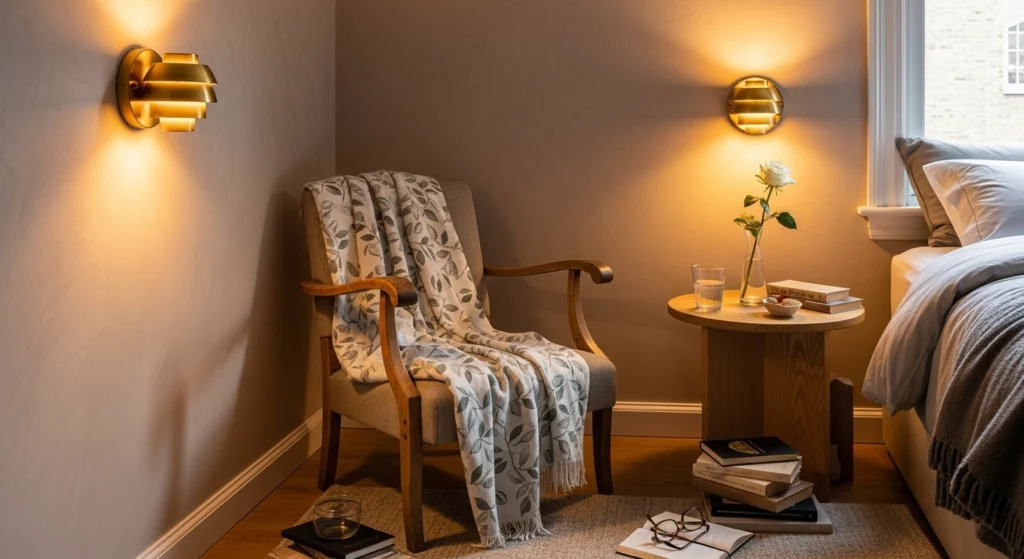
To create a “Calm and Lived-In” bedroom, we focus on “Soft Soul” details that engage the senses without overwhelming the space. Introduce gentle spring motifs through “Collected” items like a hand-painted ceramic tray or a linen throw with a subtle leaf pattern. The background architecture—perhaps a Roman clay wall finish—provides the necessary depth and tactile sophistication to ground these lighter elements. We use “Layered Lighting” to create a glowy, intimate evening atmosphere that highlights the natural grain of the wood furniture. This approach ensures the bedroom feels like a deeply personal sanctuary, reflecting a lifestyle of quiet luxury and seasonal awareness.
21. Refresh the Bedroom with Light, Balanced Spring Layers
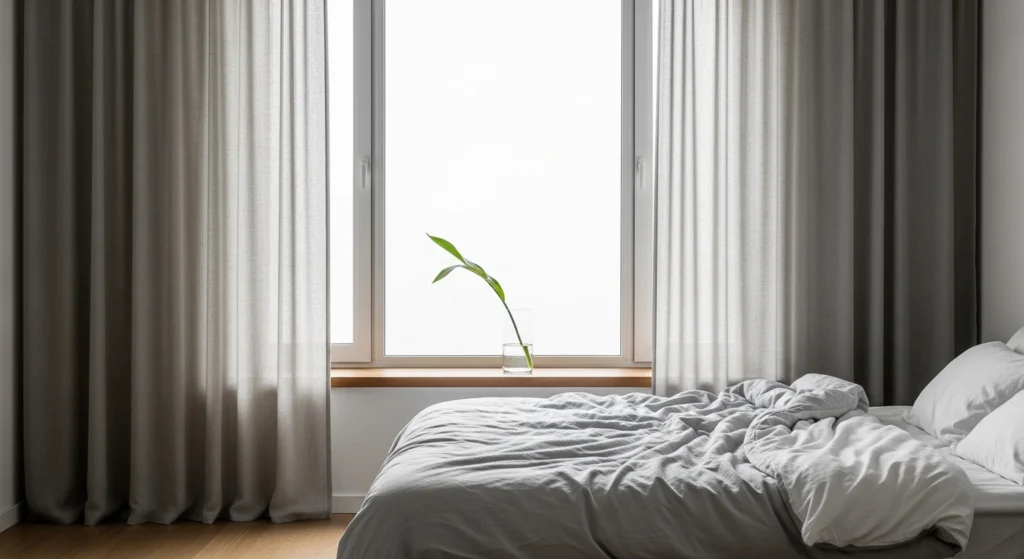
A “Refreshed” bedroom transition is achieved through the use of “Balanced Geometry” and light-toned materials that reflect the morning sun. We use sheer linen curtains to allow the light to “Wash” the room in a soft glow, highlighting the texture of the plaster walls and the grain of the oak floors. Keep the furniture layout open and expansive, utilizing “Background Architecture” for all storage needs to maintain a “Clean and Calm” aesthetic. Styling a window sill with a glass of water and a single long-stemmed green leaf provides a simple, organic anchor for the room. This focus on light and balance creates an optimistic and expansive environment that is perfect for the transition into the warmer months.
22. Refresh the Bathroom with Light Greens and Natural Texture
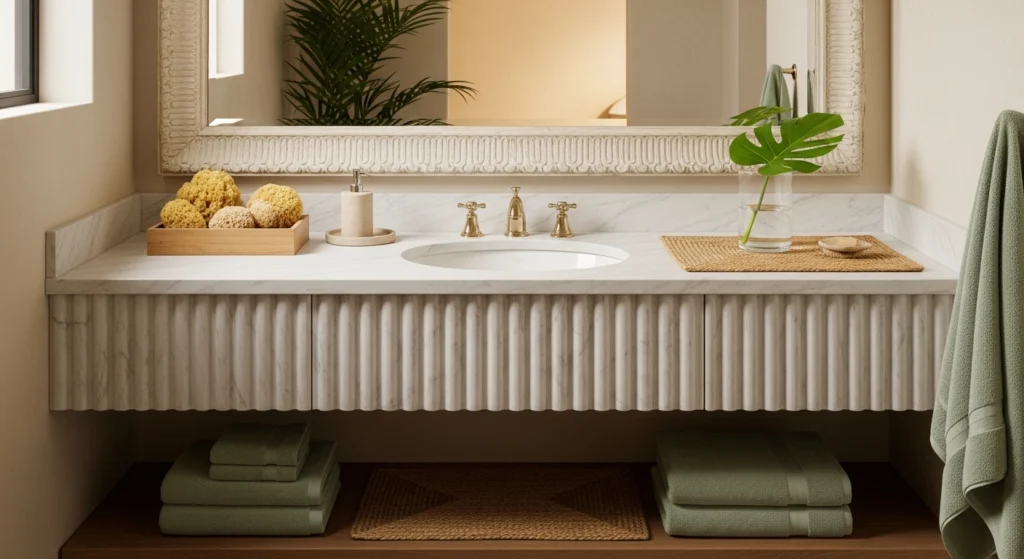
The bathroom transition utilizes “Aqueous Serenity” and light green accents to create a spa-like environment for seasonal self-care. We incorporate “Soft Soul” textures through plush linen towels in a pale sage hue and a large jute mat on the floor. The “Background Architecture” should include a fluted marble vanity and a large frameless mirror that reflects the light and any greenery from a nearby window. On the counter, place a wooden box for sponges and a glass half-filled with water with a single green leaf. This “Clean and Calm” approach ensures the bathroom feels high-end and restorative, providing a tranquil sanctuary to begin and end your day.
23. Refresh the Bathroom with Soft Greens and Simple Florals
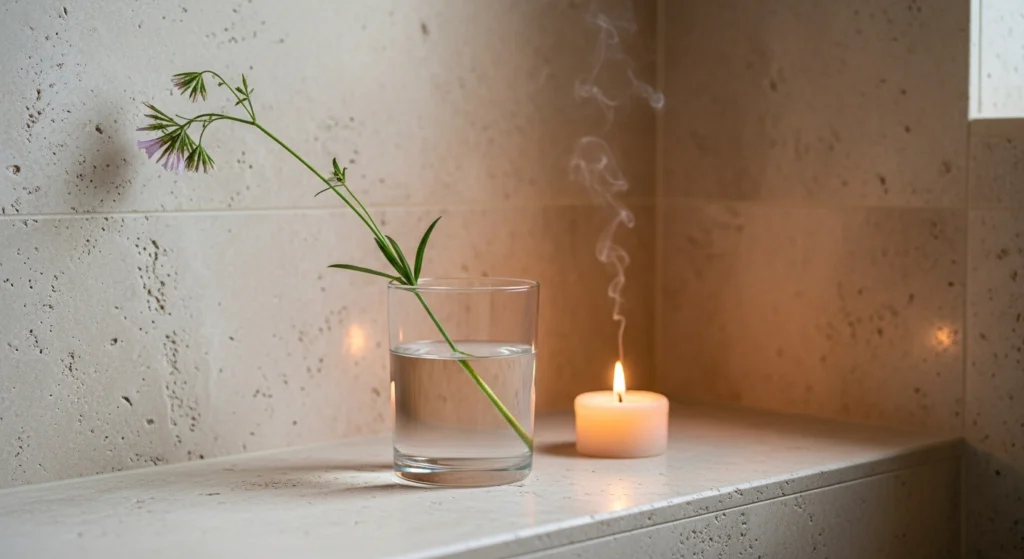
To elevate the bathroom’s seasonal soul, we introduce “Soft Greens” through botanical-scented candles and “Simple Florals” in minimalist vases. A clear glass half-filled with water holding a long-stemmed wildflower placed on a stone shelf adds a touch of “Active Decor” that feels fresh and life-affirming. We pair these elements with high-end materials like honed travertine or slate to provide a sense of “Grounded Materiality” and permanence. This focus on “Visual Silence” and natural textures ensures the bathroom feels like a private wellness retreat, reflecting a lifestyle of quiet luxury and sophisticated design. It is a space that prioritizes the sensory experience, where the glow of a candle and the freshness of a flower create a restorative atmosphere.
24. Lighten the Bathroom with Fresh Textiles and Subtle Accents
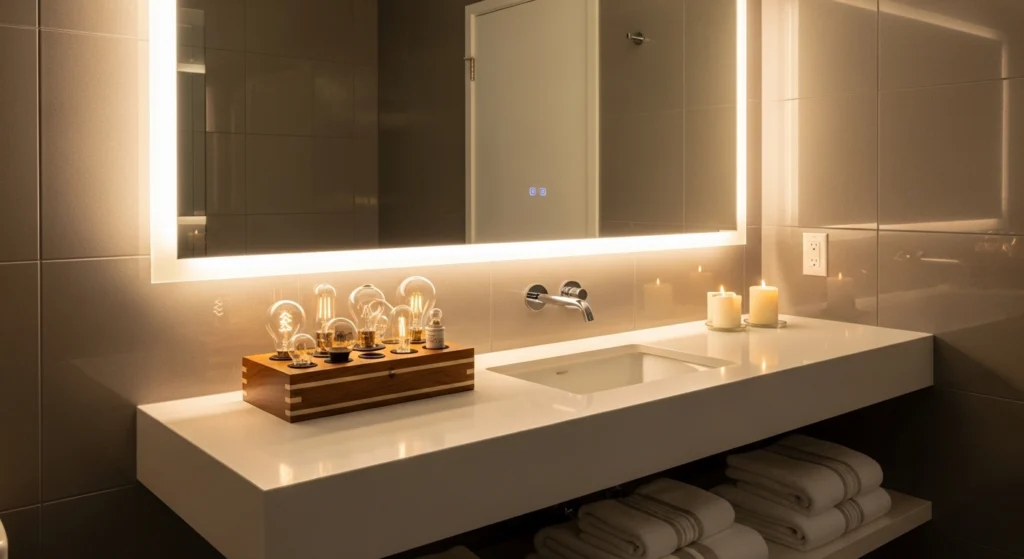
Lightening the bathroom for spring involves a focus on “Textural Clarity” and the use of subtle green accents to energize the space. Swap out dark winter mats for light-toned jute or woven cotton and replace heavy robes with lightweight linen versions. We utilize “Background Architecture” like integrated LED lighting behind a mirror to create a soft, architectural glow that eliminates harsh shadows. A small wooden box on the vanity holding specialized bulbs and a single burning candle provides a touch of “Warm Modern” soul to the room. This approach ensures the bathroom feels expansive and fresh, providing a high-end backdrop for your spring morning routine and seasonal revitalization.
25. Embrace a Spa-Like Spring Refresh with Soft Neutrals
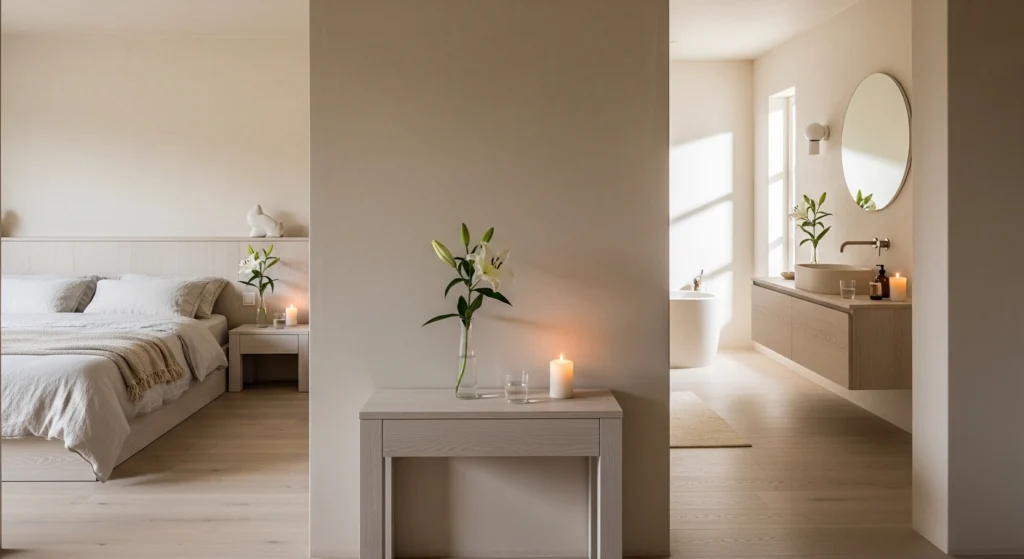
The final step in the transition is to embrace a “Whole-Home Spa Refresh” using a 2026 color palette of soft neutrals and high-quality materials. By maintaining a consistent “Background Architecture” of bone-colored Roman clay walls and white oak floors across all spaces, including the bathroom, you create a unified thread of tranquility. Every room should feature a “Sensory Anchor”—a half-filled glass of water, a single flower, and a burning candle—to ground the home in a sense of seasonal peace. This “Clean and Calm” philosophy ensures your home is not just a collection of rooms, but a cohesive sanctuary that supports your well-being. It is a timeless investment in your home’s architectural soul, providing a sophisticated retreat for every season of the year.
Final Thoughts
Transitioning your home from winter to spring is an architectural journey that celebrates “Evolution over Revolution.” By focusing on the “Background Architecture”—the built-in wardrobes, the stone surfaces, and the timber beams—you create a permanent foundation for your “Collected and Creative” seasonal layers. As you strip away the weight of winter and introduce the light, greenery, and airy textures of spring, you engage the senses and revitalize the home’s soul. This “Warm Modern” approach ensures your space remains a sophisticated and “Clean and Calm” sanctuary that is both modern and timeless. Remember that a great home isn’t finished in a day; it is a seasonal process that evolves in harmony with the natural world, providing a beautiful backdrop for a highly intentional and inspired life.