
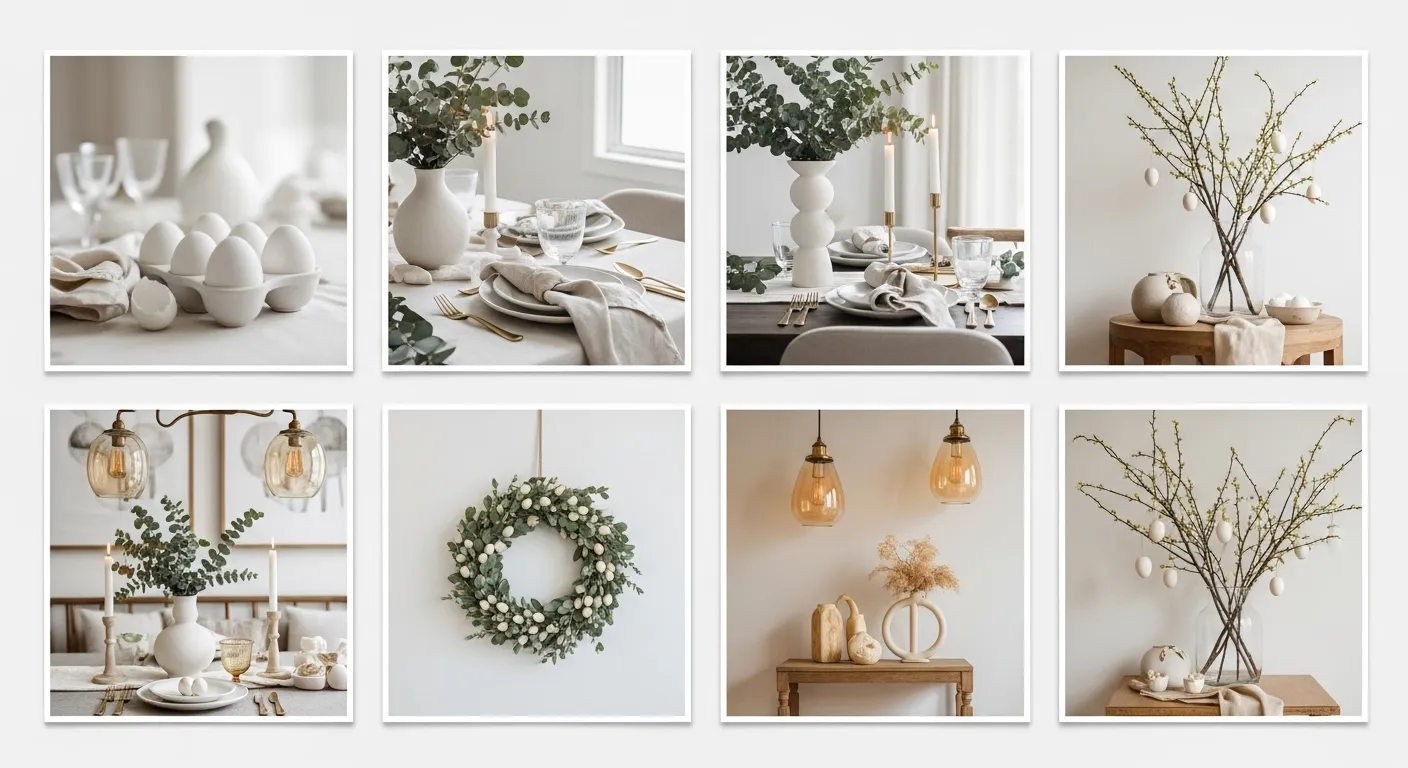
When transitioning your home for the spring season, exploring Easter Decor Ideas is an opportunity to move beyond kitsch and embrace a philosophy of “Seasonal Sophistication.” In 2026, the trend for holiday decorating is defined by a mastery of “Background Architecture”—utilizing your home’s permanent features like seamless built-in wardrobes, Roman clay plaster walls, and exposed hand-hewn timber beams as the canvas for a “Collected and Creative” celebration. A truly successful Easter interior balances the whimsical joy of the holiday with a “Warm Modern” sanctuary feel, integrating organic textures like white oak, stone, and linen with tonal spring palettes. This comprehensive guide will move through over twenty unique ideas, emphasizing how to layer your space with intention. We will focus on sensory anchors—such as the soft glow of burning beeswax candles, fresh pomegranates in wooden boxes, and the singular elegance of a long-stemmed flower in a half-filled glass—to ensure your home feels both festive and architecturally sound.
1. Soft Tonal Entryways with Minimalist Wreath Accents
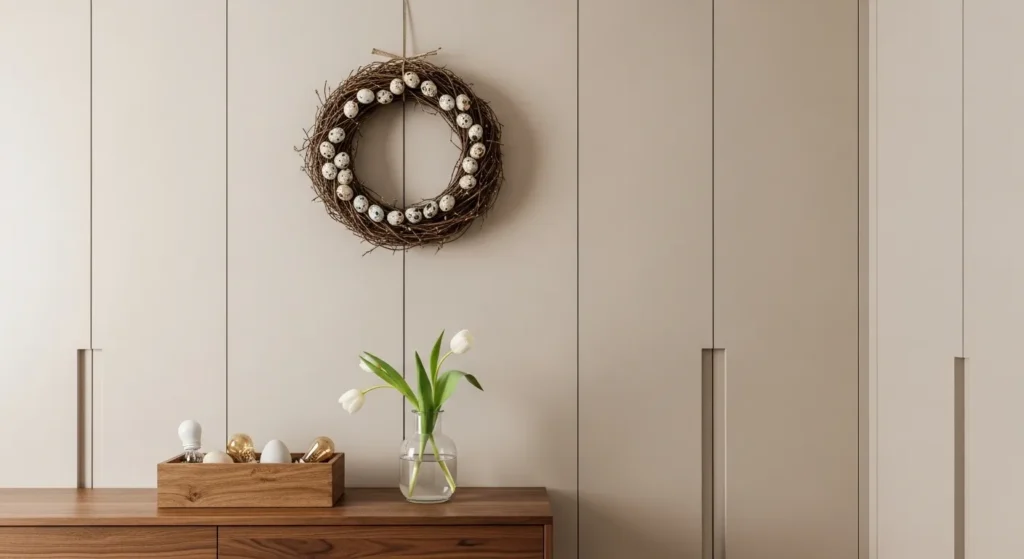
The entryway is the first chapter of your home’s Easter story, and it should signal a sense of “Visual Silence” and seasonal freshness. In this layout, the background architecture consists of a seamless, handle-less built-in wardrobe finished in a matte almond lacquer that hides the clutter of coats and shoes. We introduce the Easter theme through a minimalist wreath made of dried grapevine and a few speckled quail eggs, hung against a bone-colored Roman clay wall. On a simple walnut console table, place a rustic wooden box holding a few specialized bulbs next to a clear glass vase half-filled with water and a single long-stemmed white tulip. This “Clean and Calm” approach ensures that the festive elements feel integrated into the home’s permanent aesthetic rather than like temporary intrusions.
2. Sculptural Table Centerpieces with Hand-Painted Eggs
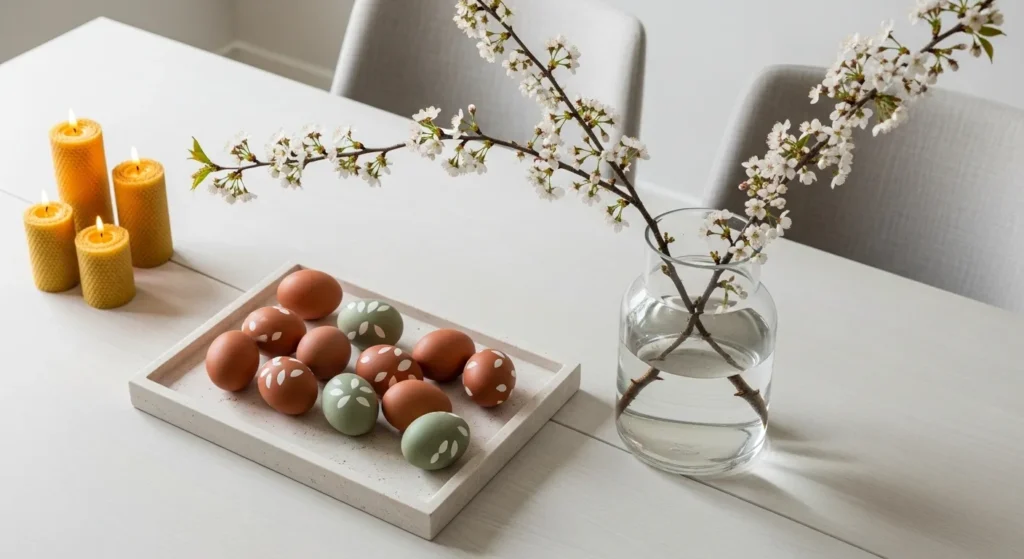
Your dining table should serve as the heart of the Easter gathering, utilizing “Zero-Waste Geometry” to create a centerpiece that is both artistic and functional. Instead of a crowded runner, choose a single, heavy stone tray—like honed travertine—to act as a structural anchor. Arrange a curated collection of hand-painted eggs in muted earth tones—terracotta, sage, and sand—next to a few burning beeswax candles. To add height and an organic “Soft Soul” layer, include a clear glass vase half-filled with water holding a long-stemmed branch of flowering cherry blossoms. This minimalist styling ensures the table feels high-end and editorial, allowing the quality of the materials and the intimacy of the meal to take center stage.
3. Warm Wood Dining Spaces with Organic Linen Layers
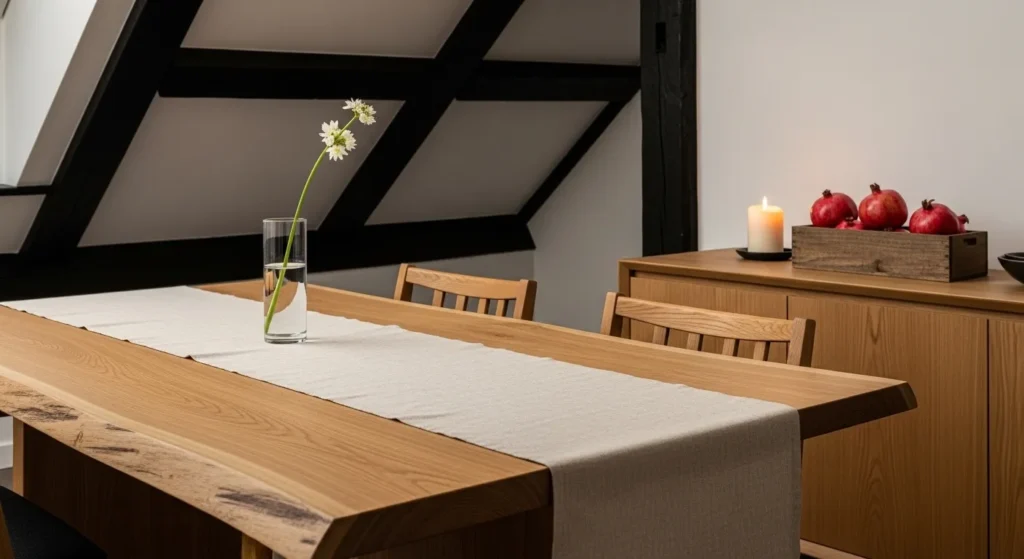
Easter brunch is the perfect moment to celebrate the natural beauty of “Warm Modern” materials like white oak and walnut. Use a raw-edge timber dining table as your foundation, layering it with a soft, wrinkled linen runner in a pale oatmeal hue. The background architecture might feature exposed hand-hewn timber ceiling beams that add a sense of history and “Hard Architecture” weight to the room. We avoid plastic decor; instead, we style the space with “Active Decor” like a wooden box of fresh spring pomegranates sitting on a nearby sideboard. This approach creates a dining environment that feels effortlessly sophisticated, where the textures of the wood and linen provide a tranquil backdrop for seasonal celebration.
4. Sophisticated Mantels with Artful Spring Florals
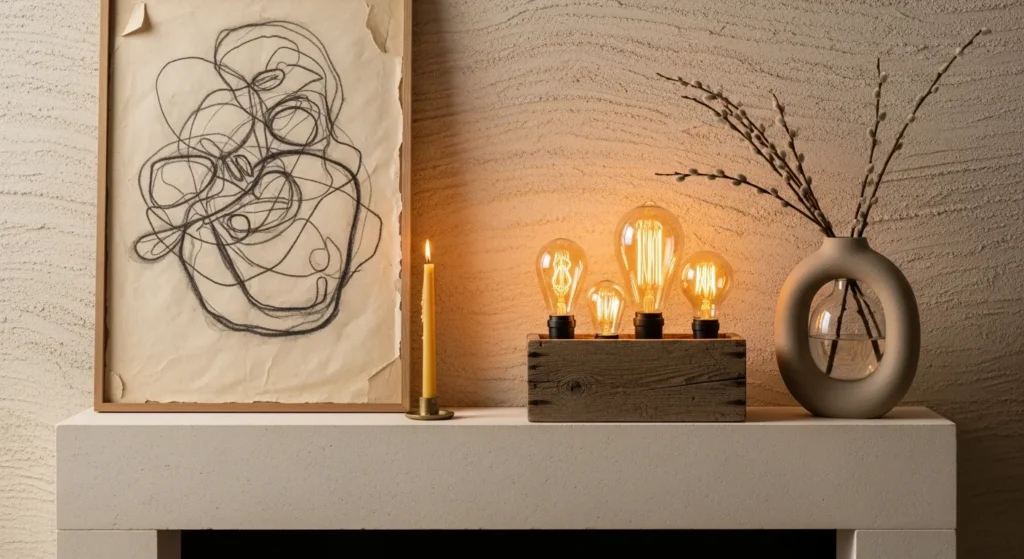
The mantelpiece is the architectural focal point of the living room, and for Easter, it should be styled with “Artful Layers” that feel curated and high-intent. Use an asymmetrical grouping: one large abstract sketch in a simple black frame, a rustic wooden box holding specialized light bulbs, and a sculptural ceramic vase. The floral element should be singular and structural—think a few long-stemmed lilies or a single branch of pussy willow in a glass half-filled with water. This “Collected and Creative” approach ensures the mantel feels like a piece of art rather than a cluttered holiday shelf. A single burning candle provides a soft, warm light that highlights the masonry of the fireplace and the suede-like texture of the Roman clay walls.
5. Built-In Wardrobes as Seasonal Display Niches
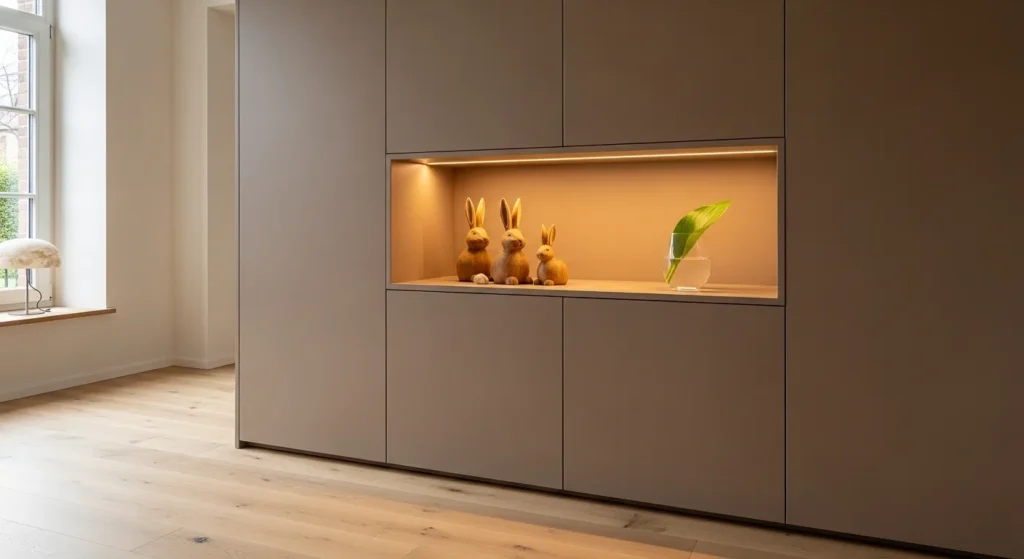
In a modern home, your “Background Architecture” can work for you by utilizing built-in wardrobes with open niches as seasonal display zones. Ensure the cabinetry is finished in a matte mushroom or soft grey lacquer to maintain a neutral canvas. Inside the niche, place a few hand-carved wooden rabbits and a glass half-filled with water with a single green leaf. This integrates the Easter theme into the very “bones” of the room, keeping the main surfaces clear and calm. By lighting the niche with integrated LED strips, you create a “glowy” focal point that adds architectural depth and a sense of “Quiet Luxury” to the room, proving that festive decor can be both subtle and powerful.
6. Neutral Tonal Sofas with Subtle Botanical Pillows
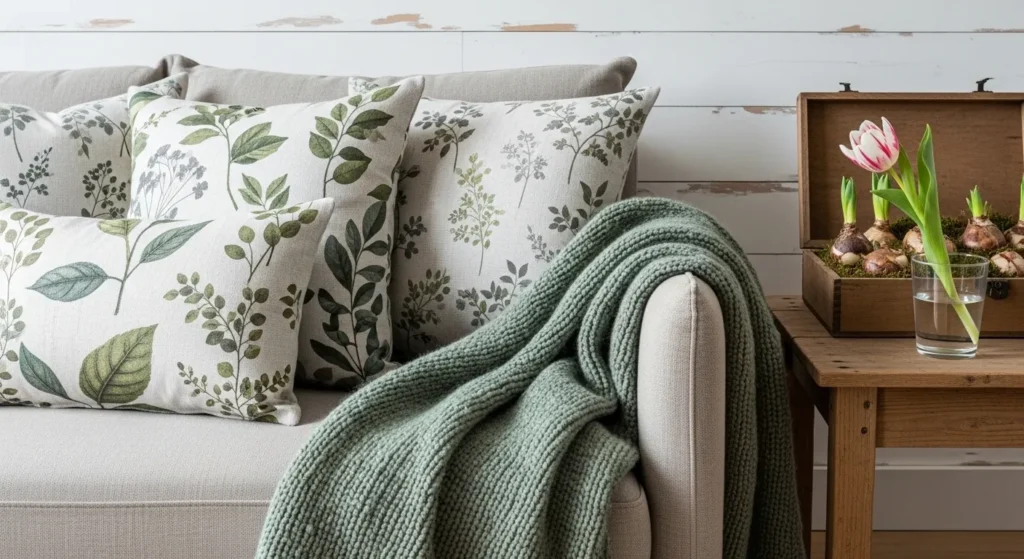
Transitioning your living room for Easter doesn’t require a total overhaul; it’s about adding “Soft Soul” layers to your existing neutral anchor. If you have a low-profile sofa in oatmeal or light grey, introduce the holiday through a few linen pillows featuring subtle, hand-painted botanical motifs. Avoid loud, bright patterns; instead, choose textiles that feel “Collected” and organic. Layer these with a chunky knit wool throw in a soft sage green to create a “Clean and Calm” aesthetic that is perfect for spring. This approach ensures the sofa remains a sophisticated retreat for relaxation while subtly nodding to the revitalizing energy of the Easter season and the return of the natural world.
7. Layered Lighting for a Glowy Easter Evening
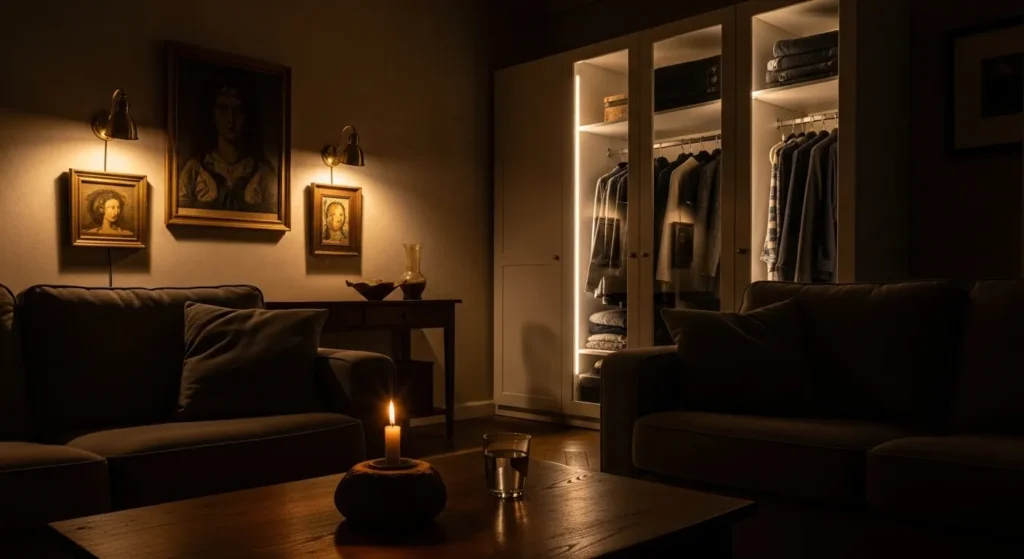
As the sun sets on your Easter celebration, the atmosphere of your home should shift through the use of “Layered Lighting.” Erase the need for harsh overhead lights by using a mix of floor lamps, brass picture lights, and small table lamps. Hidden LED strips inside your built-in wardrobes can provide a soft, architectural glow that highlights the grain of your wood furniture. On the coffee table, a single burning candle in a stone holder next to a glass of water provides a sensory anchor, creating an intimate and sophisticated ambiance. This lighting strategy prioritizes the “soul” of the room, making your Easter evening feel like a high-end sanctuary that is both warm and architecturally sound.
8. Indoor Garden Charms with Potted Spring Bulbs
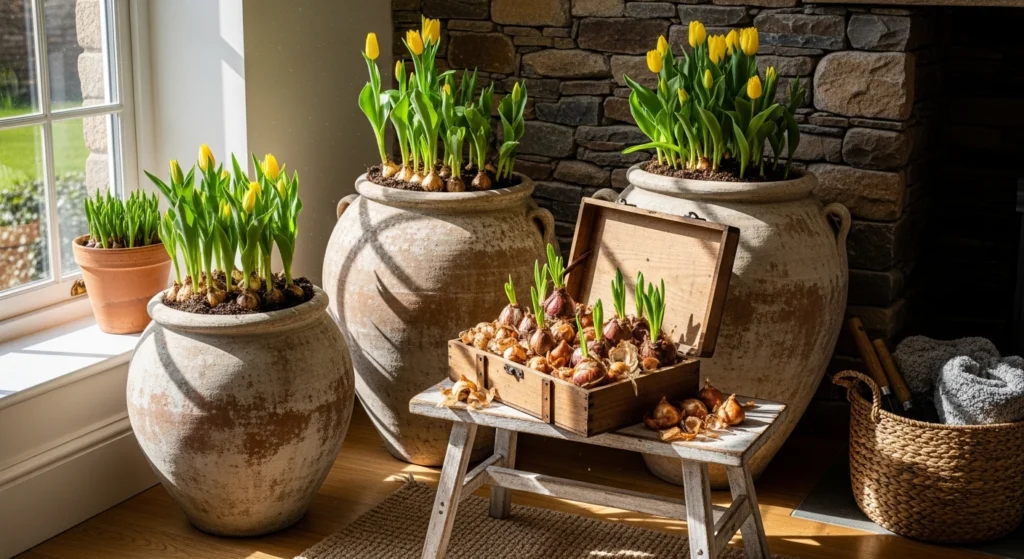
Bring the optimism of the garden indoors by utilizing “Indoor Garden Charms” as part of your Easter decor. Place oversized terracotta pots filled with sprouting tulips or daffodils in the corners of your living room, defining the “Visual Volume” of the space with organic life. The background architecture—perhaps a dry-stack stone wall or a lime-washed plaster surface—provides a rugged, earthy contrast to the delicate green stems. We style these pots with a wooden box of specialized bulbs sitting nearby on a low stool. This biophilic approach ensures your Easter home feels fresh and life-affirming, bridging the gap between the modern interior and the blossoming spring landscape outside.
9. Minimalist Easter Nooks for Quiet Reflection
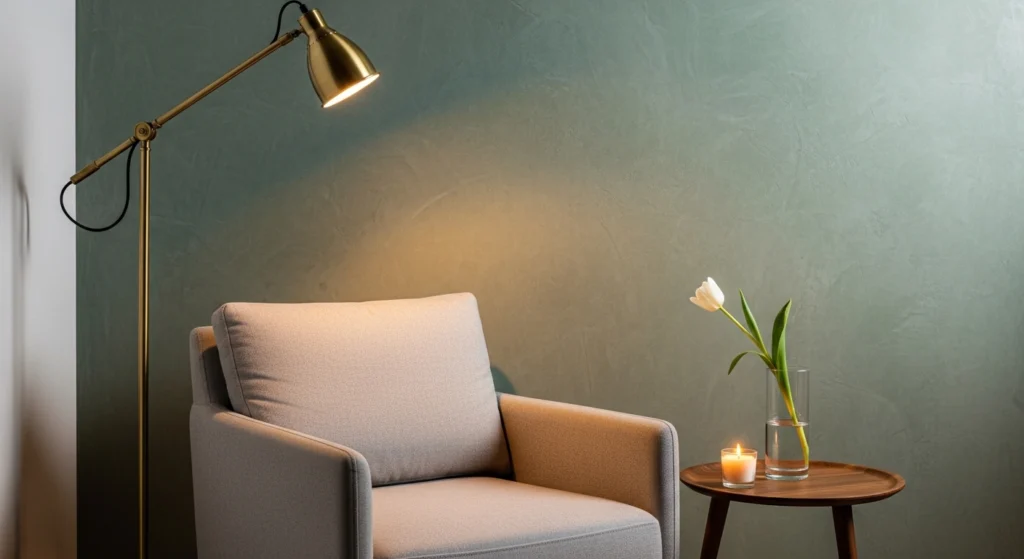
Every creative home needs a “Quiet Sanctuary,” and an Easter nook provides the perfect environment for morning reflection. Place a single, low-profile lounge chair in a neutral linen against a Cool Blue or Jade Green Roman clay wall. Anchor the space with a small built-in bookshelf and a brass floor lamp that casts a targeted, warm glow. On a small side table, place a glass half-filled with water and a single long-stemmed white tulip next to a small burning candle. This “Warm Modern” nook celebrates the beauty of solitude and the luxury of high-quality seasonal design, providing a peaceful retreat from the busy holiday festivities.
10. Textured Kitchen Islands with Natural Easter Accents
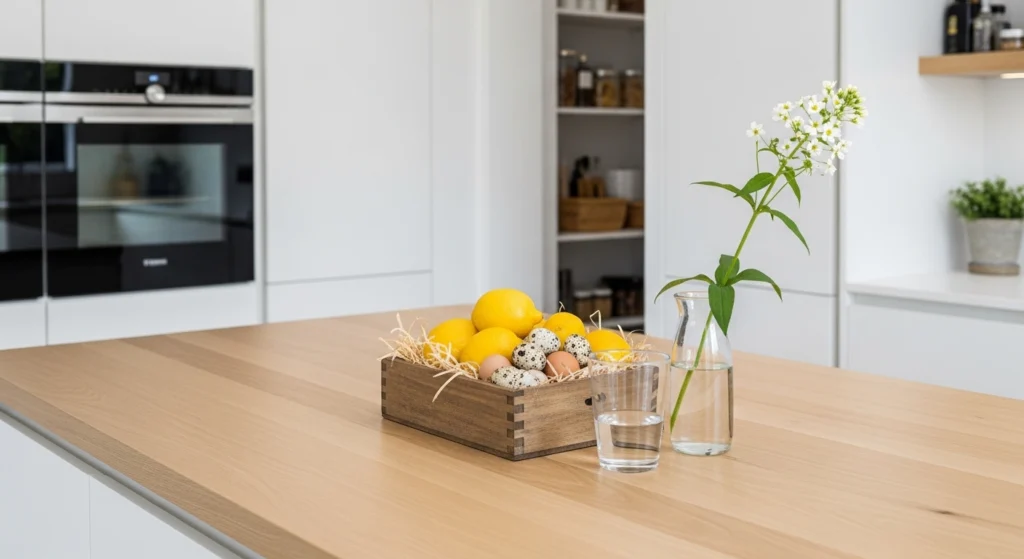
The kitchen is the engine of the Easter holiday, and it should reflect a sense of “Grounded Materiality” and fresh energy. Style your marble or white oak island with a rustic wooden box filled with fresh lemons and a few speckled eggs. Next to it, place a glass half-filled with water holding a long-stemmed wildflower. The background architecture should remain clean, featuring seamless built-in wardrobes for pantry storage that keep the counters clear of “life clutter.” This structural discipline ensures the kitchen feels like a high-end social hub, where the natural Easter accents provide a “Collected and Creative” touch without disrupting the room’s modern, architectural flow.
11. Subtle Plaster Walls as a Backdrop for Easter Art
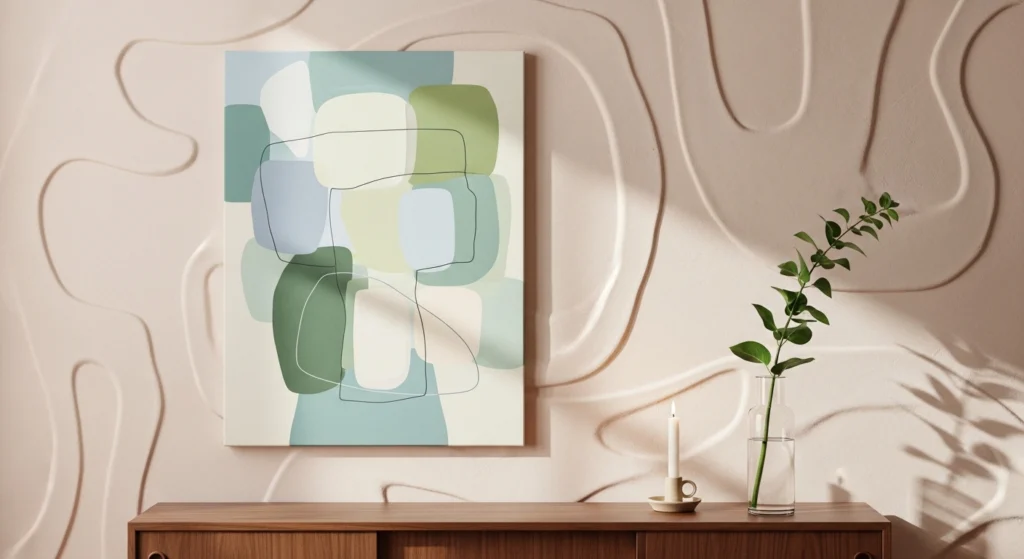
If your living room features “Roman Clay” or lime-washed walls, let their suede-like texture be the primary Easter decoration. Hang a single piece of abstract art in muted spring tones—soft greens, pale yellows, and bone—with architectural intent. The movement of the plaster catches the light, adding a “Hard Architecture” depth that makes the artwork feel more substantial. Below the art, on a walnut sideboard, place a single burning candle and a glass half-filled with water with a long green stem. This minimalist approach ensures your Easter decor feels like a permanent, sophisticated part of the home’s soul rather than a temporary addition.
12. Reclaimed Timber Mantles with Natural Wood Rabbits
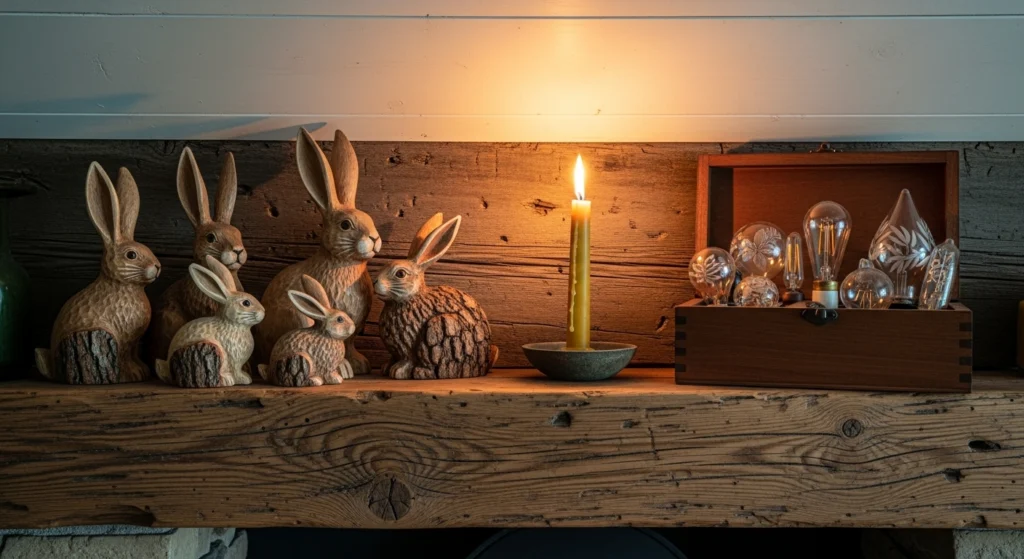
For a touch of “Vintage Warmth” and history, utilize a reclaimed timber mantle as the base for your Easter display. Instead of colorful plastic rabbits, choose a few hand-carved natural wood rabbits that showcase the grain and texture of the material. Pair these with a few specialized light bulbs sitting in a wooden box and a single lit candle to create a glowy evening atmosphere. The background shiplap ceiling or stone masonry provides a rugged, earthy context for the wood carvings. This is a “Warm Modern” masterpiece that prioritizes the “soul” of the materials, creating an Easter focal point that feels both historic and intentionally designed.
13. Sheer Linen Drapes and Sun-Washed Easter Light
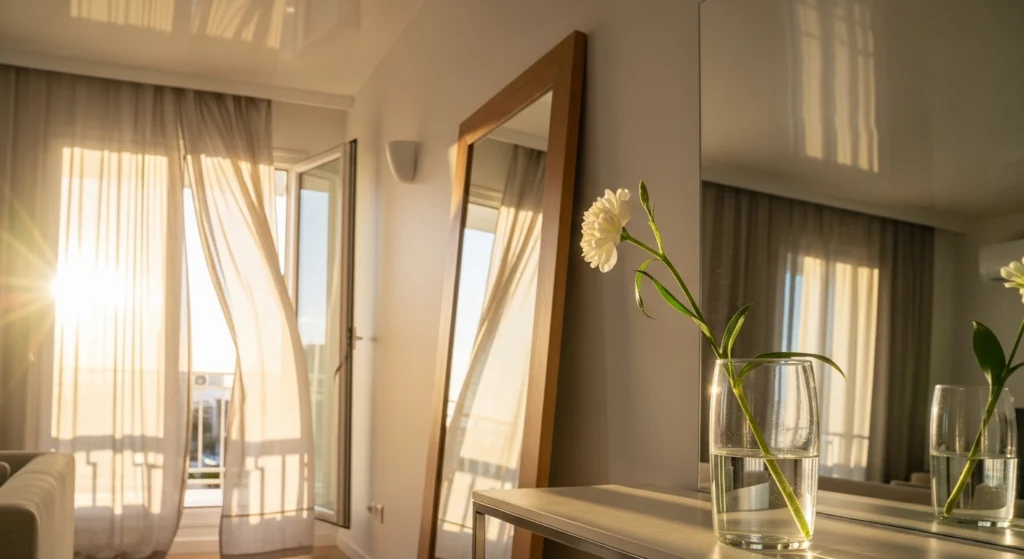
A sun-washed living room is the ultimate spring luxury, and you can maximize this for Easter by using sheer linen drapes that allow the light to filter through softly. The “Background Architecture” should include high-reflective white ceilings and large-format mirrors to bounce that natural light into every corner. This creates a “glowy” and soft atmosphere that highlights the natural grain of your oak floors and the organic shapes of your Easter decor. On a console, place a glass half-filled with water and a long-stemmed flower to capture the light. It is a design strategy that prioritizes optimism and freshness, ensuring your Easter home feels connected to the revitalizing energy of the season.
14. Modern Easter Entryways with Slate and Walnut
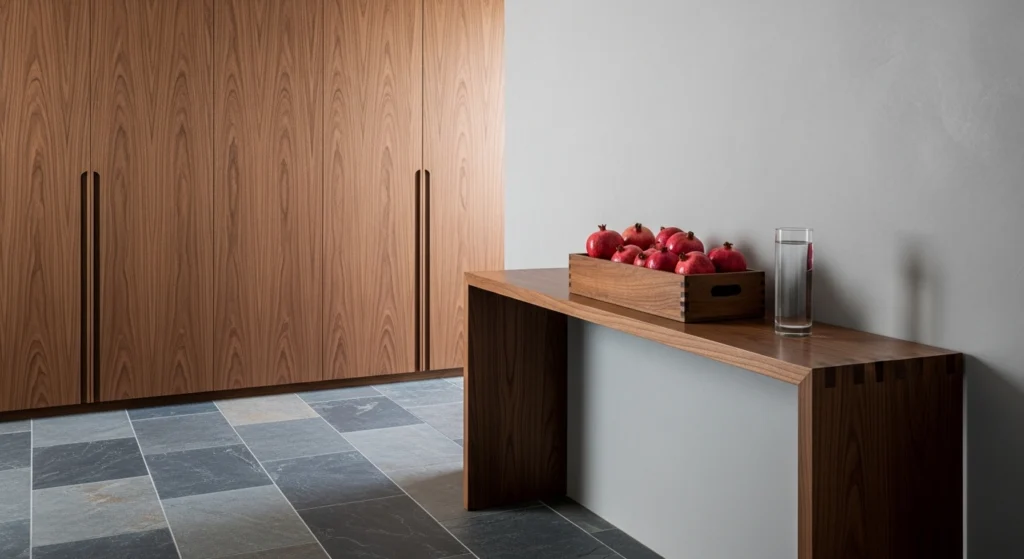
An entryway in slate and walnut provides a sense of “Stately Permanence” and organization, serving as a calm transition into your Easter-ready home. Use a simple walnut console table against a soft grey Roman clay wall, styled with a wooden box of fresh spring pomegranates and a glass half-filled with water. The background features a seamless built-in wardrobe for coats, ensuring the entrance remains “Clean and Calm.” This structural discipline allows the natural wood and stone textures to define the room’s creative energy. It is a sophisticated, “Quiet Luxury” approach that welcomes guests with a sense of peace, freshness, and high-quality seasonal design.
15. Collected Glassware and Vintage Easter Settings
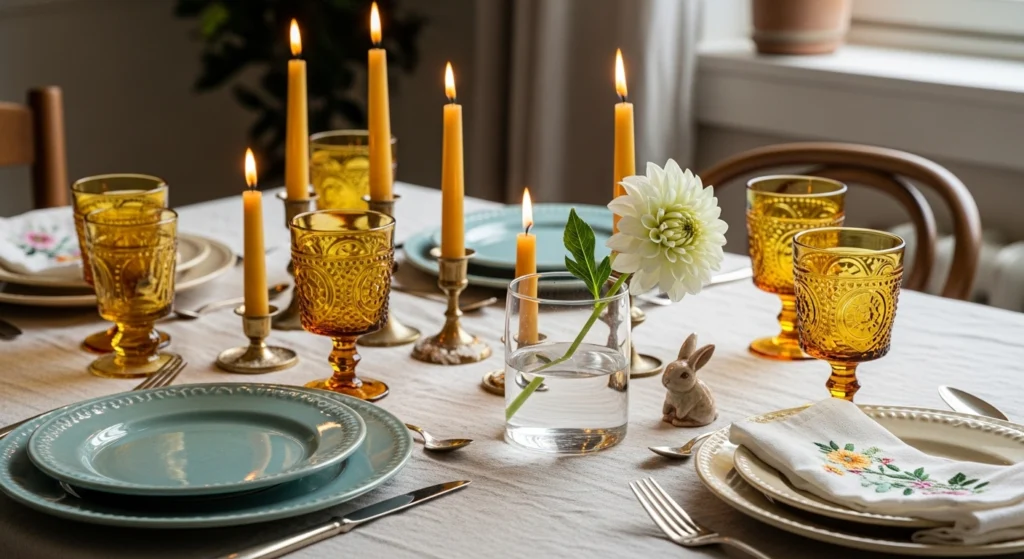
Easter brunch is an opportunity to showcase your “Collected” life through the use of vintage-inspired glassware and mismatched ceramic plates. Instead of a uniform look, mix different textures and tones—clear glass, amber tones, and soft green ceramics—to create a table setting that feels like it has a history. Layer this with a soft linen cloth and a few burning beeswax candles for a “Warm Modern” atmosphere. A single glass half-filled with water holding a long-stemmed white dahlia provides a clear, clean focal point on the table. This approach ensures your Easter meal feels high-end and personal, celebrating the beauty of items that have an artistic soul and a story to tell.
16. Sculptural Easter Decor in Minimalist Niches
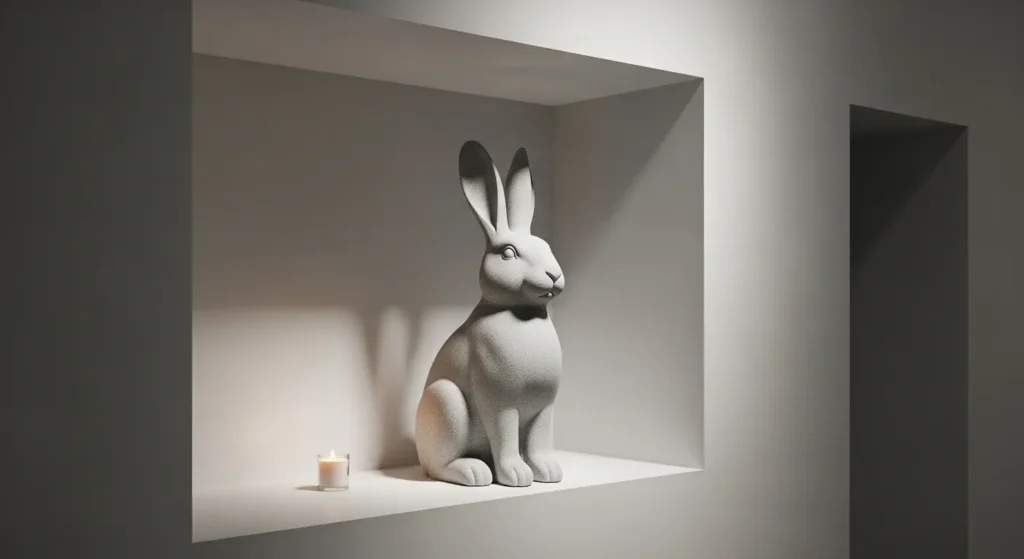
Quiet luxury is about choosing items that have an “Architectural Weight,” even when it comes to holiday decor. Choose one sculptural Easter object—like a large ceramic egg or a stone rabbit—and place it in a minimalist built-in niche or on a clean shelf with plenty of “negative space.” This focus on “Singular Intent” emphasizes the form of the object and the architecture of the room, creating a sense of visual silence and high-end sophistication. By stripping away the clutter and focusing on one beautiful form, you create a sanctuary that feels expensive and intentionally designed. This is the hallmark of a creative home where the quality of each choice is prioritized over the quantity of accessories.
17. Hand-Hewn Beams and Woven Easter Baskets
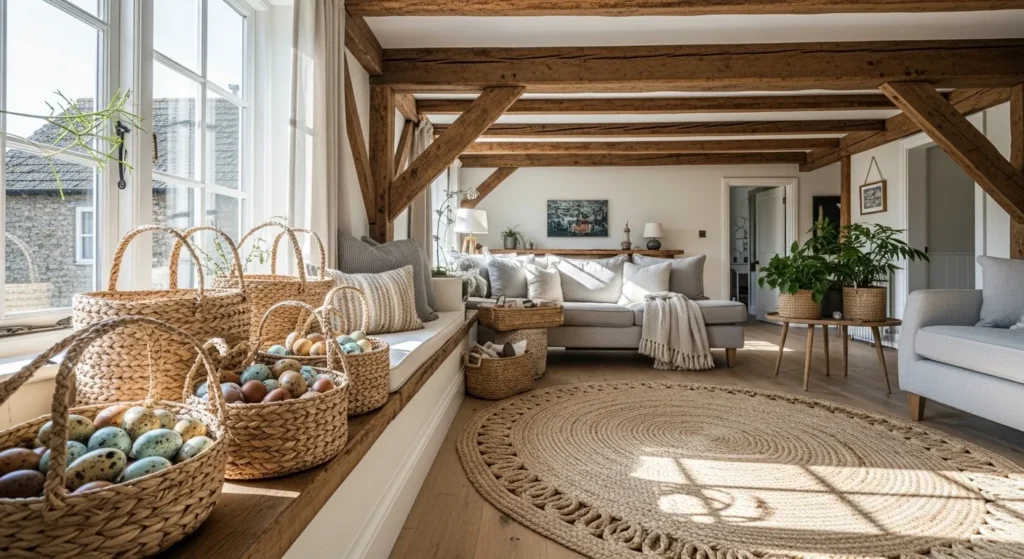
Classic architectural details like “Exposed Hand-Hewn Beams” provide the “Hard Architecture” that makes a cottage-style Easter feel permanent and valuable. Soften these heavy timber elements with “Soft Soul” layers, such as hand-woven seagrass Easter baskets filled with natural linen and speckled eggs. Place the baskets on a large jute rug or a built-in bench to create a grounded and inviting vignette. This juxtaposition of the heavy wood and the light, airy textiles creates the “Warm Modern” atmosphere we strive for. It ensures that the room feels grounded by history but energized by the freshness and optimism of the Easter season.
18. Monochromatic Easter Palettes for Expansive Spaces
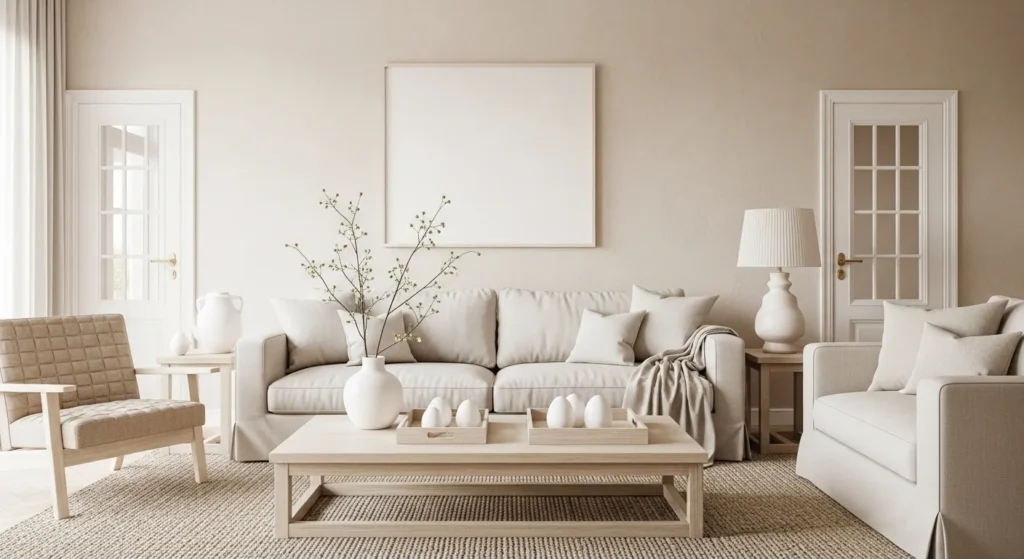
To eliminate visual noise and create a sense of infinite space, you can “Stick to a Seamless Palette” for your Easter decor. If your living room is finished in shades of bone and sand, choose Easter accents in those exact same tones—white ceramic eggs, cream linen rabbits, and pale wood trays. This monochromatic strategy makes the walls appear to recede, instantly making the room feel more expansive and “tranquil.” Incorporate texture rather than color to add depth, such as a Roman clay plaster finish on the walls and a chunky wool rug on the floor. This “Quiet Luxury” aesthetic ensures that your Easter home feels like a high-end designer retreat where the architecture and light are the primary features.
19. Sensory Easter Anchors: Scents and Light
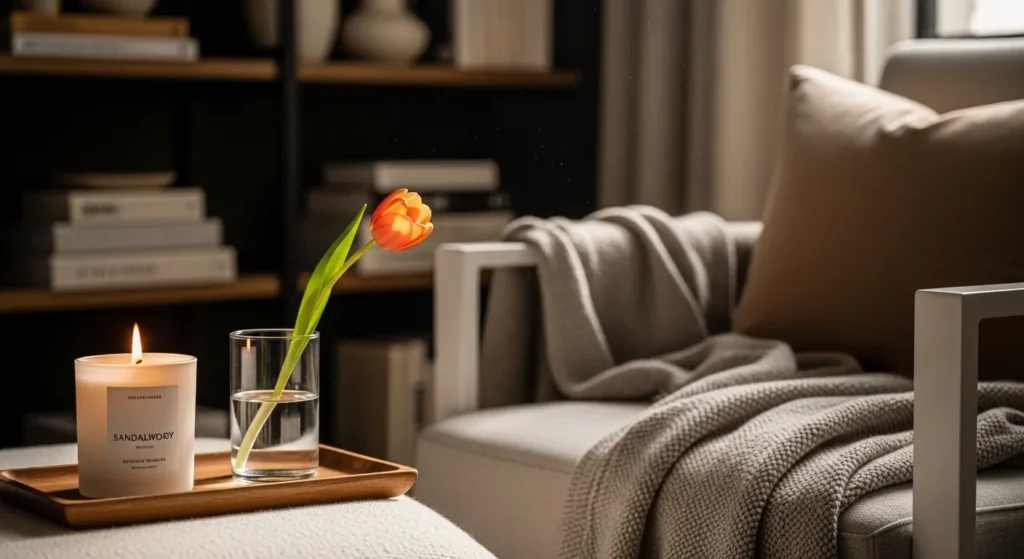
Ultimately, a sophisticated Easter home is a “Sensory Experience” that goes beyond visual decoration. Engage the sense of smell with a sandalwood or cedar-toned candle, and the sense of touch with high-quality linen and wool textiles. Every room should feature a “natural” vignette—like a half-filled glass of water with a single flower and a burning candle—to ground the space in the freshness of the season. This disciplined and creative approach ensures your Easter decor is not just a collection of items, but a unified sanctuary that provides a “Clean and Calm” retreat for your modern lifestyle. It is a timeless investment in your well-being and the architectural soul of your home.
20. The Collected and Creative Easter Finale
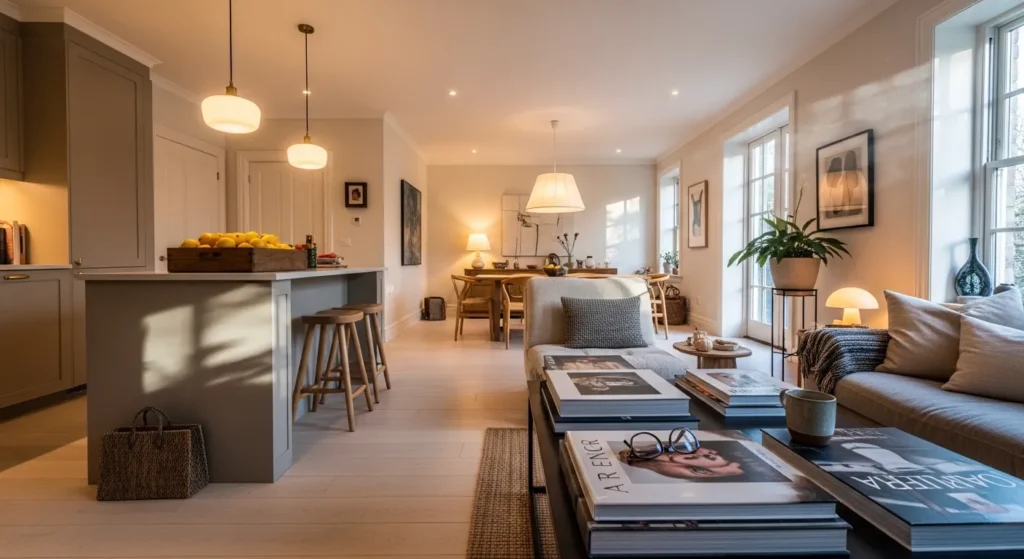
The final layer of your Easter decor is what makes the home feel “lived-in” rather than just a showroom. This includes the presence of “Active Decor” like a wooden box of fresh lemons on the counter, a stack of art books on the coffee table, and the soft glow of layered lighting. By maintaining a consistent neutral “Background Architecture”—like white oak floors and bone-colored walls—you create a “Unified Thread” that allows your seasonal accents to shine. A home that integrates these Easter ideas with natural materials and architectural discipline is a home that is ready for spring—providing a sophisticated haven that inspires, restores, and revitalizes the creative spirit.
Final Thoughts
Designing your home for Easter in 2026 is an exercise in “Intentional Minimalism.” It is the realization that holiday decor feels most expensive and sophisticated when it is stripped of clutter and integrated into the “Background Architecture” of the space. By focusing on high-quality materials—walnut, stone, and linen—and utilizing a “Warm Modern” palette, you create a sanctuary that celebrates the season without sacrificing your home’s architectural integrity. Remember that the most powerful festive statements are often the simplest: a single flower in a glass, the soft glow of a candle, and the organic texture of a wooden box. These principles ensure your Easter celebration is both modern and timeless, providing a beautiful backdrop for new memories and a revitalized home soul.