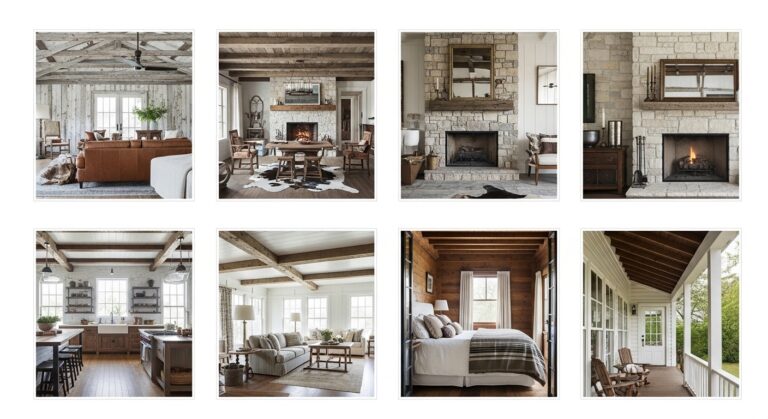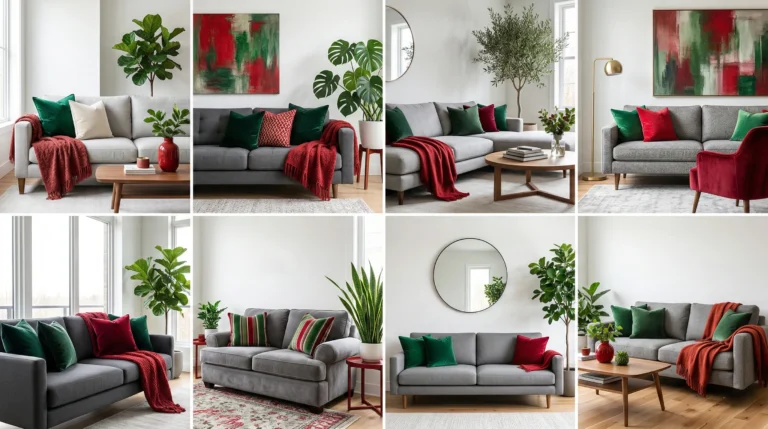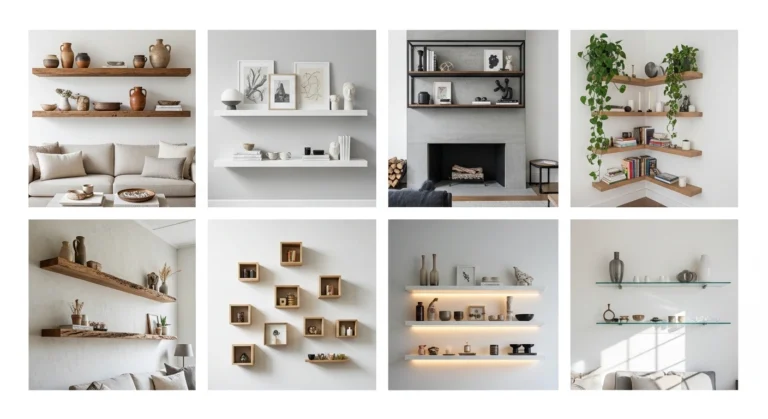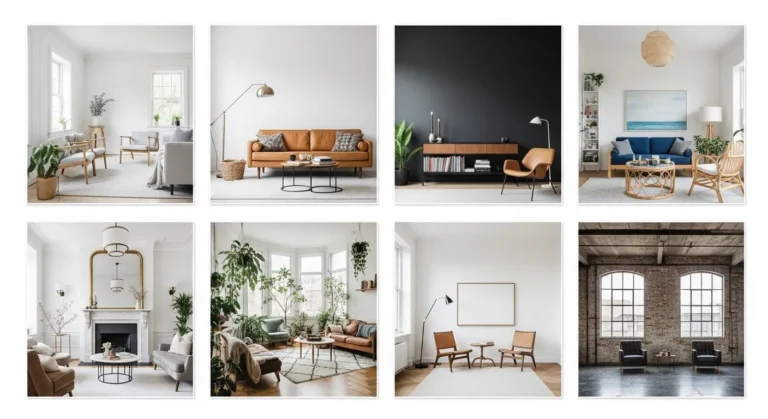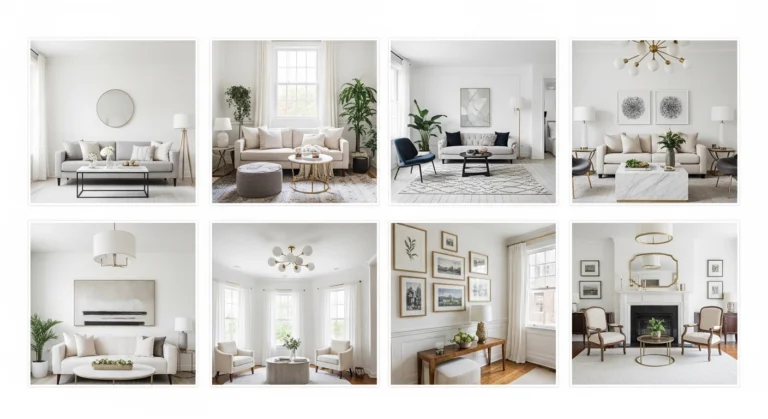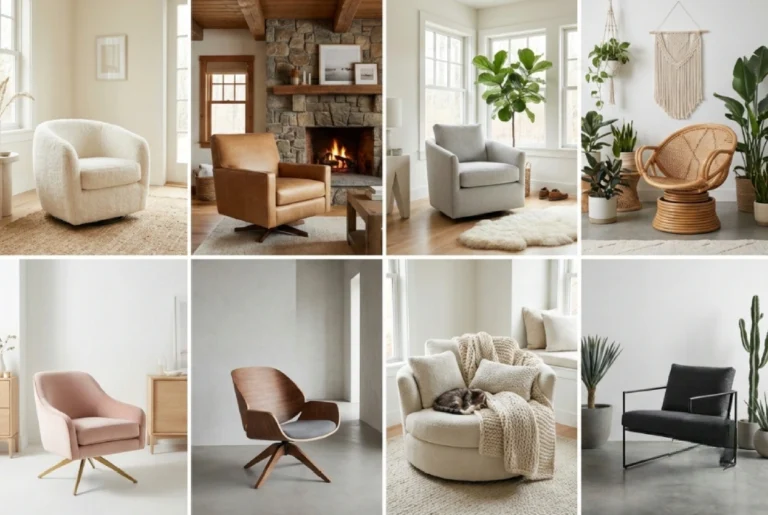
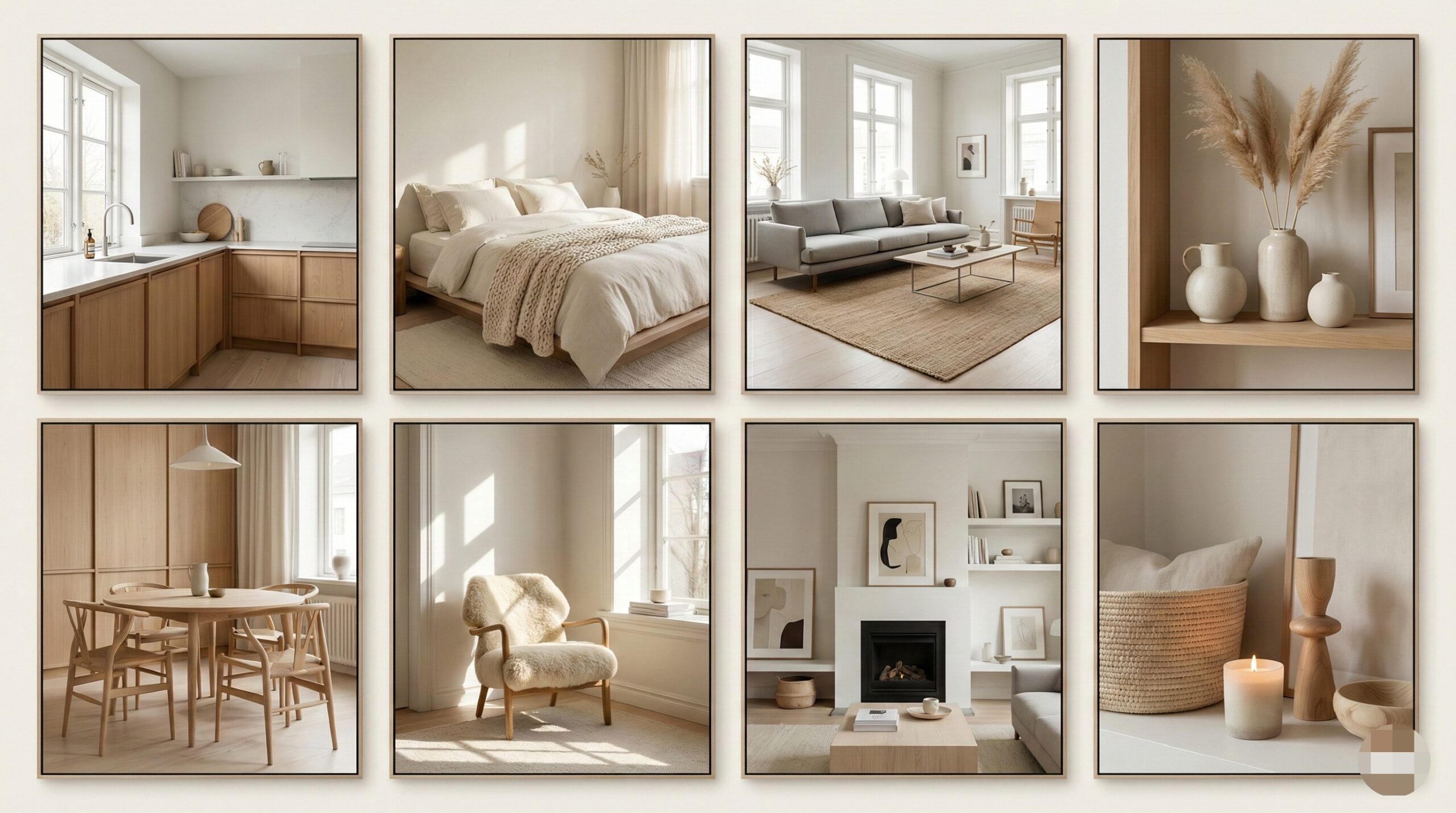
Scandinavian interiors are loved for their calm, cozy, and effortlessly beautiful atmosphere. Inspired by homes in Sweden, Norway, and Denmark, this design style focuses on light, simplicity, comfort, and functionality. Clean spaces, soft colors, natural materials, and warm textures work together to create rooms that feel peaceful but never empty, helping homeowners enjoy a relaxed environment that is practical for daily living while still looking modern and inviting.
1. Soft Neutral Color Palette
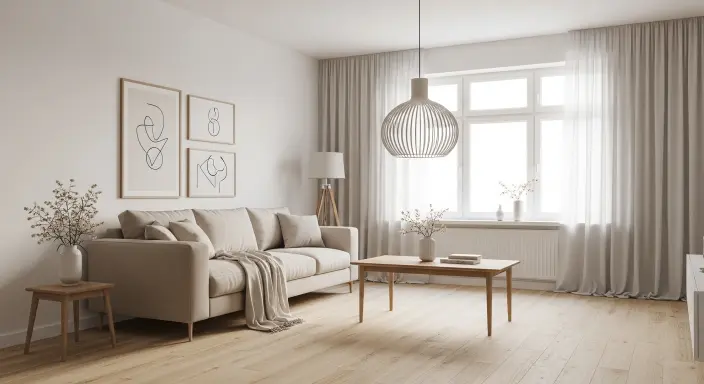
A Scandinavian home begins with a gentle neutral palette that allows light to travel easily through the room. Walls painted in warm white, soft beige, or light gray create a clean backdrop that never feels cold. These shades reduce visual clutter and make furniture stand out naturally. Neutral tones also help small rooms appear larger and brighter. You can add depth by layering slightly different shades on trims, doors, and textiles. This creates subtle interest without heavy contrast. The calm background supports relaxation and keeps the home visually balanced. Choose paint with a matte or eggshell finish for a soft look that absorbs glare and maintains a soothing atmosphere. Neutral colors also make seasonal decorating simple because any accent color can blend easily.
Pro Tip: Select warm undertones rather than stark white to avoid a sterile appearance.
2. Light Natural Wood Furniture
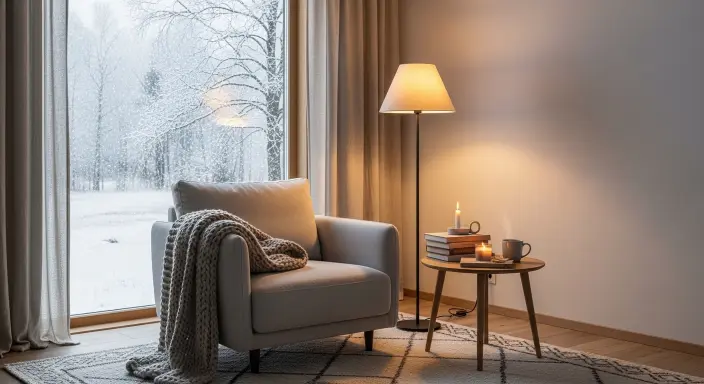
Light wood furniture adds warmth and authenticity to Scandinavian spaces. Materials such as oak, birch, and pine bring a natural texture that balances the bright walls. Tables, shelving units, and sideboards often show visible grain patterns, which enhance the organic feel of the home. The furniture design stays simple with clean edges and practical shapes. Light wood prevents rooms from feeling cold while maintaining a modern look. Pairing wood with soft textiles creates a welcoming environment suitable for everyday life. Keeping finishes matte preserves the natural character and avoids shine. Wooden furniture also ages beautifully, developing character over time. Even a single wood coffee table can soften an entire living room and make the interior feel comfortable and grounded.
Pro Tip: Avoid dark stains; keep the wood as natural as possible for a true Scandinavian appearance.
3. Cozy Layered Textiles
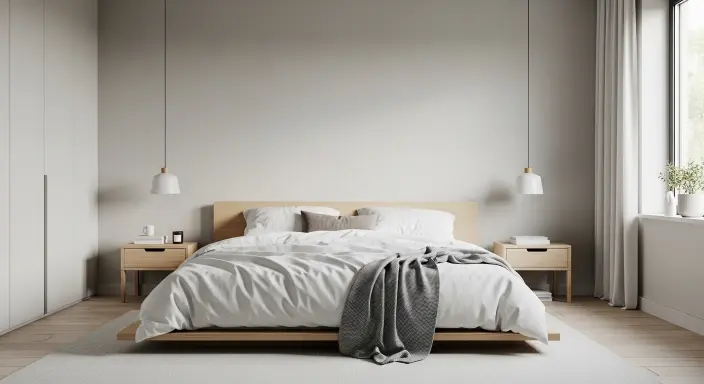
Layered textiles are essential for comfort and warmth. Scandinavian homes rely on wool blankets, linen cushions, and cotton throws to make spaces feel inviting. Neutral colors keep the layers cohesive, while different textures add interest. A sofa becomes welcoming when decorated with multiple soft materials. Layering helps rooms feel warmer during colder months and adds softness to modern furniture. Textiles also absorb sound, making the home quieter and more relaxing. Choose breathable fabrics so the room feels fresh rather than heavy. Even bedrooms benefit from layered bedding that encourages rest. Rugs, throws, and pillows work together to create comfort without visual clutter. This balanced approach keeps the interior stylish yet livable.
Pro Tip: Mix textures like knit, linen, and wool instead of mixing bold colors.
4. Bright Natural Lighting
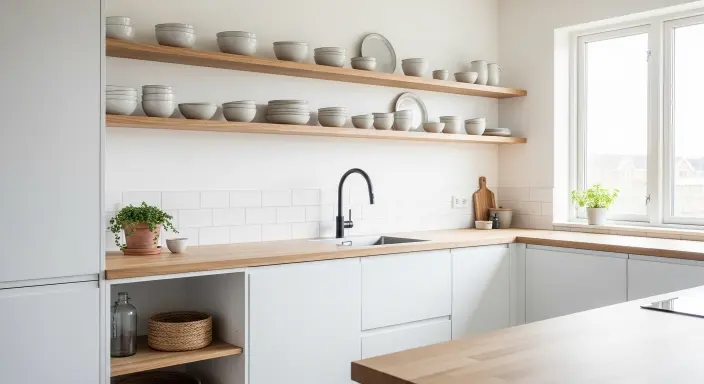
Natural light is a major feature of Scandinavian design. Large windows are left open or covered with sheer curtains to maximize sunlight. Light bounces off pale walls and spreads across the room, creating a refreshing atmosphere. The goal is to keep interiors bright even during short winter days. Mirrors and reflective surfaces help distribute daylight evenly. Furniture is arranged so windows remain unobstructed. This creates a sense of openness and improves mood throughout the day. Sunlight also highlights natural materials, enhancing their beauty. Keeping window areas uncluttered improves both aesthetics and comfort. Rooms feel larger and more welcoming when daylight becomes part of the design.
Pro Tip: Use thin linen curtains to maintain privacy while allowing light inside.
5. Simple Minimalist Furniture
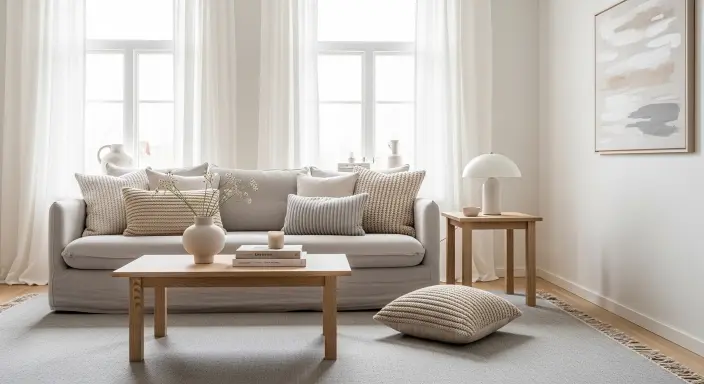
Minimalist furniture focuses on function and comfort. Scandinavian pieces feature slim legs, smooth lines, and uncluttered shapes. Each item has a purpose, preventing overcrowded rooms. The layout leaves breathing space between objects, making the home feel organized. Instead of many decorative items, a few well-chosen pieces create elegance. This approach reduces stress and makes cleaning easier. Neutral upholstery supports a calm aesthetic while still looking modern. Furniture height is often low, enhancing openness. The result is a practical space that feels balanced and relaxing. Minimalist choices also allow natural materials and textures to stand out clearly.
Pro Tip: Keep empty space around furniture to emphasize openness and comfort.
6. Warm Ambient Lighting
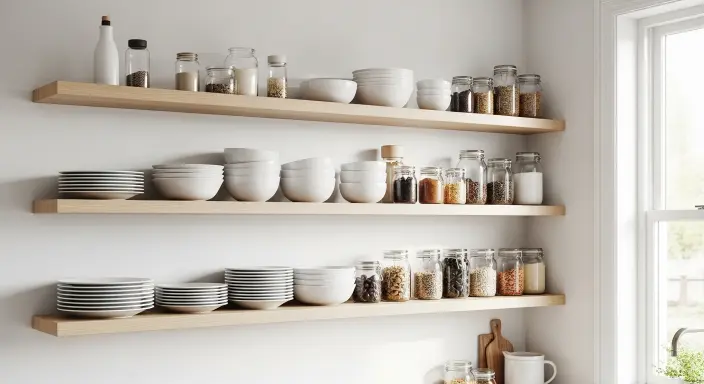
Artificial lighting replaces sunlight during darker hours. Scandinavian interiors rely on multiple light sources such as table lamps, floor lamps, and wall sconces. Soft warm bulbs create a cozy glow rather than harsh brightness. Lamps with fabric or paper shades diffuse light evenly across the room. Layered lighting helps different areas feel comfortable at night. Warm lighting also highlights textures like wood and textiles. Avoid relying only on overhead fixtures because they feel cold. Instead, use small lights placed strategically around seating areas. Evening spaces should feel restful and inviting rather than overly bright. This method supports relaxation and encourages quiet routines.
Pro Tip: Choose bulbs around 2700K color temperature for a gentle warm atmosphere.
7. Scandinavian Gallery Wall
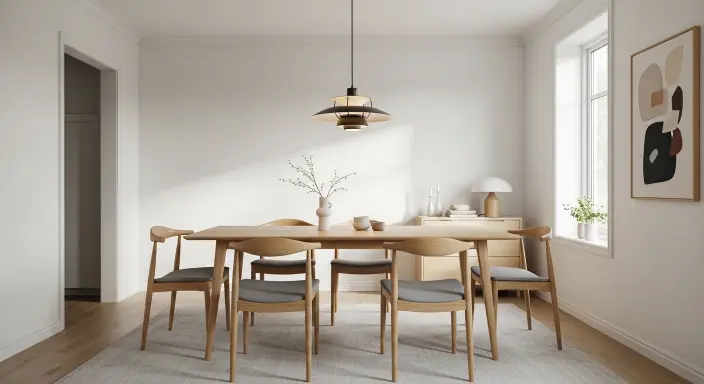
Artwork in Scandinavian homes is simple and meaningful. A gallery wall of black-and-white prints, nature photography, or minimal illustrations adds personality without clutter. Frames are thin and often wooden, white, or black. Keeping spacing consistent maintains order. The display becomes decorative yet calming. Artwork should support the neutral palette rather than dominate it. Select pieces that reflect nature, landscapes, or typography. This approach adds visual interest while preserving simplicity. Gallery walls also help personalize rental homes without major renovations. The balanced composition enhances both modern and cozy feelings.
Pro Tip: Limit the number of colors in artwork for a harmonious display.
8. Indoor Plants for Freshness
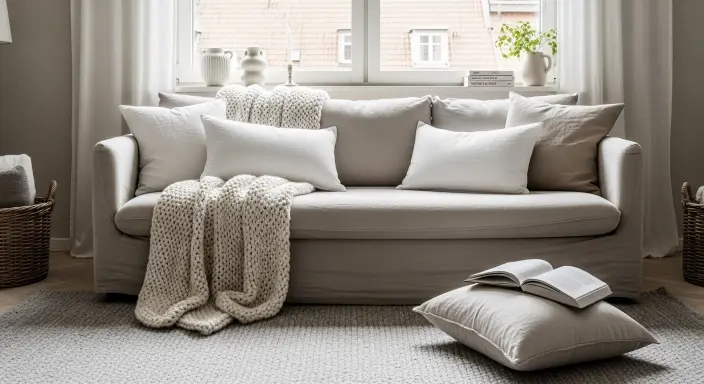
Plants bring life into the clean Scandinavian interior. Greenery softens hard surfaces and connects the home to nature. Popular choices include snake plants, rubber plants, and small olive trees. Clay or ceramic pots complement natural materials. Plants improve air quality and visual comfort. Large plants often work better than many small ones because they reduce clutter. Place greenery near windows where sunlight supports growth. Plants also create gentle contrast against neutral walls. Even a simple herb pot in the kitchen adds freshness. The presence of living elements enhances emotional comfort and warmth.
Pro Tip: Choose low-maintenance plants to keep the design practical.
9. Functional Open Shelving
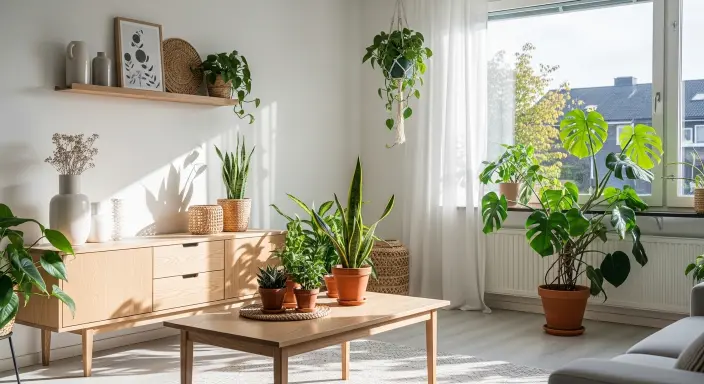
Open shelving combines storage and decoration. Wooden shelves display books, ceramics, and daily essentials neatly. Items are spaced carefully to avoid overcrowding. This keeps the room practical yet visually pleasing. Open shelves encourage organization because everything is visible. Natural containers and baskets help maintain order. The arrangement feels relaxed but intentional. Shelves also make kitchens and living areas more welcoming. Functional décor allows everyday objects to contribute to style. The result is a balance between usability and beauty.
Pro Tip: Follow the rule of three when arranging items for a balanced look.
10. Comfortable Reading Nook
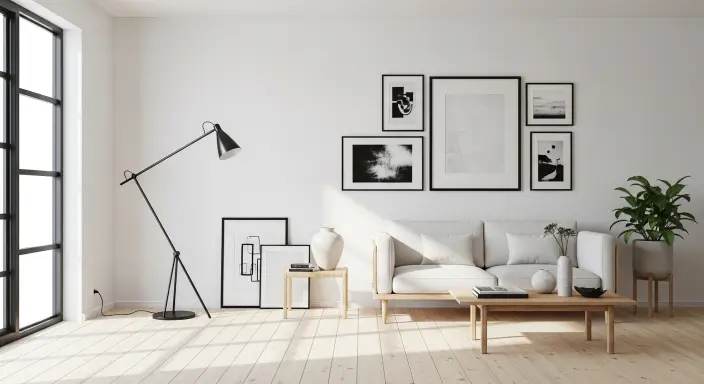
A reading nook adds personal comfort to a home. A soft chair, warm blanket, and small lamp create a quiet retreat. Positioning the nook near a window maximizes daylight. This area encourages relaxation and mindful living. Even small apartments can include a cozy corner. Adding a side table provides space for books or tea. The nook becomes a daily relaxation spot. Neutral fabrics keep the space visually calm. Gentle lighting supports evening reading. This feature enhances both functionality and emotional warmth.
Pro Tip: Add a textured cushion to make the chair more inviting.
11. Clean Kitchen Design
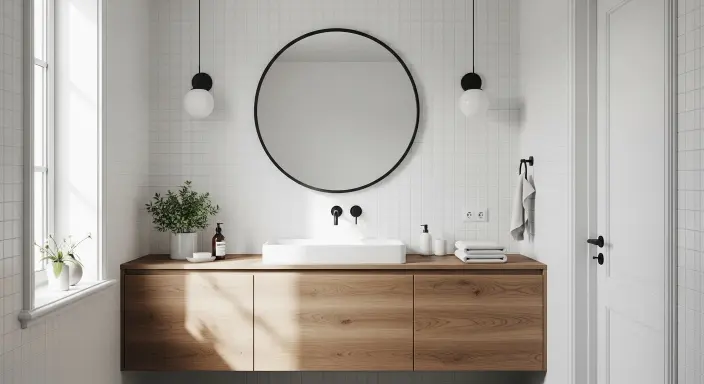
Scandinavian kitchens are bright, simple, and practical. White cabinets paired with wood countertops create warmth without heaviness. Minimal hardware keeps the look uncluttered. Storage solutions hide appliances and maintain order. Countertops stay mostly clear for a calm environment. Open shelves can display simple dishes or mugs. Soft lighting enhances the welcoming feel. The design prioritizes efficiency and ease of use. Even small kitchens feel spacious when organized carefully. Natural materials ensure the space remains cozy rather than clinical.
Pro Tip: Install under-cabinet lighting for gentle evening illumination.
12. Neutral Bedroom Retreat
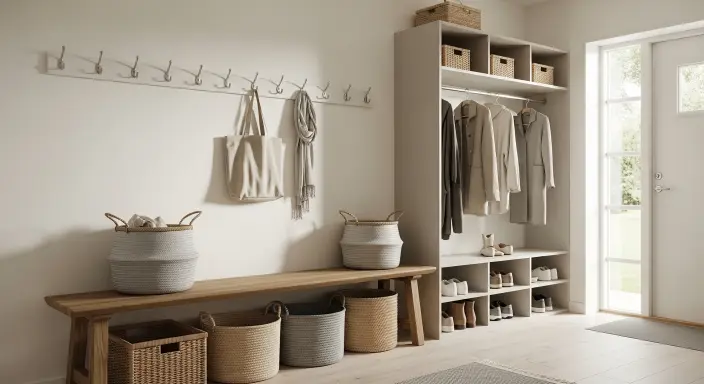
Bedrooms focus on rest and relaxation. Soft bedding, linen sheets, and neutral colors create a peaceful environment. Minimal décor prevents distraction and promotes sleep quality. A simple bed frame and small nightstand are enough. Natural materials add comfort without visual weight. Curtains allow morning light while maintaining privacy. Layered bedding enhances coziness during colder seasons. Calm surroundings help the mind unwind. The space should feel quiet and uncluttered. Scandinavian bedrooms emphasize comfort over decoration.
Pro Tip: Keep electronics away from the bed to maintain tranquility.
13. Scandinavian Dining Space
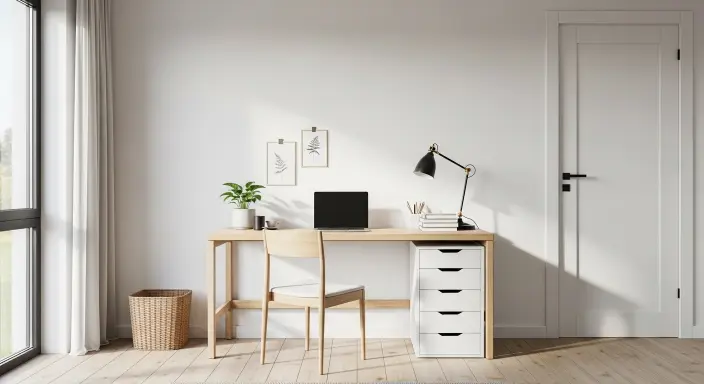
Dining areas are simple but inviting. A wooden table paired with comfortable chairs becomes the focal point. Pendant lighting above the table creates warmth and defines the space. Neutral tableware supports the calm aesthetic. The setting encourages slow meals and conversation. Natural textures like linen napkins enhance comfort. Keeping the table uncluttered improves visual harmony. The dining space should feel welcoming for everyday use. Even small dining areas can feel elegant with thoughtful arrangement.
Pro Tip: Center a pendant light directly above the table for balance.
14. Natural Fiber Rugs
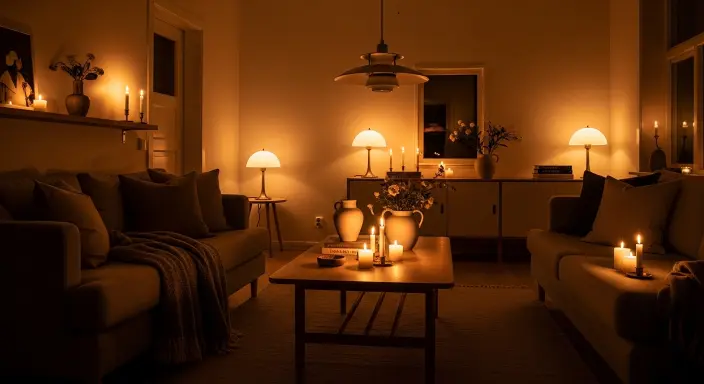
Natural fiber rugs add texture and warmth to floors. Materials like wool, cotton, and jute create softness underfoot. Neutral tones complement the overall palette. Rugs help define seating or sleeping areas. Flat-weave styles maintain simplicity while adding comfort. These rugs also improve acoustics by reducing echo. Proper sizing ensures furniture sits comfortably on the rug. The result feels cozy without heaviness. Natural fibers enhance authenticity and durability. They age gracefully and suit daily life.
Pro Tip: Choose a rug large enough for front furniture legs to rest on it.
15. Decluttered Surfaces
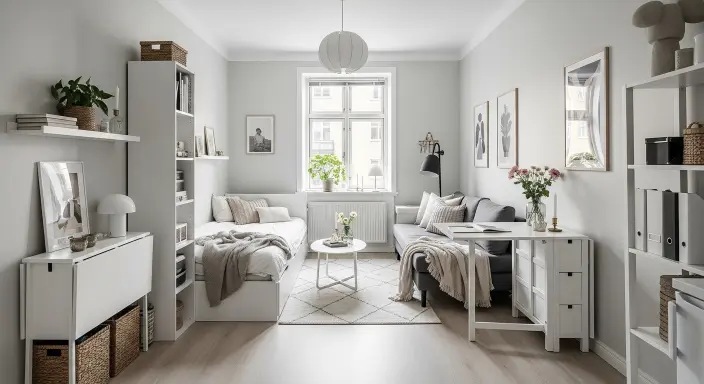
Scandinavian design values simplicity and order. Surfaces like coffee tables and countertops remain mostly clear. Only meaningful or useful items are displayed. This reduces visual stress and improves focus. Storage solutions hide unnecessary objects. Organized spaces feel calmer and easier to maintain. Clean surfaces highlight materials and textures. The home appears more spacious and peaceful. This habit supports mindful living and daily comfort. Less clutter allows better appreciation of design elements.
Pro Tip: Regularly remove items you do not use or love.
16. Soft Window Treatments
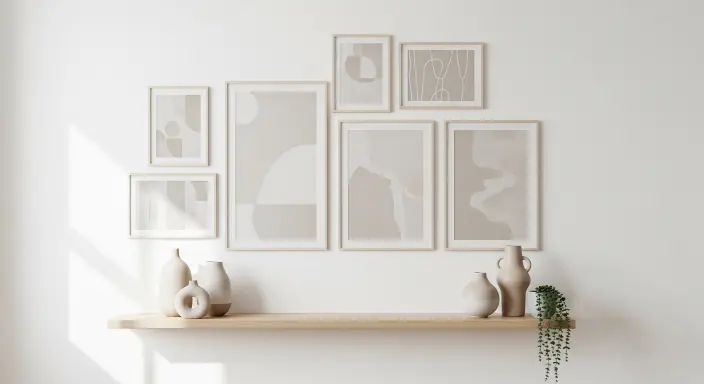
Window treatments remain light and airy. Sheer linen curtains provide privacy while allowing sunlight inside. Hanging curtains higher makes ceilings appear taller. Neutral fabrics maintain harmony with walls. Avoid heavy patterns or thick materials. Light curtains move gently and add softness. They help control glare without blocking brightness. This simple detail improves comfort and visual balance. The result is an open and relaxing atmosphere. Windows remain an important design feature.
Pro Tip: Extend curtain rods beyond window edges for a wider appearance.
17. Black Accent Details
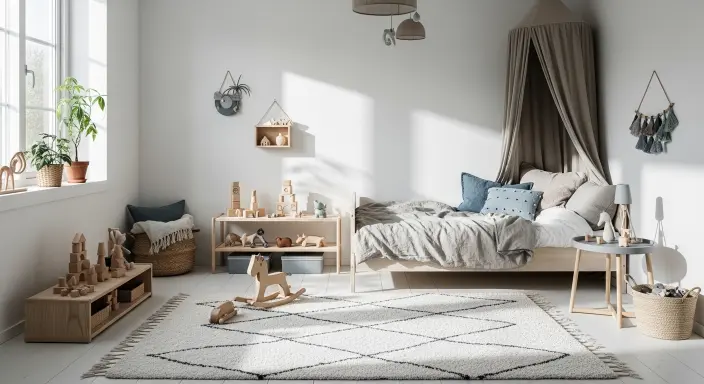
Small black accents create gentle contrast. Items like lamp bases, picture frames, and handles add definition. Used sparingly, black balances the light palette. The accents guide the eye and prevent monotony. Matte finishes look more natural than glossy surfaces. Contrast helps highlight architectural lines. Even minimal additions can strengthen design cohesion. This approach keeps the interior modern yet calm. Balanced contrast improves visual interest. Subtle details complete the overall style.
Pro Tip: Limit black accents to a few areas for a refined effect.
18. Functional Entryway
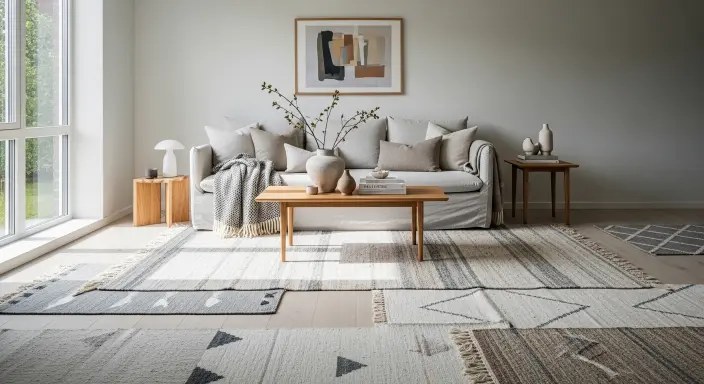
Entryways are organized and practical. Benches, hooks, and shoe storage keep daily items tidy. A mirror reflects light and enlarges the space. Neutral colors maintain continuity with other rooms. Simple baskets store accessories neatly. This space sets the tone for the home. Organized entrances reduce daily stress. Practical storage encourages consistent order. Even small foyers benefit from thoughtful design. A welcoming entry creates a positive first impression.
Pro Tip: Add a small rug to keep floors clean and cozy.
19. Warm Bathroom Simplicity
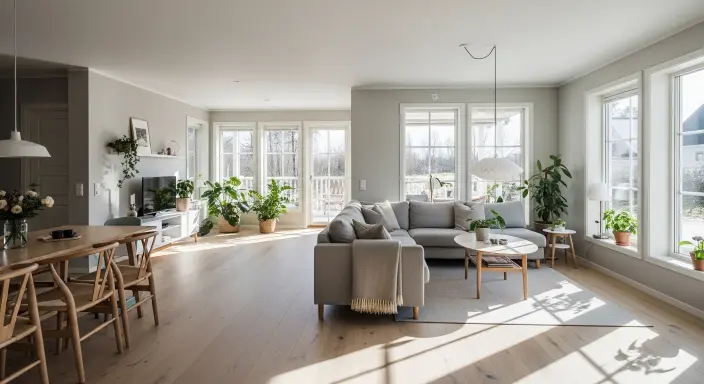
Bathrooms in Scandinavian homes feel clean and spa-like. White tiles combined with wood details create warmth. Minimal accessories maintain calmness. Good lighting improves comfort and usability. Natural storage baskets hold essentials neatly. Plants or candles add relaxation. Neutral palettes prevent visual clutter. The space supports daily routines peacefully. Durable materials ensure long-term practicality. Balanced design keeps the bathroom functional and soothing.
Pro Tip: Use wooden trays or stools to introduce warmth safely.
20. Calm Lived-In Feeling
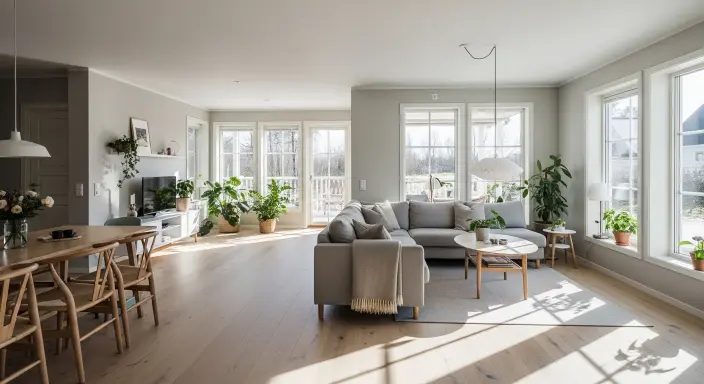
The final element is authenticity. Scandinavian interiors never feel staged or overly perfect. Personal items, books, and daily objects remain visible but organized. The home feels comfortable rather than decorative. Small imperfections add character and warmth. Spaces evolve naturally over time. Comfort always matters more than trends. This relaxed approach encourages everyday enjoyment. A lived-in atmosphere creates emotional connection. The design becomes part of daily life rather than a display.
Pro Tip: Add meaningful personal items to make the space feel truly yours.
Conclusion:
Scandinavian interior design is not only about decoration — it is about creating a home that feels peaceful, comfortable, and easy to live in every day. By using soft neutral colors, natural materials, simple furniture, and plenty of natural light, you can turn any space into a calm and welcoming environment. The beauty of these Scandinavian interior ideas is that they work in both small apartments and large houses without needing expensive renovation.
Instead of filling rooms with too many items, focus on meaningful pieces, cozy textiles, and functional layouts. A warm throw blanket, a wooden table, soft lighting, and a clean layout can completely change how your home feels. When comfort and simplicity come together, your home becomes a place where you truly relax, not just a place you stay.